The Better Shelf
Books about the people who made the world better
The biographies behind our Lifesavers, the books that make the case for optimism with data, the tools for reading science news, and gifts for anyone who likes to know how things work.
Paid links. If you buy a book through these links, Bookshop.org pays us a small commission and sends a share of the sale to independent bookstores.


Reading lists
- Biographies of people who saved millions The wheat breeder, the vaccinators, the chemists in wartime Oxford: the lives behind the biggest falls in the death rate. See the list
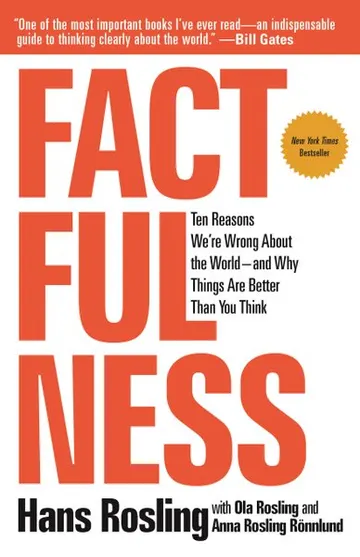
- Books that make the case for optimism Each one argues from data: child deaths, hunger, literacy and life expectancy, measured over decades. See the list
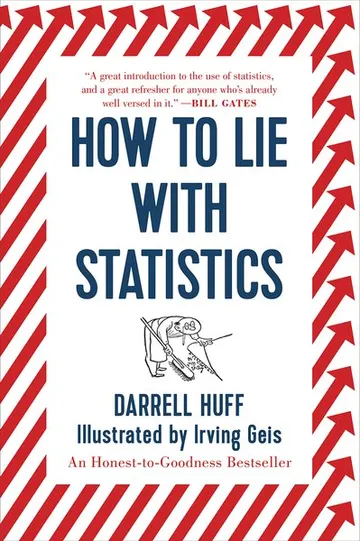
- How to read science news Eight books that teach the questions a good editor asks of a new study before believing it. See the list
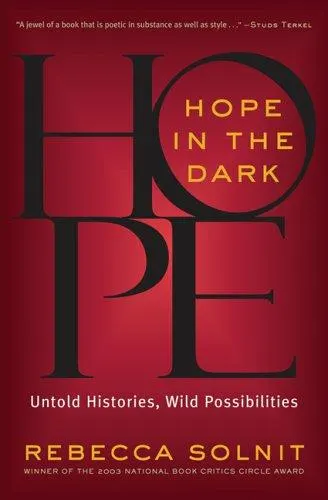
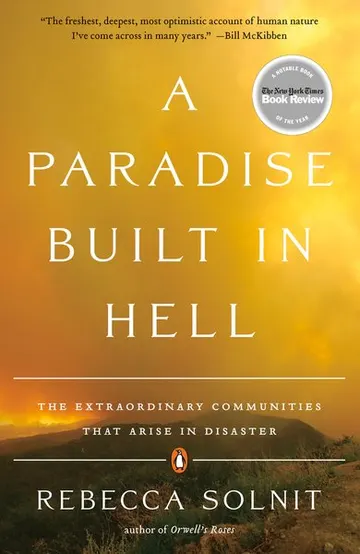
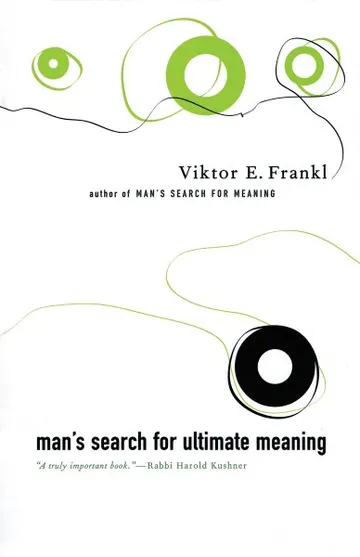
- For when the news is too much True stories of people who kept going, and the long view the daily headlines leave out. See the list
Gift guides
- Gifts for a science lover Octopuses, fungi, black holes and the immune system, from writers who can explain them to anyone. See the list
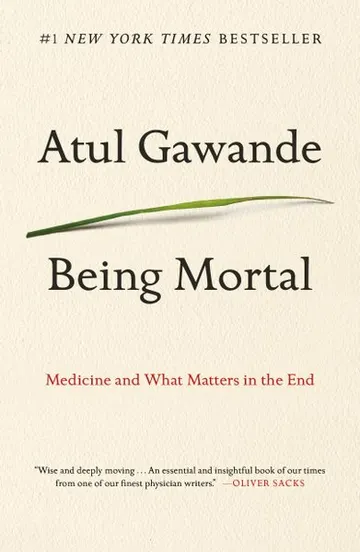
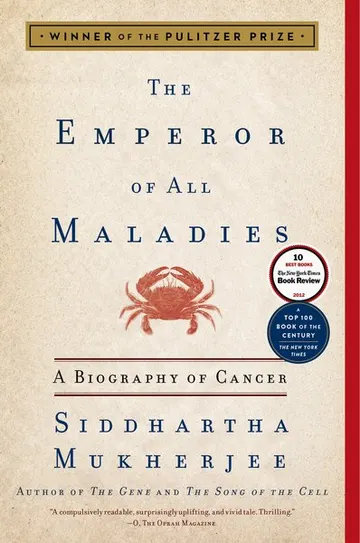
- Gifts for doctors and nurses The books clinicians hand each other: Gawande, Mukherjee, Kalanithi, Verghese and the diaries of a junior doctor. See the list
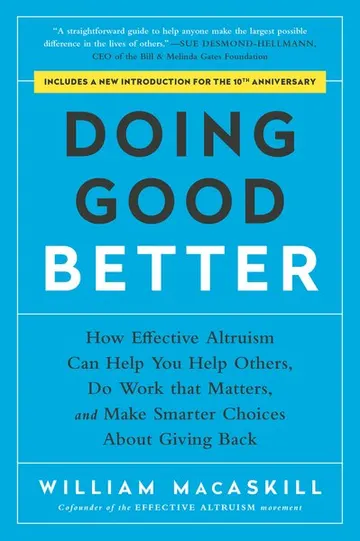
- Gifts for a graduate who wants to do good On choosing work that helps, from economists, philosophers and a doctor who went home to build a clinic. See the list
- Science heroes for kids Picture books and middle-grade stories about real scientists, from Ada Lovelace to Margaret Hamilton. Ages 3 to 12. See the list





The stories behind the saves
The book that tells each Lifesaver's story, from the people who did the work or the historians who followed them.
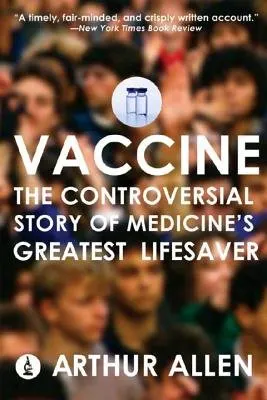
- No. 01 Vaccines Vaccine by Arthur Allen
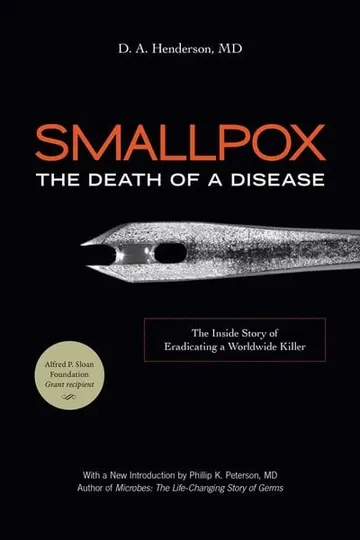
- No. 02 Smallpox eradication Smallpox by Donald A. Henderson The Speckled Monster by Jennifer Lee Carrell
- No. 03 Clean water The Ghost Map by Steven Johnson
- No. 04 Synthetic fertilizer The Alchemy of Air by Thomas Hager Enriching the Earth by Vaclav Smil
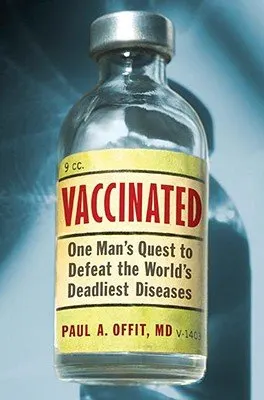
- No. 06 The measles vaccine Vaccinated by Paul A. Offit
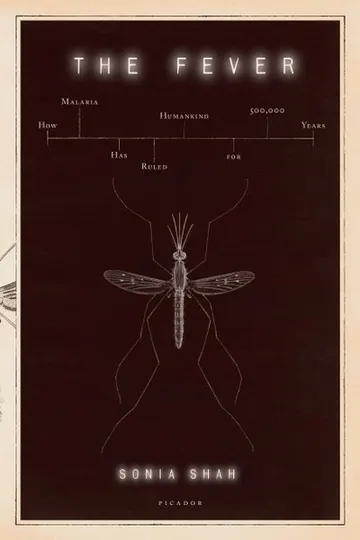
- No. 07 Insecticide-treated bed nets The Fever by Sonia Shah
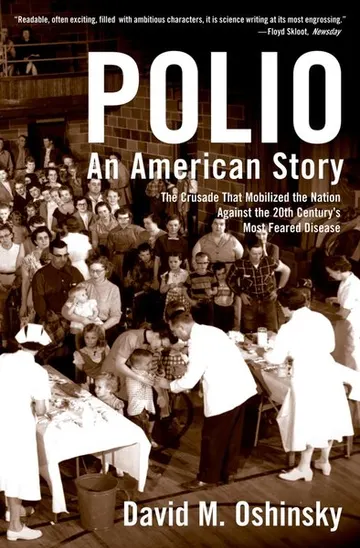
- No. 08 The polio vaccine Polio by David M. Oshinsky Splendid Solution by Jeffrey Kluger
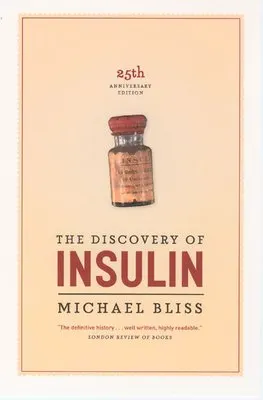
- No. 09 Insulin The Discovery of Insulin by Michael Bliss
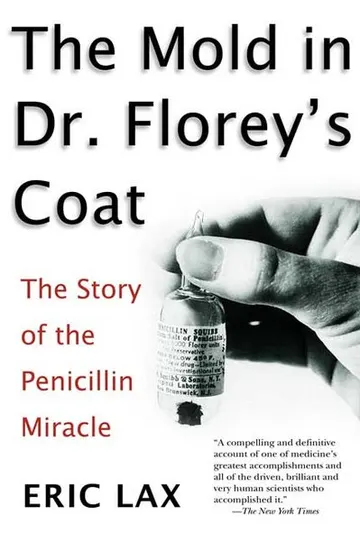
- No. 10 Penicillin and antibiotics The Mold in Dr. Florey's Coat by Eric Lax The Demon Under the Microscope by Thomas Hager
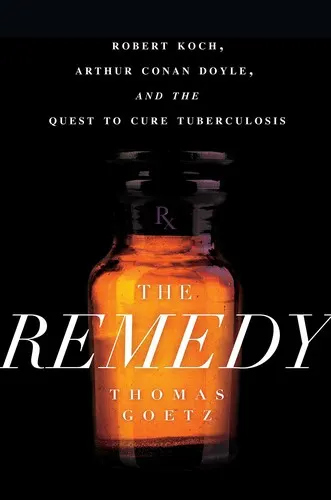
- No. 11 Tuberculosis treatment The Remedy by Thomas Goetz The Forgotten Plague by Frank Ryan
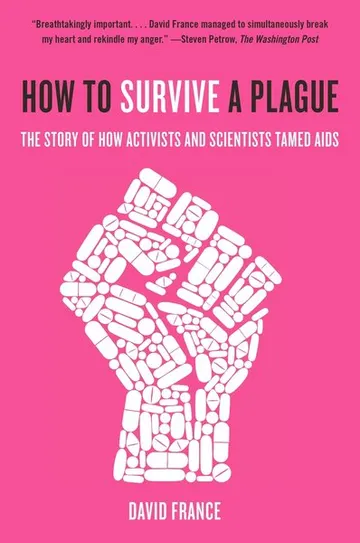
- No. 13 HIV treatment How to Survive a Plague by David France
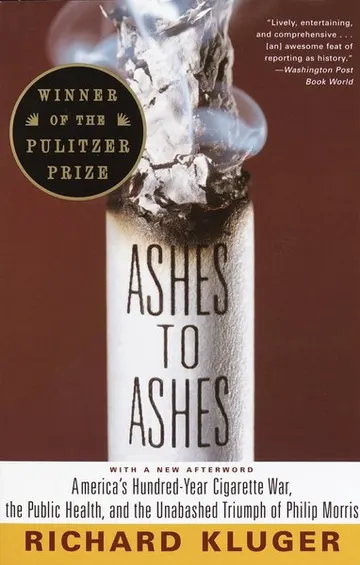
- No. 14 Tobacco control Ashes to Ashes by Richard Kluger The Cigarette Century by Allan M. Brandt
- No. 15 Family planning The Birth of the Pill by Jonathan Eig Devices and Desires by Andrea Tone
- No. 22 Blood transfusion Blood by Douglas Starr
- No. 28 The hepatitis B vaccine Vaccinated by Paul A. Offit


Read the science better
The books behind our Field Guide, with the ideas each one explains best.
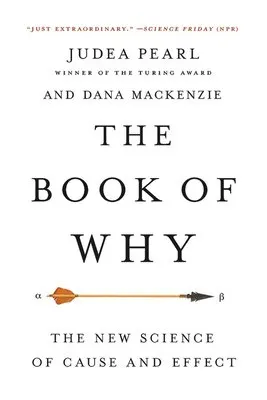
- The Book of Why Judea Pearl and Dana Mackenzie Why "linked to" doesn't mean "caused by"ConfoundingSimpson's paradoxMendelian randomization
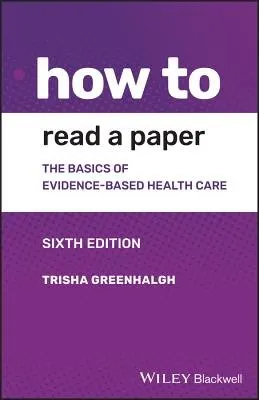
- How to Read a Paper Trisha Greenhalgh Attrition biasIntention to treatLevels of evidenceFinding the paper behind the headline
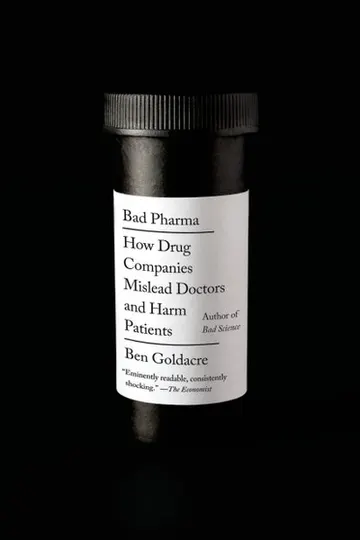
- Bad Pharma Ben Goldacre phase 1, 2, and 3 clinical trialsPublication biasWho paid for the study, and why it matters
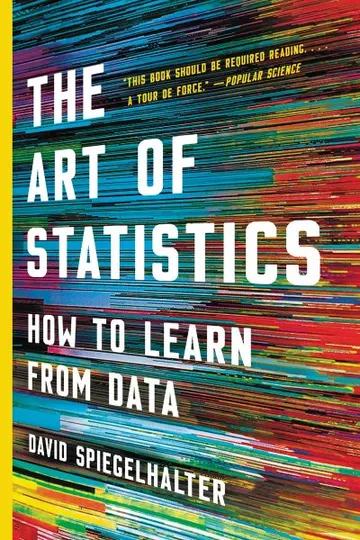
- The Art of Statistics David Spiegelhalter Statistically significant vs. actually bigThe range around the number that headlines dropOdds ratio vs. risk ratio
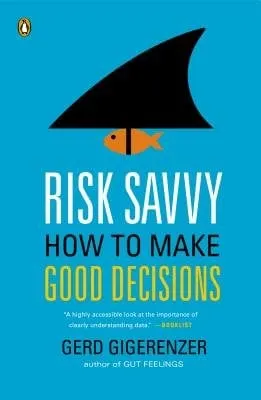
- Risk Savvy Gerd Gigerenzer "Cuts your risk 50%" vs. what actually changesWhy a positive test rarely means what it seemsSensitivity and specificity
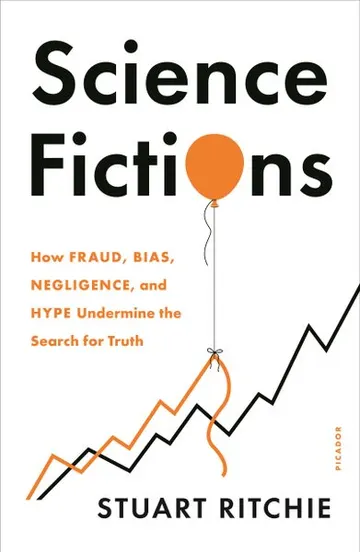
- Science Fictions Stuart Ritchie Preprint vs. peer reviewWhy one study is never the whole storyPre-registration
- Mastering 'Metrics Joshua D. Angrist and Jorn-Steffen Pischke Natural experimentsDifference-in-differencesRegression discontinuity
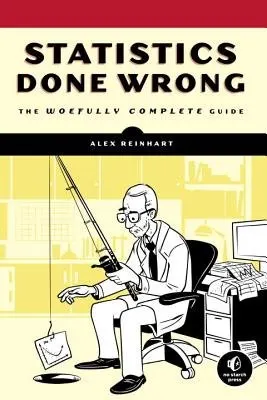
- Statistics Done Wrong Alex Reinhart a p-value really tells you (and what it doesn't)Statistical power
- Testing Treatments Imogen Evans, Hazel Thornton, Iain Chalmers and Paul Glasziou Watched vs. testedMeta-analysis
- How Not to Be Wrong Jordan Ellenberg Survivorship biasMultiple comparisons
- Overdiagnosed H. Gilbert Welch, Lisa Schwartz and Steven Woloshin Lead-time biasOverdiagnosis
- Ending Medical Reversal Vinayak K. Prasad and Adam S. Cifu Healthy-user biasSurrogate endpoints
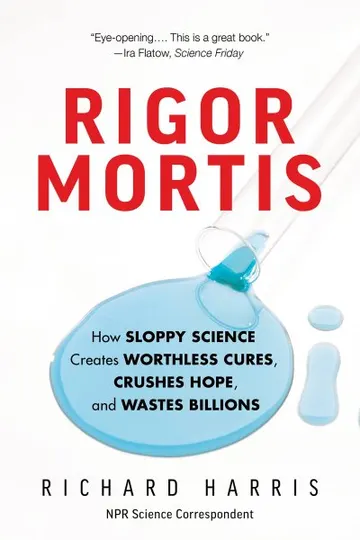
- Rigor Mortis Richard Harris "it worked in mice"
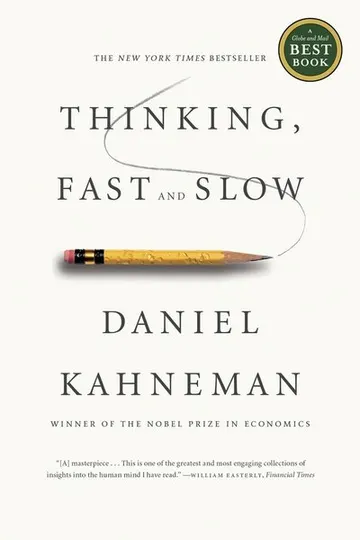
- Thinking, Fast and Slow Daniel Kahneman Regression to the mean
- In Defense of Food Michael Pollan Why nutrition studies keep contradicting each other
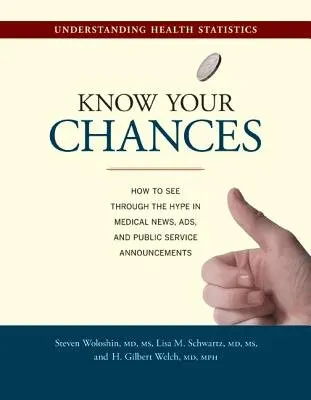
- Know Your Chances Steven Woloshin, Lisa M. Schwartz and H. Gilbert Welch Number needed to treat
- Bad Science Ben Goldacre Blinding
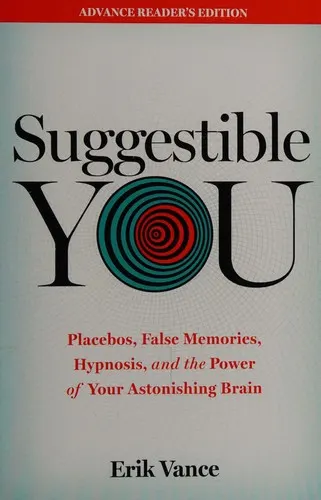
- Suggestible You Erik Vance Placebo and nocebo

The desk picks every book for what it explains or the story it tells. No publisher pays for a place on this shelf. Updated September 2026.
The next chapter is happening now.
Every morning we send the day's real progress in science, medicine and beyond, with a link to every source. Free, forever.
Free forever, no spam. One click to unsubscribe, and we never sell your email.