The Field Guide · No. 22
Confounding: when a third factor explains the link
Confounding happens when a third factor is tied to both the exposure and the outcome, so a real statistical link can appear where the exposure itself causes nothing.
Updated
A confounder is a third factor connected to both the thing being studied and the outcome being measured, so it can produce a statistical link between the two even where the first thing causes nothing at all. It is one of the most common reasons an observational study reports a connection that a randomized trial later fails to confirm.
A textbook illustration is coffee and heart disease. Early studies linked heavy coffee drinking to higher rates of illness, until researchers noticed that heavy coffee drinkers in those populations were also disproportionately heavy smokers. Smoking, not coffee, was driving much of the risk, and the coffee habit was simply riding along with it. Once studies adjusted for smoking, most of the coffee link faded.
Two traps follow. First, a confounder can create an association that is not really there, as with coffee and smoking, or mask one that is, if it pushes against the true effect. Second, researchers can only adjust for a confounder they thought to measure, so an unmeasured factor, sometimes called a lurking variable, can keep distorting a result no matter how careful the statistics look.
When a headline reports that one behavior is linked to a health outcome, ask what else tends to travel with that behavior, such as income, age, smoking, or existing illness, and whether the study adjusted for it. A randomized trial sidesteps the problem by assigning people to groups regardless of their other traits. Pair any observational link with a look at how it holds up once the obvious confounders are accounted for.
What to remember
- A confounder is linked to both the exposure and the outcome, which can create or hide a statistical association.
- An association between two things is not proof that one causes the other once a shared cause is in play.
- Studies can only adjust for confounders they measured, so an unmeasured one can still distort the result.
From the record
Confounding arises when the exposure and the outcome of interest share a common cause.
Asked often
What is a classic example of confounding?
Early studies linking heavy coffee drinking to heart disease turned out to be substantially explained by smoking, since heavy coffee drinkers in those populations were also more likely to smoke. Once studies adjusted for smoking, much of the apparent coffee risk faded, illustrating how a shared habit can confound a result.
How do researchers try to rule out confounding?
They can measure known confounders such as age, income, or smoking status and statistically adjust for them, or they can randomize participants so that confounders are, on average, spread evenly across both arms. Randomization is the more reliable fix, since it does not depend on the researcher measuring every relevant factor.
Further reading
Go deeper
Paid link. If you buy a book through this link, Bookshop.org pays us a small commission and sends a share of the sale to independent bookstores.
-
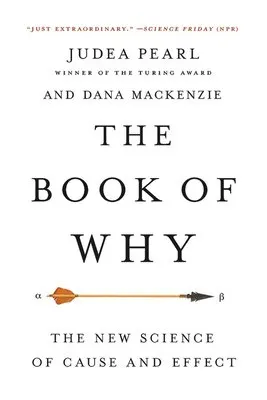
The Book of Why (opens Bookshop.org)
Judea Pearl and Dana Mackenzie · 2018
Judea Pearl and Dana Mackenzie explain confounding through causal diagrams and the history of the smoking and lung cancer dispute, showing how to decide what to adjust for.
Read the news better, every morning.
We send you the day's real progress in science, medicine and beyond, told plainly and sourced. Free, forever.
Free forever, no spam. One click to unsubscribe, and we never sell your email.