Lifesavers · No. 07
Insecticide-treated bed nets
A treated mesh net over a bed turned out to be the single biggest reason malaria retreated across Africa, behind most of an estimated 663 million cases averted.
Updated
Measured in cases averted rather than deaths, from Bhatt et al., Nature, 2015.
How it saves lives
Malaria spreads through the bite of night-feeding mosquitoes. A net treated with insecticide does two jobs at once: it forms a physical barrier around a sleeping person and kills or repels the mosquitoes that land on it, which protects the whole community as mosquito numbers fall.
The story
Of all the tools aimed at malaria this century, the humble net has done the most. A 2015 study in Nature reconstructed two decades of malaria control across Africa and found that interventions had prevented hundreds of millions of cases, with insecticide-treated nets by far the largest contributor. It is cheap, low-tech, and one of the best-value lifesavers ever measured.
From the record
interventions have averted 663 (542-753 credible interval) million clinical cases since 2000
From the record
Insecticide-treated nets, the most widespread intervention, were by far the largest contributor (68% of cases averted).
Asked often
How effective are insecticide-treated bed nets?
A 2015 Nature study found that malaria interventions averted an estimated 663 million clinical cases in Africa since 2000, and that insecticide-treated nets were the single largest contributor, responsible for 68 percent of the cases averted.
Why do bed nets work so well against malaria?
They combine a physical barrier around a sleeping person with an insecticide that kills mosquitoes on contact, so they protect the whole community by reducing mosquito numbers, not just the individual under the net.
Further reading
Read the whole story
Paid link. If you buy a book through this link, Bookshop.org pays us a small commission and sends a share of the sale to independent bookstores.
-
The history
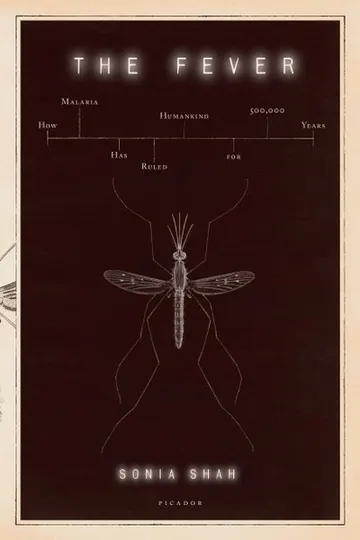
The Fever (opens Bookshop.org)
Sonia Shah · 2010
Journalist Sonia Shah covers the whole history of malaria, and includes the mass distribution of insecticide-treated nets in Africa and how well they held up.
The next one is being invented now.
We send you the day's real progress every morning: the breakthroughs, the wins nobody headlined, the proof it's still happening. Free, forever.
Free forever, no spam. One click to unsubscribe, and we never sell your email.