Lifesavers · No. 06
The measles vaccine
The measles vaccine averted nearly 59 million deaths in a single generation, more than any other vaccine in that span.
Updated
How it saves lives
Measles is one of the most contagious diseases known, and before the vaccine it infected almost every child. The vaccine trains the immune system with a weakened form of the virus, giving lasting protection from a single well-timed programme of doses and starving the virus of the unprotected children it needs to spread.
The story
Measles was once so routine that many parents assumed every child would catch it, and a share would die or be left deaf or brain-damaged. The vaccine changed that expectation within a generation. WHO figures show annual measles deaths falling from 780,000 in 2000 to 95,000 in 2024, and the modelling behind the global vaccine tally found measles vaccination did more of that lifesaving work than any other single shot.
From the record
Measles vaccination averted nearly 59 million deaths between 2000 and 2024.
Asked often
How many lives has the measles vaccine saved?
The WHO reports that measles vaccination averted nearly 59 million deaths between 2000 and 2024. Annual measles deaths fell from about 780,000 to 95,000 over that period.
Who created the measles vaccine?
John Enders and Thomas Peebles developed the first measles vaccine, licensed in 1963. Enders had earlier won a Nobel Prize for work that also enabled the polio vaccine.
Further reading
Read the whole story
Paid link. If you buy a book through this link, Bookshop.org pays us a small commission and sends a share of the sale to independent bookstores.
-
Biography
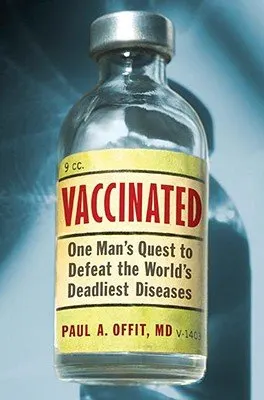
Vaccinated (opens Bookshop.org)
Paul A. Offit · 2007
Paul Offit profiles Maurice Hilleman of Merck, who took John Enders's measles vaccine and made a safer version in 1968. It is a biography of Hilleman, not a book about measles alone.
The next one is being invented now.
We send you the day's real progress every morning: the breakthroughs, the wins nobody headlined, the proof it's still happening. Free, forever.
Free forever, no spam. One click to unsubscribe, and we never sell your email.