Lifesavers · No. 08
The polio vaccine
The polio vaccine has cut cases of the paralysing virus by more than 99% since 1988, and more than 20 million people can walk today who would otherwise have been paralysed.
Updated
Polio's harm is measured mainly in paralysis prevented rather than deaths.
How it saves lives
Poliovirus spreads person to person and can invade the nervous system, paralysing muscles including those used to breathe. The vaccine primes the immune system so the virus is cleared before it can reach the nerves, and mass campaigns push the virus out of whole regions until it has nowhere left to circulate.
The story
In the mid-20th century polio terrified parents every summer, filling wards with children in iron lungs. When Jonas Salk's vaccine was declared safe and effective in 1955, church bells rang. Salk never patented it, reportedly asking, could you patent the sun. Decades of vaccination have since driven wild polio to the edge of extinction, with cases down more than 99 percent and only two countries where the virus still lingers.
From the record
Wild poliovirus cases have decreased by over 99% since 1988
From the record
More than 20 million people are able to walk today who would otherwise have been paralysed.
Asked often
Who invented the polio vaccine?
Jonas Salk developed the first successful polio vaccine, declared safe and effective in 1955. Albert Sabin later developed an oral vaccine that became central to global eradication efforts.
How much has polio declined?
The WHO reports wild poliovirus cases have fallen by over 99% since 1988, from an estimated 350,000 cases a year to just a handful in two countries, and more than 20 million people can walk who would otherwise have been paralysed.
Further reading
Read the whole story
Paid links. If you buy a book through these links, Bookshop.org pays us a small commission and sends a share of the sale to independent bookstores.
-
The history
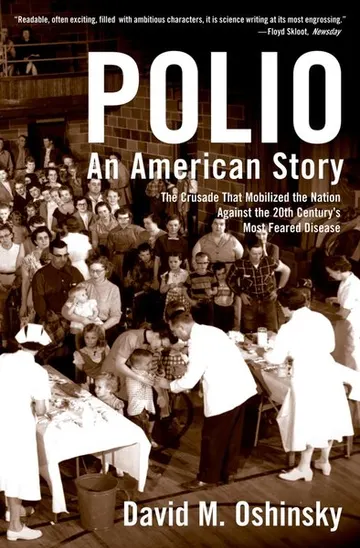
Polio (opens Bookshop.org)
David M. Oshinsky · 2005
Pulitzer Prize winner David Oshinsky follows the American polio epidemics, the March of Dimes, and the rivalry between Jonas Salk and Albert Sabin that ended with the vaccines.
-
Biography
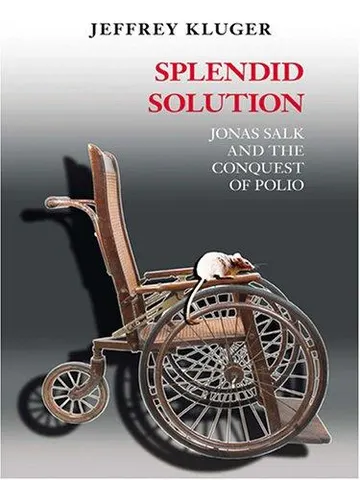
Splendid Solution (opens Bookshop.org)
Jeffrey Kluger · 2004
Jeffrey Kluger follows Jonas Salk from his flu vaccine work to the 1954 field trial of over a million children and the announcement of success in 1955.
The next one is being invented now.
We send you the day's real progress every morning: the breakthroughs, the wins nobody headlined, the proof it's still happening. Free, forever.
Free forever, no spam. One click to unsubscribe, and we never sell your email.