Lifesavers · No. 09
Insulin
Before 1922 a child diagnosed with type 1 diabetes had months to live; the discovery of insulin turned an automatic death sentence into a manageable condition.
Updated
How it saves lives
In type 1 diabetes the body stops making insulin, the hormone that lets cells take in sugar from the blood, so sugar builds to lethal levels while the body starves. Injected insulin replaces what the body can no longer make, restoring the balance day by day. It is a treatment, not a cure, and it has to be taken for life.
The story
In the summer of 1921 a team in Toronto extracted insulin from animal pancreases and, in January 1922, gave it to a dying teenage boy named Leonard Thompson. He recovered. Wards of children who had been slipping into fatal comas were revived within days, a scene doctors described as close to resurrection. Banting and Macleod won a Nobel Prize the very next year, and the team sold the patent for a symbolic sum so the medicine could reach everyone who needed it.
Asked often
Who discovered insulin?
Insulin was isolated in 1921 to 1922 by Frederick Banting and Charles Best, with James Collip and J.J.R. Macleod, at the University of Toronto. The first patient successfully treated was 14-year-old Leonard Thompson in January 1922.
Why was insulin such a breakthrough?
Before insulin, type 1 diabetes was almost always fatal within months of diagnosis, especially in children. Insulin turned it into a lifelong but manageable condition, one of the fastest transformations of a disease's outlook in medical history.
Further reading
Read the whole story
Paid link. If you buy a book through this link, Bookshop.org pays us a small commission and sends a share of the sale to independent bookstores.
-
The history
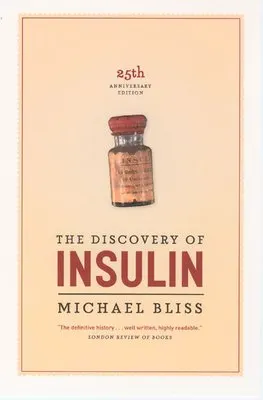
The Discovery of Insulin (opens Bookshop.org)
Michael Bliss · 1982
Historian Michael Bliss reconstructs how Banting, Best, Collip and Macleod produced insulin in Toronto in 1921 and 1922, and the credit dispute that followed. The 2007 edition adds Nobel Committee records.
The next one is being invented now.
We send you the day's real progress every morning: the breakthroughs, the wins nobody headlined, the proof it's still happening. Free, forever.
Free forever, no spam. One click to unsubscribe, and we never sell your email.