Lifesavers · No. 10
Penicillin and antibiotics
A mould spotted on a messy lab plate in 1928 became penicillin, the first antibiotic, and turned infections that routinely killed into problems a pill could solve.
Updated
How it saves lives
Antibiotics attack features unique to bacteria, such as their cell walls, so they can kill or stop the microbes while leaving human cells largely unharmed. That let doctors cure infections that had always been a matter of luck and made survivable the surgeries, births and wounds that infection used to make deadly.
The story
Returning from holiday in 1928, Alexander Fleming found a stray mould had killed the bacteria on one of his culture plates. He noted it and moved on. More than a decade later, Howard Florey and Ernst Chain took the idea, purified the drug, and proved it could save lives, just in time for the wounded of the Second World War. The trio shared a Nobel Prize, and medicine entered an age where a simple infection no longer meant waiting to see who would live.
Asked often
Who discovered penicillin?
Alexander Fleming discovered penicillin in 1928 when he noticed a mould killing bacteria on a lab plate. Howard Florey and Ernst Chain later turned it into a usable medicine in the early 1940s, and the three shared the 1945 Nobel Prize.
Why were antibiotics so important?
Before antibiotics, common infections, minor wounds, childbirth and routine surgery could all turn fatal. Antibiotics made these infections treatable and are a foundation of nearly all modern medicine.
Further reading
Read the whole story
Paid links. If you buy a book through these links, Bookshop.org pays us a small commission and sends a share of the sale to independent bookstores.
-
The history
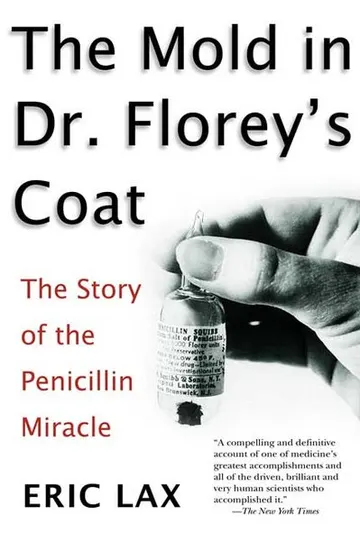
The Mold in Dr. Florey's Coat (opens Bookshop.org)
Eric Lax · 2004
Eric Lax tells how Howard Florey, Ernst Chain and Norman Heatley turned Fleming's 1928 mould into a usable drug at Oxford during the Second World War.
-
The history
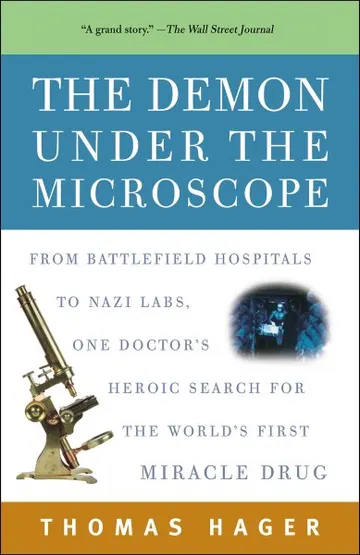
The Demon Under the Microscope (opens Bookshop.org)
Thomas Hager · 2006
Thomas Hager tells the story of Gerhard Domagk and the sulfa drugs of the 1930s, the first antibacterial medicines, which paved the way for penicillin.
The next one is being invented now.
We send you the day's real progress every morning: the breakthroughs, the wins nobody headlined, the proof it's still happening. Free, forever.
Free forever, no spam. One click to unsubscribe, and we never sell your email.