Lifesavers · No. 01
Vaccines
Vaccination is the single biggest lifesaver in the history of medicine, credited with about 154 million lives in 50 years, most of them infants.
Updated
From a 2024 modelling study in The Lancet, covering the WHO Expanded Programme on Immunization.
How it saves lives
A vaccine shows the immune system a harmless piece or version of a germ, so the body learns to recognise it before ever meeting the real thing. When enough of a community is protected, the germ struggles to spread at all, which shields even those who cannot be vaccinated.
The story
The idea began with a country doctor who noticed that milkmaids who caught mild cowpox seemed spared from deadly smallpox. Two centuries later the same idea, industrialised and delivered to nearly every country, is the reason a child born today is far more likely to reach adulthood than one born in 1970. A landmark study tallied the toll of that work across fourteen diseases and found immunization had saved more lives than almost any human effort ever measured.
From the record
global immunization efforts have saved an estimated 154 million lives
From the record
The vast majority of lives saved – 101 million – were those of infants.
Asked often
How many lives have vaccines saved?
A 2024 study in The Lancet, summarised by the WHO, estimated that global immunization efforts saved about 154 million lives over the 50 years from 1974 to 2024. Around 101 million of those saved were infants.
Who invented vaccination?
Edward Jenner is credited with the first vaccine in 1796, using cowpox to protect against smallpox. The word vaccine comes from vacca, Latin for cow.
Further reading
Read the whole story
Paid link. If you buy a book through this link, Bookshop.org pays us a small commission and sends a share of the sale to independent bookstores.
-
The history
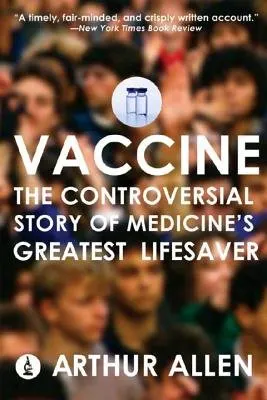
Vaccine (opens Bookshop.org)
Arthur Allen · 2007
Journalist Arthur Allen follows vaccination from Jenner's 1796 cowpox experiments through the polio, measles and childhood-immunization campaigns of the twentieth century, including the fights over safety and compulsion.
The next one is being invented now.
We send you the day's real progress every morning: the breakthroughs, the wins nobody headlined, the proof it's still happening. Free, forever.
Free forever, no spam. One click to unsubscribe, and we never sell your email.