The Field Guide · No. 09
The range around the number that headlines drop
A confidence interval is the plausible range around a result, which tells you how precise, or shaky, that single reported number really is.
Updated
Every study result comes with a fudge factor, and the confidence interval is where it lives. When a study reports a single number, say a drug lowers risk by 30%, that number is really the middle of a range. The confidence interval is that range, and it tells you how precise the estimate is. A narrow range means the result is nailed down. A wide range means the truth could be quite different from the headline figure.
The usual version is the 95% confidence interval. It gives you a range of values that are consistent with the data, calculated so that if the study were repeated many times, most of those ranges would capture the true value. The single number a headline reports is the best guess, but the interval around it is the honest picture of how sure we are.
This is why the width of the interval is often more revealing than the number itself. "Cuts risk by 30%" sounds solid. But if the confidence interval runs from 2% to 55%, the real effect could be almost nothing or enormous, and the study cannot tell them apart. And if an interval for a difference crosses zero, the study cannot even rule out that there is no effect at all.
So when you read a striking figure, look for the range around it, sometimes shown as "95% CI" or a margin of error. If it is narrow, the number is trustworthy. If it is wide, or crosses zero, treat the headline number with caution. The single figure is the story headlines tell. The interval is how much of that story to believe.
What to remember
- A confidence interval is the plausible range around a reported result, not a single certain number.
- A narrow interval means a precise estimate; a wide one means the truth could be far from the headline figure.
- If a difference's interval crosses zero, the study cannot rule out no effect at all.
From the record
The confidence interval shows the range of values you expect the true estimate to fall between if you redo the study many times.
Asked often
What does a 95% confidence interval mean?
It is a range of values consistent with the data, built so that if the study were repeated many times, about 95% of such ranges would contain the true value. The single reported number is the best estimate; the interval shows how precise it is.
Why does it matter if the interval is wide?
A wide interval means the true effect could be much larger or much smaller than the headline number, so the estimate is shaky. If a difference's interval crosses zero, the study cannot even rule out that there is no real effect.
Further reading
Go deeper
Paid link. If you buy a book through this link, Bookshop.org pays us a small commission and sends a share of the sale to independent bookstores.
-
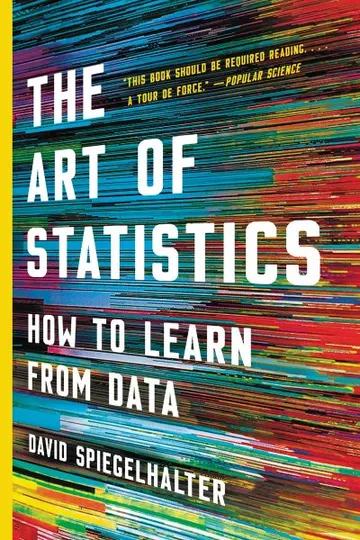
The Art of Statistics (opens Bookshop.org)
David Spiegelhalter · 2019
David Spiegelhalter, a former president of the Royal Statistical Society, explains uncertainty and interval estimates in plain language, using examples such as polls, survival figures and medical studies.
Read the news better, every morning.
We send you the day's real progress in science, medicine and beyond, told plainly and sourced. Free, forever.
Free forever, no spam. One click to unsubscribe, and we never sell your email.