The Field Guide · No. 03
Statistically significant vs. actually big: what effect size means
Effect size measures how big a difference is, which is the question that decides whether a real result actually matters in your life.
Updated
There are two different questions hiding inside every study, and headlines love to blur them. The first is: is this effect real, or could it be a fluke? The second is: if it is real, is it big enough to care about? Statistical significance answers the first. Effect size answers the second, and it is the one that usually matters most to you.
Here is why the distinction bites. With a large enough group of people, even a tiny, meaningless difference can come out "statistically significant." A pill might lower blood pressure by an amount so small no one would ever feel it, yet a study of fifty thousand people can flag that difference as real. Significant does not mean large. It means unlikely to be pure chance.
Effect size is the number that tells you how much. A drug that adds two weeks of life and a drug that adds two years of life can both be statistically significant, but they are wildly different in practice. When a study reports an effect size, or better yet a plain number like months gained or points lowered, you can judge for yourself whether it is a big deal.
So when a headline shouts that something is "significant," ask the follow-up question the headline skipped: how big is the effect? Look for the actual numbers, not just the word significant. A real but tiny effect is often not worth changing your life over, and knowing the difference is most of what it takes to read health news well.
What to remember
- Statistical significance asks "is it real?" Effect size asks "is it big enough to matter?"
- With a huge sample, even a trivial difference can be statistically significant.
- Look for the actual size of the effect, in real units, not just the word "significant."
From the record
Practical significance refers to the magnitude of the difference, which is known as the effect size. Results are practically significant when the difference is large enough to be meaningful in real life.
Asked often
Can something be statistically significant but not matter?
Yes, and it happens often. A very large study can detect a real but tiny effect and label it significant. Whether that effect is large enough to change anything in real life is a separate question, answered by the effect size.
What number should I look for?
Look for the size of the effect in plain terms: how many points, how many months, how many percentage points. If a report only says "significant" without a magnitude, you cannot tell whether it matters.
Further reading
Go deeper
Paid link. If you buy a book through this link, Bookshop.org pays us a small commission and sends a share of the sale to independent bookstores.
-
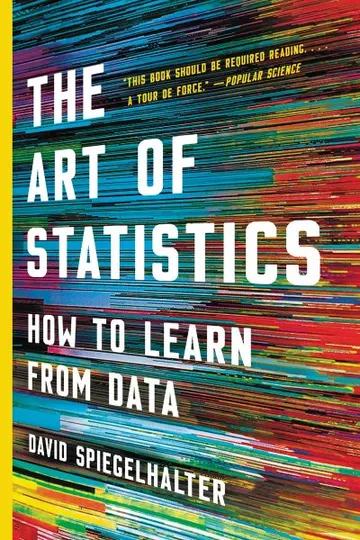
The Art of Statistics (opens Bookshop.org)
David Spiegelhalter · 2019
Cambridge statistician David Spiegelhalter uses real cases, from Harold Shipman to hospital death rates, to show how to judge whether a measured difference is large enough to matter.
Read the news better, every morning.
We send you the day's real progress in science, medicine and beyond, told plainly and sourced. Free, forever.
Free forever, no spam. One click to unsubscribe, and we never sell your email.