Lifesavers · No. 14
Tobacco control
Turning a whole society against cigarettes is estimated to have avoided about 8 million premature deaths in the United States alone between 1964 and 2012.
Updated
A US-only estimate (Holford et al., JAMA 2014) crediting tobacco control since the 1964 Surgeon General's report; the same study counted 157 million years of life saved. The worldwide total is far larger but is not tallied in one figure.
How it saves lives
Cigarettes kill slowly, through cancers, heart disease and lung disease that build over decades. Tobacco control treats none of that. It stops the smoking from starting, by making cigarettes less appealing, less convenient and less normal: blunt warning labels, bans on advertising and on smoking indoors, higher taxes, and help for people who want to quit. Fewer people start, more people stop, and the deaths that smoking would have caused simply never happen.
The story
In January 1964 the US Surgeon General stood up and said plainly that smoking causes lung cancer, at a time when roughly half of American men smoked. It began a long, unglamorous campaign of warning labels, lawsuits, advertising bans, indoor-smoking rules and taxes. Decades later, researchers put a number on what that campaign was worth. Comparing what happened against what would have happened if smoking had kept climbing, they estimated tobacco control avoided about 8 million premature deaths in the United States between 1964 and 2012, and saved 157 million years of life, close to twenty years for each person spared. It is one of the largest public-health wins ever measured, and it is not finished. Smoking still kills more people than almost anything else we know how to prevent.
From the record
Tobacco control was estimated to be associated with avoidance of 8 million premature deaths and an estimated extended mean life span of 19 to 20 years.
From the record
This resulted in an estimated 157 million years ... of life saved, a mean of 19.6 years for each beneficiary
Asked often
How many lives has tobacco control saved?
A 2014 study in JAMA estimated that tobacco control avoided about 8 million premature deaths in the United States between 1964 and 2012, compared with what would have happened if smoking rates had kept rising. That work also saved an estimated 157 million years of life.
What counts as tobacco control?
Everything that pushed smoking down after 1964: blunt warning labels, bans on cigarette advertising, smoke-free workplaces and restaurants, higher tobacco taxes, and programs that help people quit. No single measure did it; together they reshaped how a whole society treats smoking.
Further reading
Read the whole story
Paid links. If you buy a book through these links, Bookshop.org pays us a small commission and sends a share of the sale to independent bookstores.
-
The history
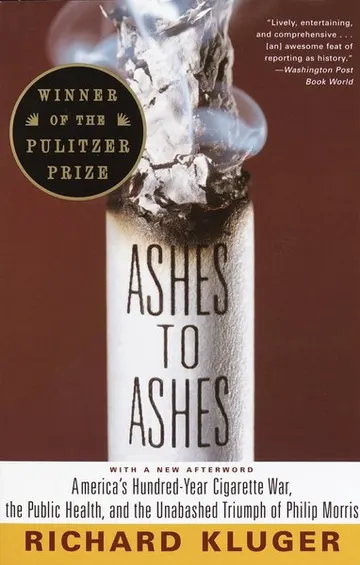
Ashes to Ashes (opens Bookshop.org)
Richard Kluger · 1996
Richard Kluger's Pulitzer Prize winning history covers the cigarette industry, the science linking smoking to cancer, the 1964 Surgeon General's report and the fight to regulate tobacco.
-
The history
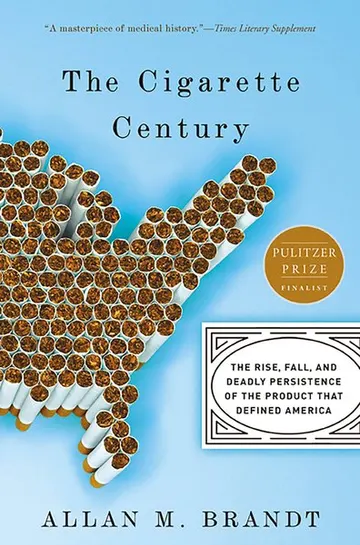
The Cigarette Century (opens Bookshop.org)
Allan M. Brandt · 2007
Harvard historian Allan Brandt traces how cigarettes became a mass product, how the industry answered the evidence of harm, and how public health campaigns pushed back.
The next one is being invented now.
We send you the day's real progress every morning: the breakthroughs, the wins nobody headlined, the proof it's still happening. Free, forever.
Free for good. One click to leave.