Lifesavers · No. 15
Family planning
Letting women choose whether and when to have children averted an estimated 272,040 maternal deaths in one year, a 44 percent drop in the toll of pregnancy and childbirth.
Updated
A one-year figure across 172 countries (Ahmed et al., The Lancet, 2012), a 44% reduction in maternal deaths that year. Meeting the unmet need for contraception could prevent about 104,000 more each year. It is not a cumulative all-time total.
How it saves lives
Every pregnancy carries some risk of death, from bleeding, infection, unsafe abortion, or the complications of labour, and that risk stacks up with each additional pregnancy. Contraception saves lives in the most direct way there is: by preventing pregnancies a woman does not want, it removes the risk those pregnancies would have carried. It also lets mothers space births further apart, which is safer for both mother and baby.
The story
For most of history a woman had little say over how many times she would risk her life giving birth. Reliable contraception changed that, and the effect on survival turned out to be enormous. Studying 172 countries, researchers estimated that in 2008 alone contraceptive use prevented 272,040 mothers from dying, a 44 percent cut in maternal deaths for that year. Without it, they found, the toll would have been nearly double. They also estimated that meeting the unmet need of women who want contraception but cannot get it would save about 104,000 more mothers every year. These are quiet lives saved, deaths that simply never happened, which is part of why this lifesaver is so easy to overlook.
From the record
contraceptive use averted 272,040 (uncertainty interval 127,937-407,134) maternal deaths (44% reduction)
From the record
Satisfying unmet need for contraception could prevent another 104,000 maternal deaths per year (29% reduction).
From the record
use of contraception is a substantial and effective primary prevention strategy to reduce maternal mortality in developing countries
Asked often
How many lives does family planning save?
A 2012 study in The Lancet estimated that in 2008 contraceptive use averted 272,040 maternal deaths, a 44 percent reduction in the number of women who died from causes related to pregnancy and childbirth that year. The authors estimated that meeting unmet need for contraception could prevent about 104,000 more maternal deaths each year.
How does contraception reduce maternal deaths?
Every pregnancy carries a risk of death, so preventing unwanted pregnancies removes that risk entirely, and spacing births further apart makes each one safer. The Lancet study concluded that contraception is a substantial and effective way to reduce maternal mortality, especially in developing countries.
Further reading
Read the whole story
Paid links. If you buy a book through these links, Bookshop.org pays us a small commission and sends a share of the sale to independent bookstores.
-
The history
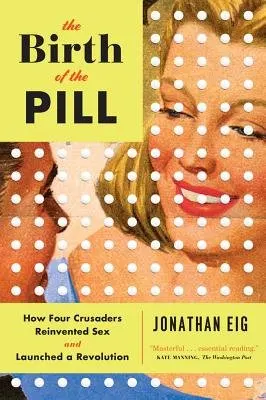
The Birth of the Pill (opens Bookshop.org)
Jonathan Eig · 2014
Jonathan Eig follows Margaret Sanger, Katharine McCormick, Gregory Pincus and John Rock from the 1950s laboratory work to the Pill's approval by the FDA in 1960.
-
The history
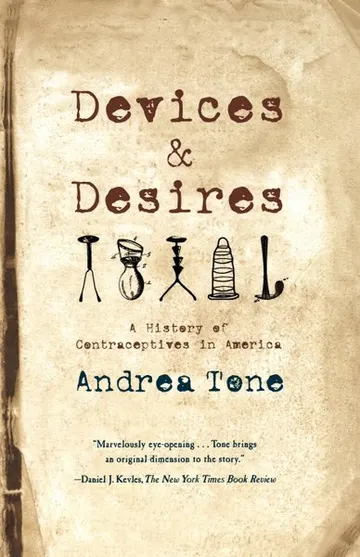
Devices and Desires (opens Bookshop.org)
Andrea Tone · 2001
Historian Andrea Tone covers American contraception from the Comstock laws of the 1870s through condoms, diaphragms and the Pill, and the makers and reformers behind them.
The next one is being invented now.
We send you the day's real progress every morning: the breakthroughs, the wins nobody headlined, the proof it's still happening. Free, forever.
Free for good. One click to leave.