The Field Guide · No. 05
Preprint vs. peer review: how vetted is this study?
A preprint is a study posted before independent experts have vetted it, while peer review is that vetting step, so preprints deserve extra caution.
Updated
Not every study you read about has been checked by other scientists yet. A preprint is a paper the authors have posted publicly before it has gone through peer review, the process where independent experts in the field examine the work and push back on it. Preprints exist for a good reason: they let findings spread fast, which matters during things like a fast-moving outbreak. But fast and vetted are not the same.
Peer review is the quality-control step. Other researchers, usually anonymous, read the paper and look for flaws, missing controls, overstated claims, or numbers that do not add up. It is not perfect and it does not catch everything, but it is a real filter. A peer-reviewed paper has survived at least one round of experts trying to poke holes in it. A preprint has not.
This matters because a preprint can be excellent or it can be badly flawed, and from the outside you often cannot tell. During big news moments, a dramatic preprint can rocket around social media and into headlines before anyone qualified has checked whether it holds up. Sometimes the claims survive review. Sometimes they quietly fall apart.
So when a study makes news, look for whether it has been peer reviewed and in what journal. If it is a preprint, treat the findings as provisional, interesting but not settled. The word preprint is not a red flag by itself. It is just a signal to hold the conclusions a little more loosely until the experts have had their turn.
What to remember
- A preprint is posted before peer review; peer review is the expert check that comes after.
- Preprints spread findings fast but have not yet been vetted, so treat them as provisional.
- Check whether a study is peer reviewed and where before treating its claims as settled.
From the record
Preprints are complete and public drafts of scientific documents, not yet certified by peer review.
Asked often
Does "preprint" mean the study is wrong?
No. A preprint can be perfectly sound. It simply has not been checked by independent experts yet, so you should treat its conclusions as provisional until it is peer reviewed.
How do I know if a study was peer reviewed?
Check whether it was published in a journal and named as such. Preprints usually live on servers like bioRxiv or medRxiv and are labeled as preprints. If coverage does not say, that itself is a reason to be cautious.
Further reading
Go deeper
Paid link. If you buy a book through this link, Bookshop.org pays us a small commission and sends a share of the sale to independent bookstores.
-
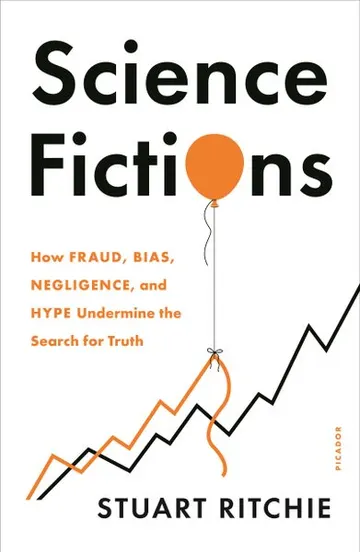
Science Fictions (opens Bookshop.org)
Stuart Ritchie · 2020
Psychologist Stuart Ritchie examines how peer review works and fails, alongside fraud, bias and hype in published research, using named cases from psychology and medicine.
Read the news better, every morning.
We send you the day's real progress in science, medicine and beyond, told plainly and sourced. Free, forever.
Free forever, no spam. One click to unsubscribe, and we never sell your email.