The Field Guide · No. 01
What phase 1, 2, and 3 clinical trials actually mean
Phase 1 tests whether a drug is safe, phase 2 tests whether it works, and phase 3 confirms both in a large group before approval.
Updated
When a headline says a new drug is in a clinical trial, the phase tells you how far along it is and how much you should trust the result. The phases run in order, and each one asks a bigger question than the last. Early phases are mostly about safety. Later phases are about whether the drug actually helps.
Phase 1 is small, often a few dozen people, and it mostly asks one thing: is this safe, and what dose can a person handle? A phase 1 win means the drug did not hurt the volunteers at the doses tested. It does not mean the drug works. Phase 2 brings in more people who have the condition and starts to ask whether the drug does anything useful, while still watching safety closely.
Phase 3 is the big one. It enrolls hundreds to thousands of people, often at many hospitals, and compares the new drug against the current standard or a placebo. This is the phase that produces the strong evidence regulators use to decide on approval. Most drugs never make it this far, which is worth remembering when an early-phase result gets breathless coverage.
So when you read the news, find the phase before you get excited. A phase 1 or phase 2 result is a promising early signal, not a proven treatment. A large phase 3 result that a drug helped is the kind of finding that changes practice. The phase is the single fastest way to calibrate how much weight a study deserves.
The phases side by side
The FDA lists four phases of drug trials. The table gives its typical size and length for each, what each phase is built to answer, and the share of drugs that cleared each step in an industry analysis of 2011 to 2020.
| Phase | People | Length | What it asks | Moved on |
|---|---|---|---|---|
| Phase 1 | 20 to 100 healthy volunteers or people with the disease | Several months | Is it safe, and what dose can people take? | 52.0% |
| Phase 2 | Up to several hundred people with the disease | Several months to 2 years | Does it seem to work, and what are the side effects? | 28.9% |
| Phase 3 | 300 to 3,000 people with the disease | 1 to 4 years | Does it offer a real treatment benefit? Rarer side effects show up here. | 57.8% |
| Phase 4 | Several thousand people with the disease | Not given | After approval: what are the long-term risks, benefits and best use? | Not applicable |
Phase 1 is small because its first job is to learn whether people tolerate the drug at all. It also passes more drugs than phase 2 partly because a drug does not have to work to move on. The same report cautions that phase 1 rates may look better than they are, because some larger companies do not publicly report phase 1 programs that fail.
Phase 0
A few drugs get a step before phase 1. ClinicalTrials.gov, the registry run by the National Library of Medicine, now lists it as Early Phase 1 and notes that it was formerly called Phase 0. It describes these as exploratory trials with very limited human exposure and no therapeutic or diagnostic intent, and gives screening studies and microdose studies as examples.
Because nobody is being treated, a phase 0 result cannot show that a drug helps. It is a first look at the drug in people.
Phase 4
Phase 4 starts after the FDA has approved a drug. The FDA describes these trials as part of post-market safety monitoring. The National Cancer Institute adds that they look at long-term safety and effectiveness in large, diverse groups, and that more information builds up as more people use the drug for longer.
Phase 3 trials are larger and longer than earlier ones, which the FDA says makes them more likely to show long-term or rare side effects. Monitoring after approval keeps watching for what even those trials missed.
Phase 1/2 and phase 2/3
Some trials are labeled with two phases. ClinicalTrials.gov says plainly that some trials are considered more than one phase, and its list includes Phase 1/Phase 2 and Phase 2/Phase 3 as trials that combine the two.
The National Cancer Institute explains what that looks like. In a phase 1/2 trial, the first part tests safety, side effects and the best dose, and in the second part patients usually receive the highest dose that did not cause harmful side effects. A phase 2/3 trial tests how well the treatment works and compares it with a standard treatment. Combining phases, the institute says, may allow research questions to be answered more quickly or with fewer patients.
When a headline reports a phase 2/3 or phase 1/2 trial, check which part the result comes from. An early readout from the phase 2 half is a phase 2 result.
Phase 2a and phase 2b
Phase 2 often splits into two stages. A paper on trial design describes phase 2 as usually including several studies, among them a proof-of-concept study called phase IIa and a dose-finding study called phase IIb.
The phase 2a study is usually run to demonstrate efficacy in a small number of patients, with the main result measured relatively early after dosing. If it does, a phase 2b study is often run with relatively more patients to assess efficacy and safety and to find the best dose or doses for the phase 3 trials.
ClinicalTrials.gov’s phase list has no 2a or 2b, so a registered trial appears there as Phase 2. The letters are descriptive labels the registry does not use, so look at the size and design of the trial as well as the letter.
How many drugs make it through
BIO, Informa Pharma Intelligence and QLS Advisors followed drug programs from 2011 to 2020. Across all diseases, 52.0% moved from phase 1 to phase 2, 28.9% from phase 2 to phase 3, and 57.8% from phase 3 to a filing with the FDA. Of the drugs that were filed, 90.6% were approved. Multiplied together, only 7.9% of programs that started phase 1 reached approval.
The report calls phase 2 the largest hurdle in drug development. It is generally the first stage where proof of concept is tested in people, and it is also where a company decides whether to fund a large, expensive phase 3 trial or stop.
The FDA’s own page gives older and rounder figures: approximately 70% of drugs moving on from phase 1, about 33% from phase 2, and 25 to 30% from phase 3. It does not say which years or drugs those cover, so treat both sets as rough guides.
What cancer trials do differently
For a drug meant for cancer patients, the FDA says phase 1 studies are run in patients with that type of cancer, not in healthy volunteers. The National Cancer Institute gives its own figures for cancer trials: around 15 to 30 people in phase 1, where researchers also look for the highest dose people can tolerate, and 50 to 100 in phase 2, where the question is whether the treatment shrinks tumors or slows their growth.
Phase 3 cancer trials compare the new treatment with the current standard therapy, and participants are randomly assigned. Placebos are rarely used in cancer treatment trials, because most patients receive an approved standard treatment instead. Phase 3 sizes run from 100 to several thousand people.
The success rates are lower too. In the 2011 to 2020 data, 5.3% of oncology programs starting phase 1 were approved, against 9.3% for other diseases. Oncology programs moved from phase 2 to phase 3 24.6% of the time, and fewer than half cleared phase 3. Immuno-oncology drugs did better, with 12.4% approved. One step went the other way: 92.0% of cancer drugs reaching FDA review were approved, slightly above the 90.2% for other drugs.
What to remember
- Phase 1 = is it safe? Small group, often healthy volunteers, no proof it works yet.
- Phase 2 = does it seem to work? Larger group with the condition, still watching safety.
- Phase 3 = does it really work? Hundreds to thousands of people, the evidence used for approval.
- Labels like phase 1/2 or phase 2/3 mean one trial doing the work of two phases. Check which part the result comes from.
- Phase 2 is where most drugs drop out: 28.9% of drugs moved on from it in 2011 to 2020, and 7.9% of drugs that started phase 1 were approved.
From the record
Phase I drug trials assess the safety of the investigational drug. These trials help determine a safe dose range and identify any adverse effects associated with the new drug.
Asked often
Does a successful phase 1 trial mean a drug works?
No. Phase 1 mainly checks that the drug is safe and finds a workable dose, often in a small group of healthy volunteers. Whether it actually treats the disease is the job of phase 2 and phase 3.
Which phase should make me pay attention?
Phase 3. A large phase 3 trial comparing the drug against a placebo or the current standard is the strongest evidence a treatment helps, and it is what regulators rely on for approval.
What does a phase 2/3 trial mean?
It is one trial that combines phase 2 and phase 3. The National Cancer Institute says it tests how well a new treatment works and compares it with a standard treatment, and that combining the phases may answer research questions more quickly or with fewer patients. A phase 1/2 trial likewise combines a safety and dosing study with an early test of whether the treatment works.
What is a phase 2b trial?
Phase 2 is often split into 2a and 2b. Phase 2a is usually a proof-of-concept study in a small number of patients, and phase 2b is a larger study, often run afterward, that assesses efficacy and safety and looks for the best dose or doses for phase 3. The letters are not part of the ClinicalTrials.gov phase list, where such a trial appears as Phase 2.
What is a phase 0 clinical trial?
ClinicalTrials.gov calls it Early Phase 1 and says it was formerly listed as Phase 0. These are exploratory trials with very limited human exposure and no therapeutic or diagnostic intent, such as microdose studies.
What is a phase 4 trial?
A phase 4 trial takes place after the FDA has approved a drug. It monitors safety and effectiveness as many more people use the drug over a longer period.
How long does each phase take?
The FDA gives typical lengths of several months for phase 1, several months to 2 years for phase 2, and 1 to 4 years for phase 3. It does not give a length for phase 4.
How many people are in each phase?
The FDA lists 20 to 100 people for phase 1, up to several hundred for phase 2, and 300 to 3,000 for phase 3, with several thousand in phase 4. The National Cancer Institute gives lower numbers for cancer trials: around 15 to 30 in phase 1, 50 to 100 in phase 2, and 100 to several thousand in phase 3.
What percentage of drugs pass each clinical trial phase?
In a study of drug programs from 2011 to 2020 by BIO, Informa and QLS Advisors, 52.0% moved from phase 1 to phase 2, 28.9% from phase 2 to phase 3, and 57.8% from phase 3 to an FDA filing. Of the filed drugs, 90.6% were approved, and 7.9% of programs that started phase 1 ended in approval. The FDA’s page gives older approximations of about 70%, 33%, and 25 to 30%.
How are cancer clinical trial phases different?
Phase 1 trials of cancer drugs enroll patients with the cancer, not healthy volunteers, and cancer trials usually compare the new treatment with standard therapy and seldom use a placebo. Fewer cancer drugs make it through: 5.3% of oncology programs that started phase 1 in 2011 to 2020 were approved, against 9.3% for other diseases.
Further reading
Go deeper
Paid link. If you buy a book through this link, Bookshop.org pays us a small commission and sends a share of the sale to independent bookstores.
-
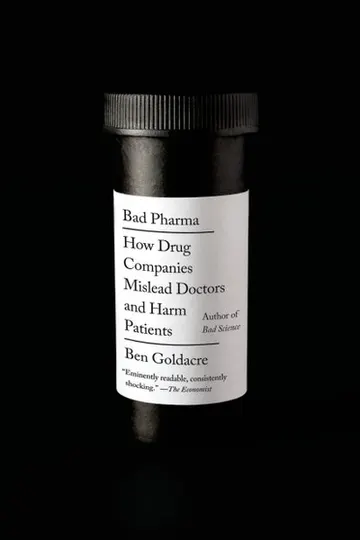
Bad Pharma (opens Bookshop.org)
Ben Goldacre · 2012
Ben Goldacre, a physician and epidemiologist, explains how drug trials are designed, run, reported and sometimes buried, from early safety testing to the large trials regulators rely on.
Read the news better, every morning.
We send you the day's real progress in science, medicine and beyond, told plainly and sourced. Free, forever.
Free forever, no spam. One click to unsubscribe, and we never sell your email.