Lifesavers · No. 28
The hepatitis B vaccine
Hepatitis B vaccination has averted an estimated 7 million deaths among children born between 1990 and 2014 across the Western Pacific alone, the region hit hardest by the disease.
Updated
A regional figure for the WHO Western Pacific Region, which includes China and carries a large share of the world's hepatitis B burden, not a global count. WHO has not published a single figure covering all regions. Worldwide, hepatitis B still caused an estimated 1.1 million deaths in 2024, mostly from liver cirrhosis and cancer.
How it saves lives
Hepatitis B spreads through blood and body fluids and, left unchecked, causes chronic liver infections that can progress silently over decades into cirrhosis or liver cancer. Infection acquired at birth or in early childhood is the most dangerous, because it is the most likely to become lifelong. The vaccine, usually given as a first dose within 24 hours of birth followed by two or three more, trains the immune system to block the virus before it can take hold, closing off that path to chronic disease entirely.
The story
Before routine vaccination, hepatitis B quietly infected hundreds of millions of people, many of them infected as infants without ever knowing it until liver disease caught up with them decades later. The World Health Organization's Western Pacific region, home to some of the highest hepatitis B rates in the world, built its immunization programs around stopping that transmission at birth. By 2016, health officials could tally the result: vaccination had averted an estimated 7 million deaths among children born in the region between 1990 and 2014, one of the largest measured effects of any single vaccine.
From the record
New data shows that hepatitis B vaccination across the Western Pacific has averted 7 million deaths that would have occurred among children born between 1990 and 2014.
Asked often
How many deaths has hepatitis B vaccination prevented?
The World Health Organization estimated in 2016 that hepatitis B vaccination had averted 7 million deaths among children born between 1990 and 2014 across its Western Pacific Region alone, one of the hardest-hit parts of the world. A global count would be larger, though WHO has not published one figure covering all regions.
How does the hepatitis B vaccine work?
It is usually given as a first dose within 24 hours of birth, followed by two or three more doses in infancy. Each dose trains the immune system to recognize the virus, so that if the child is later exposed, most often from an infected mother during birth, the body can block infection before it becomes chronic.
Further reading
Read the whole story
Paid link. If you buy a book through this link, Bookshop.org pays us a small commission and sends a share of the sale to independent bookstores.
-
Biography
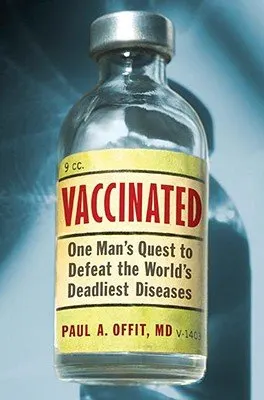
Vaccinated (opens Bookshop.org)
Paul A. Offit · 2007
Paul Offit profiles Maurice Hilleman, whose team at Merck made the first plasma-derived hepatitis B vaccine in the early 1980s, alongside his many other vaccines.
The next one is being invented now.
We send you the day's real progress every morning: the breakthroughs, the wins nobody headlined, the proof it's still happening. Free, forever.
Free for good. One click to leave.