The Field Guide · No. 42
Levels of evidence: how to weigh a study before you trust it
Levels-of-evidence systems rank study designs by how much they can be trusted, from systematic reviews of randomized trials at the top to case reports and mechanism-based reasoning at the bottom.
Updated
Not all evidence is equal, and "a study found" can mean wildly different things depending on how that study was done. Levels-of-evidence systems exist to sort study designs by how much they are worth trusting, from a systematic review of many randomized trials at the strong end down to a single case report or a plausible mechanism at the weak end. Knowing roughly where a claim sits on that ladder is one of the fastest ways to judge a headline before reading past it.
Oxford's widely used levels of evidence, from the university's evidence-based medicine group, run, for a question about whether a treatment helps, from a systematic review of randomized trials at level 1, down through a single randomized trial or an observational study with a dramatic effect at level 2, a non-randomized cohort study at level 3, case series and case-control studies at level 4, to reasoning from a proposed biological mechanism at level 5. The ladder is a shortcut for finding the best evidence quickly, not a guarantee about any single study.
Two traps follow. First, the Oxford framework itself warns that a lower rung can beat a higher one: an observational study showing a dramatic effect can be more convincing than a systematic review of a few small, inconclusive trials. Second, a bare label like "randomized trial" is not the end of the analysis. The GRADE framework, now used by guideline bodies worldwide, grades evidence up or down on top of the study design, and its authors point to hormone replacement therapy and the heart drugs encainide and flecainide as cases where evidence later shown to be low quality was initially treated as solid, a mistake they say cost lives before randomized trials caught the error.
So when a claim is attached to a study, ask two questions before the headline number matters at all: what kind of study was it, and how many times has the finding been checked? GRADE's own scale runs from high quality, where further research is unlikely to change the estimate, down to very low quality, where any estimate is highly uncertain. Neither ladder hands you a final verdict on its own; both are a starting point for judging how much weight a single study or a single headline deserves.
Which box to open first
The Oxford group calls its levels a hierarchy of the likely best evidence, built as a short cut for busy clinicians, researchers or patients. Its analogy: imagine deciding about a treatment in a few minutes, with five boxes each holding a different type of evidence. For treatment benefits and harms, systematic reviews of randomized trials have been shown to provide the most reliable answers, so you open that box first. If it is empty, you move on to individual randomized trials, and so on down the levels.
Grading up and down
The level a study starts at is not where it has to stay. Oxford notes that a level may be graded down because of study quality, imprecision, indirectness, inconsistency between studies, or because the absolute effect size is very small, and graded up if there is a large or very large effect size.
What the four GRADE grades mean
GRADE defines high quality as evidence where further research is very unlikely to change our confidence in the estimate of effect. Moderate quality means further research is likely to have an important impact and may change the estimate. Low quality means further research is very likely to have an important impact and is likely to change the estimate. Very low quality means any estimate of effect is very uncertain.
GRADE also grades the recommendation, as strong or weak. High-quality evidence that the desirable effects clearly outweigh the undesirable ones, or clearly do not, warrants a strong recommendation, while uncertainty about the trade-offs, whether from low-quality evidence or a close balance, warrants a weak one.
What to remember
- Levels-of-evidence systems rank study designs by how much they can be trusted, from systematic reviews of randomized trials down to case reports and mechanism-based reasoning.
- A lower-level study is not automatically wrong: the Oxford framework itself warns a dramatic observational effect can outweigh an inconclusive systematic review.
- GRADE grades evidence high, moderate, low, or very low, and its authors cite hormone replacement therapy and the CAST antiarrhythmic trial as cases where low-quality evidence was mistaken for solid ground.
From the record
High quality - Further research is very unlikely to change our confidence in the estimate of effect...Very low quality - Any estimate of effect is very uncertain.
Asked often
What is the highest level of evidence for whether a treatment works?
Under Oxford's widely used levels of evidence, it is a systematic review of randomized trials, followed by a single randomized trial or, in unusual cases, an observational study showing a dramatic effect. Case series, case-control studies, and reasoning from a biological mechanism sit at the bottom, though the framework itself warns a lower-level study can still outweigh a weak higher-level one.
What does GRADE add on top of the type of study?
GRADE grades the quality of evidence as high, moderate, low, or very low based on more than just study design, including how consistent the results are and how precise the estimate is. Its authors point to hormone replacement therapy and the heart drugs encainide and flecainide as real cases where evidence that was really low quality got treated as solid, with costly results before randomized trials corrected the record.
What is the difference between a level of evidence and a grade of evidence?
A level, as in the Oxford scheme, ranks the type of study, from systematic reviews of randomized trials down to mechanism-based reasoning. A GRADE grade rates how confident we can be in the estimate of effect, from high to very low, and can move up or down from the study design based on quality, consistency and precision.
Further reading
Go deeper
Paid link. If you buy a book through this link, Bookshop.org pays us a small commission and sends a share of the sale to independent bookstores.
-
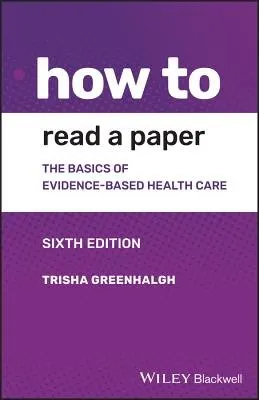
How to Read a Paper (opens Bookshop.org)
Trisha Greenhalgh · 2019
Trisha Greenhalgh's standard guide to evidence-based medicine explains how different study designs are ranked and appraised, from case reports to systematic reviews.
Read the news better, every morning.
We send you the day's real progress in science, medicine and beyond, told plainly and sourced. Free, forever.
Free forever, no spam. One click to unsubscribe, and we never sell your email.