The Field Guide · No. 31
Intention to treat: why dropouts still count in the result
Intention to treat means every participant is counted in the group they were originally randomly assigned to, even if they dropped out or switched treatments.
Updated
Intention to treat is a rule for analyzing a randomized trial: every participant is counted in the group they were originally assigned to at random, no matter what happened afterward, including if they stopped the treatment, switched groups, or never finished the study. The alternative, comparing only the people who actually completed their assigned treatment, is called a per-protocol analysis, and it can look far more flattering for a treatment while being far less trustworthy.
The reason intention to treat matters becomes clear once dropout is uneven. If people quit a trial's drug arm because of side effects, or because the drug was not working, and a per-protocol analysis drops them from the comparison, the drug arm left standing is a healthier, more compliant group than the one that was originally randomized, no longer a fair match for the comparison group. Intention to treat keeps that original random assignment, and the fairness it bought, intact.
Two traps follow. First, a trial can describe its analysis as intention to treat without actually including every randomized participant, a gap serious enough that reviewers of major trials have found reports claiming the label while quietly excluding patients who did not comply. Second, intention to treat tends to understate a treatment's effect among people who actually take it as directed, since it is measuring the effect of being assigned the treatment, not the effect of receiving it, which is a different and sometimes more useful question.
When a trial reports its results, check explicitly whether the analysis included every randomized participant in their original group or only those who completed the protocol as assigned. A large gap between the number randomized and the number analyzed is worth noticing on its own. Pair an intention-to-treat result with a look at any per-protocol figures the trial also reports, since a wide difference between the two often points to meaningful dropout.
What to remember
- Intention to treat counts every participant in the group they were originally randomly assigned to, regardless of what they did.
- A per-protocol analysis, which drops noncompliant participants, can flatter a treatment by removing its worst outcomes.
- A large gap between the number randomized and the number analyzed signals dropout that intention to treat accounts for.
From the record
all participants were included in the analysis in the groups to which they were originally assigned (intention-to-treat analysis)
Asked often
What is the difference between intention to treat and per-protocol analysis?
Intention to treat keeps every randomized participant in their original group no matter what happened afterward, while per-protocol analysis compares only the participants who actually followed their assigned treatment. Per-protocol analysis can make a treatment look more effective by dropping the participants who quit or struggled, breaking the fair comparison random assignment was meant to create.
Why do trials sometimes claim intention to treat without truly using it?
Reviewers of published trial reports have found that a meaningful share of studies describing their analysis as intention to treat had, in fact, excluded some randomized patients or failed to analyze everyone as assigned. Checking how many originally randomized participants actually appear in the reported result is worth doing directly.
Further reading
Go deeper
Paid link. If you buy a book through this link, Bookshop.org pays us a small commission and sends a share of the sale to independent bookstores.
-
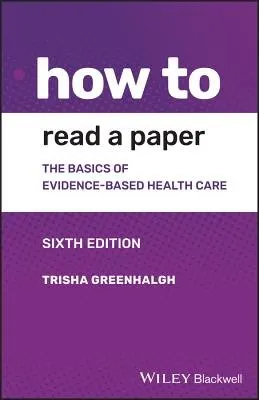
How to Read a Paper (opens Bookshop.org)
Trisha Greenhalgh · 2019
Trisha Greenhalgh, a professor of primary care at Oxford, explains how to appraise a randomized trial, including why analysis by original group assignment matters.
Read the news better, every morning.
We send you the day's real progress in science, medicine and beyond, told plainly and sourced. Free, forever.
Free forever, no spam. One click to unsubscribe, and we never sell your email.