The Field Guide · No. 27
Attrition bias: what the dropouts would have told you
Attrition bias happens when the people who drop out of a study are systematically different from those who stay, skewing the results left behind.
Updated
Attrition bias arises when people who leave a study before it ends differ, in some way tied to the outcome, from the people who stay in it. Some dropout is normal in almost any study that follows people over time. The bias appears when dropout is not random, and especially when it happens at different rates, or for different reasons, in the different groups being compared.
A weight-loss trial illustrates the pattern well. People who find a diet unpleasant or ineffective are more likely to quit early, while people who are doing well tend to stick around to see the result. If the treatment group loses more of its struggling participants than the comparison group does, the people remaining in the treatment group at the final measurement are no longer a fair sample of everyone who started, and the reported result flatters the treatment.
Two traps follow. First, a trial can report an impressive completion rate while still hiding a meaningful, and biased, pattern in who exactly did not finish. Second, simply comparing the people who finished each group, rather than everyone originally assigned to it, can turn a fair comparison into an unfair one, since it discards the very participants whose absence carries information about the treatment.
When a study reports its result, check how many participants dropped out of each group, whether the dropout rates differed between groups, and whether the analysis included everyone as originally assigned, an approach usually called intention to treat. A study that reports a striking benefit alongside heavy or uneven dropout deserves a second look at what happened to the people who left. Pair any completion figure with a comparison of dropout reasons across the groups.
What to remember
- Attrition bias appears when the people who drop out of a study differ, in a way tied to the outcome, from those who remain.
- Dropout that happens at different rates or for different reasons across study groups is the clearest warning sign.
- Analyzing every participant as originally assigned, rather than only those who finished, guards against the bias.
From the record
Missing measurements of the outcome may lead to bias in the intervention effect estimate.
Asked often
What is a real-world example of attrition bias?
In a weight-loss trial, participants who are struggling or seeing no benefit are more likely to quit early than participants who are doing well. If more strugglers drop out of the treatment group than the comparison group, the people still being measured at the end are no longer a fair sample of everyone who started, which flatters the reported result.
How can a reader check whether attrition bias affected a study?
Look at the dropout rate in each group and whether the reasons for leaving differed between them, not just the overall completion rate. Also check whether the analysis included every participant as originally assigned, called intention to treat, since that choice determines whether dropout can quietly bias the result.
Further reading
Go deeper
Paid link. If you buy a book through this link, Bookshop.org pays us a small commission and sends a share of the sale to independent bookstores.
-
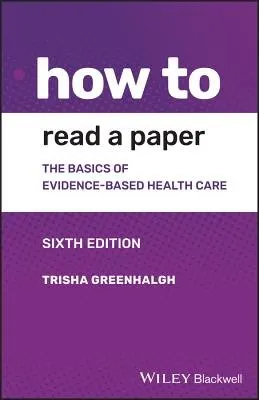
How to Read a Paper (opens Bookshop.org)
Trisha Greenhalgh · 2019
Oxford professor Trisha Greenhalgh's guide walks through how to appraise a trial, including checking who dropped out and whether the results still hold for everyone enrolled.
Read the news better, every morning.
We send you the day's real progress in science, medicine and beyond, told plainly and sourced. Free, forever.
Free forever, no spam. One click to unsubscribe, and we never sell your email.