Lifesavers · No. 22
Blood transfusion
Safe blood transfusion turned bleeding to death into a survivable emergency, and it quietly underpins modern surgery, childbirth, cancer care and trauma medicine.
Updated
How it saves lives
Lose enough blood and the body can no longer carry oxygen to its organs, and death follows fast. For centuries there was nothing to do about it. Transfusion replaces what is lost, but early attempts often killed, because mixing incompatible blood makes it clump. The discovery of blood groups explained why, and made it possible to match donor to patient safely. Add ways to stop donated blood from clotting and to store it, and a hospital can keep a supply ready for the moment it is needed.
The story
Before the twentieth century, a haemorrhage, from childbirth, an accident, or surgery, was often simply fatal, and doctors could only watch. The turning point came in 1901, when Karl Landsteiner worked out that human blood comes in incompatible types, which is why some transfusions saved lives and others killed. Once blood could be matched, stored and shared, whole fields of medicine opened up: major surgery, safe caesareans, cancer chemotherapy, and the treatment of trauma all depend on a supply of donated blood. There is no tidy figure for the lives it has saved, because it works in the background of almost everything else, but modern medicine could not function without it.
Asked often
Who discovered blood groups?
Karl Landsteiner discovered the ABO blood group system in 1901, which explained why some blood transfusions worked and others were fatal. The discovery made safe, matched transfusion possible and earned him a Nobel Prize.
Why is blood transfusion so important?
Transfusion replaces blood lost to bleeding, so it is essential to surgery, childbirth, trauma care and the treatment of cancers and blood disorders. Much of modern medicine simply could not be done safely without a supply of donated blood.
Further reading
Read the whole story
Paid link. If you buy a book through this link, Bookshop.org pays us a small commission and sends a share of the sale to independent bookstores.
-
The history
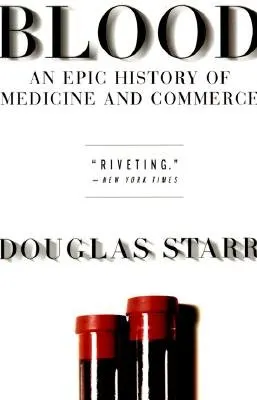
Blood (opens Bookshop.org)
Douglas Starr · 1998
Science journalist Douglas Starr covers transfusion from the 1600s through Landsteiner's blood groups, the First World War blood depots and the modern plasma trade.
The next one is being invented now.
We send you the day's real progress every morning: the breakthroughs, the wins nobody headlined, the proof it's still happening. Free, forever.
Free for good. One click to leave.