Reading list · 8 books
How to read science news
Eight books that teach the questions a good editor asks of a new study before believing it.
Paid links. If you buy a book through these links, Bookshop.org pays us a small commission and sends a share of the sale to independent bookstores.
-
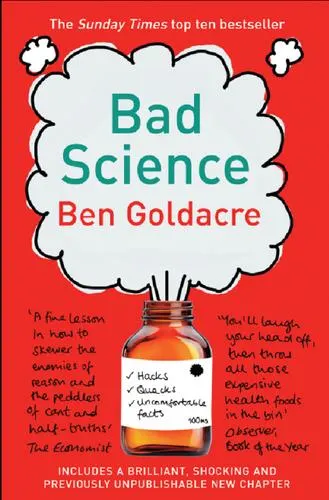
Bad Science (opens Bookshop.org)
Quacks, Hacks, and Big Pharma Flacks
Ben Goldacre · 2008
Physician Ben Goldacre dissects misleading health stories, dubious trials and pseudoscience from his Guardian column, and shows how to check a claim against the evidence.
-
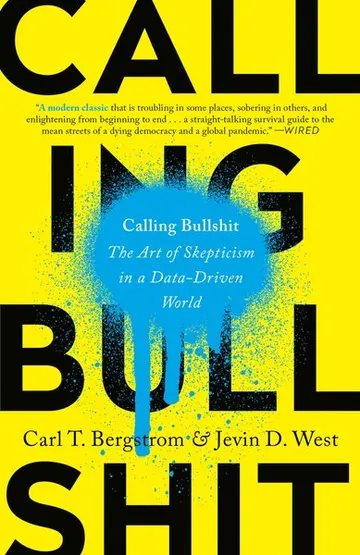
Calling Bullshit (opens Bookshop.org)
The Art of Skepticism in a Data-Driven World
Carl T. Bergstrom and Jevin D. West · 2020
Two University of Washington professors, from a course they teach, explain how misleading statistics, charts and machine learning claims work and how to spot them.
-
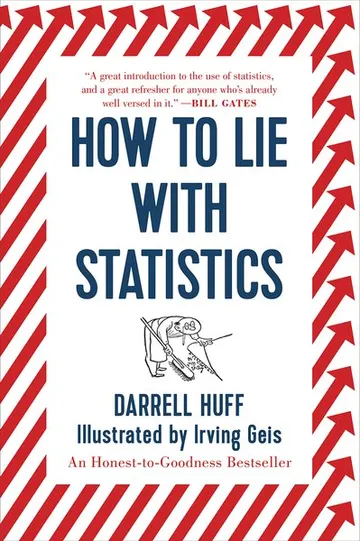
How to Lie with Statistics (opens Bookshop.org)
Darrell Huff · 1954
Darrell Huff's short 1954 classic shows how truncated axes, cherry-picked averages and samples that are too small can make numbers say what the writer wants.
-
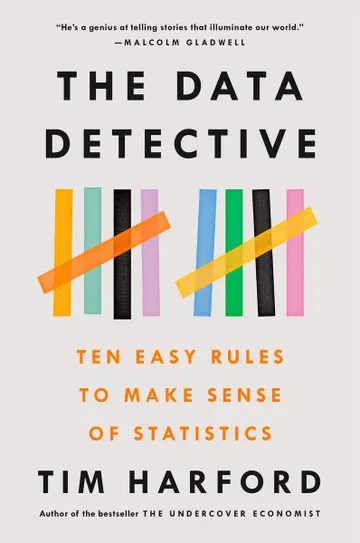
The Data Detective (opens Bookshop.org)
Ten Easy Rules to Make Sense of Statistics
Tim Harford · 2021
Financial Times economist Tim Harford offers ten rules for reading statistics in news stories, illustrated with cases such as Richard Doll's smoking research.
-
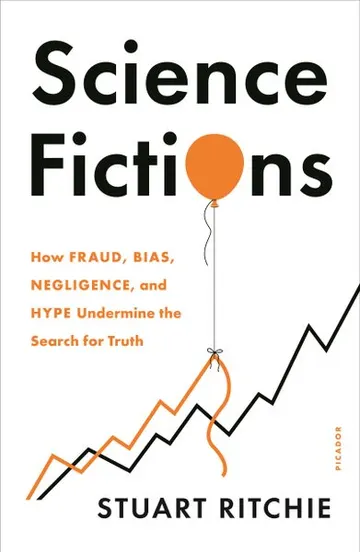
Science Fictions (opens Bookshop.org)
How Fraud, Bias, Negligence, and Hype Undermine the Search for Truth
Stuart Ritchie · 2020
Psychologist Stuart Ritchie documents the replication crisis, fraud and publication bias, so readers can judge how far to trust a single new study.
-
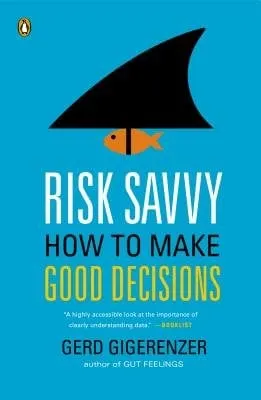
Risk Savvy (opens Bookshop.org)
How to Make Good Decisions
Gerd Gigerenzer · 2014
Psychologist Gerd Gigerenzer teaches how to read medical risk figures, such as screening statistics and relative versus absolute risk, using natural frequencies.
-
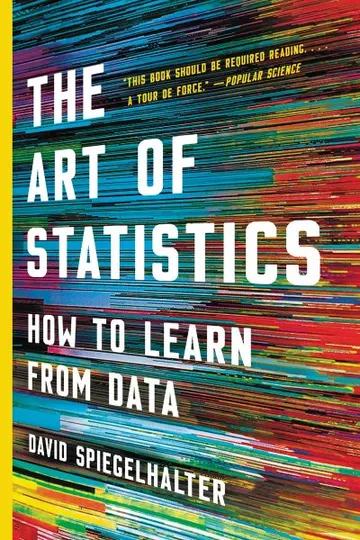
The Art of Statistics (opens Bookshop.org)
How to Learn from Data
David Spiegelhalter · 2019
Cambridge statistician David Spiegelhalter uses cases like Harold Shipman and cancer screening to show how data become conclusions and where they mislead.
-
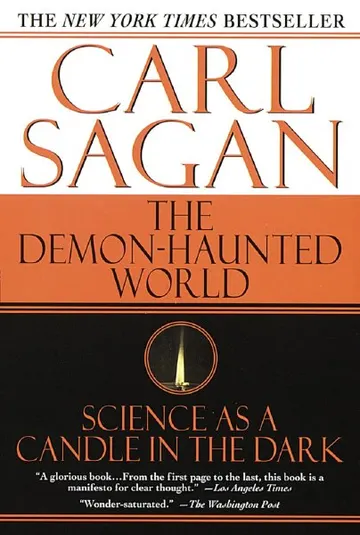
The Demon-Haunted World (opens Bookshop.org)
Science as a Candle in the Dark
Carl Sagan · 1995
Carl Sagan describes a baloney detection kit of skeptical tools for judging claims about UFOs, faith healing and pseudoscience, and defends the scientific method.
Chosen by the Today Got Better desk. No publisher pays for a place on this list. Updated September 2026.
More from the shelf

Good news with the receipts.
Every morning we send the day's real progress in science, medicine and beyond, with a link to every source. Free, forever.
Free forever, no spam. One click to unsubscribe, and we never sell your email.