

The daily brief · August 23, 2026

A melanoma vaccine that actually worked, and corneas grown from one donor

Today's science quietly argues against permanence: relapses, shortages, and even lost memories keep turning out to be less final than they looked.

  • 8 Discoveries
  • 922 Articles read
  • 61 Sources
  • 10 Min read

Today’s discoveries

Everything this morning found, in the order we would read it.

8 stories
  1. 01 Natural Sci. A cancer vaccine that finally delivered results Moderna announced on August 19 that people who'd had surgery for high-risk melanoma stayed cancer-free longer when given a personalized mRNA vaccine alongside the immunotherapy drug… Source: New Scientist 1 min read
  2. 02 Natural Sci. One donated cornea, hundreds of implants Roughly 70 people go without a cornea transplant for every one that happens, and 12 to 15 million people worldwide are waiting on donor tissue that doesn't exist. Source: Live Science 1 min read
  3. 03 Life Sciences Brain tissue that grows old the slow, real way A Harvard team led by Paola Arlotta kept lab-grown clusters of human brain tissue, called organoids, alive and developing for nearly six years, tracking their gene activity, biological… Source: NIH News Releases 1 min read
  4. 04 Life Sciences A cricket that can smell a bat coming Bats and crickets have been locked in an arms race for millions of years, one built almost entirely around sound: bats echolocate, crickets evolved ears to hear them coming. Source: eLife 1 min read
  5. 05 Technology The memories mice weren't supposed to keep Researchers at Japan's Okinawa Institute of Science and Technology put mice into artificial hibernation and watched them lose roughly half their synapses, the tiny connections between… Source: SingularityHub 1 min read
  6. 06 Social Sci. The Basque factory town where the workers own the company Mondragón Corporation, headquartered in Spain's Basque Country, pulled in €11.3 billion in revenue and more than €600 million in profit in 2025, and none of it went to a small group of… Source: Reasons to be Cheerful 1 min read
  7. 07 Plant-Based The grocery cart where vegan is the cheap choice An analysis of nine major Dutch supermarkets found that a basket of plant-based staples, vegan mince, burgers, butter, milk, yoghurt, and cheese, now costs Dutch shoppers 18 percent less… Source: Green Queen 1 min read
  8. 08 Human Stories What earthworms sound like when they eat Earthworms have no mouth in any recognizable sense, no way to make sound on purpose, and no ears. Source: Aeon 1 min read

The feel-good story of the day

a cave diver emerging from water with rescue equipment NASA (via rawpixel)
Pictured a cave diver emerging from water with rescue equipment

Fifteen days in the dark, and someone kept looking

Erasto Crisanto Valdez, 31, was fishing with his father near San Francisco La Paz in eastern Mexico on July 23 when he wandered into an unmapped underwater cave system and didn't come out. His father searched, then called for help. What followed was more than a week of Navy divers and volunteers fighting a cave with visibility under a meter, sharp rock, and almost nowhere safe to run a guide line. By the time cave diver Harry Gust joined the search, the mission had quietly become a recovery effort in everyone's mind but his.

Gust spent 75 minutes in the dark on his first dive and found a spare air tank 100 meters in, proof Valdez had gone farther than anyone thought. He went back the next day, pushed past it, and found a large dry chamber. He called into the darkness. A voice answered: "Yes!" Valdez had been alive the whole time, ten meters away, surviving on cave water he'd found and whatever light his eyes could make out in total blackness.

Getting him out meant guiding a severely dehydrated man through 100 meters of near-zero-visibility passage after fifteen days without daylight. Gust and fellow diver Rosalino "Rosso" Rivera did it anyway, with Valdez breathing from Rivera's own tank the whole way back to the surface. He's since recovered in a local hospital with his family. Nobody had told these two divers to keep looking. They just didn't stop.

Today’s complete edition

The discoveries, in full

Read the evidence, what it changes, and the reporting behind each of today’s 8 discoveries.

01/08 Natural Sci. Good News

A cancer vaccine that finally delivered results

Moderna announced on August 19 that people who'd had surgery for high-risk melanoma stayed cancer-free longer when given a personalized mRNA vaccine alongside the immunotherapy drug pembrolizumab, compared with pembrolizumab alone, in a final-stage trial of roughly 1,000 participants 87712.
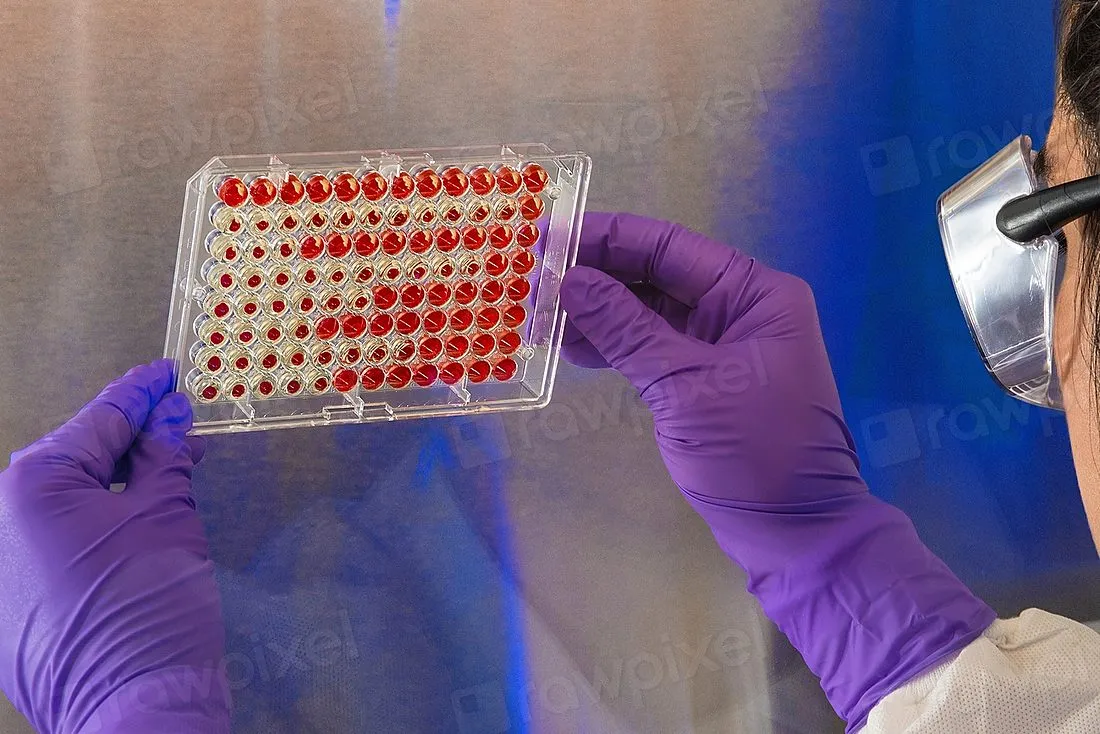
a researcher in a biotech lab
Pictured a researcher in a biotech lab · U.S. Department of State (via rawpixel)

The vaccine, called intismeran autogene, starts with a biopsy of a patient's own tumor, sequenced and compared against their healthy blood cells to find up to 34 mutated surface proteins unique to that cancer. The mRNA coding for those proteins gets injected into muscle, the same way the Covid vaccines worked, and the body starts making the actual mutant proteins itself, training the immune system to recognize them 87. Personalized cancer vaccines have been a two-decade-long promise with a mixed track record. This is the first time one has produced positive results in a trial this large.

What each field noticed (2)
Positive News

What went right this week

Positive News captures the reaction from people who didn't make the vaccine. Moderna's CEO called it "a pivotal moment," and Dr. Lennard Lee at the University of Oxford, not affiliated with the trial, called it a "landmark moment for cancer vaccines" 712.

Read the story
02/08 Natural Sci.

One donated cornea, hundreds of implants

Roughly 70 people go without a cornea transplant for every one that happens, and 12 to 15 million people worldwide are waiting on donor tissue that doesn't exist 49.

a laboratory scientist examining a small transparent tissue sample
Pictured a laboratory scientist examining a small transparent tissue sample · Centers for Disease Control and Prevention (via rawpixel)

Precise Bio, a regenerative medicine company split between Israel and North Carolina, has found a way to stretch a single donor's corneal tissue into hundreds of implants: they culture the cells in the lab, then 3D-bioprint them into a transparent, layered structure that resembles a healthy cornea. Last year a patient received the first-ever corneal implant made entirely from lab-grown human cells, and a Phase I safety trial is now underway 49.

03/08 Life Sciences

Brain tissue that grows old the slow, real way

A Harvard team led by Paola Arlotta kept lab-grown clusters of human brain tissue, called organoids, alive and developing for nearly six years, tracking their gene activity, biological age, and structure cell by cell the whole time 188.

a neuroscience research laboratory
Pictured a neuroscience research laboratory · Sturm (Wikimedia Commons)

Human brain development normally unfolds over almost two decades, which is part of why it's so hard to study. But these organoids matured on the same schedule a real human brain would, hitting developmental milestones, including signs of postnatal development, in roughly the right order and at roughly the right pace. Their neurons formed working connections and kept firing electrical signals for at least two years straight, sustained by a nutrient fluid the researchers suspect was the key to keeping them alive this long 188.

04/08 Life Sciences

A cricket that can smell a bat coming

Bats and crickets have been locked in an arms race for millions of years, one built almost entirely around sound: bats echolocate, crickets evolved ears to hear them coming.

a field cricket
Pictured a field cricket · Unknown (via rawpixel)

Researchers studying the cricket Loxoblemmus equestris and the bat Scotophilus kuhlii found there's a second channel nobody had noticed: smell 217. The crickets avoid the bat's body odor outright, and the researchers traced the active ingredient to limonene, the same compound that gives citrus its scent. In the lab, limonene alone was enough to trigger avoidance. In the field, crickets exposed to it went quieter, calling less to avoid drawing attention 217.

05/08 Technology

The memories mice weren't supposed to keep

Researchers at Japan's Okinawa Institute of Science and Technology put mice into artificial hibernation and watched them lose roughly half their synapses, the tiny connections between neurons where long-term memories are thought to live 568.

a research mouse
Pictured a research mouse · Igor Miske (via stocksnap)

By the traditional model, that should have wiped out what those mice had learned. It didn't. Once the mice woke up, they still remembered tasks they'd learned before hibernating, and the synaptic spines that had shrunk away regrew in their original spots. A small number of especially stubborn synapses survived the hibernation entirely, clustering together, and the more of these surviving clusters a mouse had, the better it performed on the old task after waking 568.

06/08 Social Sci.

The Basque factory town where the workers own the company

Mondragón Corporation, headquartered in Spain's Basque Country, pulled in €11.3 billion in revenue and more than €600 million in profit in 2025, and none of it went to a small group of shareholders 723.

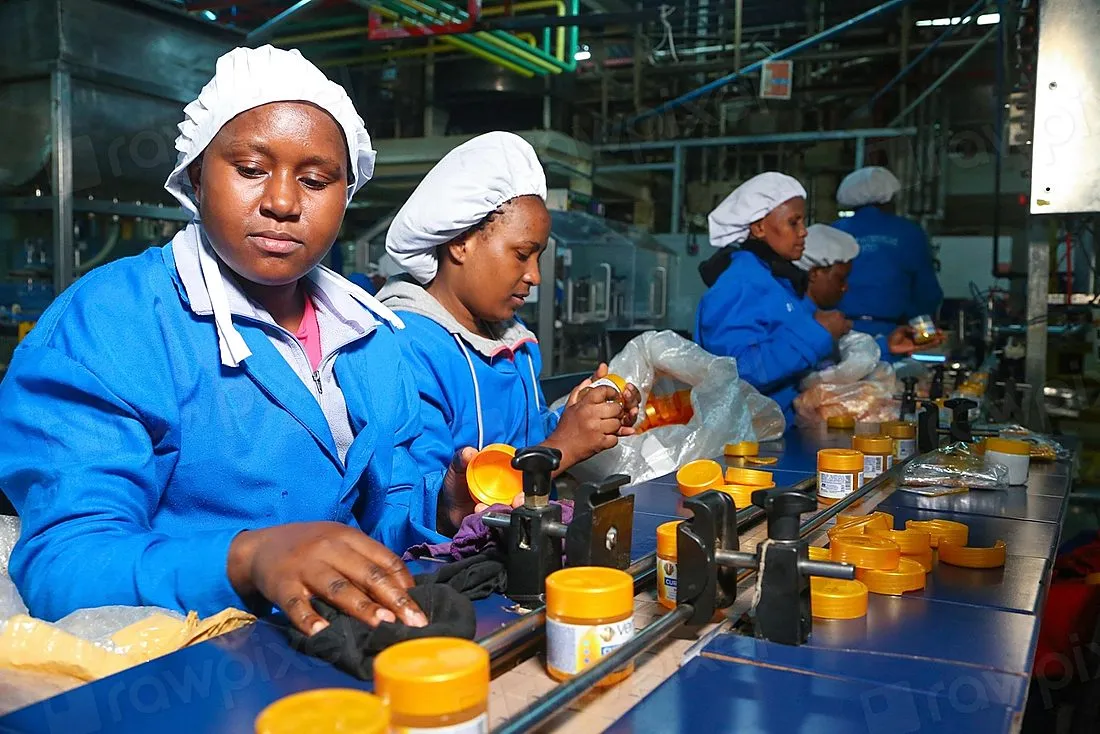
a factory worker on an assembly line
Pictured a factory worker on an assembly line · U.S. Agency for International Development (via rawpixel)

Founded in 1956 by five coworkers as a stove factory, Mondragón is now the largest federation of worker-owned cooperatives on Earth: over 70,000 employees across 92 cooperatives, sharing profits between them. Its reach is genuinely strange to picture all at once: a grocery chain with hundreds of stores, a university, Spain's only defibrillator manufacturer, its largest bicycle maker, tech in a third of Europe's solar panels and 60 percent of the world's trains 723.

07/08 Plant-Based

The grocery cart where vegan is the cheap choice

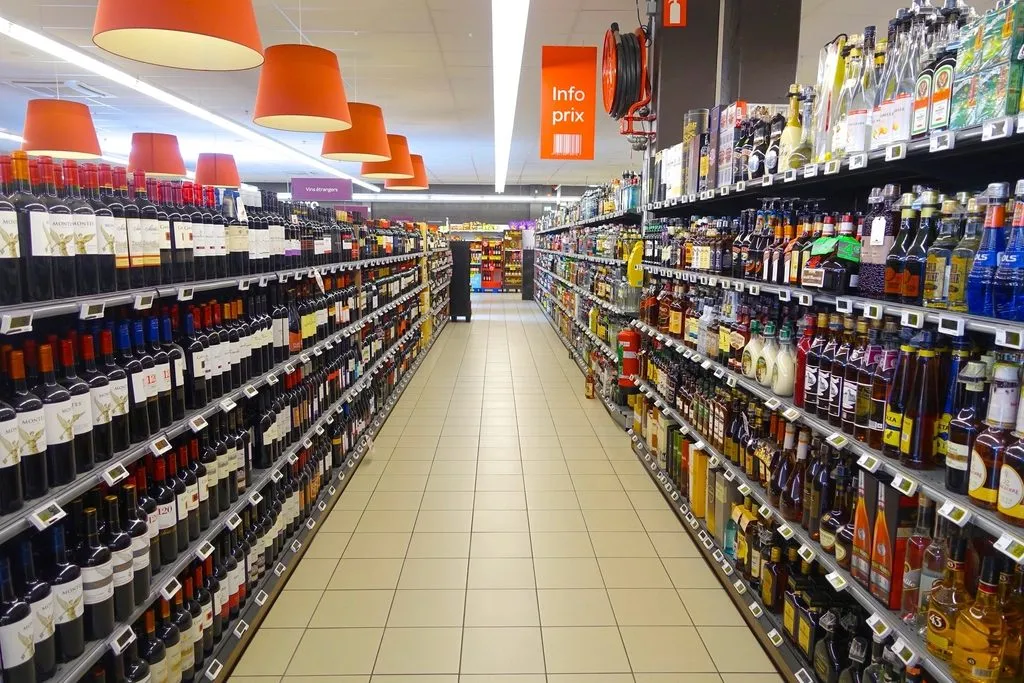
An analysis of nine major Dutch supermarkets found that a basket of plant-based staples, vegan mince, burgers, butter, milk, yoghurt, and cheese, now costs Dutch shoppers 18 percent less on average than the same basket with meat and dairy, and up to 30 percent less at one chain 581.

a grocery store aisle
Pictured a grocery store aisle · Unknown (via rawpixel)

Vegan butter offered the single biggest discount, 48 percent cheaper than the dairy version, followed by burgers at 31 percent and chicken pieces at 29 percent. Every product that beat its animal-based counterpart on price was a supermarket's own private-label brand, credit both to deliberate pricing strategy and to inflation hitting meat and dairy harder 581.

08/08 Human Stories

What earthworms sound like when they eat

Earthworms have no mouth in any recognizable sense, no way to make sound on purpose, and no ears. And yet a bioacoustics researcher recording a box of soil in her university basement found their eating produces a real, distinct sound, a soft, Velcro-like scrape as they chew through earth and decaying matter 839.

a person listening to headphones in a garden
Pictured a person listening to headphones in a garden · Burst (via stocksnap)

It's part of a broader shift: for decades, "passive acoustic monitoring," leaving microphones running for weeks in places humans can't easily stay, has revealed entire soundscapes in oceans and forests. Now researchers are pointing that same technique underground 839.

Quick notes

Shorter discoveries from this morning, worth knowing but not a full story.

What went right this week: promising news from the Amazon Deforestation alerts in the Brazilian Amazon fell to their lowest level in 13 years, down more than a third from the year before; if the annual figures follow suit, it'll be the lowest deforestation rate recorded since monitoring began in 1988 717. Positive News
What went right this week: the good news that matters England has already hit the World Health Organization's 2030 target for treating hepatitis C, four years early, with 100,000 people treated over the last decade 712. Positive News
What Could Go Right? The Tide Turns for Sharks CITES, the treaty regulating trade in endangered species, now covers 96 percent of all shark and ray species traded for their fins, up from almost none 20 years ago 796. The Progress Network
Father and Son Surprise Woman With New Farm Stand After Thieves Steal Hers on Opening Day After thieves stole a Rhode Island family's brand-new bakery stand hours after it was built, a stranger who saw the story online offered to build them a replacement for free 745. Sunny Skyz
Her Home Was Washed Away in Assam Floods. Days Later, This 17-YO Won National Gold in Karate Janmoni Konwar's family sold buffaloes and lost their flood-damaged fishery to fund her karate training; days after floodwaters took their house too, she won gold at India's National Karate Championship 762. The Better India
The 'Sisterhood' Protecting Indonesia's Coral Reefs Coral Catch trains Indonesian women in diving and reef restoration who might otherwise never have had access to swimming lessons, let alone a marine science career, and every graduate from one cohort went on to pursue conservation or diving 725. Reasons to be Cheerful
Canada's Mid-Day Squares Nabs $8M in Govt Funding to Scale Up Plant Protein Snack Bars The Montreal vegan snack company that once fought off a buyout offer from Hershey's just landed $8 million in Canadian government financing to keep expanding into Walmart and Costco 587. Green Queen
From pigs to mushrooms: 1100 Farm features a new model for farm transition An Iowa family converted their old pig barn into a working mushroom farm, turning the manure lagoon into a freshwater pond and planting hundreds of trees across the property 591. Mercy For Animals
US researchers achieve 'first' open-air quantum link across 13 miles in New York Scientists sent fragile quantum states of light 13 miles through open air between two Long Island rooftops in broad daylight, borrowing adaptive-optics tricks from astronomy to keep the signal from scrambling 533. Interesting Engineering
'Huge Breakthrough' in the Math of Imbalance Two mathematicians made the first real progress in nearly 30 years on the Komlós conjecture, a problem about how evenly any group of things can be divided, no matter how many categories you're balancing across 152. Quanta Magazine
New blood-based biomarkers predict when ALS symptoms will emerge A panel of 19 blood proteins can now estimate, to within about 18 months, when a person genetically at risk for ALS will start showing symptoms, opening a window for treatment before irreversible nerve damage sets in 194. NIH News Releases
Virtual intervention reduces substance use in American Indians and Alaska Natives A program blending motivational interviewing with traditional practices like storytelling and cooking cut cannabis use, alcohol use, and anxiety among 541 American Indian and Alaska Native emerging adults 190. NIH News Releases
The rise of electoral democracy In the late 1700s, only two countries on Earth had both an elected government and an elected parliament; as of 2025, 165 of 199 countries do 372. Our World in Data

Our process. Your trust.

Every discovery above traces back to an article we read in full. This is the whole corpus behind this morning, and what it was made of.

  • 61 Sources scanned
  • 922 Articles read
  • 8 Fields covered
  • 8 Discoveries

The sources that carried this morning

  1. 1 Knowable Magazine 20 articles
  2. 2 Latest from Live Science 20 articles
  3. 3 Latest Science News -- ScienceDaily 20 articles
  4. 4 Nature 20 articles
  5. 5 PLOS Biology 20 articles
  6. 6 PLOS One 20 articles
  7. 7 Universe Today 20 articles
  8. 8 eLife: latest articles 20 articles
How an edition is made

Everything we read today

Natural Sciences 186 articles
Latest from Live Science
PLOS Biology
PLOS One
Proceedings of the National Academy of Sciences: Proceedings of the National Academy of Sciences: Table of Contents
Life Sciences & Medicine 50 articles
eLife: latest articles
STAT
Psychology & Behavioral Science 100 articles
PsyPost Psychology News
Social Sciences 131 articles
The Conversation Articles
Technology & Innovation 110 articles
Futurism
Plant-Based & Vegan 104 articles
Solutions & Good News 151 articles
Good News Network
Sunny Skyz
The Better India : Latest Posts
Human Stories & Ideas 90 articles
The Marginalian
The long view · not today’s news, the story behind it

Today’s discoveries didn’t come from nowhere. Here’s the older, ongoing story they belong to, a moment from this day in history, and a question to test what stuck.

The story so far

On this day in science

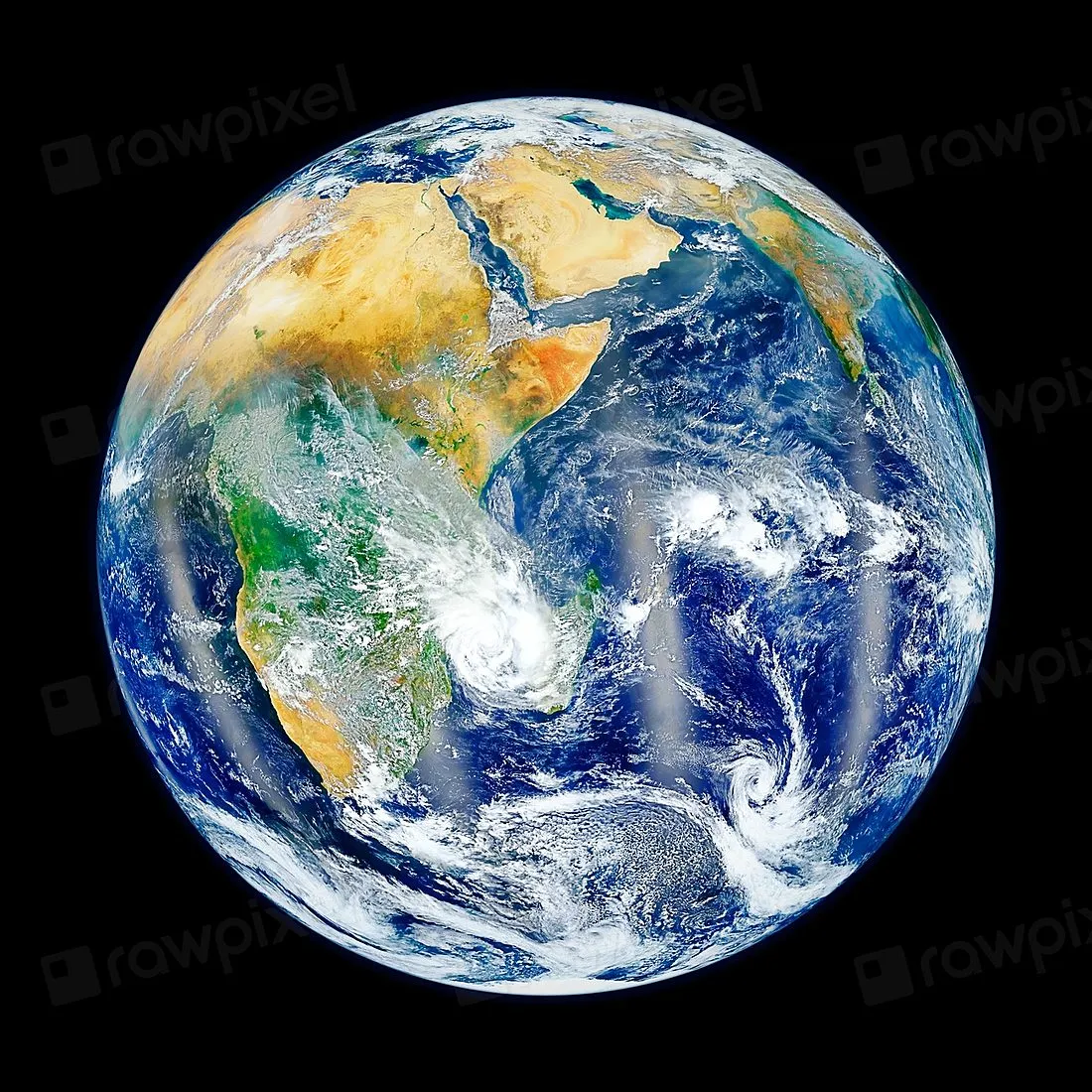
1966 The first view of Earth from the Moon NASA's Lunar Orbiter 1 turned its camera homeward and captured the first photograph of Earth taken from near the Moon. The image gave people their first glimpse of their whole world seen from another. More from the Almanac →

Before you go: today’s quiz

The daily quiz

What does a study's “effect size” tell you?

Reveal the answer

How big the difference is, which decides whether a real result actually matters

A result can be real but tiny. Effect size measures how large the difference is, which is what tells you whether it matters in real life.

Read the explainer →

Previous editions

Every morning we have published, newest first. Nothing expires.

View the full archive

Get this every morning.

Liked today’s? Wake up to tomorrow’s, in one short letter.

  • One email each morning, never more
  • The day’s real discoveries across 8 fields
  • One calm read with your coffee

The full letter, every morning, free for good.

Same free letter, plus the reason it stays that way: no ads, no investors, no agenda but the good news itself.

A single gift of any amount. No account, never a recurring charge.