







The aging brain's immune system turns out to have an off switch, and an on switch
For decades, textbooks treated the brain as sealed off from the body's immune system, guarded by the blood-brain barrier like a moat. Stanford researchers just found that isn't really true: starting as early as middle age, large numbers of immune cells from the blood cross into the human brain and transform into microglia, the brain's own housekeeping cells 4.
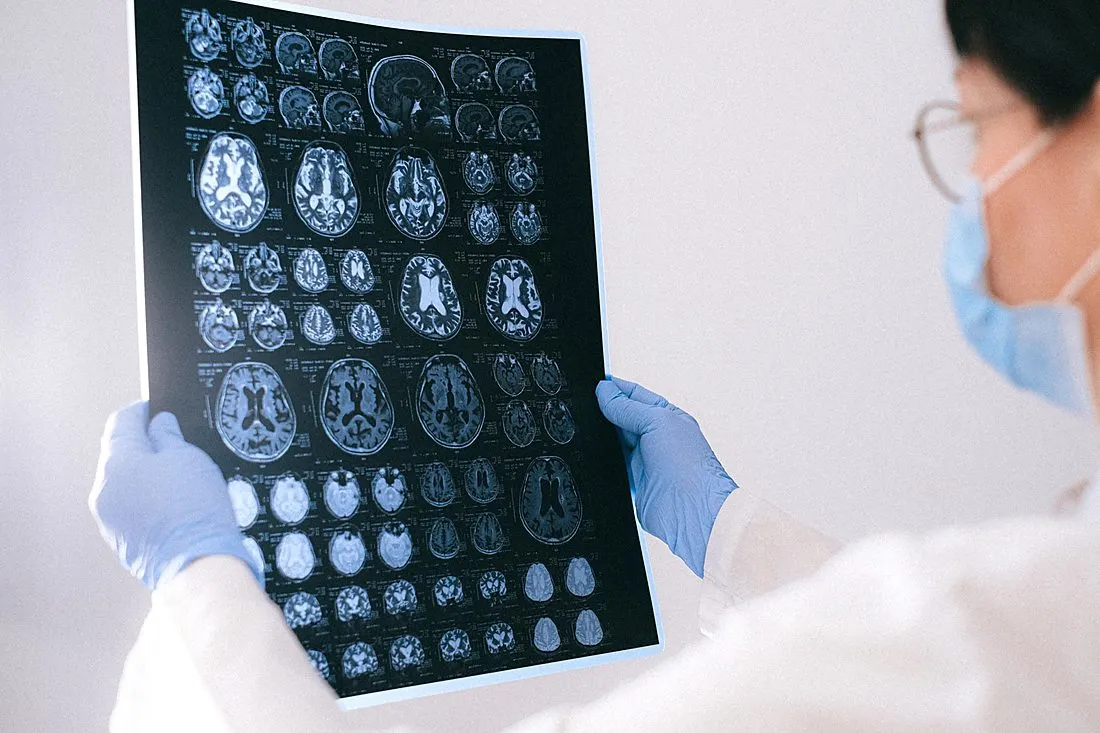
"We usually think of the brain as a closed system," said Julia Belk, the study's first author. "What we found is that actually a lot of immune cells enter the human brain during aging." Almost simultaneously, a Mount Sinai team pinned down one reason those aging microglia stop doing their job well: a protein called TIMP2. When they deleted it from mice, the animals' microglia rapidly took on hallmarks of old age, senescence, sluggish debris-clearing, and a surge of inflammatory signaling. When they injected TIMP2 into already-old mice, the effect ran in reverse: microglia shifted away from their pro-inflammatory state and got back to work clearing cellular junk 85.
What each field noticed (2)

Immune cells flood into the aging brain, Stanford scientists discover
Stanford's angle is the surprise of the migration itself, and where it came from: earlier work by the same lab had found that people carrying certain mutated blood stem cell clones were less likely to develop Alzheimer's, which is what sent them looking for a route between blood and brain in the first place 4.
Read the story
Youth Protein TIMP2 Restores Immune Function in the Aging Brain
Mount Sinai's contribution is a lever you could actually pull: a single named protein whose presence or absence visibly ages or rejuvenates the brain's immune cells, tested with brain single-nuclei sequencing and live measurements in mice missing TIMP2 in either their microglia or neurons 85.
Read the story