






01/08 Natural Sci.
A memory survived even after half its brain wiring vanished
Researchers at the Okinawa Institute of Science and Technology gave mice a mild foot shock in a chamber that smelled of alcohol, then induced two days of artificial hibernation in about half the animals by slowing their metabolism with drugs and keeping them in the dark 23.
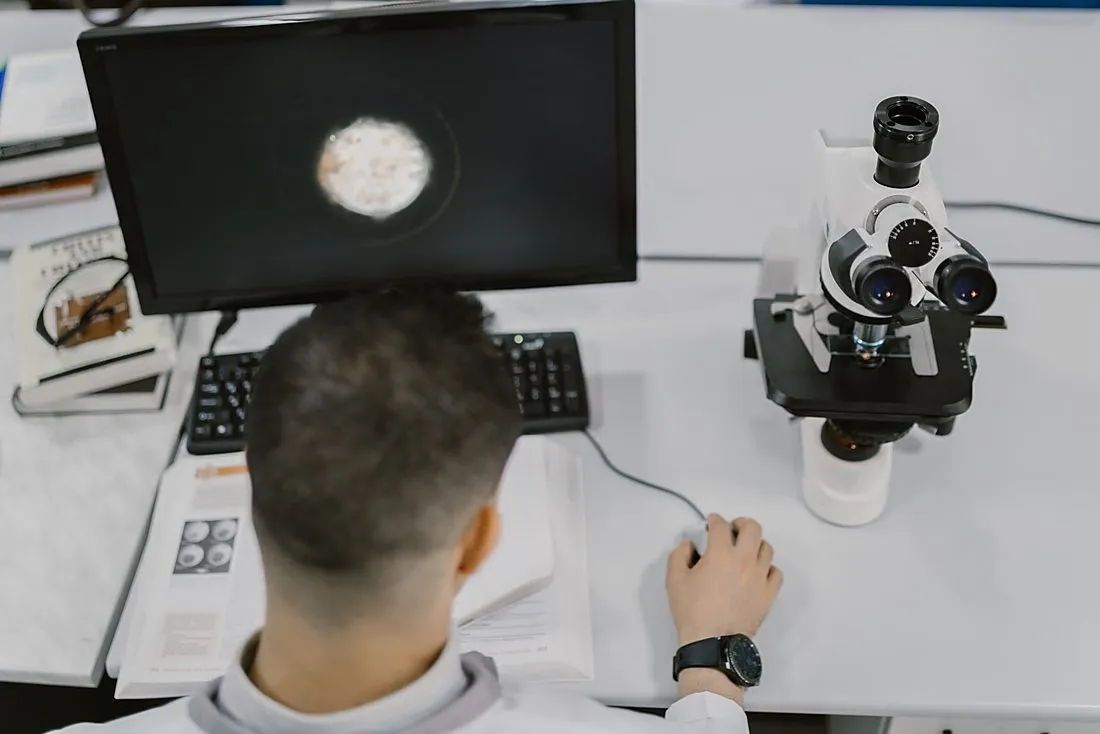
Five days later, the hibernated mice still froze in fear at that same scent, even though brain scans showed more than half the synapses in their hippocampus's memory-storing neurons had disappeared while they slept. The prevailing theory has long held that a memory lives or dies with the exact pattern of synapses that encoded it. This one didn't need most of them.