
The worm that eats nature's own plastic
Long before humans figured out how to make biodegradable plastic, bacteria beat us to it. Many microbes store carbon and energy as polyhydroxyalkanoates, or PHAs, essentially a natural bioplastic tucked inside their own cells.
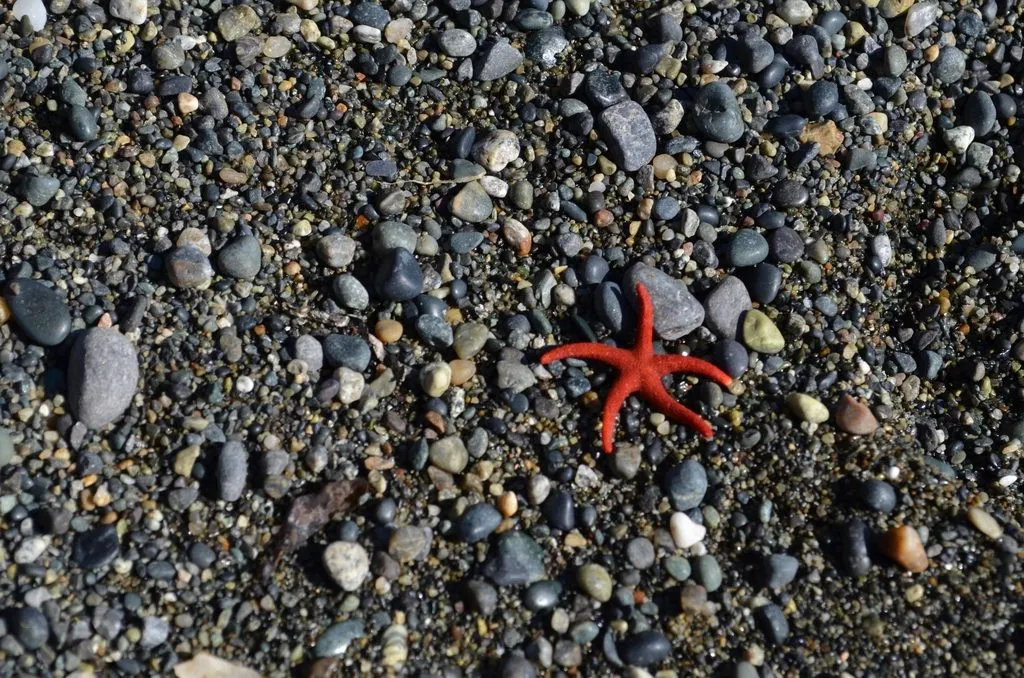
Scientists at the Max Planck Institute for Marine Microbiology assumed only microorganisms could break that material back down, until they looked closely at Olavius algarvensis, a marine worm so specialized it has no mouth and no gut. It survives entirely on bacteria living under its skin. Researchers found an enzyme in the worm built specifically to crack open its bacterial partners' PHA reserves, made right where the worm digests them 5. Once they went looking elsewhere, the same enzyme family turned up in more than 66 species across nine phyla: earthworms, sponges, springtails, starfish. Lab tests confirmed even distantly related animals could do the same trick.