


The daily brief · August 19, 2026

Attention alone can calm inflammation, and fear turned into gharial guardianship

Today's stories keep landing on the same quiet idea: paying closer attention, whether to your own body, a river, or an animal everyone assumed was dangerous, is often the thing that actually changes the outcome.

  • 7 Discoveries
  • 279 Articles read
  • 45 Sources
  • 10 Min read

Today’s discoveries

Everything this morning found, in the order we would read it.

7 stories
  1. 01 Natural Sci. Focusing on a sore spot can calm your immune system Neuroscientist Liron Rozenkrantz and colleagues at Bar-Ilan University ran a strange little experiment: they gave 37 healthy volunteers the standard histamine skin-prick allergy test… Source: ScienceAlert 1 min read
  2. 02 Psychology The human brain rewires itself at four specific ages Cambridge researcher Alexa Mousley and her team pulled brain-imaging data from nine different studies, 4,216 people ranging from newborns to 90-year-olds, and mapped how the physical… Source: PsyPost 1 min read
  3. 03 Plant-Based Tofu just topped a scientific ranking of 20 proteins Cambridge behavioural scientist Dr Chris Macdonald built a new scoring system, published in Frontiers in Sustainable Food Systems, that judges protein foods on nutrition, affordability,… Source: Vegan Food & Living 1 min read
  4. 04 Plant-Based Hungary just ended wild animals in the circus Starting January 1, 2027, Hungary will stop allowing 25 categories of wild animals, elephants, primates, big cats, bears, giraffes, seals, reptiles, and birds of prey among them, to be… Source: Vegan Food & Living 1 min read
  5. 05 Good News The villagers who used to fear gharials now guard them For decades, communities along Bihar's Gandak River blamed any crocodile attack on gharials, the long, thin-snouted, fish-eating reptiles that have never actually attacked a human,… Source: The Better India 1 min read
  6. 06 Good News A diving "sisterhood" is rebuilding Indonesia's coral reefs On the tiny island of Gili Air, a Dutch marine biologist named Rose Huizenga founded Coral Catch in 2021 to solve a problem most reef-restoration projects share: a review of restoration… Source: Reasons to be Cheerful 1 min read
  7. 07 Good News A vaccine against a disease that kills a million people a year clears its biggest hurdle yet Shigellosis kills more than a million people a year, nearly half of them children under five, yet more than a century of trying had never produced a licensed vaccine, partly because of… Source: The Optimist Daily 1 min read

The feel-good story of the day

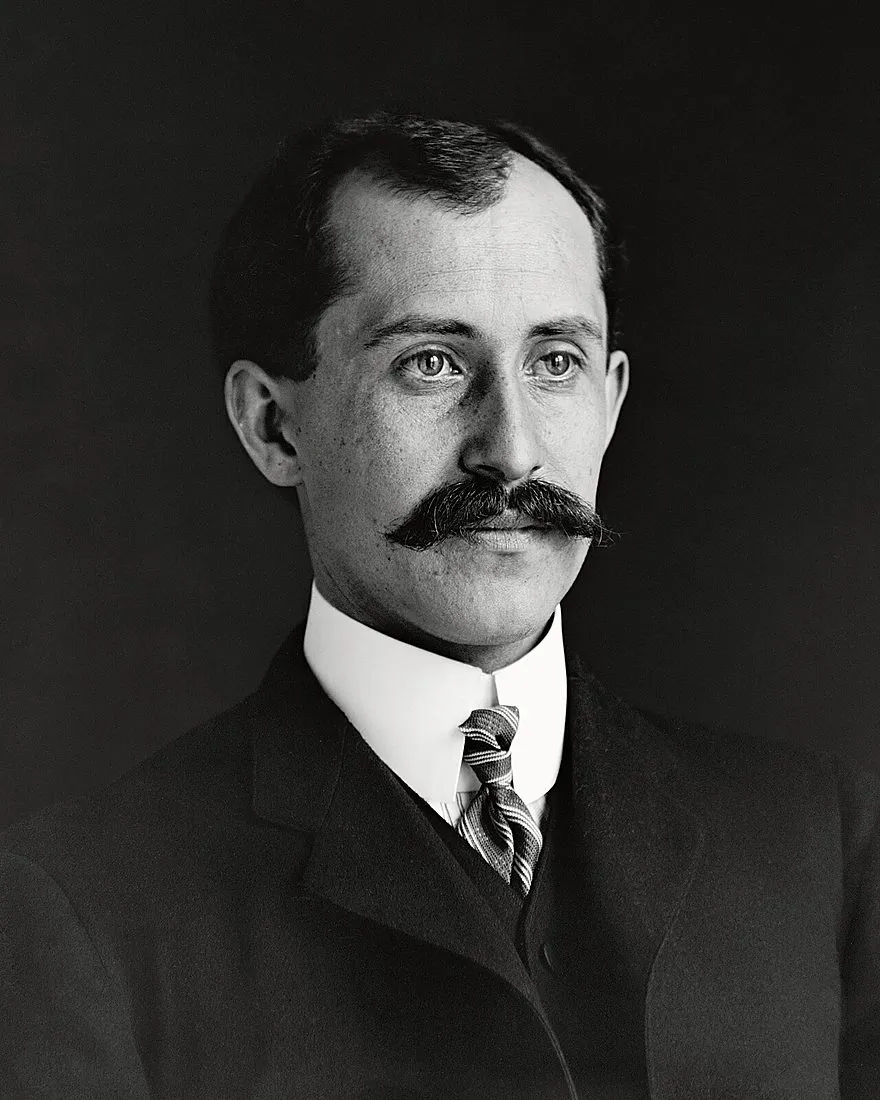
Orville Wright Orville Wright and Wilbur Wright (credited as photographers) (Wikimedia Commons)
Pictured Orville Wright

The bicycle mechanic who gave humanity its wings

Orville Wright was born on August 19, 1871, in Dayton, Ohio, the younger half of the bicycle-shop-owning brothers who would go on to build and fly the first powered airplane. He and Wilbur had no formal engineering training. What they had was a print shop, then a bicycle repair business, and an obsession with the problem of controlled flight that other, better-funded inventors kept failing to solve.

The breakthrough wasn't the engine. It was the Wrights' insight that a pilot needed to actively balance and steer an aircraft in three dimensions, the same way a cyclist leans into a turn, rather than relying on inherent stability. They tested that idea patiently, through gliders, wind-tunnel experiments built in their shop, and years of failure, before their 12-second, 120-foot flight at Kitty Hawk on December 17, 1903.

Orville lived until 1948, long enough to see the flimsy wood-and-fabric machine he'd once wrestled off a sand dune turn into commercial airliners and jet fighters. He spent much of that time arguing, sometimes bitterly, about who deserved credit for what. But the basic fact holds up: two brothers with no formal training solved a problem that had stumped humanity for millennia, because they were willing to be patient and wrong a few hundred times first.

Today’s complete edition

The discoveries, in full

Read the evidence, what it changes, and the reporting behind each of today’s 7 discoveries.

01/07 Natural Sci.

Focusing on a sore spot can calm your immune system

Neuroscientist Liron Rozenkrantz and colleagues at Bar-Ilan University ran a strange little experiment: they gave 37 healthy volunteers the standard histamine skin-prick allergy test twice, once while they focused on the itchy, reddened patch it produced, and once while they watched distracting videos instead 96.

a person receiving a skin allergy test on their forearm
Pictured a person receiving a skin allergy test on their forearm · RDNE Stock project (via Pexels)

Focusing on the sensation made it feel worse, as expected. But the actual swelling, the wheal, came out smaller when people paid attention to it: 3.5 millimeters on average versus 5.0 millimeters when they looked away. A second, 20-person experiment that varied what people focused on found the same pattern, meaning it really was the attention itself doing the work, not the specific thing being focused on. The paper, published in Nature Human Behaviour, describes it as the first evidence of "a causal link between attention and immune regulation in vivo" 96.

02/07 Psychology

The human brain rewires itself at four specific ages

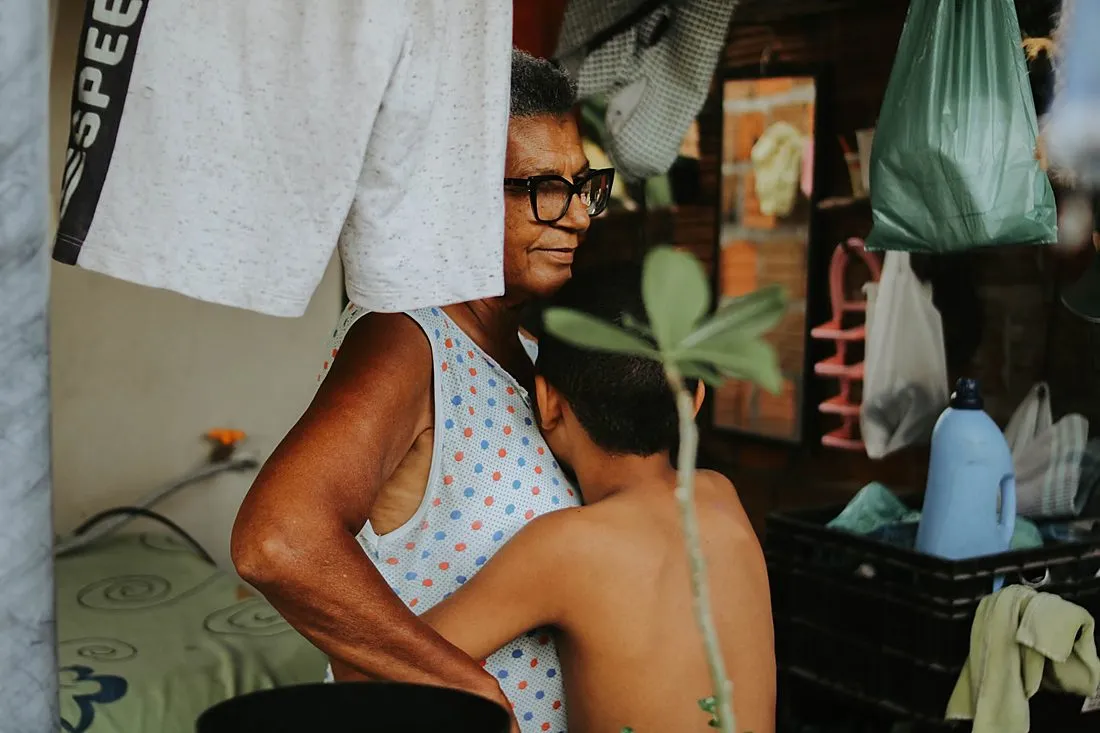
Cambridge researcher Alexa Mousley and her team pulled brain-imaging data from nine different studies, 4,216 people ranging from newborns to 90-year-olds, and mapped how the physical wiring of the brain changes shape over a lifetime 133.

an older woman and a young child sitting together
Pictured an older woman and a young child sitting together · Gabriel Frank (via Pexels)

Rather than a smooth slide from childhood to old age, the data broke cleanly into five chapters, separated by turning points at roughly age 9, 32, 66, and 83. Around each pivot, the brain's whole strategy shifts: sometimes optimizing for fast communication between far-apart regions, sometimes for tight local specialization. The findings, published in Nature Communications, are the first time anyone has mapped these transitions across the full human lifespan in one dataset 133.

03/07 Plant-Based

Tofu just topped a scientific ranking of 20 proteins

Cambridge behavioural scientist Dr Chris Macdonald built a new scoring system, published in Frontiers in Sustainable Food Systems, that judges protein foods on nutrition, affordability, and environmental cost together rather than one at a time 232.

a block of tofu on a cutting board
Pictured a block of tofu on a cutting board · RDNE Stock project (via Pexels)

Tofu swept both halves of the scorecard, hitting the maximum possible Planet Score of 16 out of 16. The gap is almost comic: 100 grams of protein from tofu costs about 0.61 kilograms of CO2-equivalent emissions and 2.16 square meters of land, against 64.19 kilograms of CO2 and 211.38 square meters of land for the same protein from beef, more than 100 times the footprint 232. Chia seeds, beans, and quinoa rounded out the top four; cheddar came in dead last.

04/07 Plant-Based

Hungary just ended wild animals in the circus

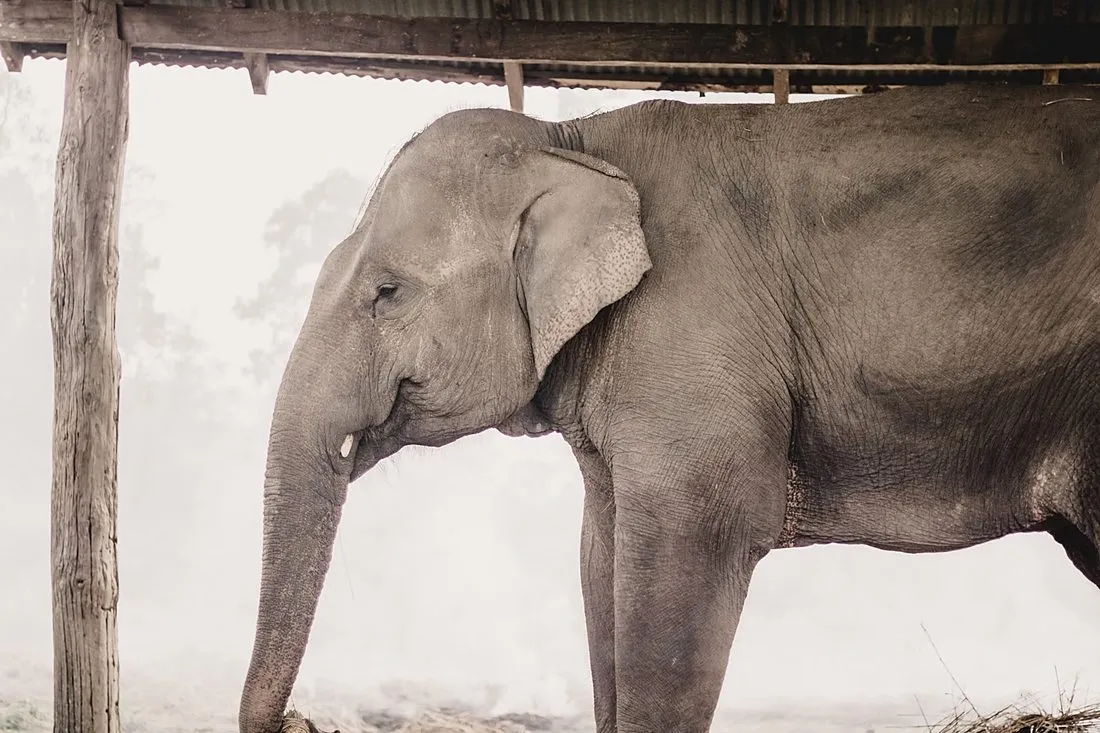
Starting January 1, 2027, Hungary will stop allowing 25 categories of wild animals, elephants, primates, big cats, bears, giraffes, seals, reptiles, and birds of prey among them, to be acquired, bred, trained, or forced to perform under a government decree published this month 234.

an elephant at a sanctuary
Pictured an elephant at a sanctuary · Prabin basnet (via Pexels)

Animals already in circuses won't be seized; they'll simply live out their lives without going back in the ring. The shift followed the formation of a new Ministry for the Living Environment after April's parliamentary election, headed by a former zoo director, and it brings Hungary in line with 24 of the European Union's 27 member states that already restrict circus animal acts 234.

05/07 Good News

The villagers who used to fear gharials now guard them

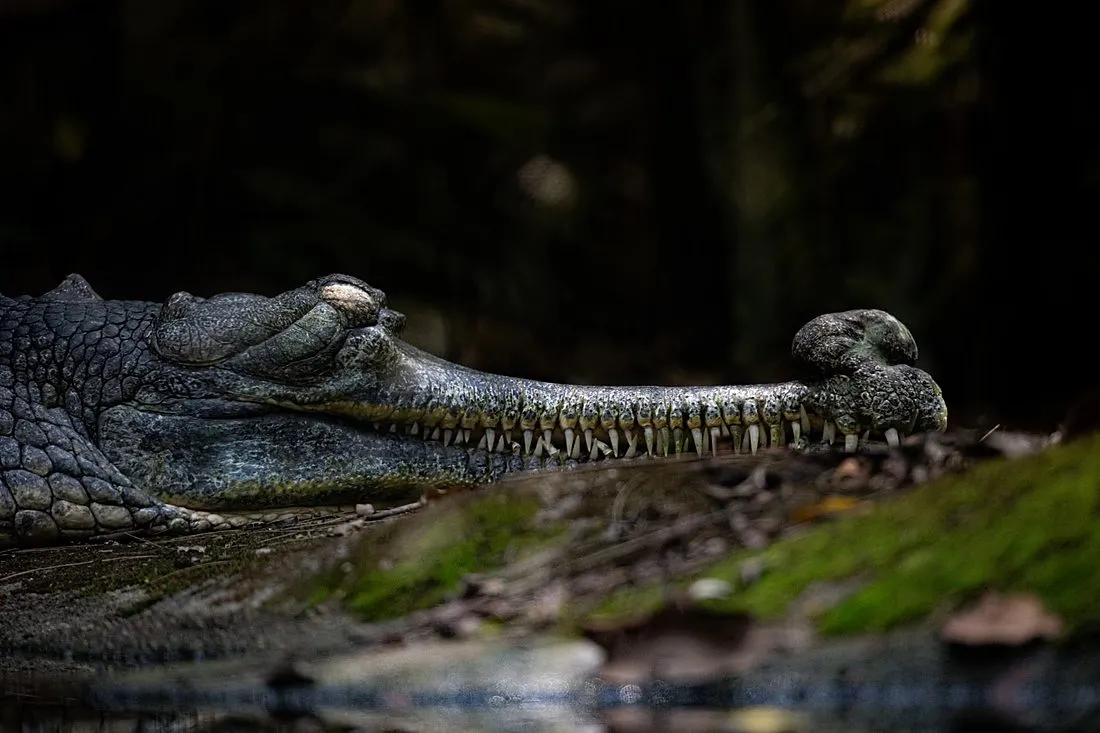
For decades, communities along Bihar's Gandak River blamed any crocodile attack on gharials, the long, thin-snouted, fish-eating reptiles that have never actually attacked a human, according to Wildlife Trust of India ecologist Dr.

a gharial resting on a riverbank
Pictured a gharial resting on a riverbank · Eterna Media (via Pexels)

Samir Sinha 248. That confusion with the genuinely dangerous mugger crocodile pushed one of the world's rarest reptiles toward the edge; by the early 1970s, wild gharial nests in India had dropped to single digits. The Gandak now holds India's second-largest breeding population after the Chambal River, and after years of education work distinguishing the two species, fishermen and children now walk past basking gharials on the sandbanks without panic 248.

06/07 Good News

A diving "sisterhood" is rebuilding Indonesia's coral reefs

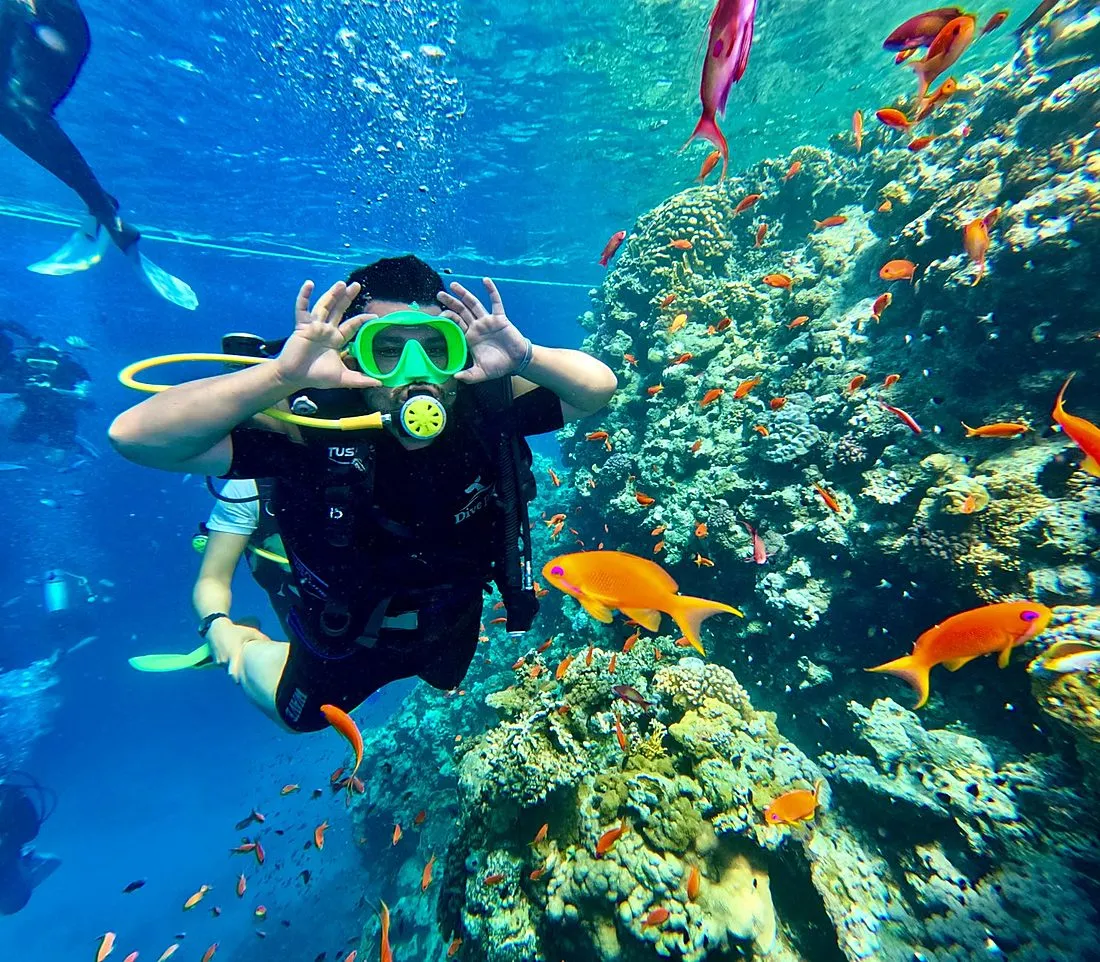
On the tiny island of Gili Air, a Dutch marine biologist named Rose Huizenga founded Coral Catch in 2021 to solve a problem most reef-restoration projects share: a review of restoration efforts worldwide found that 60 percent of sites were monitored for less than 18 months before funding or foreign experts moved on 244.

a woman scuba diver near a coral reef
Pictured a woman scuba diver near a coral reef · Sefa Demirtaş (via Pexels)

Her fix was to train local Indonesian women, many of whom had never had the chance to swim, dive, or picture a marine science career, in diving, coral restoration, and leadership through an intensive nine-week scholarship program. Every woman in the program's second cohort went on to pursue a career or degree in conservation or diving 244.

07/07 Good News

A vaccine against a disease that kills a million people a year clears its biggest hurdle yet

Shigellosis kills more than a million people a year, nearly half of them children under five, yet more than a century of trying had never produced a licensed vaccine, partly because of what researchers call the "poo taboo," a discomfort with diarrheal disease that has starved it of research funding 255.

a vaccine vial and syringe
Pictured a vaccine vial and syringe · Thirdman (via Pexels)

That changed this summer: a trial published in The Lancet Infectious Diseases tested a vaccine candidate called WRSs2, developed at the Walter Reed Army Institute of Research, in a human challenge trial of 108 adults. Half got two doses a month apart; half got salt water. Among the placebo group, 81 percent got sick when exposed to the bacteria. The vaccinated group was protected 89 percent of the time, the best result the field has ever recorded, according to Johns Hopkins vaccine scientist Dr. Kawsar Talaat 255.

Quick notes

Shorter discoveries from this morning, worth knowing but not a full story.

The extraordinary engineering that builds nature's only straight tusk Scientists finally figured out how narwhals grow their spiraling, ruler-straight tusks: two layers of mineralized collagen twisting in opposite directions, like a rope wound both ways at once, cancel each other out into a perfectly straight line 215. New Atlas
Construction Worker Discovers Gold Hoard After Literally Striking a Gold Bar with His Jackhammer A Belgian student demolishing an old brewery's foundation hit something that wasn't concrete; police recovered 40 gold bars and over 4,000 gold sovereign coins, worth roughly $10 million, now in safekeeping while rightful owners come forward 237. Good News Network
8 Idaho Teens Turn Their Viral Summer Account Into a Mission to Clean Up the Boise River A group of Idaho teens who built a 200,000-follower Instagram account just documenting their summer adventures started diving the Boise River for fun, found it full of trash, and have been pulling cans and bottles out of it almost every day since 245. Sunny Skyz
4 Startups Helping Indian Farmers Earn From Carbon, Not Just Crops Four Indian startups are now paying farmers for carbon their fields absorb through practices like reduced tillage and periodically drying rice paddies, with one, Boomitra, passing 75 percent or more of the credit revenue straight back to the farmers who earned it 253. The Better India
Boston Aims to Tackle 100-year Flood Risks with $10 Billion in Infrastructure Projects Facing up to 18 inches of sea level rise in the next 25 years, Boston and the Army Corps of Engineers have laid out 20 coastal infrastructure projects spanning 16 miles of shoreline, choosing to spend now rather than face an estimated $54 billion in flood damage by 2090 236. Good News Network
Can festivals leave the land better than they found it? UK Youth Day asked festival-goers to bring their plastic waste instead of buying a ticket; organizers ended the day with enough sorted material for a public art installation, and renewable-powered stages are quietly replacing diesel generators at festivals like Glastonbury's Arcadia 242. Positive News
Rage workouts don't calm you down, research finds. Here's what does. A review of 154 studies and over 10,000 people found that punching bags and hard jogging barely dent anger, while slow, calming activities like breathing exercises and yoga reliably do; the one exception was ball sports, probably because they're too social and distracting to keep ruminating 254. The Optimist Daily
Threatened Bird Species Given Tiny Foot Casts to Help Recovery After Hit by Car A whitethroat hit by a car couldn't grip with its curled feet, so a UK wildlife hospital built it a pair of tiny casts out of cardboard, cotton wool, and tape; the bird is recovering and headed back to the wild 238. Good News Network
From a Dolphin's Tail to a Bird's Beak: 7 Innovative Prosthetics That Have Helped Animals A toucan relative with a damaged beak got a dental-lab-crafted prosthetic matched to his natural coloring so he wouldn't stand out to his own flock, one of several animals, alongside a wheelchair-equipped box turtle and a landmine-survivor elephant, given a second shot at moving normally 240. Nice News
Who Is Ian Machado Garry, One of the Most Outspoken Vegan Fighters in MMA Today? UFC welterweight contender Ian Machado Garry says going vegan five years ago ended the recurring illness and injuries that used to derail his training, and he fought his most recent 11 bouts as a vegan without a single soft-tissue injury 225. VegNews.com
Europe's productivity is more dynamic than aggregate statistics suggest New firm-level data across Europe shows something the gloomy headlines miss: the productivity gap between struggling and thriving companies has stopped widening for the first time in over a decade, with low-performing firms actually climbing the ladder faster than the leaders are pulling away 166. Recent VoxEU Content
A Hindu soldier and a Muslim poet show how religious identities overlapped in 19th-century India Diaries from a 19th-century Hindu soldier and an elite Muslim poet both describe the same Indian landscape in the same romantic, borrowed imagery, evidence that religious identity in that era was layered with shared belonging rather than drawn in hard lines 174. The Conversation
Nature's Oldest Mandolin: The Poetic Science of How Cicadas Sing Cicadas are the loudest chorus on Earth despite having no lungs or vocal cords; researchers have even worked out a formula predicting the exact day billions of them will erupt from underground based on April's average temperature 278. The Marginalian
Elderly people are asked their 'favorite age of life,' and their answers are truly beautiful Asked their favorite age at a Utah assisted living facility, one 94-year-old resident answered "last year," explaining that a fellow resident he'd fallen for had "brought life back to me" 262. Upworthy

Our process. Your trust.

Every discovery above traces back to an article we read in full. This is the whole corpus behind this morning, and what it was made of.

  • 45 Sources scanned
  • 279 Articles read
  • 8 Fields covered
  • 7 Discoveries

The sources that carried this morning

  1. 1 PLOS One 20 articles
  2. 2 Proceedings of the National Academy of Sciences 20 articles
  3. 3 Psychology Today: The Latest 20 articles
  4. 4 STAT 19 articles
  5. 5 Phys.org 14 articles
  6. 6 Nature 13 articles
  7. 7 Ars Technica - All content 12 articles
  8. 8 New Scientist 10 articles
How an edition is made

Everything we read today

Natural Sciences 106 articles
PLOS One
Proceedings of the National Academy of Sciences: Proceedings of the National Academy of Sciences: Table of Contents
Life Sciences & Medicine 24 articles
STAT
Psychology & Behavioral Science 30 articles
Social Sciences 15 articles
Technology & Innovation 42 articles
Plant-Based & Vegan 18 articles
Solutions & Good News 30 articles
Human Stories & Ideas 14 articles
The long view · not today’s news, the story behind it

Today’s discoveries didn’t come from nowhere. Here’s the older, ongoing story they belong to, a moment from this day in history, and a question to test what stuck.

The story so far

On this day in science

1871 Orville Wright is born Orville Wright was born in Dayton, Ohio. With his brother Wilbur he built and flew the first powered airplane, opening the sky to everyone who has flown since. More from the Almanac →

Before you go: today’s quiz

The daily quiz

Who published the first description of the World Wide Web and opened it to the public in 1991?

Reveal the answer

Tim Berners-Lee

Tim Berners-Lee published the first description of the World Wide Web and made it available to anyone on the internet on 6 August 1991.

See the day →

Previous editions

Every morning we have published, newest first. Nothing expires.

View the full archive

Get this every morning.

Liked today’s? Wake up to tomorrow’s, in one short letter.

  • One email each morning, never more
  • The day’s real discoveries across 8 fields
  • One calm read with your coffee

The full letter, every morning, free for good.

Same free letter, plus the reason it stays that way: no ads, no investors, no agenda but the good news itself.

A single gift of any amount. No account, never a recurring charge.