





A cancer vaccine built from a patient's own tumor actually works
Merck and Moderna announced Wednesday that a personalized mRNA vaccine, intismeran, slowed melanoma's return in the first randomized Phase 3 trial ever to test whether a "neoantigen" cancer vaccine actually works 122.
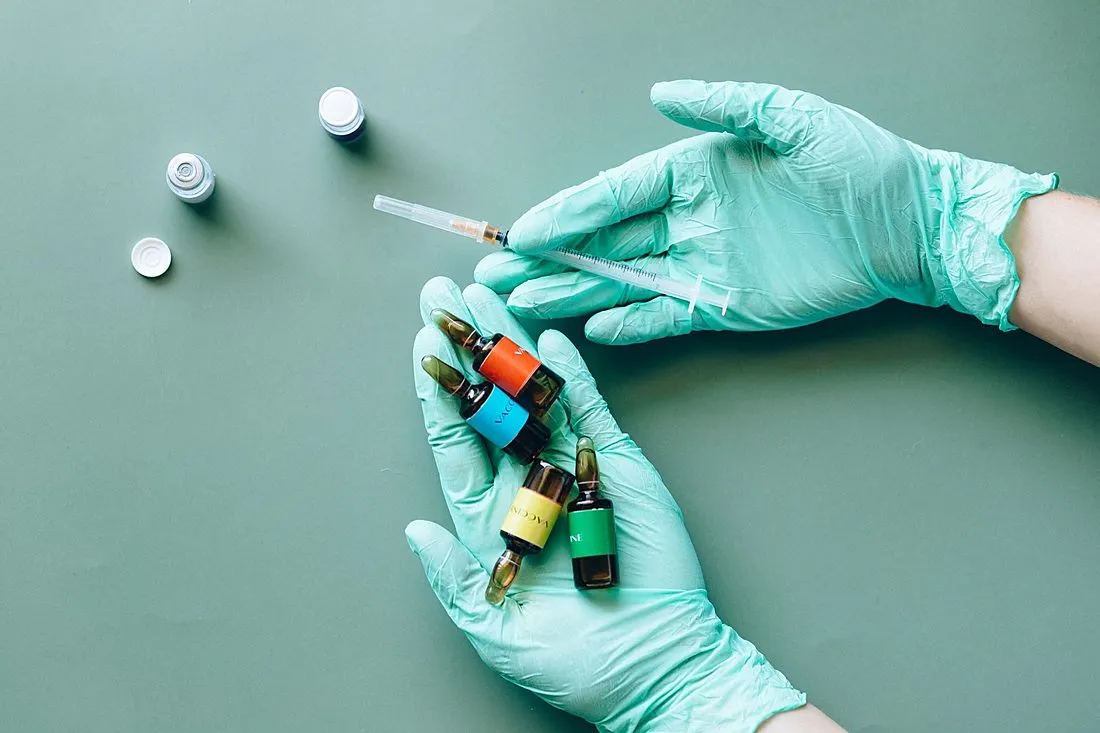
The trial enrolled 1,137 patients with stage IIB through IV melanoma that had already been surgically removed, randomizing them two-to-one to receive either intismeran alongside Merck's Keytruda or Keytruda alone, for about a year, with nobody, doctors included, knowing who got what 180. The vaccine itself is built from the patient's own cancer: researchers compare the genetic sequence of a person's tumor cells to their healthy cells, pick out up to 34 tumor-specific mutations, and encode them into synthetic mRNA 180. The companies say both recurrence-free survival and distant metastasis-free survival improved by a statistically significant, clinically meaningful margin, though full numbers are still pending. A five-year Phase 2 readout from June already showed a 49 percent reduction in the risk of recurrence or death, and a 59 percent reduction in the risk of the cancer spreading elsewhere 180.
What each field noticed (2)
 STAT
STAT STAT+: Moderna and Merck say mRNA cancer vaccine succeeded in late-stage melanoma trial
STAT's biotech desk flagged the trial design itself as the milestone: after years of hope around personalized cancer vaccines, this is the first randomized Phase 3 study built specifically to prove, not just suggest, that one works 122.
Read the story Ars Technica
 mRNA cancer vaccine succeeded in Phase 3 melanoma trial, Moderna and Merck say
Ars Technica leaned into the manufacturing itself, the idea of a drug factory that reads one patient's tumor and builds a one-off molecule in response, and what that means for mRNA as a platform beyond infectious disease 180.
Read the story