




The daily brief · August 22, 2026

A cancer vaccine finally proves itself, and gut bacteria build stronger muscles

Today's discoveries keep landing on the same idea: the body has more capacity to heal, strengthen, and rebuild itself than we've given it credit for, whether that's a muscle, an immune response, or a piece of a broken ecosystem.

  • 8 Discoveries
  • 840 Articles read
  • 57 Sources
  • 11 Min read

Today’s discoveries

Everything this morning found, in the order we would read it.

8 stories
  1. 01 Natural Sci. A cancer vaccine finally clears its biggest hurdle On August 19, Moderna announced that people who'd had surgery for severe melanoma survived longer without their cancer coming back when they got a personalized mRNA vaccine alongside the… Source: New Scientist 1 min read
  2. 02 Natural Sci. A little-known gut bacterium builds stronger muscles Researchers in the Netherlands and Spain compared stool samples from 90 young adults and 33 older adults and found that one bacterium, Roseburia inulinivorans, stood out from every other… Source: ScienceDaily 1 min read
  3. 03 Natural Sci. Scientists are 3D-printing corneas from a single donor There are between 12 and 15 million people worldwide who need a cornea transplant and don't have access to one; for every cornea transplanted, roughly 70 people go without. Source: Live Science 1 min read
  4. 04 Psychology Oxytocin makes some people more generous, and less generous Researchers led by Nina Marsh and Vanessa Jeske at the University of Oldenburg gave 54 healthy young men either oxytocin or a placebo, then watched how they behaved in a donation task. Source: PsyPost 1 min read
  5. 05 Plant-Based A former pig farm is now a mushroom farm The Faaborg family's pig operation near Radcliffe, Iowa sent its last pigs off the property in October 2022. Source: Mercy For Animals 1 min read
  6. 06 Good News Deforestation in the Amazon just hit a 13-year low Brazil's satellite monitoring system detected deforestation alerts covering 2,874 square kilometers in the Brazilian Amazon over the 12 months ending July 31, the lowest level in 13… Source: Positive News 1 min read
  7. 07 Good News Sharks are finally getting real protection A third of the more than 1,000 shark and ray species catalogued by the IUCN are at risk of extinction, mostly driven by demand for their fins. Source: The Progress Network 1 min read
  8. 08 Technology Mice regrew their memories after losing half their synapses Mice placed into artificial hibernation rapidly lost roughly half of their synapses, the connections between neurons that are supposed to hold long-term memories in place. Source: SingularityHub 1 min read

The feel-good story of the day

a cave diver emerging from an underwater passage NASA (via rawpixel)
Pictured a cave diver emerging from an underwater passage

The divers who wouldn't stop looking

Erasto Crisanto Valdez, a 31-year-old fisherman, went missing inside an unexplored underwater cave near San Francisco La Paz, Mexico, on July 23, after wandering into a cenote while fishing with his father. A search that started with family and local volunteers grew to include the Mexican Navy, but the cave system was largely unmapped, with visibility under a meter and almost nowhere safe to run a guide line. After more than a week, the effort had quietly become a recovery mission.

Then cave diver Harry Gust joined, along with fellow diver Rosalino "Rosso" Rivera. On his first day in the cave, Gust spent 75 minutes in the dark before finding a spare air tank about 100 meters in, a sign Valdez had gone farther than anyone realized. He came back the next day, pushed past the tank, and found a large dry chamber. He called into the darkness. A voice answered: "Yes!"

Valdez had been alive the entire time, sheltering in a recess ten meters away, surviving on water he'd found and an air pocket that kept him breathing. He had no way to tell day from night for fifteen days straight. Gust and Rivera went back for him, guided him through 100 meters of nearly blind underwater passage, and got him to a stretcher and an ambulance. He's since recovered with his family. Fifteen days in total darkness, and two divers who kept going back in anyway.

Today’s complete edition

The discoveries, in full

Read the evidence, what it changes, and the reporting behind each of today’s 8 discoveries.

01/08 Natural Sci. Good News

A cancer vaccine finally clears its biggest hurdle

On August 19, Moderna announced that people who'd had surgery for severe melanoma survived longer without their cancer coming back when they got a personalized mRNA vaccine alongside the immunotherapy drug pembrolizumab, compared with the immunotherapy alone 78675.
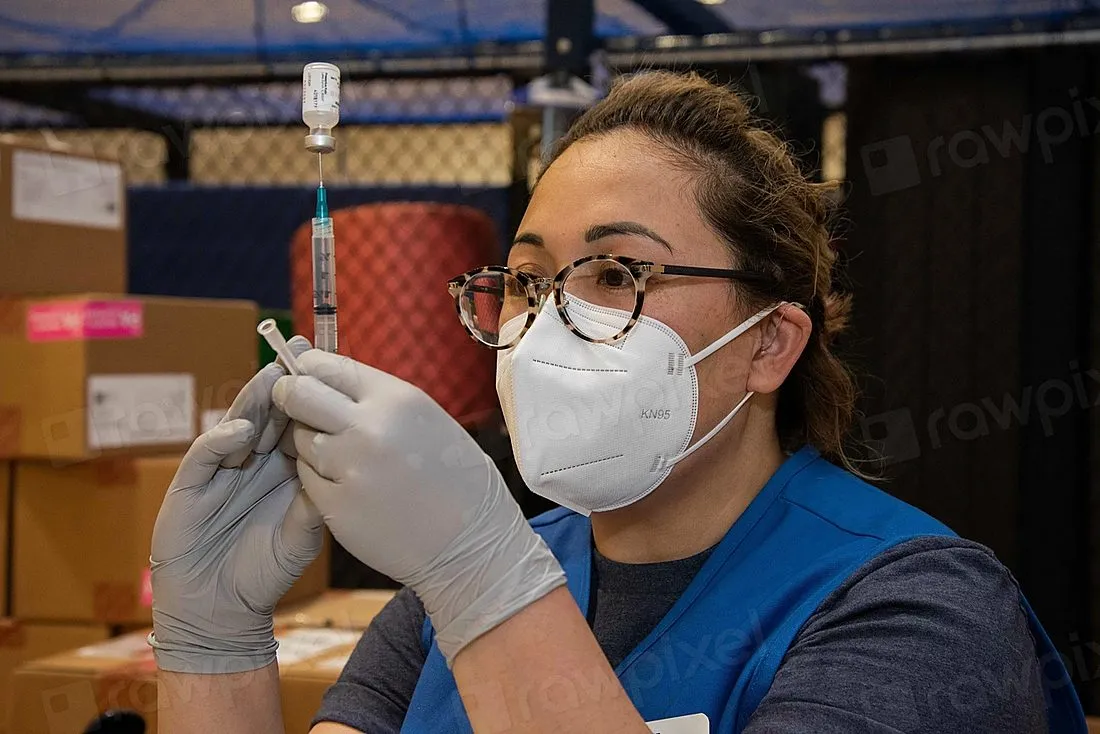
a nurse administering a vaccine injection
Pictured a nurse administering a vaccine injection · U.S. Navy Medicine (via rawpixel)

It's the first time a personalized cancer vaccine has posted positive results in a final-stage trial. Here's how it works: doctors sequence a patient's tumor, compare it to their healthy cells, and pick up to 34 mutated proteins unique to that cancer. The vaccine teaches the immune system to recognize exactly those proteins, using the same mRNA platform that made the Covid vaccine 78. Trials are already underway for lung, kidney, and bladder cancers. Moderna's CEO Stéphane Bancel called it "a pivotal moment"; Dr. Lennard Lee at Oxford called it a "landmark moment for cancer vaccines" 675.

What each field noticed (2)
Positive News

What went right this week

Positive News stayed with what it means for patients right now, quoting the oncologists calling it a genuine turning point rather than an incremental step, even while the full trial data hasn't been published yet 675.

Read the story
02/08 Natural Sci.

A little-known gut bacterium builds stronger muscles

Researchers in the Netherlands and Spain compared stool samples from 90 young adults and 33 older adults and found that one bacterium, Roseburia inulinivorans, stood out from every other microbe they measured.

A little-known gut bacterium builds stronger muscles
Unknown (via rawpixel)

Older adults who carried it had 29% greater handgrip strength than those who didn't 23. When the team gave it to mice, the animals developed about 30% more grip strength and grew larger fast-twitch muscle fibers, the type used for sprinting and lifting. The bacterium was also simply rarer in the older group to begin with, which is its own small clue about what aging does to the gut. Researchers now think it could become a probiotic candidate specifically aimed at age-related muscle loss 23.

03/08 Natural Sci.

Scientists are 3D-printing corneas from a single donor

There are between 12 and 15 million people worldwide who need a cornea transplant and don't have access to one; for every cornea transplanted, roughly 70 people go without 38.

an eye doctor examining a patient's eye
Pictured an eye doctor examining a patient's eye · Centers for Disease Control and Prevention (via rawpixel)

Precise Bio, a regenerative medicine company in Israel and North Carolina, took corneal tissue from a single organ donor and used laboratory culture techniques plus 3D bioprinting to produce hundreds of transparent, layered implants that resemble a healthy natural cornea. Last year one of those implants gave a patient the first-ever cornea made entirely of lab-grown human cells. A Phase I safety trial is underway now 38.

04/08 Psychology

Oxytocin makes some people more generous, and less generous

Researchers led by Nina Marsh and Vanessa Jeske at the University of Oldenburg gave 54 healthy young men either oxytocin or a placebo, then watched how they behaved in a donation task 269.

a young man volunteering at a food bank
Pictured a young man volunteering at a food bank · No Angry Young Man (Wikimedia Commons)

Among men who'd experienced more adversity growing up, oxytocin made them noticeably more generous with strangers. Among men who'd had easier childhoods, the same hormone did the opposite: it made them less generous. Same molecule, same dose, opposite effect, depending entirely on what happened to someone decades earlier 269.

05/08 Plant-Based

A former pig farm is now a mushroom farm

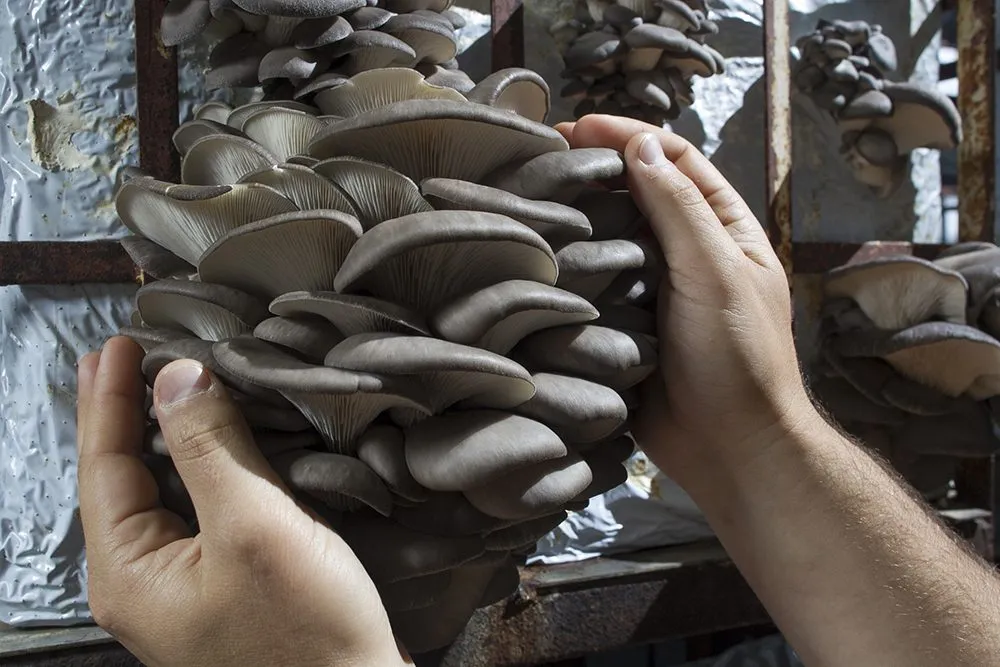
The Faaborg family's pig operation near Radcliffe, Iowa sent its last pigs off the property in October 2022. This month, the family celebrated the opening of the second demonstration hub for the Transfarmation Project, which helps contract farmers leave industrial animal agriculture 555.

a mushroom farm growing room
Pictured a mushroom farm growing room · Anatoly Michaello (אנטולי מיכאלו) (Wikimedia Commons)

One of the old pig buildings is now a 100-by-50-foot mushroom production facility with four grow rooms; the former waste lagoon is becoming a freshwater pond, and the family has been planting trees across the property. It took about two years of construction, mostly done by the Faaborgs themselves, without a guaranteed paycheck the whole time 555557.

06/08 Good News

Deforestation in the Amazon just hit a 13-year low

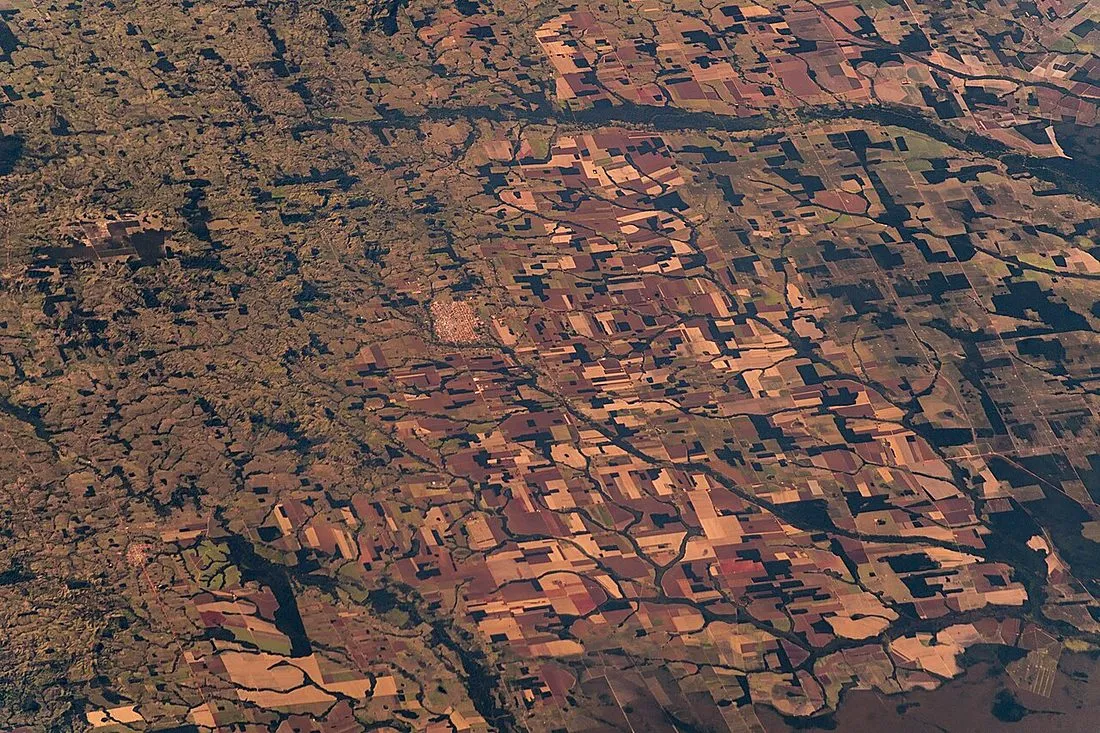
Brazil's satellite monitoring system detected deforestation alerts covering 2,874 square kilometers in the Brazilian Amazon over the 12 months ending July 31, the lowest level in 13 years of data 680.

the Amazon rainforest
Pictured the Amazon rainforest · U.S. Forest Service (source) (via rawpixel)

That's down more than a third from the previous year, and 55.6% below the last decade's average. If the country's official annual figures follow the same trend, Brazil could post its lowest Amazon deforestation rate since monitoring began in 1988 680. The drop follows a sustained enforcement push under President Lula, including expanded protections for Indigenous land, which researchers point to as a key lever against illegal mining and logging.

07/08 Good News

Sharks are finally getting real protection

A third of the more than 1,000 shark and ray species catalogued by the IUCN are at risk of extinction, mostly driven by demand for their fins 747. Twenty years ago, CITES, the international treaty that regulates trade in endangered species across 184 countries, had almost no rules covering sharks or rays at all.

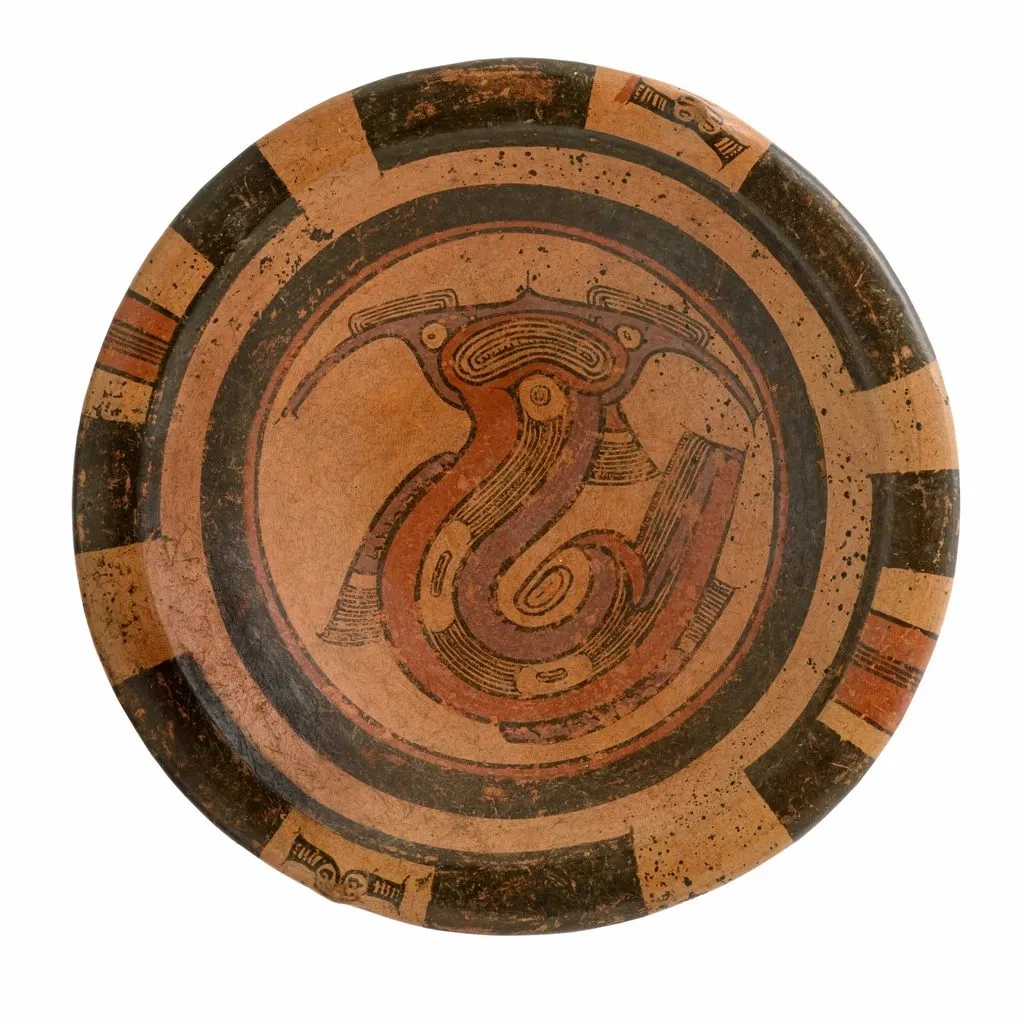
a hammerhead shark
Pictured a hammerhead shark · lacma (via rawpixel)

Today it covers 96% of all shark and ray species traded for fins and 70% of those traded for meat. Seventy of the 180 species now on the list were added just last year, when the convention also banned commercial trade in manta and devil rays, the oceanic whitetip shark, and the whale shark outright 747.

08/08 Technology

Mice regrew their memories after losing half their synapses

Mice placed into artificial hibernation rapidly lost roughly half of their synapses, the connections between neurons that are supposed to hold long-term memories in place 532.

a sleeping mouse
Pictured a sleeping mouse · Unknown (via rawpixel)

Once the mice woke up, they still remembered tasks they'd learned before going under. The synaptic spines that had withered during hibernation regrew in their original spots. A small number of synapses that survived the whole ordeal formed clusters that seemed to act as anchors, and the more of those clusters a mouse had, the better it performed afterward 532. "It was astonishing," said study author Yu-Ju Lin of Okinawa Institute of Science and Technology. "Logically, if all our engram synapses were essential in memory retention as traditionally thought, memory should have massively deteriorated."

Quick notes

Shorter discoveries from this morning, worth knowing but not a full story.

Plant-Based Alternatives Now Up to 30% Cheaper Than Meat & Dairy in Dutch Supermarkets At nine major Dutch grocery chains, more than half of plant-based products now cost less than their cheapest animal-based equivalent, with vegan butter running 48% cheaper and vegan chicken pieces saving shoppers over four euros per kilo 545. Green Queen
New blood-based biomarkers predict when ALS symptoms will emerge A panel of 19 blood proteins can now estimate, to within about 18 months, when someone genetically at risk for ALS will start showing symptoms, opening a real window for preventative treatment before irreversible nerve damage sets in 199. NIH News Releases
Crickets evade bats via olfaction beyond acoustic cues Crickets can smell bats coming: a compound called limonene in bat body odor triggers cricket antennae and measurably reduces cricket calling in the wild, a whole predator-detection channel nobody knew existed until now 222. eLife
Zap Rocks. Add Water. Get Clean Hydrogen A Massachusetts startup is testing whether firing electric pulses into deep bedrock can fracture rock and coax out zero-carbon hydrogen from underground, a different path to clean fuel than the expensive electrolyzers we've relied on so far 481. IEEE Spectrum
Quantum vacuum fluctuations used to boost superconductivity for the first time Chinese researchers used a specially engineered cavity to amplify the universe's background quantum noise and raise the superconducting transition temperature of a real material by 5.4%, turning empty space itself into a lab tool 499. Interesting Engineering
The 'Sisterhood' Protecting Indonesia's Coral Reefs A nonprofit called Coral Catch trains Indonesian women, many of whom had never learned to swim, in diving and reef restoration; every woman in its second graduating cohort went on to pursue a career in conservation or diving 688. Reasons to be Cheerful
The Spanish Town Doing Capitalism Better Mondragón, a Spanish worker-owned cooperative federation, pulled in €11.3 billion in revenue last year and split more than €600 million in profit among its own employees rather than outside shareholders, and it's now the fifth-largest private employer in Spain 686. Reasons to be Cheerful
Father and Son Surprise Woman With New Farm Stand After Thieves Steal Hers on Opening Day Hours after thieves stole a home baker's brand-new farm stand on its opening day, a stranger who saw her story online offered to build her a replacement for free, no questions asked 708. Sunny Skyz
This Farmer's Son from Sambhajinagar Cleared CA in One Attempt While Winning National Tennis Medals Om Kakad grew up on a farm in Maharashtra, went straight from tennis matches to late-night accounting study sessions, and came out the other side with a first-attempt Chartered Accountancy pass and three state gold medals, proof his family's refusal to make him choose one dream paid off 728. The Better India
Heterogeneity of use, access, and retention of insecticide-treated nets Researchers mapped how long people in six African countries actually keep using their malaria bed nets, up to 38 months in some regions, and found that switching from three-year to two-year distribution cycles could meaningfully raise use and avert real cases 227. eLife
Producing Spider Silk Is a Biological Feat Spider silk is really several different materials in one web, and scientists studying its structure are now adapting it for wound dressings and drug delivery, turning a superhero movie prop into a genuine biomaterial 665. Nice News via The Conversation
Earth's oldest trees reveal history's strongest solar storms Tree rings from the years 774 to 775 carry a carbon-14 spike showing the Sun once unleashed a solar storm stronger than anything in recorded history, evidence hiding in wood for over a thousand years before anyone thought to look 796. Big Think
Brain organoid maturation is driven by a lifelike developmental clock Harvard researchers kept lab-grown brain tissue alive and developing for nearly six years, watching it hit the same developmental milestones a real human brain does, on the same timeline, opening a path to studying autism and other conditions that unfold over decades 193. NIH News Releases
Canada's Mid-Day Squares Nabs $8M in Govt Funding to Scale Up Plant Protein Snack Bars A Montreal snack company that once beat back a takeover offer from Hershey just landed $8 million in government financing to scale production of its plant-protein bars to $250 million a year 551. Green Queen

Our process. Your trust.

Every discovery above traces back to an article we read in full. This is the whole corpus behind this morning, and what it was made of.

  • 57 Sources scanned
  • 840 Articles read
  • 8 Fields covered
  • 8 Discoveries

The sources that carried this morning

  1. 1 Latest from Live Science 20 articles
  2. 2 Latest Science News -- ScienceDaily 20 articles
  3. 3 PLOS Biology 20 articles
  4. 4 PLOS One 20 articles
  5. 5 Proceedings of the National Academy of Sciences 20 articles
  6. 6 Universe Today 20 articles
  7. 7 eLife: latest articles 20 articles
  8. 8 STAT 20 articles
How an edition is made

Everything we read today

Natural Sciences 191 articles
Latest from Live Science
PLOS Biology
PLOS One
Proceedings of the National Academy of Sciences: Proceedings of the National Academy of Sciences: Table of Contents
Life Sciences & Medicine 50 articles
eLife: latest articles
STAT
Psychology & Behavioral Science 80 articles
PsyPost Psychology News
Social Sciences 110 articles
The Conversation Articles
Technology & Innovation 110 articles
Ars Technica - All content
Futurism
Plant-Based & Vegan 103 articles
Solutions & Good News 106 articles
Good News Network
Sunny Skyz
The Better India : Latest Posts
Human Stories & Ideas 90 articles
The Marginalian
The long view · not today’s news, the story behind it

Today’s discoveries didn’t come from nowhere. Here’s the older, ongoing story they belong to, a moment from this day in history, and a question to test what stuck.

The story so far

On this day in science

1864 The first Geneva Convention is signed Twelve nations meeting in Geneva signed the first convention to protect wounded soldiers and the medics who care for them, whatever side they had fought on. It laid the foundation of modern humanitarian law and the work of the Red Cross. More from the Almanac →

Before you go: today’s quiz

The daily quiz

A headline says a treatment “worked in mice.” How much should you trust it for people?

Reveal the answer

Treat it as an early clue, since most animal results never work in people

A result in mice is a promising signal, not a treatment. The large majority of therapies that work in animals fail once they reach human trials.

Read the explainer →

Previous editions

Every morning we have published, newest first. Nothing expires.

View the full archive

Get this every morning.

Liked today’s? Wake up to tomorrow’s, in one short letter.

  • One email each morning, never more
  • The day’s real discoveries across 8 fields
  • One calm read with your coffee

The full letter, every morning, free for good.

Same free letter, plus the reason it stays that way: no ads, no investors, no agenda but the good news itself.

A single gift of any amount. No account, never a recurring charge.