




The daily brief · August 16, 2026

The obesity curve finally bent, and dolphins passed on a hunting trick

Today's discoveries all turn on the same quiet idea: change rarely needs a crowd to start, just one ant, one crowd's shared heartbeat, one molecule finding the right door in the brain.

  • 8 Discoveries
  • 136 Articles read
  • 24 Sources
  • 11 Min read

Today’s discoveries

Everything this morning found, in the order we would read it.

8 stories
  1. 01 Social Sci. America's obesity rate just started falling For twenty-five years the number only moved one direction. Source: Future Perfect | Vox 1 min read
  2. 02 Natural Sci. One ant can set an entire colony in motion About thirty years ago, biologists noticed something odd about acorn ants: colonies would periodically erupt into brief, synchronized bursts of activity, hundreds or thousands of workers… Source: Phys.org 1 min read
  3. 03 Natural Sci. Dolphins filmed hunting with shells, maybe teaching each other how Off Hervey Bay in Queensland, Australia, researchers from the University of the Sunshine Coast caught something on camera that's rarely been documented: Indo-Pacific bottlenose dolphins,… Source: ScienceAlert 1 min read
  4. 04 Psychology A packed arena, and everyone's heart starts beating together Sixty spectators, mostly students and locals rather than devoted superfans, wore heart monitors and gave saliva samples at a University of Tsukuba home basketball game. Source: PsyPost 1 min read
  5. 05 Good News A California creek got its floodplain back, and its salmon are thriving Along California's redwood coast, a decade-plus restoration project turned a former lumber mill site on Prairie Creek back into wetlands and floodplain, reconnecting the water to the… Source: Good News Network 1 min read
  6. 06 Natural Sci. Ice age ancestors left a warmth signature in living Japanese DNA A team led by Yusuke Watanabe and Yoshiki Wakiyama at the University of Tokyo sequenced DNA from 25 Jomon-culture individuals who lived in the Japanese archipelago between roughly 5,400… Source: ScienceAlert 1 min read
  7. 07 Good News The first woman to complete India's toughest fighter pilot course On August 6, Squadron Leader Bhawana Kanth became the first woman to complete the Indian Air Force's Fighter Combat Leader course at Gwalior, a 20-week program often compared to the US… Source: The Better India 1 min read
  8. 08 Human Stories A 17,000-year-old cave painting may be the oldest picture of a mind-altering plant Deep in Spain's El Castillo cave, past a spot most visitors would walk right by, sits a small panel of five red, bell-shaped signs painted 17,000 to 15,000 years ago above a stone ledge… Source: Nautilus 1 min read

The feel-good story of the day

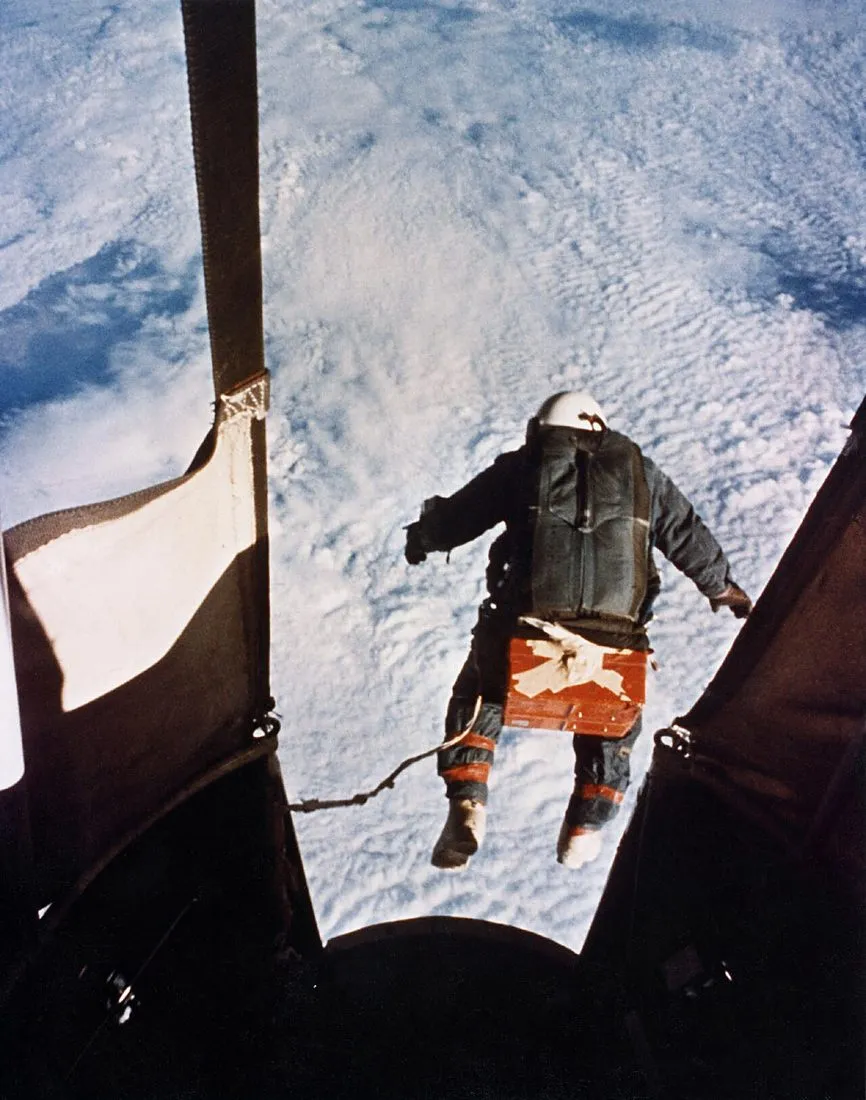
Joe Kittinger U.S. Air Force/Volkmar Wentzel (Wikimedia Commons)
Pictured Joe Kittinger

The captain who fell nineteen miles to help pilots survive

Sixty-six years ago today, an Air Force captain named Joe Kittinger stepped out of a balloon gondola at 102,800 feet, more than nineteen miles above New Mexico, and fell. He set four records that still stand in some form: highest parachute jump, highest balloon ascent, longest free fall at four minutes, and the fastest speed a human has ever reached without an aircraft, 614 miles per hour, all in service of research into how pilots might survive a bailout at the edge of space.

Kittinger wasn't chasing a stunt. He was a Vietnam-era fighter pilot who'd later spend eleven months as a prisoner of war, and the jump was part of a genuine effort to understand high-altitude emergencies before anyone else had to face one unprepared. He kept flying and kept helping for decades afterward. At 84, he came back one more time, as capsule communicator, to talk Felix Baumgartner through his own record-breaking fall from the stratosphere in 2012, the jump that finally beat his.

It's a good thing to remember on a summer morning: sometimes the most useful thing a person can do is go first, so the data exists and the next person doesn't have to guess.

Today’s complete edition

The discoveries, in full

Read the evidence, what it changes, and the reporting behind each of today’s 8 discoveries.

01/08 Social Sci. Natural Sci.

America's obesity rate just started falling

For twenty-five years the number only moved one direction. Then a Gallup report out this July showed the US adult obesity rate dropping to 36.4%, down from a peak of 39.9% in 2022 78.
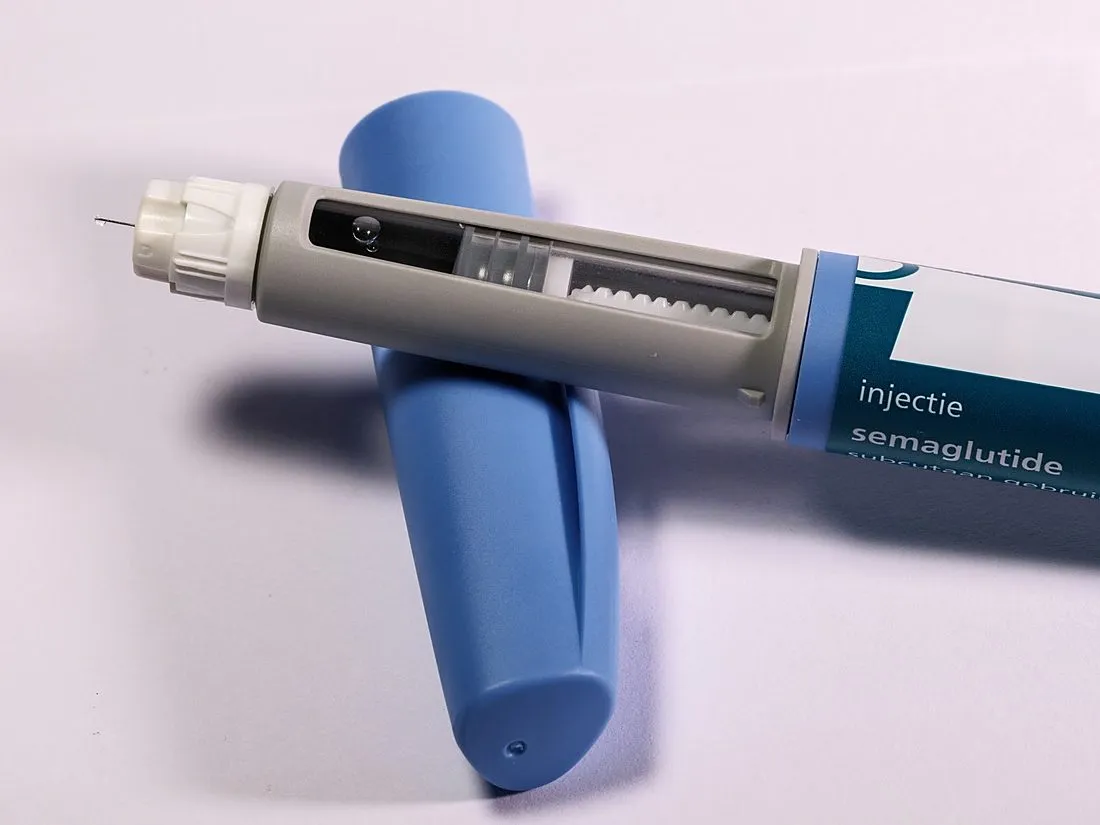
a semaglutide injection pen
Pictured a semaglutide injection pen · Haberdoedas Photography (via Pexels)

Over that same stretch, the share of adults who say they're currently taking a GLP-1 drug for weight loss jumped from 3% in 2024 to 11% in 2026, roughly 29 million people 78. Nobody can yet prove the drugs caused the whole shift, but the timing is hard to ignore. Cambridge researchers, meanwhile, worked out something that had puzzled the field: some obesity drugs work by switching a brain receptor called GIPR on, others by switching it off, and both cause weight loss. In mice, activating GIPR in the brainstem cut appetite, while blocking the same receptor in the hypothalamus released a kind of brake on fullness signals, a different mechanism arriving at the same result 3. Combine the two approaches with an existing GLP-1 drug and the effect gets stronger still.

What each field noticed (2)
ScienceDaily: "Scientists solve the mystery of a brain "switch" that can trigger weight loss in opposite ways"

Natural Sci.

The Cambridge team cared about the wiring: why Mounjaro and Zepbound, which activate GIPR, and MariTide, which blocks it, both work. The answer lives in which brain region gets touched, not whether the receptor is turned up or down 3.

02/08 Natural Sci.

One ant can set an entire colony in motion

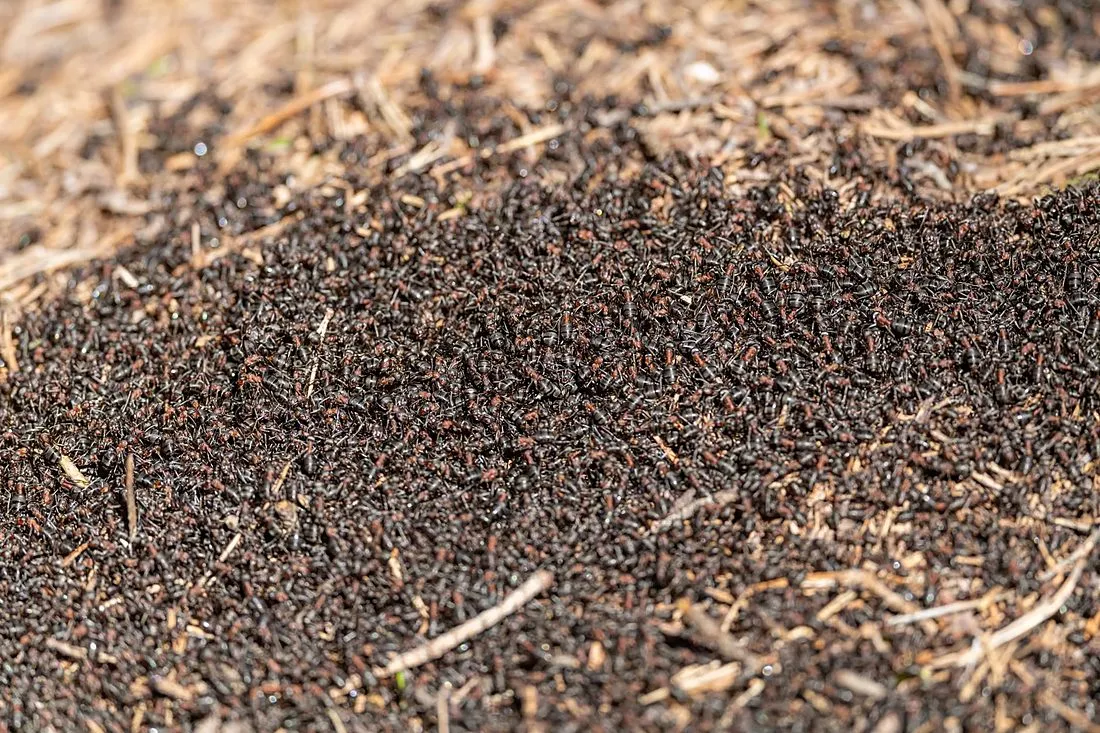
About thirty years ago, biologists noticed something odd about acorn ants: colonies would periodically erupt into brief, synchronized bursts of activity, hundreds or thousands of workers surging at once, then just as suddenly go still.

an ant colony
Pictured an ant colony · Petr Ganaj (via Pexels)

Researchers at New Jersey Institute of Technology and NYU's Tandon School built a mathematical model to find out what starts the wave, giving each simulated ant three states, active, inactive, or briefly unresponsive, and letting switches happen spontaneously or through contact with an already-active neighbor 15. Most collective systems need a quorum before a cascade catches. This one didn't. When ant density, speed and sensing distance lined up just right, a single ant moving was enough to ripple activity through a meaningful share of the colony, a finding the researchers, publishing in PRX Life on August 5, called their most surprising result 15.

03/08 Natural Sci.

Dolphins filmed hunting with shells, maybe teaching each other how

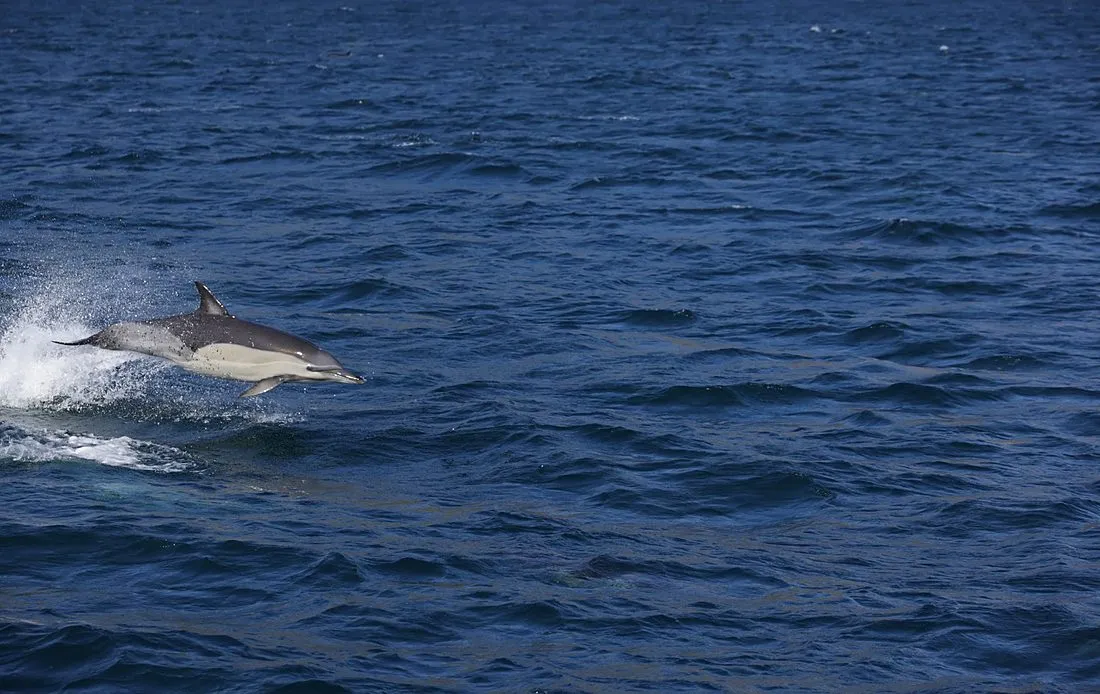
Off Hervey Bay in Queensland, Australia, researchers from the University of the Sunshine Coast caught something on camera that's rarely been documented: Indo-Pacific bottlenose dolphins, known locally as buthu, using a technique called "shelling," trapping fish inside large shells and shaking them out at the surface 25.

an Indo-Pacific bottlenose dolphin
Pictured an Indo-Pacific bottlenose dolphin · Magda Ehlers (via Pexels)

"The second I saw that shell in the air, I immediately knew what was happening," behavioral ecologist Alexis Leven said. The new footage, published in Marine Mammal Biology, hints at something more than one clever animal: the possibility that the skill is being passed from dolphin to dolphin 25.

04/08 Psychology

A packed arena, and everyone's heart starts beating together

Sixty spectators, mostly students and locals rather than devoted superfans, wore heart monitors and gave saliva samples at a University of Tsukuba home basketball game 53.

a crowd of basketball fans cheering
Pictured a crowd of basketball fans cheering · Yura Forrat (via Pexels)

What the researchers found: hormone shifts, including in oxytocin, the so-called bonding hormone, alongside heart rates that fell into sync across the crowd, both of which lined up with how much unity and enjoyment people reported and whether they wanted to come back 53. "We wondered whether spectators might similarly become connected simply by sharing their attention and emotions at a live sporting event," said lead researcher Takashi Matsui, whose earlier work found the same oxytocin bump in judo practice and even in competitive esports played with no physical contact at all 53.

05/08 Good News

A California creek got its floodplain back, and its salmon are thriving

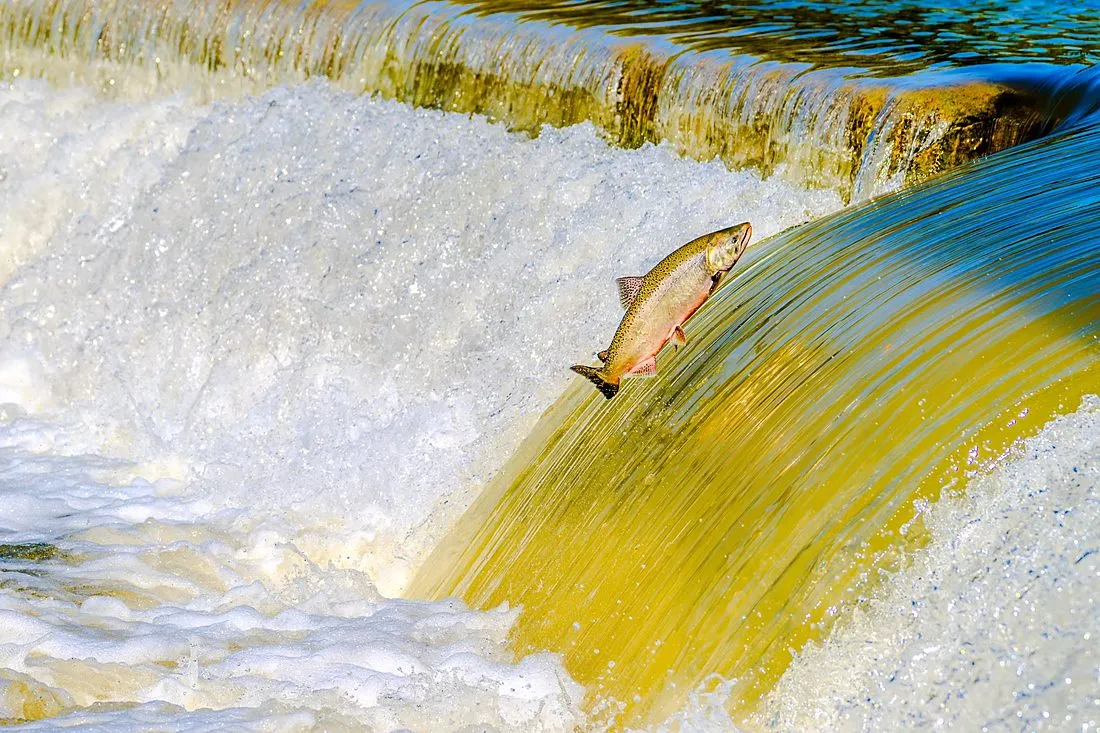
Along California's redwood coast, a decade-plus restoration project turned a former lumber mill site on Prairie Creek back into wetlands and floodplain, reconnecting the water to the side channels and slow pools young salmon actually need 124.

a coho salmon in a stream
Pictured a coho salmon in a stream · Héctor Berganza (via Pexels)

The payoff, tracked by researchers from Cal Poly Humboldt and the Pacific States Marine Fisheries Commission with tiny microchip tags: juvenile coho using the restored habitat grew up to twice as fast as fish in the main channel, and 2.6% of the 2023 cohort survived their years at sea and returned to spawn, compared with roughly 1% before 124. "In certain sites and certain years, the fish using restoration sites grew up to twice as fast," said fish biologist Carter Adamson 124.

06/08 Natural Sci.

Ice age ancestors left a warmth signature in living Japanese DNA

A team led by Yusuke Watanabe and Yoshiki Wakiyama at the University of Tokyo sequenced DNA from 25 Jomon-culture individuals who lived in the Japanese archipelago between roughly 5,400 and 2,300 years ago, combined it with 17 previously published genomes, and went looking for signs of natural selection left over from a much older, colder past 23.

Jomon pottery
Pictured Jomon pottery · Netherzone (Wikimedia Commons)

The Jomon lineage split from mainland East Eurasian populations 27,000 to 19,000 years ago, right at the tail end of the last glacial period, and its long isolation preserved genetic evidence that's otherwise scarce. Several variants stood out, several tied to nonshivering thermogenesis, the way the body generates heat through brown fat without shivering at all, a trait the researchers describe as "an evolutionary legacy from a colder past" still detectable in people today 23.

07/08 Good News

The first woman to complete India's toughest fighter pilot course

On August 6, Squadron Leader Bhawana Kanth became the first woman to complete the Indian Air Force's Fighter Combat Leader course at Gwalior, a 20-week program often compared to the US Navy's Top Gun and one that only about 1% of the force's fighter pilots are even selected to attempt 128.

The first woman to complete India's toughest fighter pilot course
santhe pix (via Pexels)

It's the latest marker in a decade of firsts. Kanth was one of the first three women commissioned into the IAF's fighter stream in 2016, started out on the unforgiving MiG-21 Bison, and in 2019 became the first Indian woman fighter pilot cleared for daytime combat missions 128. Graduates of the course return to their squadrons as combat leaders, the people who shape air-combat tactics and train the pilots who fly frontline missions after them.

08/08 Human Stories

A 17,000-year-old cave painting may be the oldest picture of a mind-altering plant

Deep in Spain's El Castillo cave, past a spot most visitors would walk right by, sits a small panel of five red, bell-shaped signs painted 17,000 to 15,000 years ago above a stone ledge shaped almost like an altar 133.

El Castillo cave
Pictured El Castillo cave · kaart_2 @ Mapillary (Wikimedia Commons)

For over a century archaeologists filed them under "unknown ice age marks." A researcher building on doctoral work surveying plants used in shamanic ritual worldwide now argues they're flowers, specifically the drooping, five-lobed bell of belladonna or henbane, psychoactive nightshades whose active compounds produce vivid hallucinations and a sensation described across centuries as skin sprouting fur or feathers 133. If the reading holds, it would be the oldest known depiction of a mind-altering plant anywhere, by thousands of years.

Quick notes

Shorter discoveries from this morning, worth knowing but not a full story.

World's Fourth 'Therapeutic Forest' Certified In Portugal Portugal's 400-year-old Buçaco National Forest, home to about 250 tree and shrub species and 56 kinds of mammals, birds, bats and amphibians, just became the world's fourth certified therapeutic forest and the first in the Iberian Peninsula 111. Plant Based News
So much solar: Digging into the list of every US power plant that went online this year Of 368 utility-scale power plants that came online in the US in the first half of 2026, solar led with 207 projects and batteries came second with 95, quietly outpacing every other technology on the list 86. Ars Technica
Inside a Camel Herder's Award-Winning Fight to Protect 10,000 Hectares of Thar Grassland Sumer Singh Bhati has spent years walking village to village across Rajasthan's Thar desert to protect grazing land that around 5,000 pastoral families and 50,000 livestock depend on, work that just earned him a global Rangeland Award 129. The Better India
At This Nagaland School, Kids Grow Vegetables That Go Straight to Their Lunch Plates Since 2011, students at K Khel Government Middle School have grown their own beans, cabbage, pomegranate and Naga dal on what used to be wasteland, and it ends up on their own lunch trays 132. The Better India
He Spends ₹6,000 a Month Cleaning Garbage A Rajasthan tailor named Vishnu Bhartesh, mocked at first even by his own family, now spends his own money and free hours cleaning public spaces across four states, and people call him "Swachhata Wale Bhaiya," the cleanliness brother 131. The Better India
She Left Switzerland to Help 20,000 Children in India Sandra Lavi Gojkovic walked away from a comfortable corporate life in Dubai in 2011 to build The India School Project, which now supports nearly 20,000 children across 30 villages 130. The Better India
Beating the Heat With a Million Blooming Sunflowers in Breezy Scotland Scotland's Balgone Estate has reopened its 14-acre Sunflower Trail for the season, where visitors pick their own blooms for a dollar a stem and 10% of sales go straight to brain tumor research 123. Good News Network
Family Finds Rare Megalodon Tooth Hidden Inside a Rock on New Jersey Beach A Pennsylvania family shelling on a Sea Isle City beach noticed a hole in a rock, and when young Bo Bowers reached his small hand inside, he pulled out an intact tooth from a shark that vanished 3.6 million years ago 127. Sunny Skyz
First-of-Its-Kind Trial Against Food Allergies Yields 'Exciting' Results This week's science roundup flagged a first-of-its-kind allergy trial with results researchers are calling genuinely exciting, a small but real step for people who've had to plan their lives around what might be in their food 25. ScienceAlert
The science behind Simtriyo, the first ADHD medication to target three major neurotransmitters Centanafadine, sold as Simtriyo, is the first ADHD drug to act on dopamine, noradrenaline and serotonin together rather than just the usual two, giving people who haven't responded to existing options something genuinely different to try 56. PsyPost
Landmark Review Reveals The Most Effective Bipolar Disorder Treatments Researchers compiled 77 meta-analyses into a free web-based tool that helps doctors and patients with bipolar disorder weigh real evidence together, aimed squarely at the nearly half of patients who stop treatment because no one included them in the decision 22. ScienceAlert
Minnesota iron ore could be key to sustainable and lower cost semiconductor University of Minnesota researchers found that low-purity "dirty" iron ore straight from the Mesabi Iron Range, no extra purification needed, can be turned into semiconductor-quality fool's gold, a discovery that surprised even the scientists who made it 12. Phys.org

Our process. Your trust.

Every discovery above traces back to an article we read in full. This is the whole corpus behind this morning, and what it was made of.

  • 24 Sources scanned
  • 136 Articles read
  • 8 Fields covered
  • 8 Discoveries

The sources that carried this morning

  1. 1 Psychology Today: The Latest 20 articles
  2. 2 Psychiatric Times articles 19 articles
  3. 3 PsyPost Psychology News 10 articles
  4. 4 Interesting Engineering 10 articles
  5. 5 Phys.org 9 articles
  6. 6 ScienceAlert 8 articles
  7. 7 Futurism 8 articles
  8. 8 VegNews.com 7 articles
How an edition is made

Everything we read today

Natural Sciences 28 articles
Life Sciences & Medicine 19 articles
Psychiatric Times articles
Psychology & Behavioral Science 30 articles
Social Sciences 6 articles
Technology & Innovation 27 articles
Plant-Based & Vegan 10 articles
Solutions & Good News 12 articles
Human Stories & Ideas 4 articles
The long view · not today’s news, the story behind it

Today’s discoveries didn’t come from nowhere. Here’s the older, ongoing story they belong to, a moment from this day in history, and a question to test what stuck.

The story so far

On this day in science

1858 The first message crosses the Atlantic by cable Queen Victoria sent a telegram of congratulations to President James Buchanan along the first transatlantic telegraph cable, a greeting that once would have taken days to cross by ship. News could suddenly travel between continents in minutes. More from the Almanac →

Before you go: today’s quiz

The daily quiz

Who discovered X-rays in 1895, giving doctors a way to see inside the body?

Reveal the answer

Wilhelm Roentgen

Wilhelm Roentgen discovered X-rays in 1895. Within weeks doctors were using them to find broken bones, and medicine gained a new set of eyes.

See the day →

Previous editions

Every morning we have published, newest first. Nothing expires.

View the full archive

Get this every morning.

Liked today’s? Wake up to tomorrow’s, in one short letter.

  • One email each morning, never more
  • The day’s real discoveries across 8 fields
  • One calm read with your coffee

The full letter, every morning, free for good.

Same free letter, plus the reason it stays that way: no ads, no investors, no agenda but the good news itself.

A single gift of any amount. No account, never a recurring charge.