






The 14,000-year friendship that shows up in a brain scan
Archaeologists have found dogs buried beside humans in graves as old as 14,000 years, and in a new book, archaeologist Peter Mitchell argues the earliest bond wasn't domestication in the usual sense: hunter-gatherers and wolves may have started out as something closer to equals 5.
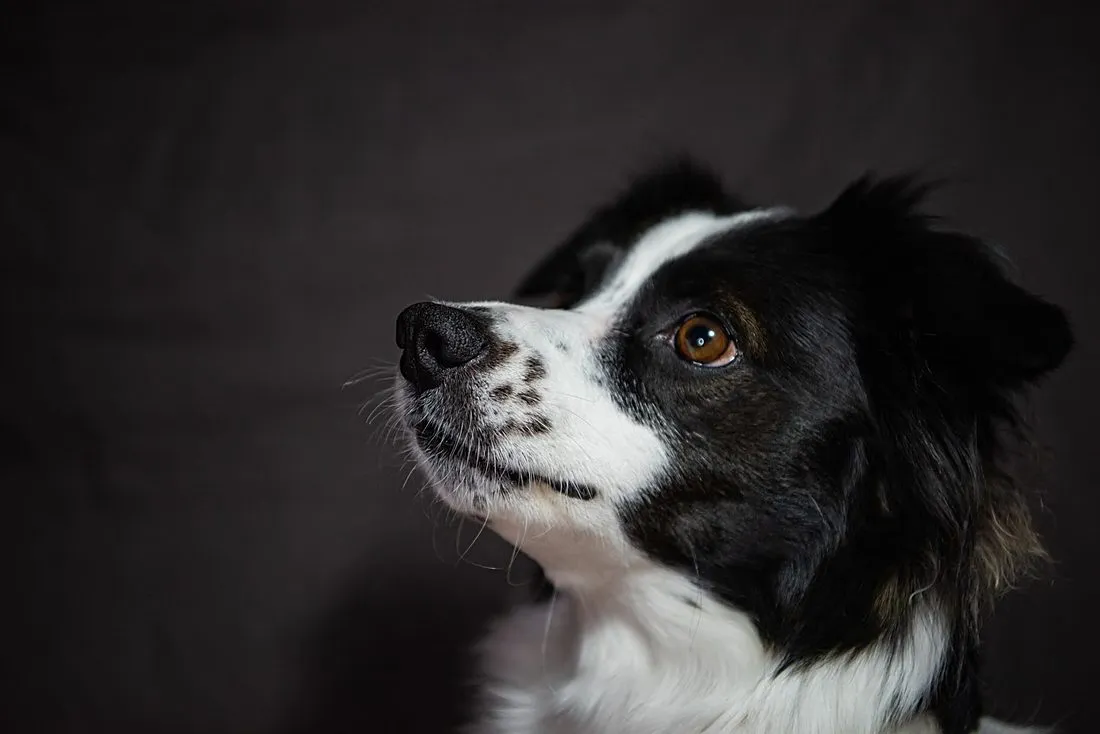
From there dogs diverged wildly to match the people around them: compact, heavily coated sled dogs in the Arctic, leaner hunters near the equator, and on the Tibetan Plateau, dogs that evolved some of the same genetic fixes for thin air that Tibetan people did. Meanwhile, a University of Vienna team put eight dogs, mostly border collies, into an fMRI scanner and showed them a stream of human faces 168. Their temporal cortex and caudate nucleus, the reward center, lit up specifically for happy expressions, and earlier work from the same lab found dogs' brains registering anger, sadness, and fear as genuinely distinct signals, not just "not happy."
What each field noticed (2)

For 15,000 years, humans and dogs have been changing each other
This is the long view: dogs didn't just get tamed, they got sculpted, generation after generation, into whatever shape a given landscape and a given people needed 5.
Read the story Ars Technica
 Dogs can tell if you're scared or sad
This is the mechanism, right now, inside a living dog's skull: a specific reward circuit firing when it sees you smile 168.
Read the story