






A black hole that vanished from the middle of its galaxy
University of Maryland astronomers led by Robert David Stein caught a supermassive black hole doing something it apparently shouldn't: sitting 30,000 light years from the center of its galaxy, the first "dormant" black hole ever found that far from a galactic core 15.
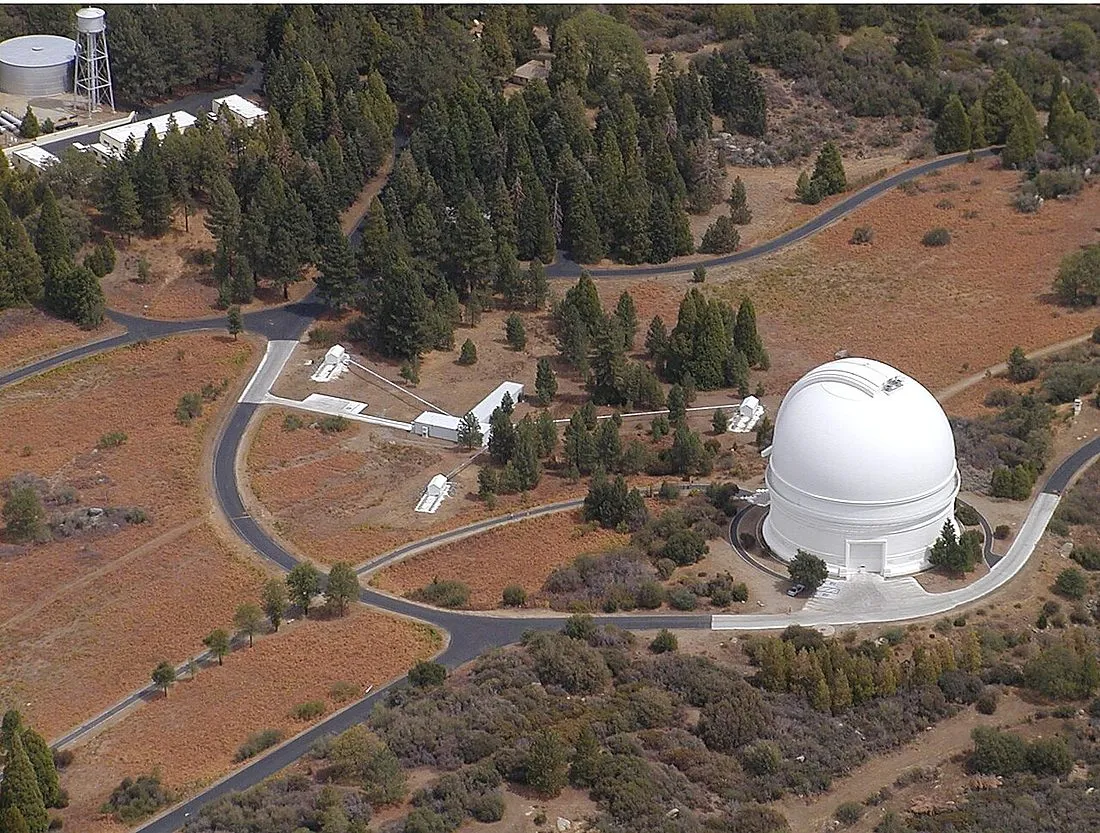
It gave itself away the only way a quiet black hole can, by shredding a star that wandered too close and throwing off a brief, brilliant flare, caught by the Zwicky Transient Facility's twin telescopes at Palomar Observatory during their every-two-days sweep of the northern sky. An AI system sifted through the hundreds of thousands of transients the survey records each night to flag the one worth a second look. Astronomers had long suspected wandering black holes exist, flung to galactic outskirts by mergers and collisions, but a quiet one is invisible until it eats something. "This discovery will have a huge impact," said co-author Suvi Gezari. "It means that we're going to find many more examples of wandering black holes."