

The daily edition · August 5, 2026

Ancient brains can survive burial for millennia, and roads got far safer

Your morning brief

an 11-minute read

The feel-good story of the day

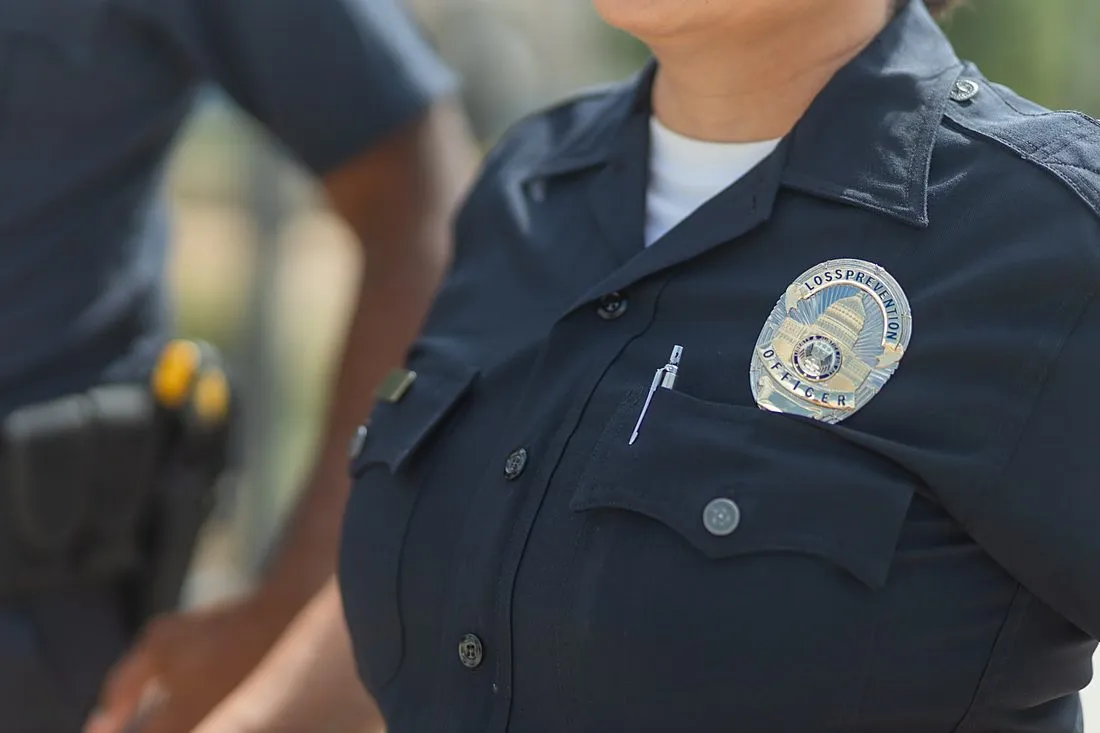
a police officer in uniform on a bridge Kindel Media (via Pexels)
Pictured a police officer in uniform on a bridge

'I love you, it's gonna be alright'

On July 23rd, Nashville police lieutenant Mike Hotz was called to the Victory Memorial Bridge, where a man was threatening to jump. He didn't rush the man or issue commands. He walked up and said, "Hey man, my name's Mike. Can I just holler at you?"

What followed was closer to a conversation between two people than a negotiation. Hotz, a military combat veteran who served on Nashville's Crisis Negotiation Team, drew on his own memory of watching fellow soldiers struggle with suicidal thoughts after coming home. He made the man one small promise: "I'm not gonna try nothing crazy. I promise you to the Lord himself. Can I shake your hand?"

The man took the handshake. It became a hug. "We're here to love you, bro," Hotz told him, and the man walked off the bridge toward the counselors waiting to help him. Afterward, Hotz stepped away from the scene alone and said a quiet prayer of thanks. He hopes the story convinces more people that an uncomfortable conversation, offered without judgment, can be the thing that saves someone.

The common thread · How today's discoveries connect Open editor's note
Fresh today · August 5, 2026

The discoveries, in full

an archaeologist excavating a waterlogged burial site
Pictured an archaeologist excavating a waterlogged burial site · Barbaros Gültekin (via Pexels)
01/08 Natural Sci.

The chemistry that lets human brains outlast the rest of the body

More than 4,400 preserved human brains have turned up in archaeological digs spanning the last 12,000 years, usually as the only soft tissue left among a set of otherwise skeletal remains 11.
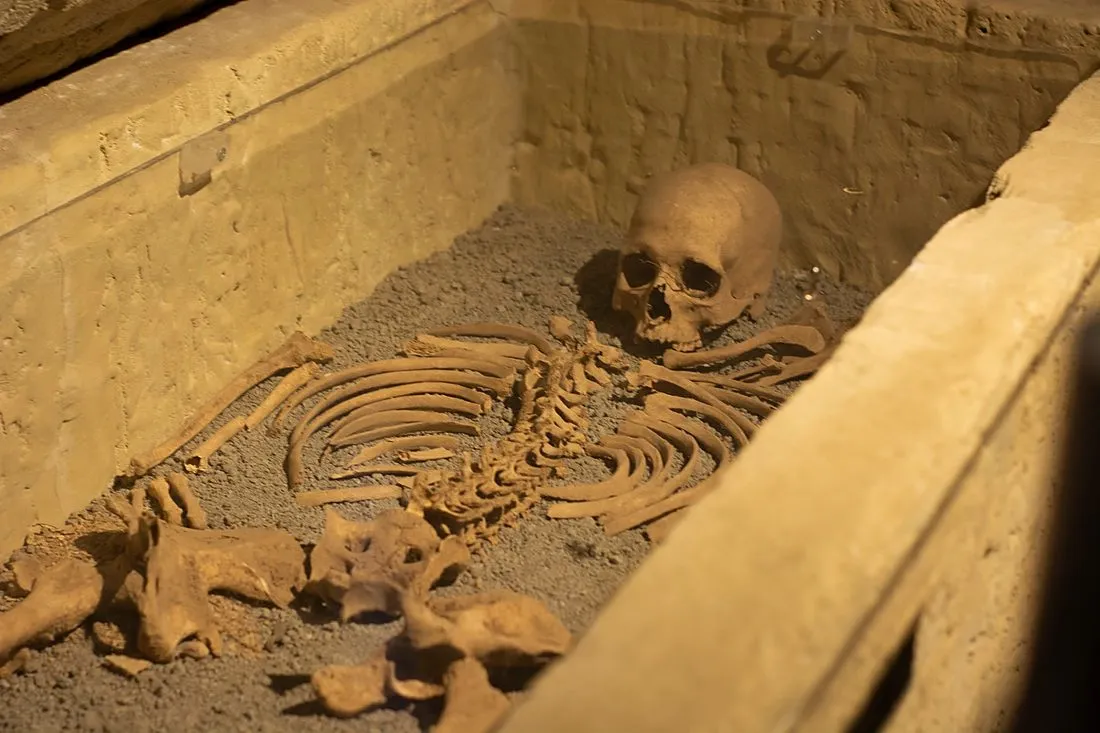
Oxford paleobiology researcher Alexandra Seviour and her team think they've finally figured out why. About a third of these brains are found in waterlogged, oxygen-poor ground, riverbeds, flooded caves, sunken shipwrecks, conditions everyone assumed would accelerate decay, not stop it 11. To test the idea, the team buried mouse carcasses in four different water and oxygen environments and tracked their decay chemistry over six months, dissecting brains at set intervals and running high-resolution mass spectrometry to see which proteins survived. What they found was that preservation isn't a rare fluke; it's a distinct chemical pathway where the same reactions that normally degrade tissue instead weld the breakdown products together into something tougher than the original 11.

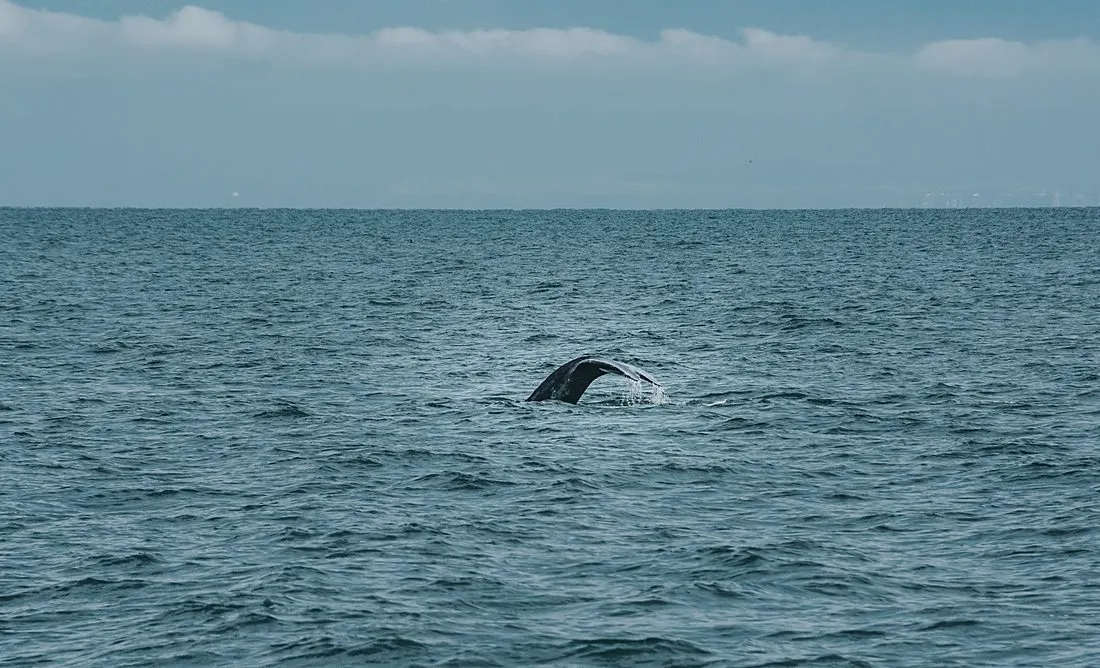
a bowhead whale
Pictured a bowhead whale · Sandra Seitamaa (via Pexels)
02/08 Natural Sci.

A "master regulator" hints that DNA repair could be the real anti-aging lever

A typical human cell picks up as many as 100,000 DNA lesions a day, and the vast majority get fixed by an extraordinarily efficient repair system, says Morten Scheibye-Knudsen, a translational geroscientist at the University of Copenhagen 31.

What's new is the growing evidence that this repair machinery, not just damage itself, might be the thing that actually determines how long and how healthily we live. Researchers have been comparing centenarians' genomes against famously long-lived species like bowhead whales, which can live over 200 years, and naked mole rats, and finding a wide variety of molecular maintenance systems doing the heavy lifting 31. A "master regulator" of repair discovered in 2023 suggests these fix-it systems can be boosted together rather than one at a time. "If you can reduce DNA damage, you would probably have a dramatic effect on the aging process," says Paul Robbins, who directs the Nathan Shock Center on Genome Integrity and Aging at the University of Minnesota 31.

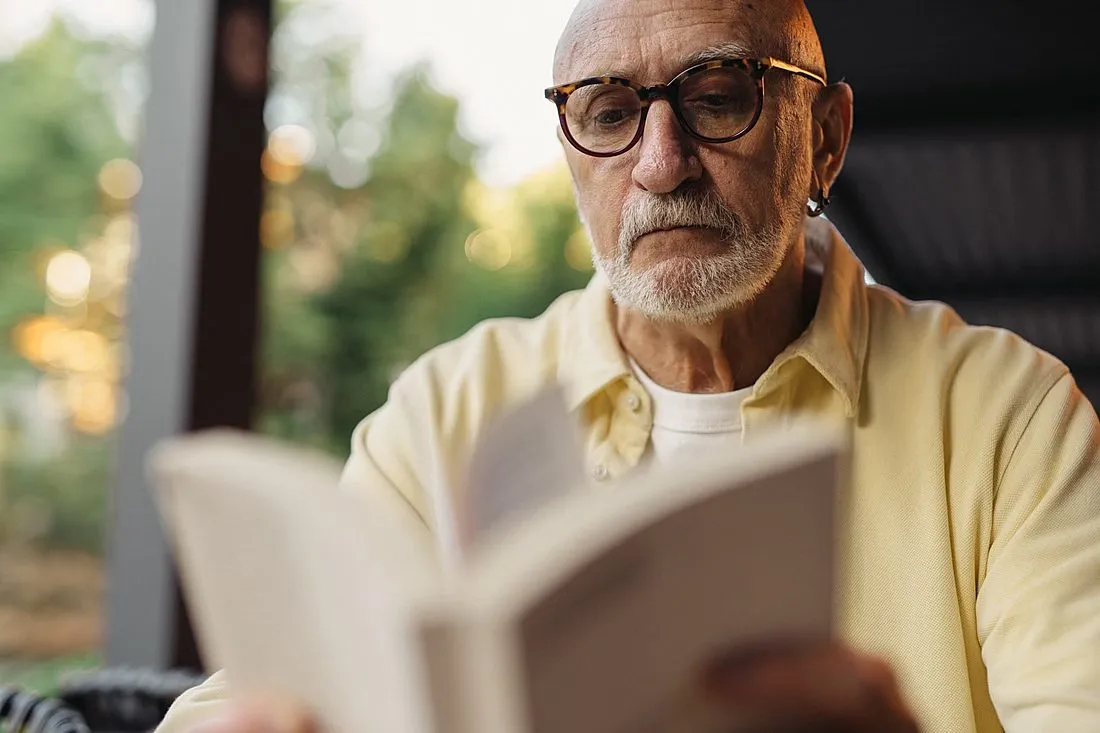
an older adult reading a book aloud at a kitchen table
Pictured an older adult reading a book aloud at a kitchen table · SHVETS production (via Pexels)
03/08 Psychology

Thirty minutes a day, out loud, by hand, brought real memory gains

George Mason University researcher Emily Ihara led a 12-week trial of a routine called StrongerMemory: 10 minutes of reading aloud, 10 minutes of handwriting, and 10 minutes of simple math problems, every day 98.

The 102 participants, recruited from aging-in-place villages and retirement communities, were all over 59 and had noticed their own memory slipping without a formal dementia diagnosis. They picked their own reading material and writing topics, and kept the math deliberately easy so it wouldn't trigger anxiety. After 12 weeks, the group showed measurable improvements on cognitive test scores 98. The logic behind it, called cognitive reserve theory, holds that mentally demanding tasks that engage several brain networks at once, the way reading aloud stacks visual and auditory processing with intense focus, build a buffer against age-related decline better than single-skill brain games do 98.

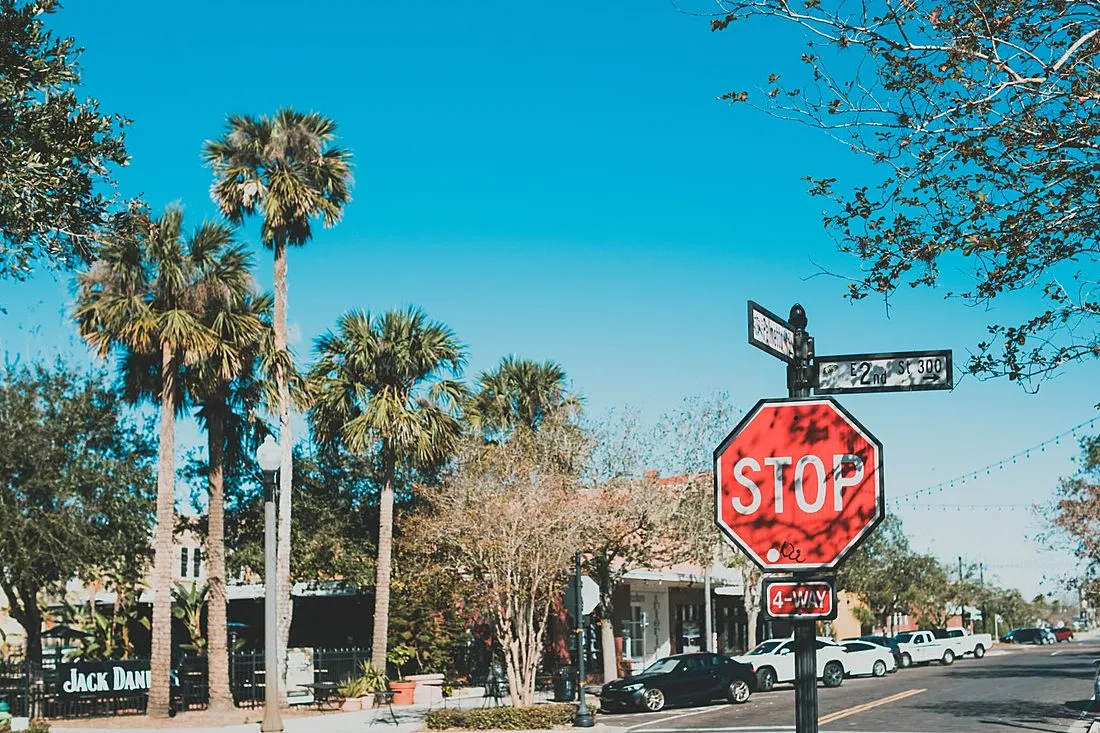
a city street intersection with a crosswalk and stop signs
Pictured a city street intersection with a crosswalk and stop signs · Connor Scott McManus (via Pexels)
04/08 Social Sci.

The world's roads have gotten dramatically safer, even as a billion more cars hit them

Cars still kill about 1.16 million people a year worldwide, more than the population of San Jose, and road injuries remain the leading cause of death for everyone between 5 and 29 108.

But new data released last month show something remarkable underneath that grim baseline: between 2011 and 2025, the rate at which the world's roads killed people, measured against population, fell 21 percent, even as more than a billion additional vehicles joined the roads 108. It traces back to a doctor named William Haddon Jr., who in the 1960s rejected the idea that crashes were simply "accidents" caused by bad drivers, and instead treated them as a predictable engineering problem, like any other cause of injury, with fixable variables. That reframing eventually produced everything from stop signs and crosswalks to crumple zones and seatbelt laws, the same fight that recently got four stop signs painted at a Brooklyn intersection after a 10-year-old girl was hit there 108.

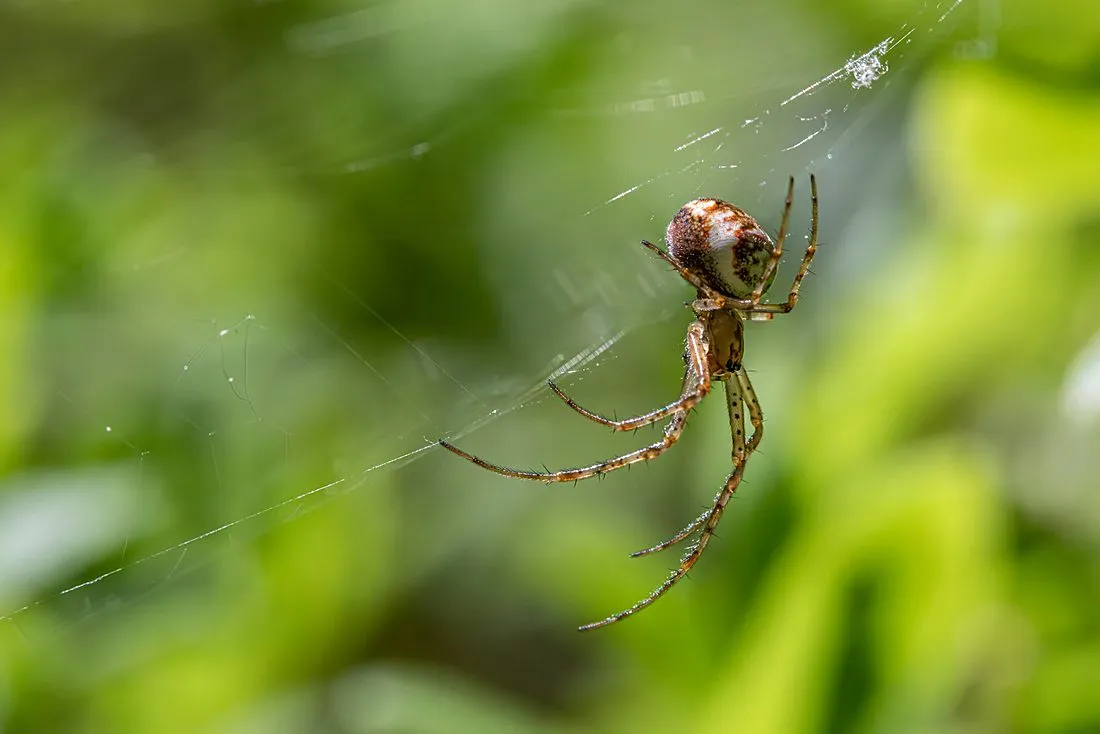
an orb-weaver spider on its web
Pictured an orb-weaver spider on its web · Erik Karits (via Pexels)
05/08 Social Sci.

An orb-weaver's silk is becoming a material for healing wounds

A spider's web isn't one material but several, engineered by the animal itself: strong frame silk for structure, a separate stretchable silk for the sticky capture spiral, and other silks reserved for egg cases and safety lines that catch a falling spider mid-drop 120.

Female orb-weavers carry multiple distinct silk glands, each doing a different structural job, and researchers have spent decades trying to understand and reproduce that precision. Now biomaterials scientists are adapting it for genuinely medical uses: spider silk's combination of strength, flexibility and biocompatibility makes it a candidate material for wound dressings and for drug delivery systems that need to hold their shape in the body without triggering an immune reaction 120.

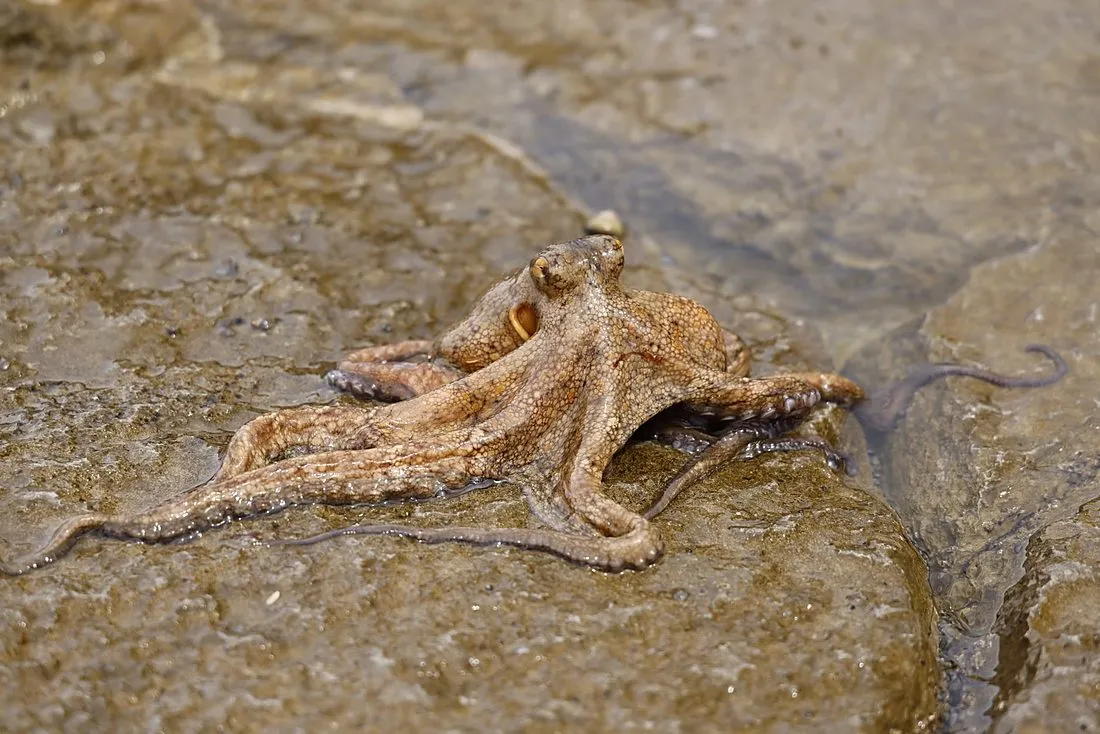
a wild octopus
Pictured a wild octopus · Christophe RASCLE (via Pexels)
06/08 Plant-Based

The world's first octopus farm just got called off

Spanish seafood company Nueva Pescanova had planned to keep octopuses, animals that build shelters, disguise themselves from predators and can solve puzzles and unscrew jars, in giant communal tanks in Gran Canaria, feeding them 28,000 tonnes of wild-caught fish before slaughtering them by the millions in ice-cold water 184.

After years of pressure from scientists and welfare groups including Compassion in World Farming, and 42,000 emails protesting the farm in the last six weeks alone, the company has confirmed it will not proceed 184. "Beyond the serious animal welfare concerns, Nueva Pescanova's project posed major sustainability and food security concerns," marine biologist Elena Lara of Compassion in World Farming told VegNews, pointing to the added pressure on already stretched wild fish populations that supplying the farm would have required 184.

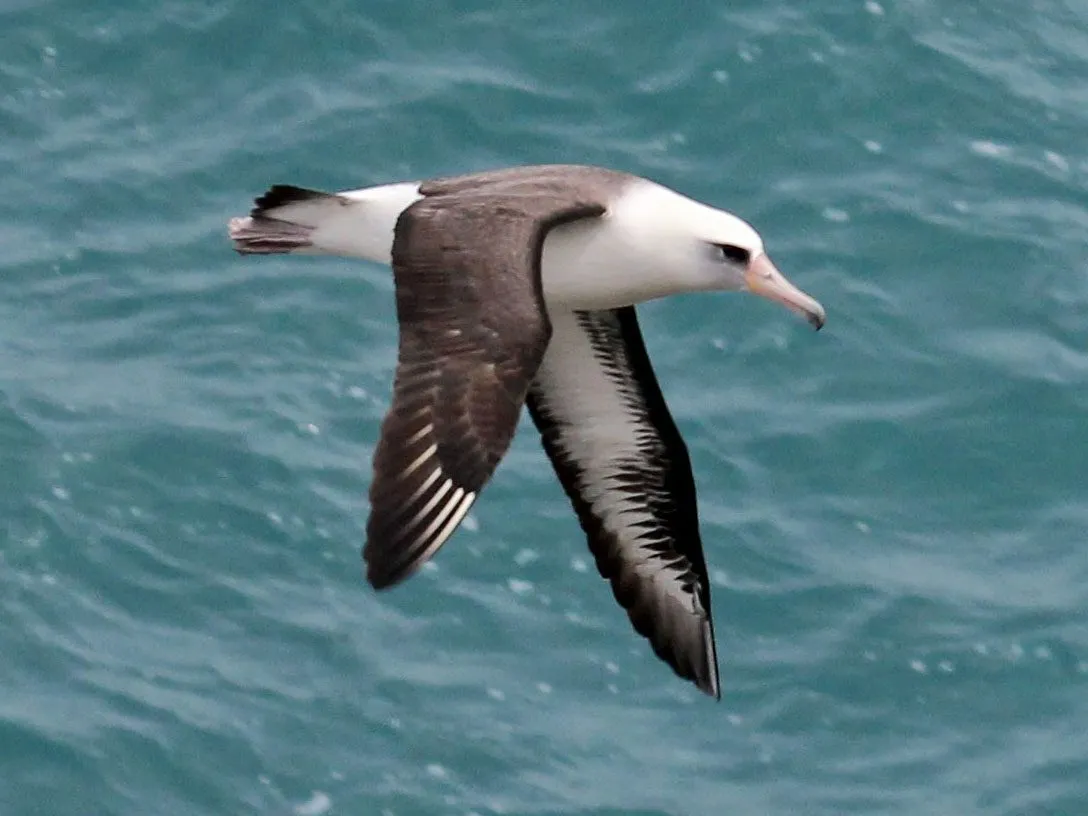
a Laysan albatross
Pictured a Laysan albatross · DickDaniels (http://theworldbirds.org/) (Wikimedia Commons)
07/08 Good News

A fence in the Pacific is turning a death trap back into a seabird nursery

In 2022, an 11,200-foot predator exclusion fence went up around 168 acres of prime seabird nesting habitat at Kīlauea Point National Wildlife Refuge on Kauai, sealing out the feral cats and pigs that had been raiding nests for years 195.

It's a serious piece of engineering: too tall for a cat to jump, capped with a claw-proof hood, buried with a rubber skirt to stop pigs from digging under it, and woven from metal mesh fine enough that no rat can slip through 195. Four years later, endangered Newell's shearwaters, red-footed boobies, red-tailed and white-tailed tropicbirds, great frigatebirds, Hawaiian petrels and Laysan albatrosses are raising chicks meters from nest sites that used to double as their graves. A similar $1.7 million fence on Oahu quadrupled the number of Newell's shearwater chicks within its first few years 195.

a city skyline at dusk
Pictured a city skyline at dusk · Guohua Song (via Pexels)
08/08 Good News

The US may be living through its second "Great Crime Decline," and nobody's fully sure why

The nation's murder rate dropped from 9.8 per 100,000 people in 1991 to 5.5 by 2000, a 44 percent fall known as the first Great Crime Decline. Crime data analyst Jeff Asher says the country is now three, going on four, years into a decrease that large has "never been this large for this long," outside that one earlier stretch 201.

Through April of this year, New York City recorded its lowest monthly homicide count in data going back to 1960, and Philadelphia, Baltimore, New Orleans and Chicago all posted historic lows too 201. Nationally, the US may be at or near the lowest homicide rate the FBI has ever recorded. What makes it strange is that it's happening during reduced police staffing, elevated gun availability, and persistent poverty, the exact conditions that would usually predict the opposite 201.

Fresh today · August 5, 2026

Good news you might have missed

What Happens When Sixth Graders and Elders Learn Together A Saskatoon program pairs sixth graders with long-term care residents for a full school year, and one resident with dementia said she went from "a daily dread that I was still alive and breathing" to looking forward to every day 97. Greater Good
Self-Healing Contact Lenses Repair Scratches with Just 1 Hour of UV Light Exposure South Korean researchers built a hydrogel contact lens that mends its own scratches under an hour of UV light, even from a nail-polish curing lamp, cutting down on needless replacements 194. Good News Network
64-yo Father of Five Graduates as a Nurse After Studying Alongside His Son as an Immigrant John Adesoye left a poor farming family in Nigeria and graduated from nursing school in Bristol at 64, one day a week on the same campus as his son. "Don't listen to people who say you're too old for university," he said 196. Good News Network
New Images Capture the Oldest-Known Sunda Clouded Leopard Camera traps in Borneo recorded an 8.5-year-old female clouded leopard, the oldest ever documented in the wild, and confirmed these elusive cats roam up to 19 miles between forest reserves 197. Good News Network
How schools are winning children over to healthier lunches England is overhauling school food standards for the first time in a decade, banning deep-fried food and extending free school meals to 500,000 more children, while one London primary school runs weekly "breaducation" where kids bake the day's bread 199. Positive News
3D-printed bone implants that release drugs as they heal Czech researchers are 3D-printing titanium joint implants with pores fine enough to hold antibiotics and release them gradually after surgery, aiming to cut the infection risk of joint replacement 213. The Optimist Daily
Purpose-built robotaxis get official nod for paid operation in the US US regulators cleared Amazon's Zoox to run a commercial robotaxi service in a vehicle with no steering wheel or pedals at all, the first time a car built with no human driving controls has been approved for paid rides 165. New Atlas
Genetically modified hookworms could protect against deadly pufferfish toxin Scientists achieved the first-ever stable genetic modification of a human hookworm, engineering it to secrete an antibody that neutralizes tetrodotoxin, turning a gut parasite into a living drug factory 161. New Atlas
Magnetoelectric underwater skin senses damage, repairs itself Singapore researchers built a stretchable electronic "skin" that works underwater, feels when it's been cut, and heals the damage on its own, tested on a diving glove that lets divers communicate by hand gesture 162. New Atlas
Scientist Constructs 'Big Picture' of Mars Water from Rover Data A researcher pieced together 20-year-old Spirit rover data from 32 undisturbed Gusev Crater soil sites and found crystalline hematite scattered widely enough to suggest Mars once had far more water than anyone expected 72. Universe Today
See the Perseid Meteors on a New Moon Year The Perseids peak August 13th with no moonlight to wash them out this year, a rare coincidence that last happened in 1942 and won't happen again until 2045 74. Universe Today
This IIT Team Built an AI System That Can Predict Floods Before the First Drop Falls An IIT Gandhinagar team built a physics-guided AI command center that shows Indian cities exactly which neighborhood will flood first and how deep the water will rise, before the monsoon rain even starts 208. The Better India
2 Families Transformed a 19th-Century Virginia Lighthouse Into a Summer Hangout Two Chesapeake Bay families bought a decaying 1891 lighthouse for $31,000 and poured in 7,000 volunteer hours to save it, and its beacon still guides boats on the James River 135 years later 198. Nice News

Everything we read today

Natural Sciences 74 articles
PLOS One
Life Sciences & Medicine 22 articles
Psychology & Behavioral Science 11 articles
Social Sciences 19 articles
Technology & Innovation 42 articles
Plant-Based & Vegan 24 articles
The Vegan Society - One world. Many lives. Our choice.
Solutions & Good News 32 articles
Human Stories & Ideas 17 articles
The long view · not today's news, the story behind it

Today's discoveries didn't come from nowhere. Here's the older, ongoing story they belong to, a moment from this day in history, and a question to test what stuck.

The story so far

On this day in science

1930 Neil Armstrong is born Neil Armstrong, who would become the first human to set foot on the Moon, was born in Wapakoneta, Ohio. His quiet courage came to define the spirit of exploration. More from the Almanac →

Before you go: today's quiz

The daily quiz

Global AIDS deaths peaked in 2004. Since then they have fallen by more than...

Reveal the answer

Two-thirds

Global AIDS deaths peaked at about 2.1 million in 2004 and fell to about 628,000 by 2024, more than two-thirds lower, as antiretroviral therapy reached the people who needed it.

See the number →

Get this every morning.

Liked today's? Wake up to tomorrow's, in one short letter.

The full letter, every morning, free for good.

Same free letter, plus the reason it stays that way: no ads, no investors, no agenda but the good news itself.

A single gift of any amount. No account, never a recurring charge.