



The daily edition · August 1, 2026

A 60-year "dead" reef teems with life, and hunger works like loneliness

Your morning brief

a 10-minute read

The feel-good story of the day

an elderly astronomer looking through a telescope Dian is Light (via Pexels)
Pictured an elderly astronomer looking through a telescope

The night watchman who never stopped looking up

Today marks the passing, this week, of behavioral scientist Gordon Gallup Jr., whose decades at SUNY Albany reshaped how we think about self-awareness in animals 113. But it's worth pairing his story with a smaller, older one about paying attention to living things most people overlook.

In the brutal winter of 1962, the coldest to hit Europe in 80 years, a British birder named Hockley Clarke noticed a blackbird roosting in his elderberry tree and started leaving out food every morning and evening as the snow kept falling 249. Clarke had survived World War I as a teenager in the trenches, where he'd search for birds between shellings and once heard a nightingale singing over a field of the dead. He never lost that habit of looking for life in hard places. He named the blackbird Blackie, and for years the bird flew out to greet him at mealtimes with what Clarke swore were "glad chuckles."

It's a small story, a man and a bird trusting each other through a cold winter, but it's the kind of attention this whole digest tries to celebrate: the coral reef nobody checked on for 60 years, the pig barn nobody expected to become a mushroom farm, the blackbird nobody else was watching. Sometimes the good news is just that someone bothered to look.

The common thread · How today's discoveries connect Open editor's note
Fresh today · August 1, 2026

The discoveries, in full

a coral reef diver exploring a deep ocean reef
Pictured a coral reef diver exploring a deep ocean reef · Pia B (via Pexels)
01/07 Good News

A coral reef presumed dead for 60 years turns out to be thriving

In the early 1960s, fishing surveys off the coast of Benin picked up what looked like coral formations 52 to 56 meters down, but with only dredging and primitive sonar to go on, scientists concluded the reefs were dead and nobody went back to check for six decades 45.
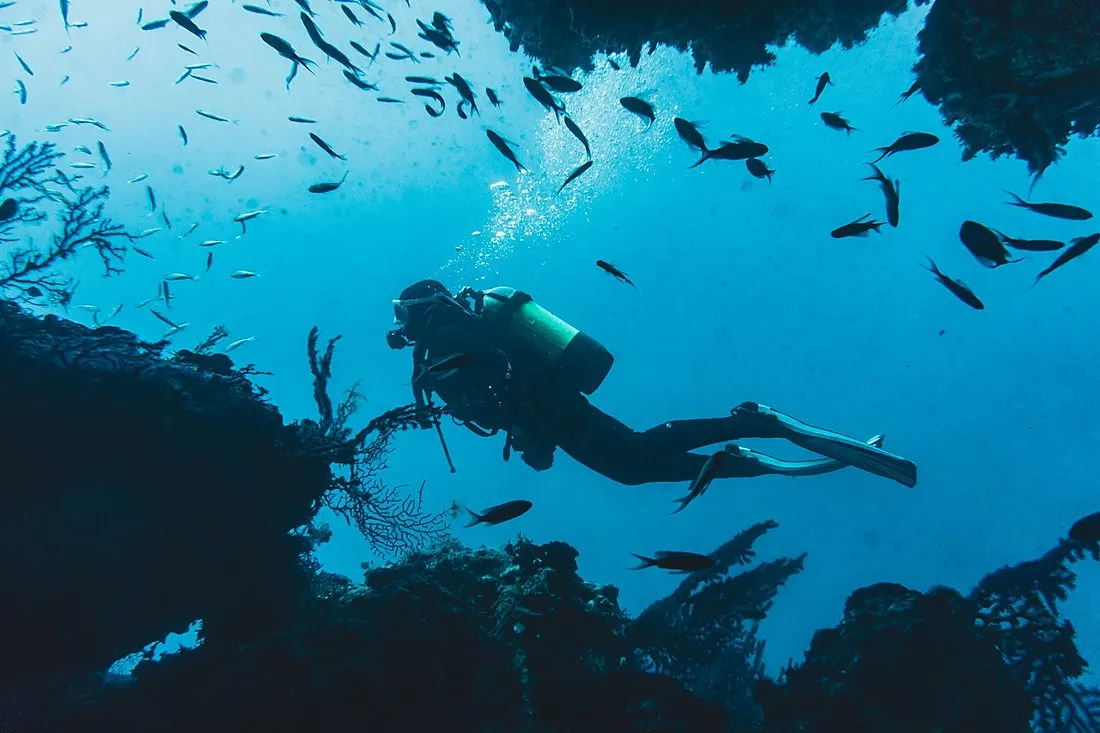
This year a team led by oceanographer Gérard Zinzindohoué finally did, spending months between April and December 2025 mapping the seafloor with modern side-scan sonar. They found two patches of hard-bottom habitat stretching roughly 7 kilometers, and when they lowered cameras and a remote drone down to look, they found a living coral garden 45. These are mesophotic reefs, sometimes called "twilight reefs," sitting deep enough that only a trickle of sunlight reaches them, which may be exactly why they survived while shallower reefs bleached in the warming water above.

a farmer inspecting mushrooms growing in a converted barn
Pictured a farmer inspecting mushrooms growing in a converted barn · Mark Stebnicki (via Pexels)
02/07 Plant-Based

A pig farm in Iowa became a mushroom farm, and it's thriving

For three decades the Faaborg family raised pigs in Radcliffe, Iowa, the state with the most factory farms in the country, housing about 8,000 animals a year in barns built for 1,100 pigs each 193.

Working with The Transfarmation Project, a Mercy For Animals initiative that helps farmers transition off livestock, they converted one of those barns into a specialty mushroom operation, now called 1100 Farm. It opens as a public demonstration hub on August 8, showing other farmers what the transition actually looks like. Tanner Faaborg told the Guardian that being a contract pig farmer indebted to a meat company "can take a toll on your mental health," and that his family, welders and hog farmers for 40 years, are "not a likely candidate for this story" 193.

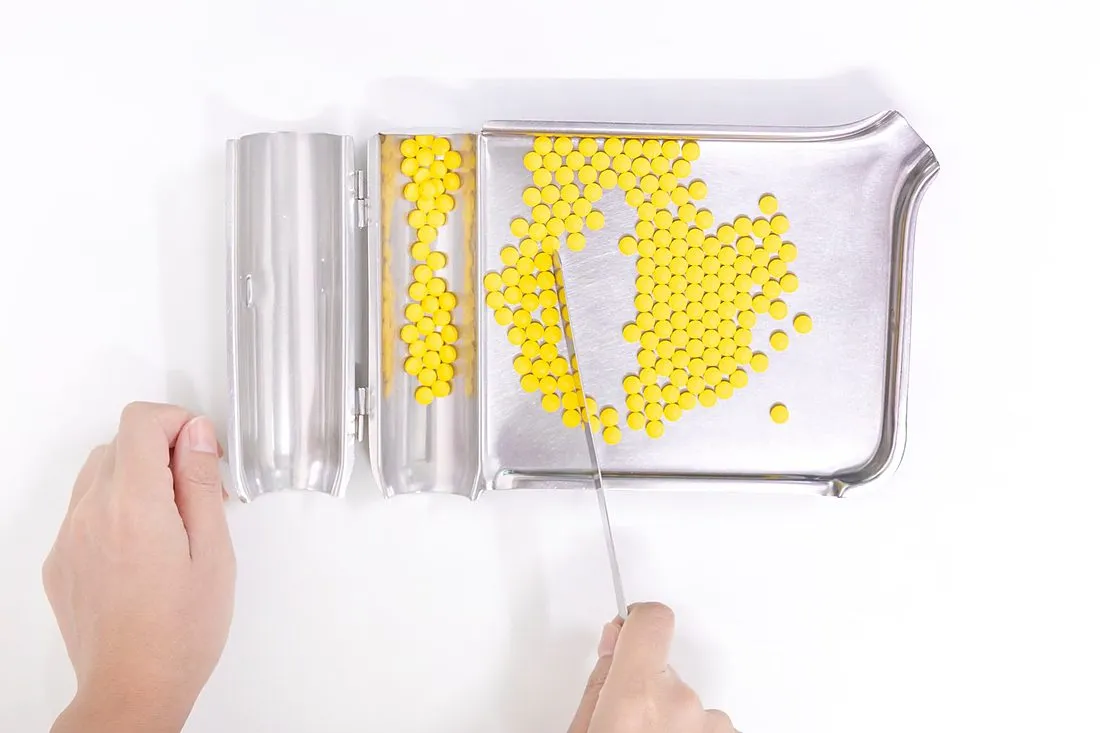
a pharmacist counting pills at a pharmacy counter
Pictured a pharmacist counting pills at a pharmacy counter · Amornthep Srina (via Pexels)
03/07 Natural Sci.

Two ordinary drugs, one antiviral and one for diabetes, cut the risk of long COVID

Two separate, rigorous clinical trials found that drugs already sitting in medicine cabinets can head off long COVID before it starts. Paxlovid, the antiviral, cut the risk of developing long COVID within three months by 40% when given during an acute infection; metformin, the cheap diabetes drug, cut the six-month risk by around half 12.

Physicians are split on whether the results are strong enough to start prescribing either drug for this purpose right now, but the fact that both trials point the same direction, using drugs with decades of safety data behind them, is notable on its own.

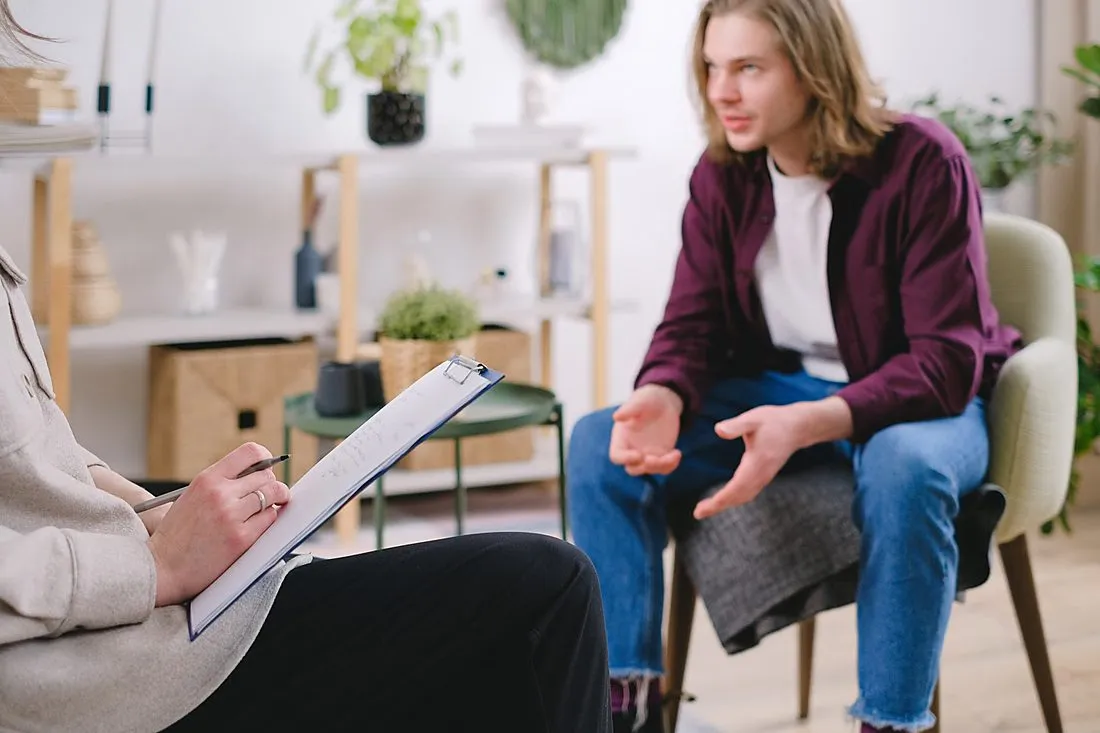
a child talking with an interviewer or counselor
Pictured a child talking with an interviewer or counselor · SHVETS production (via Pexels)
04/07 Life Sciences

A child's way of talking about hard memories can flag depression risk years in advance

Researchers at Stanford, led by Ian Gotlib and first author Chase Antonacci, recorded 30-minute structured interviews with 204 children ages 9 to 13 about stressful events in their lives, then ran the audio through four different natural-language processing tools looking for patterns in sentence structure, grammar, and word choice 57.

Kids were reassessed four and six years later. The language features the AI picked out predicted who would go on to develop depression or anxiety disorders more accurately than the standard clinical risk factors doctors currently rely on, things like trauma checklists and demographic data 57.

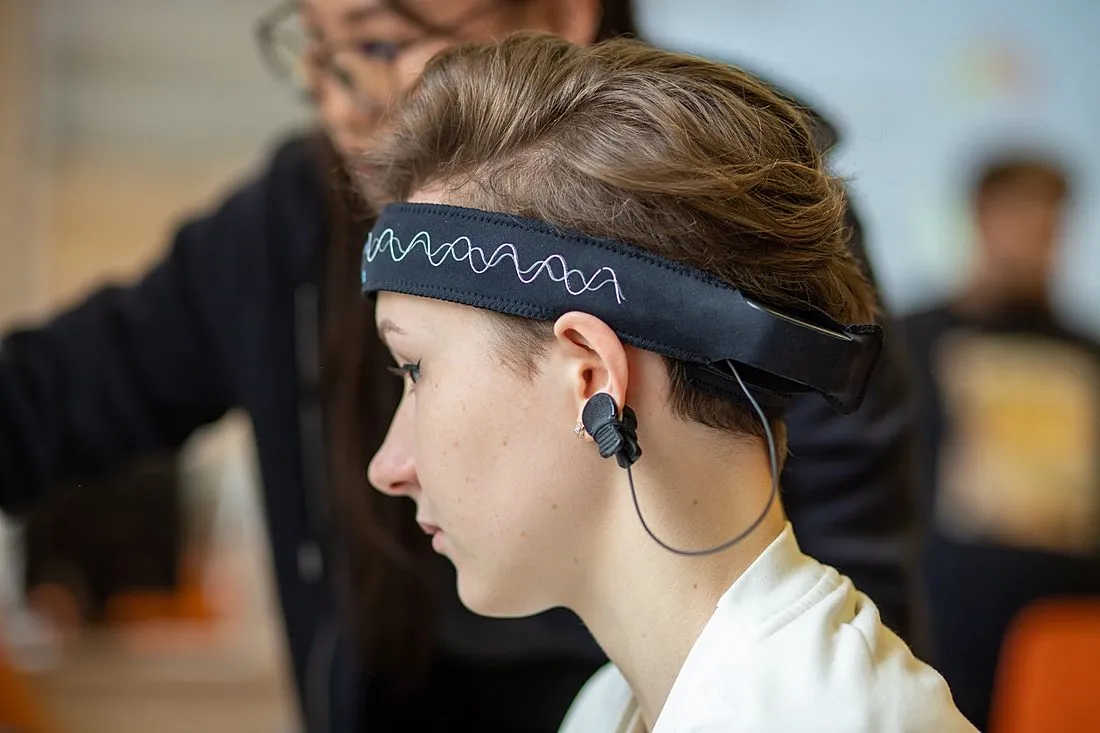
a neuroscience researcher in a lab
Pictured a neuroscience researcher in a lab · Михаил Крамор (via Pexels)
05/07 Social Sci.

A synthetic molecular brace shows promise against the toxic protein clumps behind Parkinson's

Toxic clumps of a protein called alpha-synuclein are one of the primary drivers of the neuron damage in Parkinson's disease, and current treatments only manage symptoms rather than touching that underlying process.

A research team built a synthetic molecule called SK-129 that works like a molecular brace, binding to several parts of alpha-synuclein and holding it in a shape that makes it far less likely to stick to other copies of itself, and it especially targets the earliest, most dangerous clumps before they grow 135. In mice, it blocked the clumping and spreading of the protein and reduced disease symptoms.

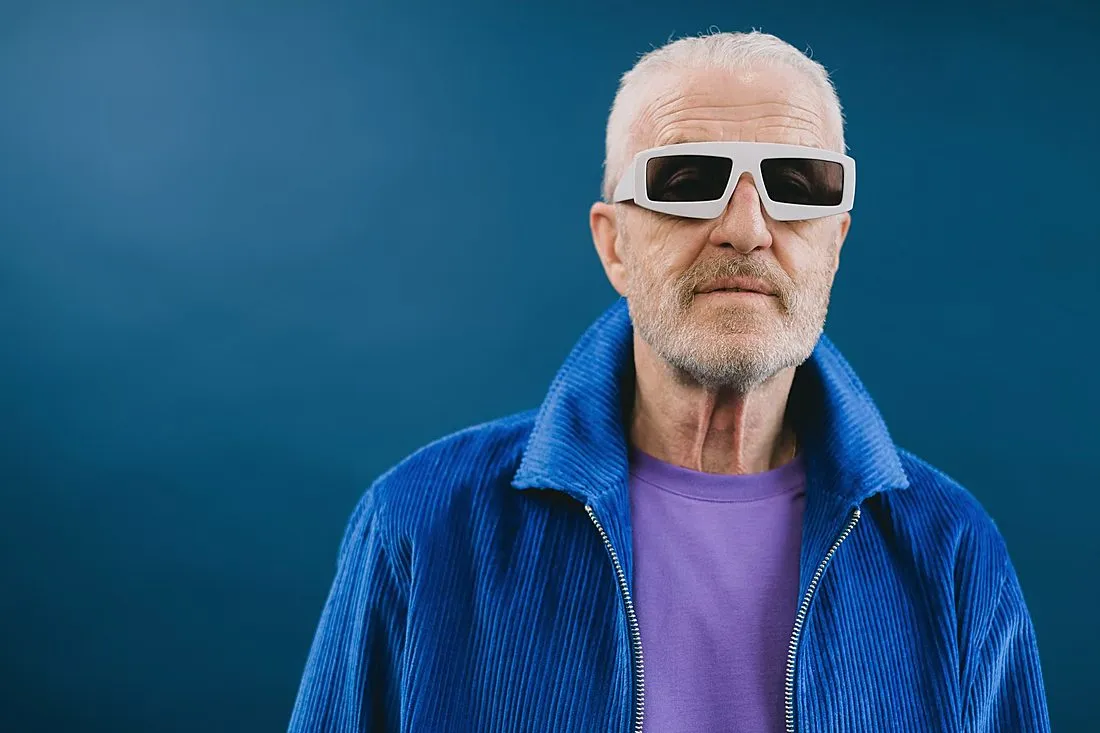
an elderly person wearing camera-mounted glasses
Pictured an elderly person wearing camera-mounted glasses · SHVETS production (via Pexels)
06/07 Technology

A tiny retinal chip lets people with a common form of blindness read again

Geographic atrophy, the advanced stage of dry age-related macular degeneration, destroys the light-sensing cells at the center of the retina and affects more than five million people worldwide, and until now there was no way to reverse the damage it causes 186.

California startup Science Corporation just won European approval for PRIMA, an implant smaller than a grain of rice placed under the macula that works with camera-mounted glasses: the glasses translate what they see into near-infrared light, the chip converts that light into electrical pulses, and those pulses stimulate the retinal cells still healthy enough to respond. In a 38-patient trial across five countries, participants gained an average of 25.5 letters, more than five lines, on a standard eye chart 186.

a person on a lunch break sitting in a small city park
Pictured a person on a lunch break sitting in a small city park · Roberto Hund (via Pexels)
07/07 Social Sci.

Getting outside during the workday measurably lifts mood, even without a hike

A researcher who spent spring 2026 studying urban landscapes in Denmark, consistently ranked among the world's happiest countries, noticed that green space there wasn't treated as a special destination but as something woven into ordinary routines: eating lunch in a courtyard, walking through a park on the way home, pausing for a few minutes between errands 136.

A growing body of research backs up what she saw: even brief, routine contact with green space measurably reduces stress and improves mood, no hiking boots or weekend trip required. Nearby, frequently visited parks, like the Civil War battlefield parks preserved on the edges of many American cities, may do more for public health than the far-off national parks most people picture when they hear the word.

Fresh today · August 1, 2026

Good news you might have missed

A New Kind of HIV Pill Just Passed Its First Test in Humans A new antiretroviral called VH-499 dropped viral load in every treated participant in a small phase 2a trial, working by blocking the virus's protein shell rather than the pathways current drugs target 47. ScienceAlert
Realistic vegan bangers just launched in the UK Juicy Marbles built its new sausages by coarsely mincing whole plant proteins with visible cubes of plant fat that melt and baste the sausage as it cooks, chasing a butcher-shop texture instead of the usual smooth emulsion 206. Vegan Food & Living
Climate-Friendly Heat Pumps Are Becoming Dominant Home HVAC System in America 46% of new US homes built last year came with a heat pump already installed, and sales are now outpacing older systems by 32%, a genuine changing-of-the-guard in how American houses get warm 212. Good News Network
Miracle as All 11 Onboard Survive Harrowing Seaplane Crash and Fire in Puget Sound A seaplane crashed and caught fire on the water near Seattle, sank within minutes, and every single person aboard, including one in critical condition, made it out alive thanks to the pilot's landing and a fast Coast Guard response 211. Good News Network
Thousands of people in China have had banned Alzheimer's surgery Small safety trials in the US and Singapore on a lymphatic-drainage surgery for Alzheimer's found it safe for up to six months with some signs of cognitive improvement, and a proper randomized trial against a sham procedure is now underway to find out if it really works 16. New Scientist
Two forms of intellectual humility have opposite links to mental health Valuing other people's knowledge is linked to greater life satisfaction, while obsessing over your own intellectual flaws is linked to lower wellbeing, a useful distinction for anyone who's been told humility is simply good for you 95. PsyPost
'Old Ladies' are free-diving on Cape Cod. They've excavated 6,000 pounds of trash. A Cape Cod nonprofit of women 64 and older, who must swim half a mile in under 30 minutes to join, has hauled roughly 6,000 pounds of junk out of freshwater ponds since 2017, including an 80-pound toilet 230. Upworthy
A study across 66 countries identified 5 things the happiest communities have in common Researchers analyzed 97,220 people across 66 countries and found societal happiness tracks equality, trust in institutions, and community connectedness, not just the sum of how happy individuals feel 229. Upworthy
Real-World and Long-Term Trial Data Show Xanomeline/Trospium Cuts Hospitalizations A new real-world look at a schizophrenia drug with a novel mechanism (it skips the dopamine pathway other antipsychotics rely on) found reduced use of antipsychotics and anticholinergics after patients switched to it 69. Psychiatric Times
A Lightning Strike Took Everything. Then A Little Boy Handed His Dad His Life Savings After lightning torched his work truck and tools, a Utah contractor's 9-year-old son offered up the cash he'd saved from a neighborhood trash-can business to replace them 217. Sunny Skyz
Switzerland's Capsule Hotel Sets 'Protein Split' Target in Favour of Plant-Based Food A Swiss hotel chain serving 150,000 guests a year committed to making 65% of its protein offerings plant-based by 2030, after research found animal ingredients drive 70% of a hotel's food-related emissions 187. Green Queen
US quantum simulator mimics real-world temperatures with two independent controls Rice University physicists built a two-knob system to precisely heat and cool trapped ions, letting them simulate real-world molecular processes like the electron transfer behind photosynthesis and breathing 176. Interesting Engineering
Organizations Rally to Reunite Lost Pets with Owners Following Earthquake in Japan After a magnitude 7.1 earthquake, a 150,000-member lost-pet social network helped reunite a frightened Chihuahua named Leo with his owner just a mile from where he was found, while a vocational school turned its classrooms into makeshift shelters for displaced pets 209. Good News Network
How community football is helping youth stay out of trouble A Leicester football club took on a teenager with a history of carrying knives to help coach younger kids, and by the end he was showing up voluntarily in the rain, a turnaround police could barely believe 216. Positive News

Everything we read today

Natural Sciences 56 articles
PLOS One
Life Sciences & Medicine 32 articles
Psychiatric Times articles
Psychology & Behavioral Science 31 articles
Social Sciences 19 articles
Technology & Innovation 48 articles
Ars Technica - All content
Plant-Based & Vegan 21 articles
The Vegan Society - One world. Many lives. Our choice.
Solutions & Good News 31 articles
Human Stories & Ideas 14 articles
The long view · not today's news, the story behind it

Today's discoveries didn't come from nowhere. Here's the older, ongoing story they belong to, a moment from this day in history, and a question to test what stuck.

The story so far

On this day in science

1834 Slavery is abolished across the British Empire The Slavery Abolition Act took effect, freeing roughly 800,000 enslaved people across most of the British Empire. It was a hard-won victory for the abolitionists who had campaigned against the trade in human beings for decades. More from the Almanac →

Before you go: today's quiz

The daily quiz

About what share of adults worldwide can now read and write?

Reveal the answer

About 88 percent

About 87.7 percent of adults worldwide can read and write, up from around 12 percent two centuries ago.

See the number →

Get this every morning.

Liked today's? Wake up to tomorrow's, in one short letter.

The full letter, every morning, free for good.

Same free letter, plus the reason it stays that way: no ads, no investors, no agenda but the good news itself.

A single gift of any amount. No account, never a recurring charge.