


The daily edition · July 25, 2026

A gene that guards the aging brain, and a tigress raising four cubs

Your morning brief

an 11-minute read

The feel-good story of the day

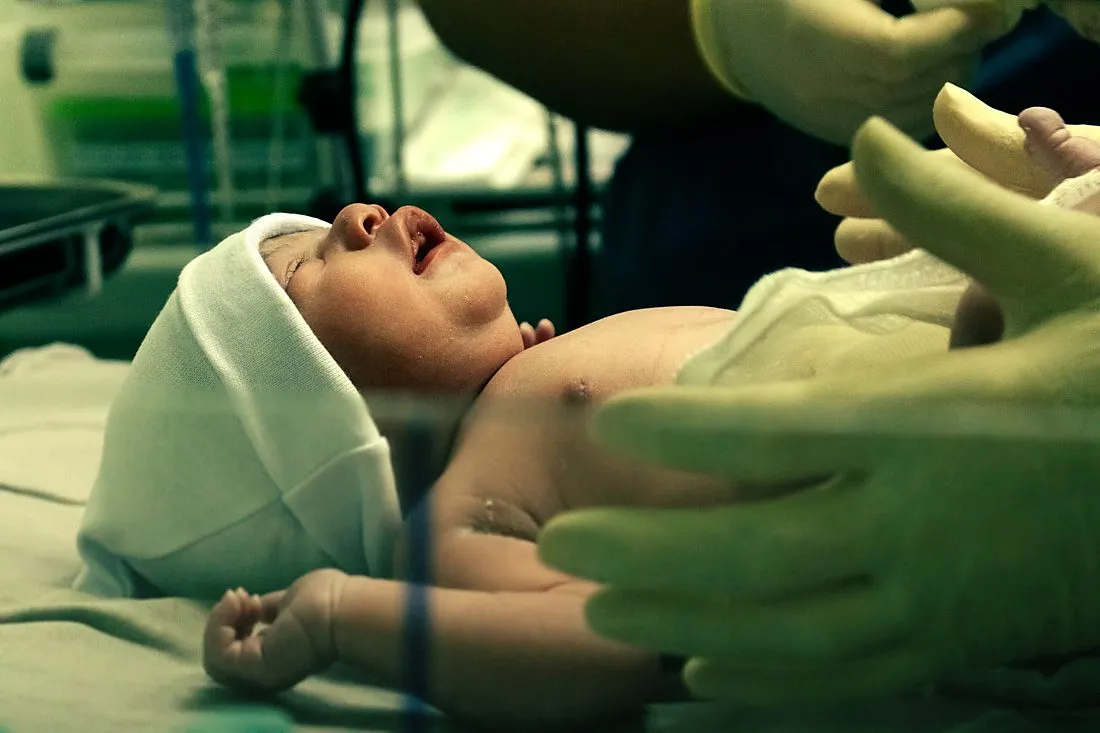
a newborn baby in a hospital Bruno Curly (via Pexels)
Pictured a newborn baby in a hospital

The baby who proved a new kind of beginning was possible

On July 25, 1978, in Oldham, England, a baby girl named Louise Joy Brown was born just after midnight, five pounds twelve ounces, by cesarean section. She looked like any other newborn. She wasn't. Louise was the first human being ever born after being conceived outside a human body, the result of a technique two scientists, Patrick Steptoe and Robert Edwards, had spent nearly a decade trying to perfect after years of failed attempts and open skepticism from much of the medical establishment.

Her parents, Lesley and John Brown, had tried to conceive for nine years before a blocked fallopian tube led them to Steptoe and Edwards. The press called Louise a "test tube baby," and the world reacted with a mix of wonder and real unease about what it meant to start a life in a lab. Edwards would go on to win the Nobel Prize in 2010, four years before he died, for the work that made her possible.

Louise grew up ordinary, mostly out of the spotlight, and became a mother herself twice over, conceiving both her own children naturally. Since her birth, in vitro fertilization has helped bring more than 12 million babies into the world. Nearly every one of them owes something to the fact that, on this day, a team of scientists and one hopeful couple in Oldham refused to accept that this couldn't be done.

The common thread · How today's discoveries connect Open editor's note
Fresh today · July 25, 2026

The discoveries, in full

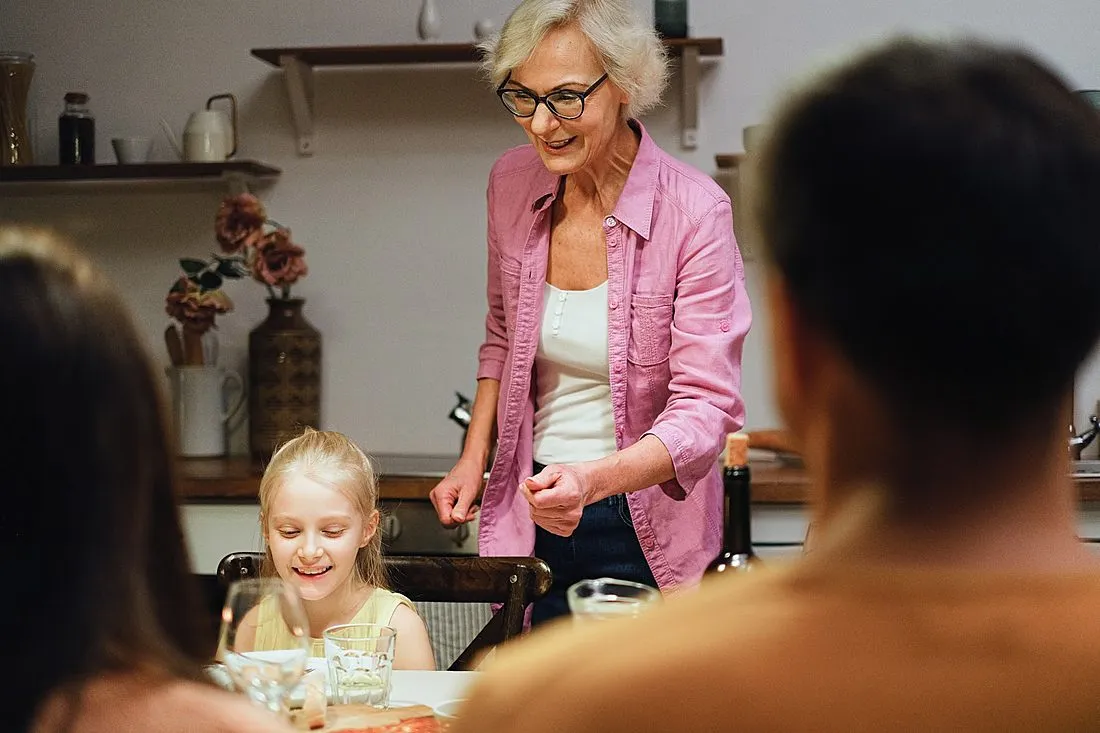
an elderly woman laughing with family
Pictured an elderly woman laughing with family · Anna Shvets (via Pexels)
01/08 Natural Sci.

A rare gene variant protects the aging brain

People who carry the APOE2 version of the apolipoprotein E gene tend to live longer and get Alzheimer's less. Scientists have known that for years without knowing why.
Researchers at the Buck Institute for Research on Aging think they've found it 3. They engineered human stem cells that were identical except for their APOE variant, turned them into two kinds of neurons, and compared what happened as the cells aged. APOE2 neurons accumulated less DNA damage. RNA sequencing showed them switching on repair pathways hard, and resisting senescence, the burned-out cellular state that piles up with age and feeds neurodegeneration. Aged mice engineered to carry the human APOE2 gene showed the same pattern in their hippocampal tissue. "We've known for years that APOE2 carriers tend to live longer and have a lower risk of Alzheimer's, but the protective mechanism has been a black box," said senior author Lisa Ellerby. Now it isn't.

a paleontologist excavating fossils in a desert
Pictured a paleontologist excavating fossils in a desert · Maciej Cisowski (via Pexels)
02/08 Natural Sci.

A 17-million-year-old jaw is rewriting where apes came from

For five years, a team led by Hesham Sallam at Mansoura University hunted the Egyptian desert for a fossil they were increasingly sure had to exist. They found it at Wadi Moghra, in northern Egypt: the jaw of a previously unknown ape, dated to 17 to 18 million years ago, the Early Miocene 5.

They named it Masripithecus moghraensis, after Masr, the Arabic word for Egypt. Before this, every Early Miocene site in North Africa had turned up monkeys, never apes, which led researchers to assume apes stayed further south. Masripithecus proves that assumption wrong, and it looks distinct enough from East African apes of the same age to suggest North Africa and the Middle East were their own evolutionary crossroads. "We spent five years searching for this kind of fossil because, when we look closely at the early ape family tree, it becomes clear that something is missing, and North Africa holds that missing piece," Sallam said.

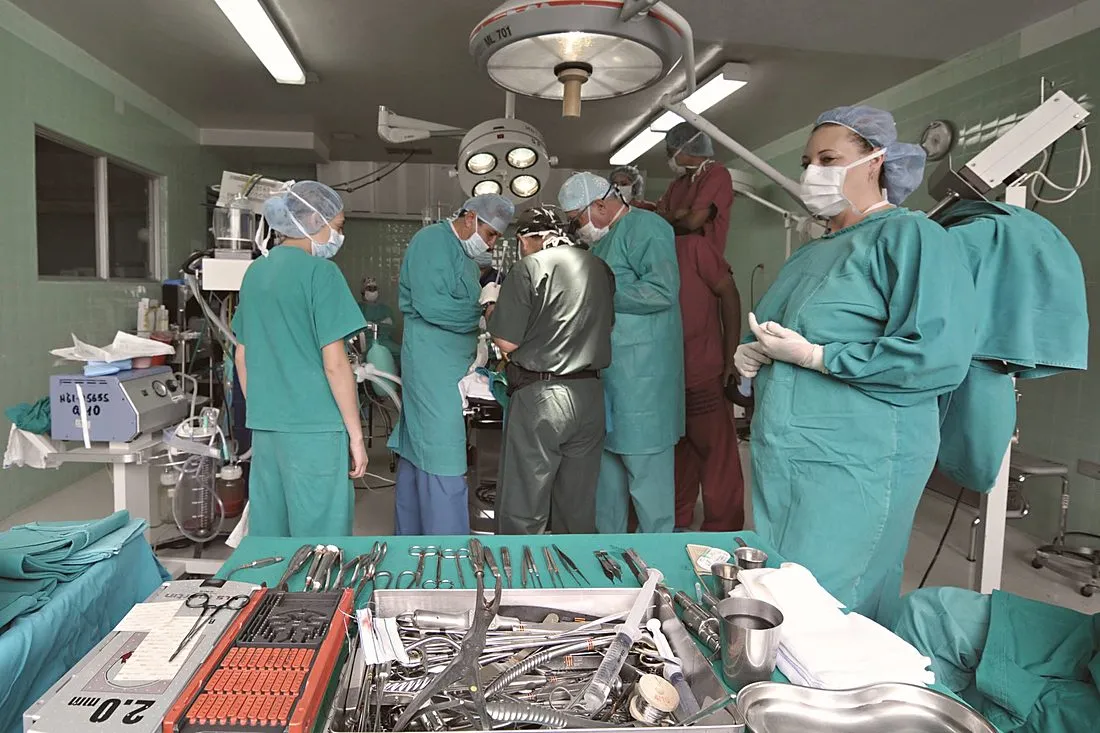
a surgical team in an operating room
Pictured a surgical team in an operating room · DΛVΞ GΛRCIΛ (via Pexels)
03/08 Technology

Pig kidneys were kept alive outside the body for days, then worked again

A donor organ starts dying the moment it leaves the body, and even on ice at 39°F, surgeons usually have only hours to get it into a recipient. Matthew Powell Palm at Texas A&M and colleagues built a device that cools kidneys to 25°F, four degrees below freezing, without letting ice crystals form, the thing that has ruined every past attempt to bank organs cold 179180.

They tested it on pig kidneys, since pig organs run close to human size. The kidneys sat supercooled for days, then went back into pigs and worked. Researchers are calling it a landmark achievement, and it didn't even require the antifreeze-like cryoprotective chemicals other teams are chasing.

a laboratory mouse
Pictured a laboratory mouse · Mikhail Nilov (via Pexels)
04/08 Natural Sci.

Most brain cells turn out to be generalists, not specialists

Neuroscience has spent decades finding neurons with startlingly specific jobs, place cells, mirror neurons, even a neuron in one famous case that fired only for pictures of Jennifer Aniston.

That made for a tidy story: the brain as a collection of specialists. Stefano Fusi at Columbia University decided to test how true that story actually is, using the International Brain Laboratory's dataset covering more than 100 mice doing a decision-making task, screen, wheel, reward 28. Across 14,000 neurons, his team found that only the dedicated sensory cortices, like the primary visual cortex, held genuine specialists. Nearly everywhere else, individual neurons responded to a jumble of things at once, the image, which side it was on, the motor plan to turn the wheel. "This is a giant smack in the face saying: fine, we got 14,000 neurons and we still didn't find it," said Baylor's Ben Hayden, of the specialist hypothesis.

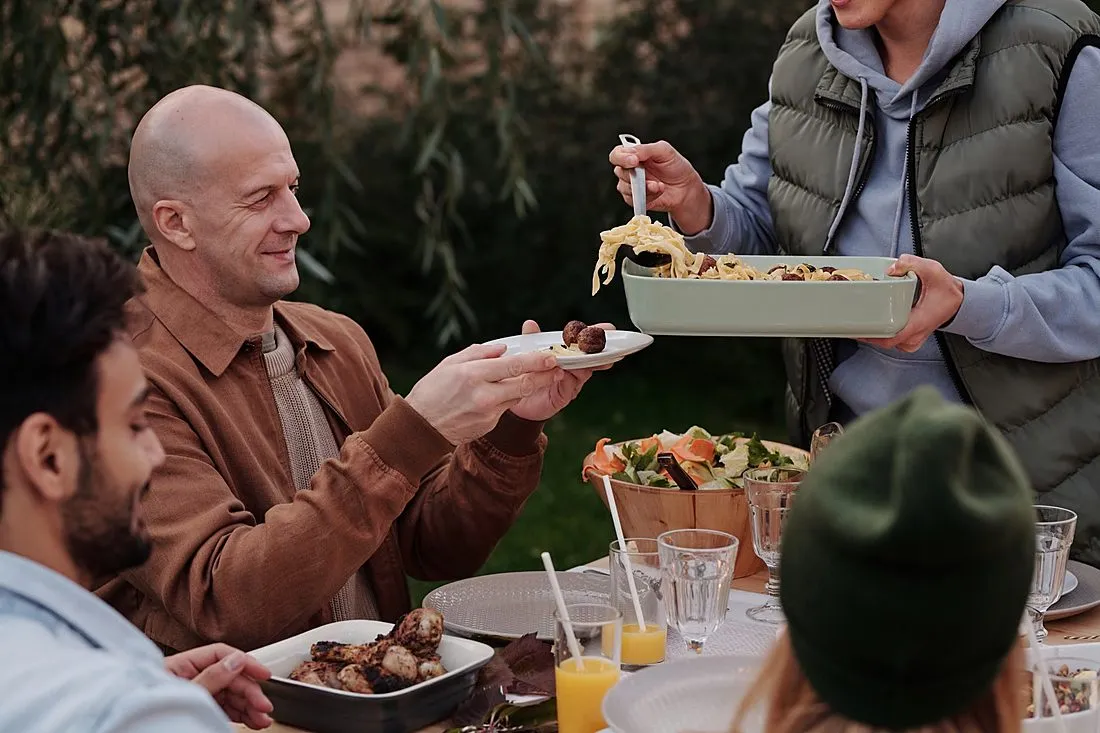
neighbors sharing a meal outdoors
Pictured neighbors sharing a meal outdoors · Askar Abayev (via Pexels)
05/08 Psychology

What makes an entire country happy, not just a person

Ewa Palikot at the Polish Academy of Sciences noticed a gap in the happiness research: almost all of it asks what makes a person happy, not what makes a whole society happy, and those turn out to be different questions with different answers 85.

Her team analyzed the World Values Survey, 97,220 people across 66 countries, testing two competing theories. The individualistic path says a happy society is just the sum of people chasing their own joy. The communitarian path says societies get happy when people build environments that look after each other, even when that costs the individual something. The data favored the second one clearly. Living around tolerant people, for instance, lifts everyone's happiness even though being tolerant doesn't especially boost the tolerant person's own mood.

a health clinic in sub-Saharan Africa
Pictured a health clinic in sub-Saharan Africa · Abubakar Ogaji (via Pexels)
06/08 Life Sciences

A once-a-month HIV prevention pill just got a lot more reachable

Merck's experimental prevention pill, alimatravir, is still in two late-stage clinical trials, hasn't been approved anywhere yet. But the company just signed voluntary, royalty-free licensing deals with seven generic manufacturers, three in Africa, four in India, to make and sell it across 129 low- and middle-income countries the moment it clears approval 74.

Because the deals are royalty-free, the generic makers can plan their costs now and start building manufacturing capacity well before any regulator signs off, instead of scrambling for years afterward the way past HIV drugs have gone.

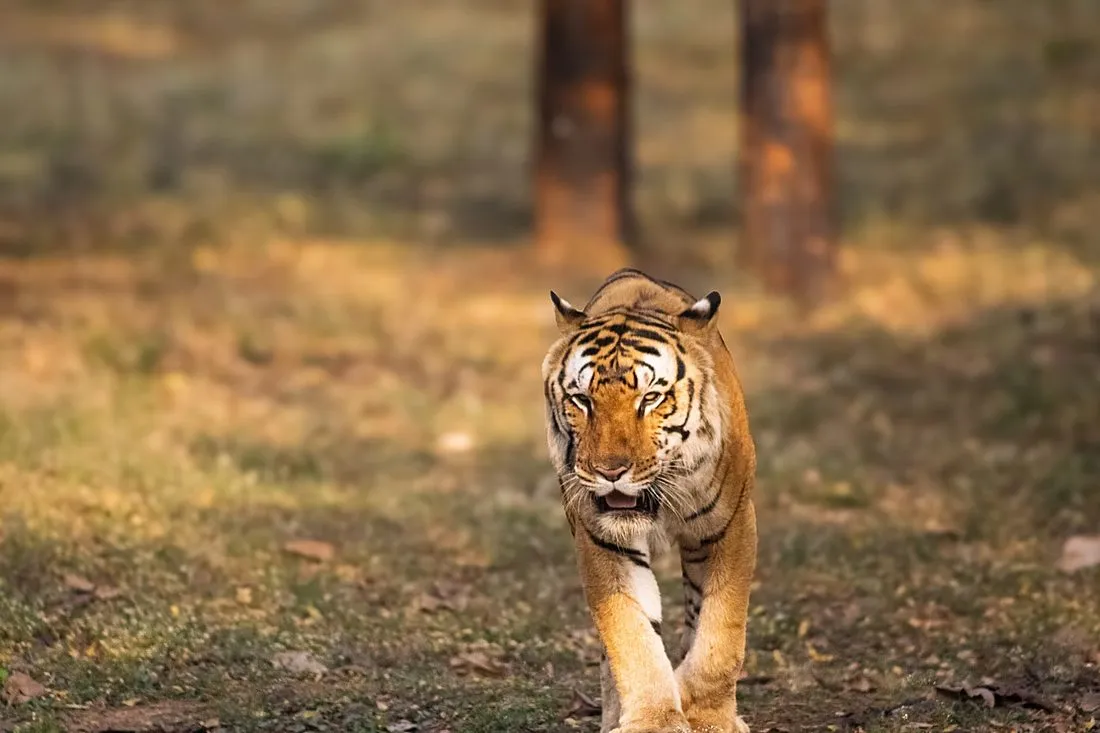
a Bengal tigress with her cubs
Pictured a Bengal tigress with her cubs · Jayesh Krishna Althi (via Pexels)
07/08 Good News

The "runaway" tigress is raising four cubs in the forest she once fled

In December 2024, a young tigress named Zeenat, moved from Maharashtra's Tadoba-Andhari reserve to Odisha's Similipal as part of a genetic-diversity program, bolted. She crossed nearly 300 kilometers through Odisha, Jharkhand and West Bengal over three weeks, dodging every tracking team sent after her, before she was finally tranquillized and brought home 217.

Headlines called her elusive, restless, a runaway. A camera trap image released this month tells the rest of the story: Zeenat, walking through Similipal carrying one of her four cubs in her jaws. "She was never a trouble-tiger," said Dr Ravikant Khobragade, the vet who first collared her. "She was simply looking for space." Her litter is the first real success of Odisha's tiger supplementation program, and it has pushed Similipal's cub count from 12 to 16.

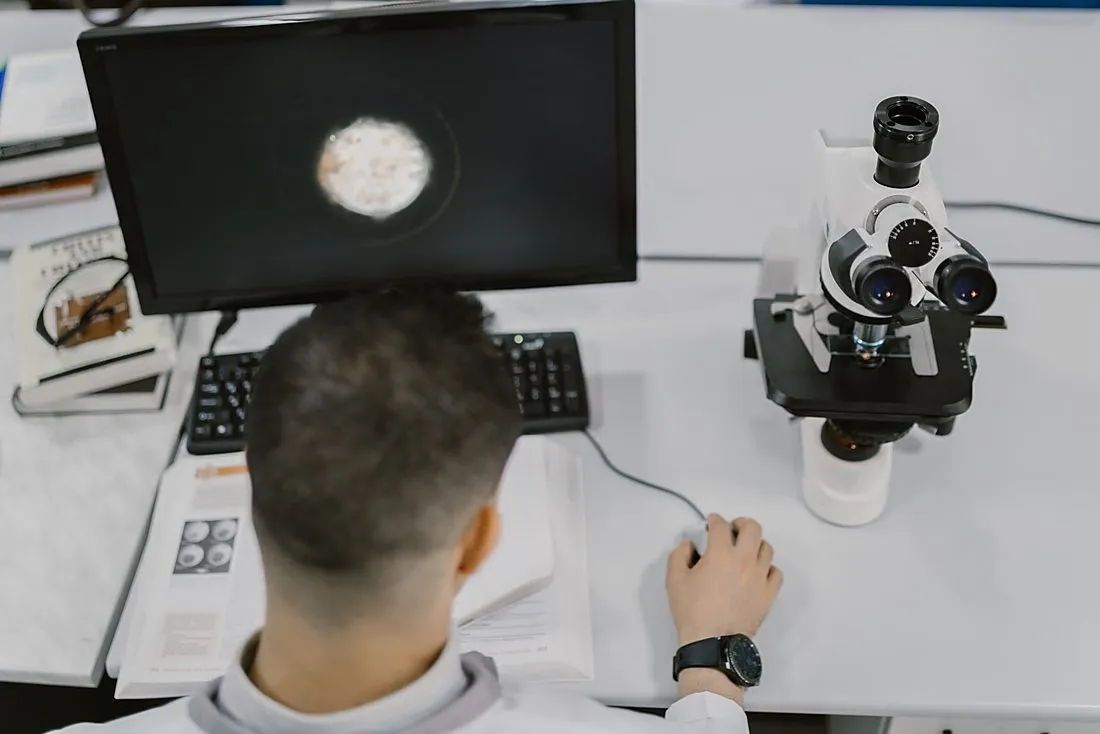
a genetics researcher at a lab computer
Pictured a genetics researcher at a lab computer · Tima Miroshnichenko (via Pexels)
08/08 Technology

AI is helping design better molecular scissors for gene editing

CRISPR's protein scissors are precise, but not perfect: miss the target by the width of a hydrogen atom and the tool can cut the wrong gene, or nick DNA next to the one it was aimed at, called bystander editing 189.

Researchers are now using AlphaFold-style AI to fix that. In one study, AI redesigned existing nucleases for higher fidelity than earlier hand-tuned versions. In a second, AI designed entirely new gene-editing proteins from scratch, structures with no natural counterpart, and they worked, successfully editing genes in cells from multiple species. "The ability to customize the molecular geometry of genome editors will drive progress towards safer and more efficient therapies," wrote researchers not involved in either study.

Fresh today · July 25, 2026

Good news you might have missed

The Structure of The Milky Way May Have Shaped Earth's Continents Geologist Chris Kirkland found matching signals in billion-year-old zircon crystals that line up with the Solar System's passages through the galaxy's spiral arms, hinting that comet impacts stirred loose by our galactic commute helped seed the first continents 59. ScienceAlert
Your Stomach Rumbles May Help Reveal a Lot About Your Overall Health University College London researchers built a simple "Rumble Recognition" test, using a digital stethoscope and two audio clips, to measure how well people sense their own gut signals, a skill tied to everything from hunger regulation to emotional wellbeing 58. ScienceAlert
Talk Therapy is Speech A federal court struck down a D.C. law that banned out-of-state therapists from doing online sessions with D.C. clients, ruling that counseling is protected speech, a win six years in the making for a Virginia counselor who sued over it 112. Marginal Revolution
Rocket Report: Lightning strikes in China; Starship launch on deck Skyroot Aerospace's Vikram-1 became India's first fully commercial rocket to reach orbit, launching from an island spaceport and landing almost exactly on its predicted 280-mile orbit 156. Ars Technica
Civic Sense, Systems & Strictness: Sikkim's Cleanliness Secret Revealed Sikkim banned disposable plastic bags in 1998, before almost anywhere else in India, and became the country's first Open Defecation Free state; today its markets and hill roads are strikingly litter-free 221. The Better India
What Began as a 'Tree Orphanage' Has Grown Into a Forest of 2,000 Trees Somnath Ghosh gave up a multimedia studio he'd spent years building to start Brikkho Foundation, which assigns every planted sapling a human guardian; it now watches over 2,000 trees in West Bengal 220. The Better India
Gen Z Volunteers Clean Up Jantar Mantar After a large student protest in Delhi, a group of Gen Z demonstrators came back the next morning with brooms and garbage bags, unasked, and swept the site clean themselves 227. The Better India
Plants in UP's Schools Were Dying Until Students Began Naming Them After Their Teachers A Kanpur nonprofit's survival rate for planted saplings jumped from a typical failure rate to roughly 75 percent once kids started naming trees after their teachers and taking personal responsibility for them 225. The Better India
Tiny Dog Rescued After Swimming for Miles in San Francisco Bay Reunites With Family Firefighters, police, and a drone team tracked a missing dog named Prieta by GPS after she swam far into the bay, plucking her from the water and reuniting her with an owner who'd recently lost several family members 214. Sunny Skyz
Beatles Tour Bus Pulls Alongside Paul McCartney A Liverpool tour bus full of Beatles fans got flagged down at a red light by Paul McCartney himself, mid video-call with Ringo Starr, who waved to the whole busload before McCartney pulled away 209. Good News Network
German Dairy Giant Bauer Opens Production Centre for Plant-Based Milk & Yoghurt Bauer Group opened a new Bavarian facility to make the soy base for its dairy-free milk and yogurt in-house, sourcing beans from local farms instead of importing them, shortening its supply chain considerably 190. Green Queen
Young man becomes instant role model for giving drunk girl a ride home A doorbell camera caught a young man named Ronny walking an intoxicated friend safely to her door, introducing himself to her mother, and confirming he'd stayed sober all night; the clip has been watched nearly 50 million times 231. Upworthy
Podcast Transcript July 24th An Oxford trial found that eight weeks of salsa dancing classes outperformed existing tools for easing depression and anxiety, no couch or prescription required 229. The Optimist Daily

Everything we read today

Natural Sciences 65 articles
PLOS One
Life Sciences & Medicine 10 articles
Psychology & Behavioral Science 32 articles
Social Sciences 38 articles
National Bureau of Economic Research Working Papers
Technology & Innovation 44 articles
Plant-Based & Vegan 19 articles
Solutions & Good News 31 articles
Human Stories & Ideas 14 articles
The long view · not today's news, the story behind it

Today's discoveries didn't come from nowhere. Here's the older, ongoing story they belong to, a moment from this day in history, and a question to test what stuck.

The story so far

On this day in science

1978 The first IVF baby is born Louise Brown was born in Oldham, England, the first baby ever conceived through in vitro fertilization. Her arrival gave hope to millions of families who could not conceive naturally. More from the Almanac →

Before you go: today's quiz

The daily quiz

Oral rehydration solution is water, salt and what third ingredient, the one that lets the gut absorb water?

Reveal the answer

Sugar (glucose)

The mix is clean water, salt and sugar. The glucose is the key: it lets the gut absorb water and salt together even during severe diarrhoea.

See the Lifesaver →

Get this every morning.

Liked today's? Wake up to tomorrow's, in one short letter.

The full letter, every morning, free for good.

Same free letter, plus the reason it stays that way: no ads, no investors, no agenda but the good news itself.

A single gift of any amount. No account, never a recurring charge.