





A rocky planet 48 light-years away has held onto its air for three billion years
LHS 1140 b is a super-Earth, about 5.6 times our planet's mass, circling a small red dwarf star 48 light-years away, cold enough that without an atmosphere its surface would sit around minus 47 degrees Celsius.
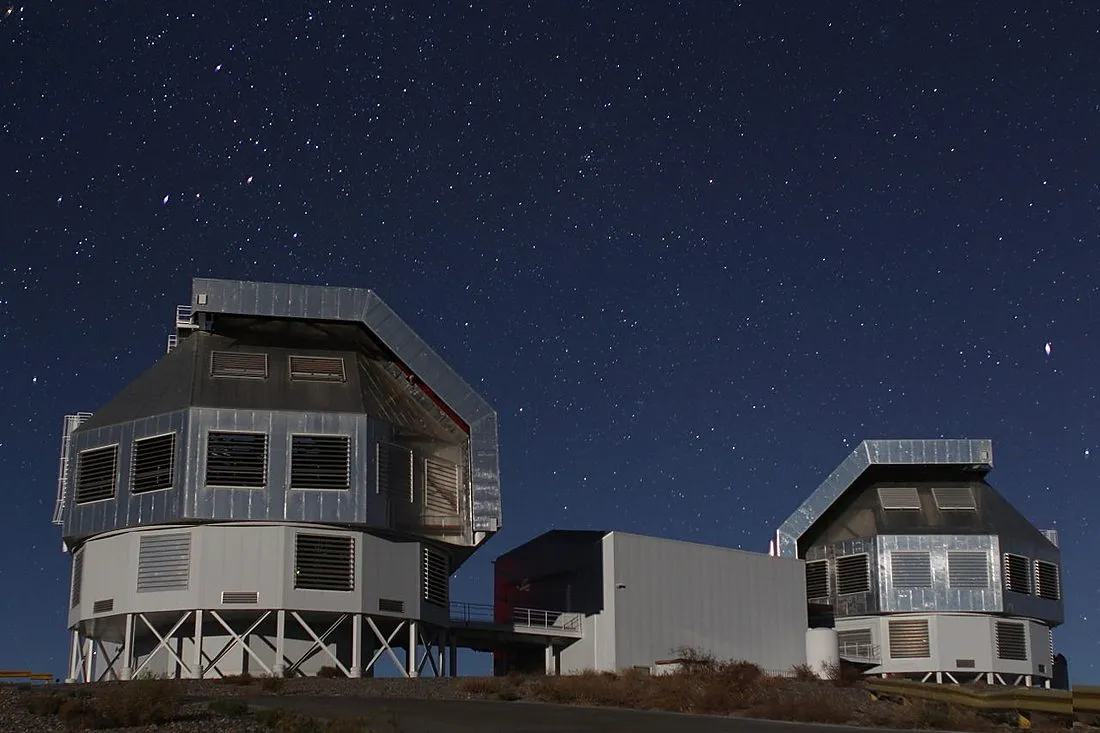
Astronomers led by Collin Cherubim at Harvard had a hunch that it should still have air, so they built a model predicting exactly how much helium ought to be leaking off it into space, then pointed the WINERED spectrograph on the Magellan Clay Telescope in Chile at the planet as it crossed its star 732. They caught a lucky break: a neighboring planet crossed the same night with no such signal, giving them a clean comparison. LHS 1140 b showed the helium clearly, the first confirmed atmosphere ever detected on a rocky planet sitting in another star's habitable zone, one that has apparently survived for more than three billion years 32. Even David Charbonneau, one of the study's senior scientists, admitted he doubted the idea until the numbers came back what he called "statistically rock solid" 32.