
The daily edition · July 14, 2026

A sugar molecule found near our galaxy's core, and a vaccine for koalas

8 discoveries · 13 good-news notes · 268 articles read · an 11-minute read

Your morning brief

Start here. The whole hopeful picture.

an 11-minute read

The feel-good story of the day

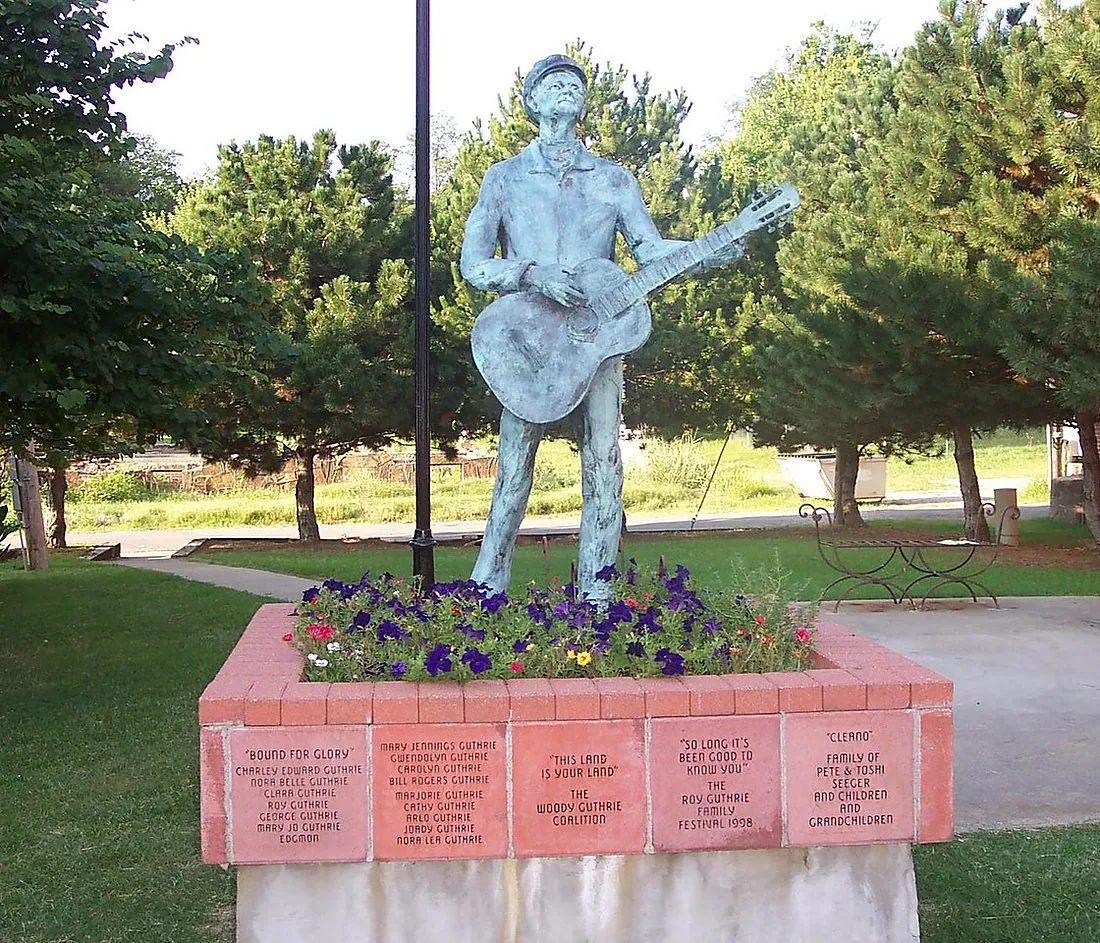
Woody Guthrie Wikimedia Commons / Woody Guthrie Folk Festival
Pictured Woody Guthrie

The man who wrote a song for everyone who felt left out

On July 14, 1912, Woody Guthrie was born in Okemah, Oklahoma, into a town that would soon be hollowed out by the Dust Bowl and the Great Depression. He didn't watch it from a distance. Guthrie hitchhiked and rode freight trains alongside the farmers and laborers who'd lost everything, playing music in migrant camps and union halls, writing down what he saw in songs plain enough for anyone to sing along.

Out of that came "This Land Is Your Land," written as something close to an answer song, a rebuttal to an anthem he thought ignored the people he'd been traveling with. It became one of the most recognized songs in American life, sung in classrooms that never mention where it came from.

Guthrie didn't just write songs, he handed down a whole way of thinking about who music is for. Bob Dylan sought him out as a young unknown and sat by his hospital bed; Bruce Springsteen has spent a career answering the same question Guthrie asked, about who gets counted as worth writing about. A guitar he once played bore a handwritten label: "This machine kills fascists." He meant it as a statement of purpose, not decoration, and 113 years later people are still arguing about whether he was right.

The common thread · How today's discoveries connect Open editor's note
Fresh today · July 14, 2026

The discoveries, in full

Very Large Telescope, Chile
Pictured Very Large Telescope, Chile · Wikimedia Commons / Very Large Telescope
01/08 Natural Sci.

A sugar found drifting near the center of our galaxy

Astronomers pointed Spain's Yebes 40-meter and IRAM 30-meter radio telescopes at a gas and dust cloud called G+0.693-0.027, tucked near the Milky Way's center, and found erythrulose, a four-carbon sugar also found in raspberries [19].

It's the first time this particular sugar has turned up anywhere outside our solar system. The team, reporting in Nature Astronomy, confirmed the signal against lab-measured spectral patterns. Erythrulose matters beyond its sweetness: it can convert into threose, a sugar many researchers think was a building block of the first nucleic acids that became RNA and DNA. "We were able to achieve this detection thanks to the combination of exceptionally sensitive observations, extensive frequency coverage, and highly accurate laboratory spectroscopic data," said co-author Izaskun Jiménez-Serra [19].

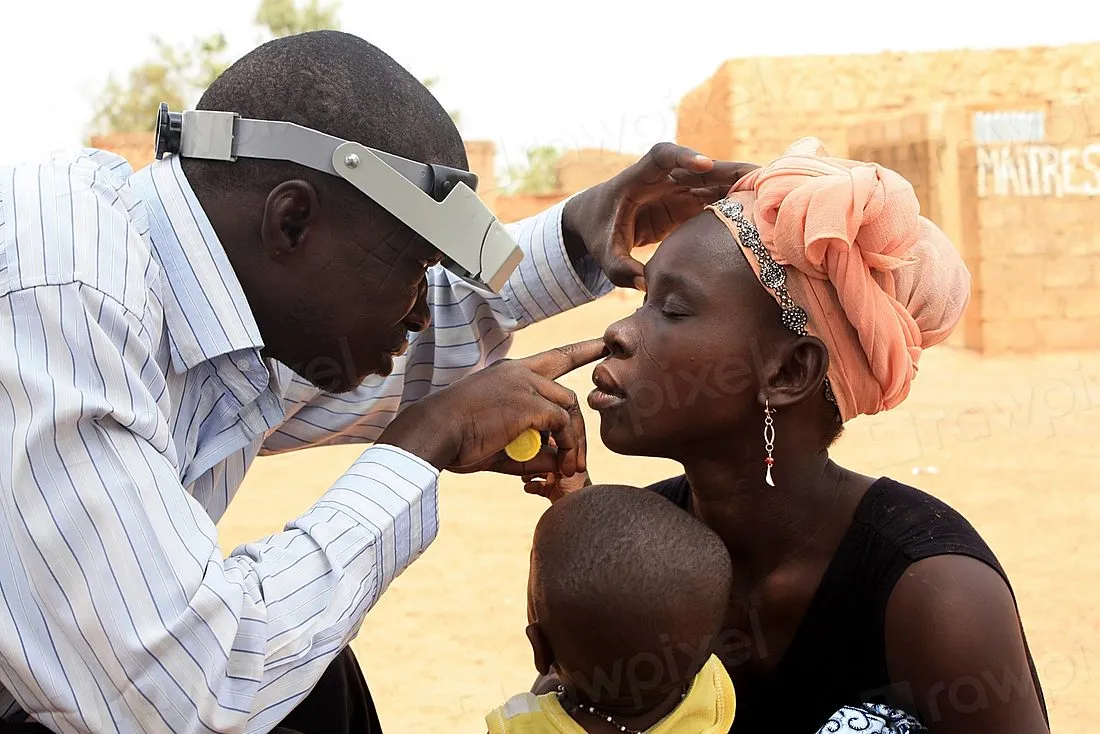
an eye doctor examining a patient's eye
Pictured an eye doctor examining a patient's eye · Centers for Disease Control and Prevention (via rawpixel)
02/08 Natural Sci.

The eye has a hidden network nobody knew about

Yale researchers led by postdoctoral fellow Yao Xue discovered that bipolar cells, the neurons that relay signals from the retina's light-sensing rods and cones, are wired together by direct electrical connections nobody knew existed [7].

For decades, scientists assumed the retina's dozen-plus channels, the separate lines that carry color, motion, contrast, and night vision toward the brain, worked in isolation. Instead, when the team electrically stimulated a single bipolar cell in both mouse and human retinas, the response spread well past its own channel. The findings, published in Neuron, show these supposedly separate pathways are quietly cooperating through gap junctions the whole time.

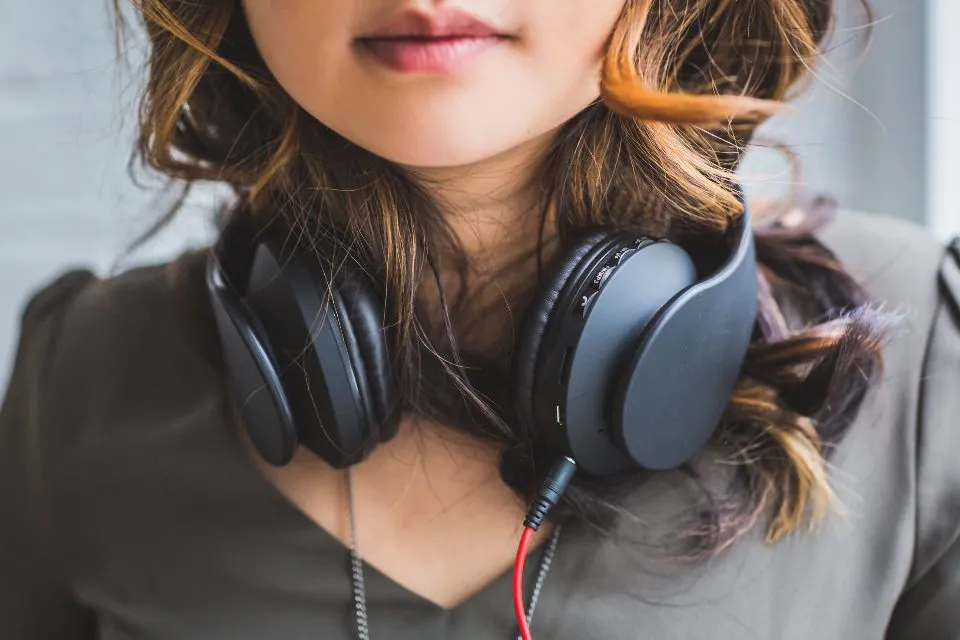
a woman in her late thirties
Pictured a woman in her late thirties · Elements Of This World (Wikimedia Commons)
03/08 Natural Sci.

Blocking one protein kept aging ovaries soft in mice

A team led by researchers at Huazhong University of Science and Technology found that as ovaries age, a signaling protein called interleukin 11 stiffens the tissue that feeds and protects developing eggs, and blocking IL-11 in mice kept that tissue softer and improved ovarian function even in older animals [77].

They first confirmed the pattern in donated human ovarian tissue too, comparing samples from women aged 18 to 52, and found the same collagen buildup and stiffening that shows up in aging mice. Published in Nature Aging, the study also found the effect held in mice with ovarian damage from other causes, not just age.

a chemist working at a lab bench
Pictured a chemist working at a lab bench · libraryofcongress (via rawpixel)
04/08 Psychology

A vaccine built to outrun fentanyl's shape-shifting chemists

Chemist Kim Janda's lab at Scripps Research designed a vaccine candidate that trains the immune system to recognize an entire class of fentanyl-like molecules by their shared shape, rather than the exact structure of one drug, published in the Journal of Medicinal Chemistry [108].

That's the whole problem with older overdose vaccines: illicit chemists constantly tweak fentanyl's molecular structure to dodge both law enforcement and existing countermeasures. "The people selling the drugs are not going to give this line up but rather just keep tweaking the drugs structure," Janda said, describing the new approach as trying to force "a checkmate with the immune system" regardless of which variant shows up next [108].

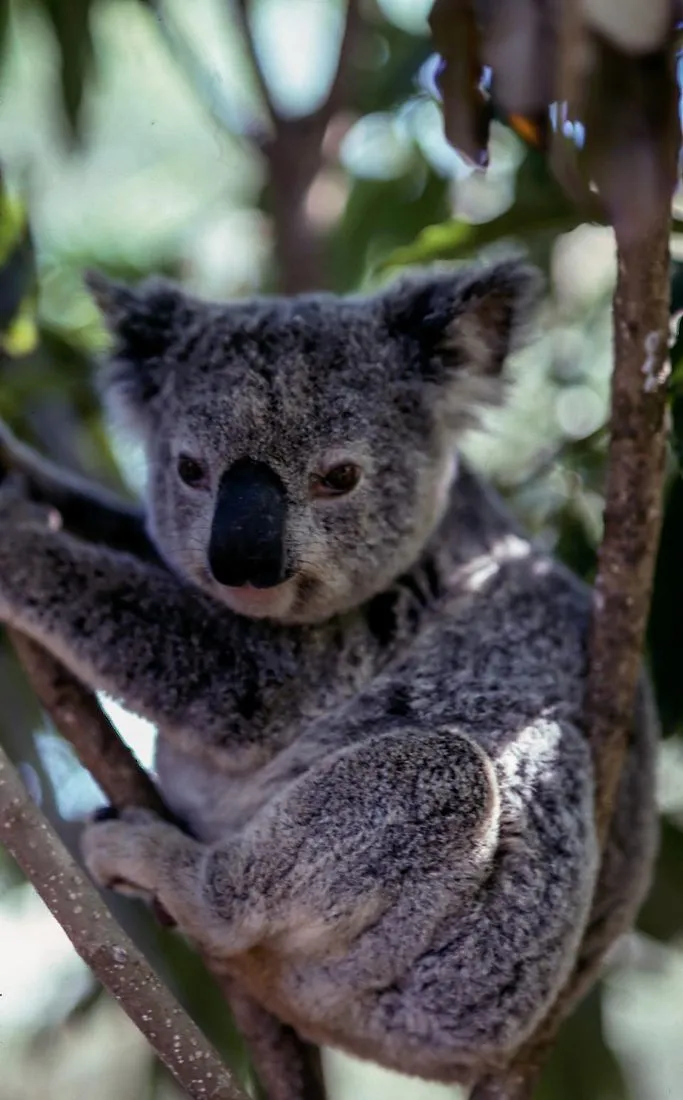
a koala
Pictured a koala · Les Anderson (via stocksnap)
05/08 Technology

A koala named Bamse got a vaccine that could save her species

An 18-month-old koala named Bamse, captured from a wild population near Burleigh, Queensland, became the first koala vaccinated with a new combination shot: one injection plus an implant, developed with Queensland University of Technology, that releases a second dose on its own over 30 days [185].

That detail matters more than it sounds: roughly half of Australia's remaining koalas carry chlamydia, which can cause blindness and infertility, and in some groups up to 90% are infected, but until now, protecting a koala fully meant tracking it down twice. "This is a massive breakthrough where we are turning a two-injection vaccine into an injection and an implant that can be all applied in one examination," said Dr. Michael Pyne of Currumbin Wildlife Hospital [185].

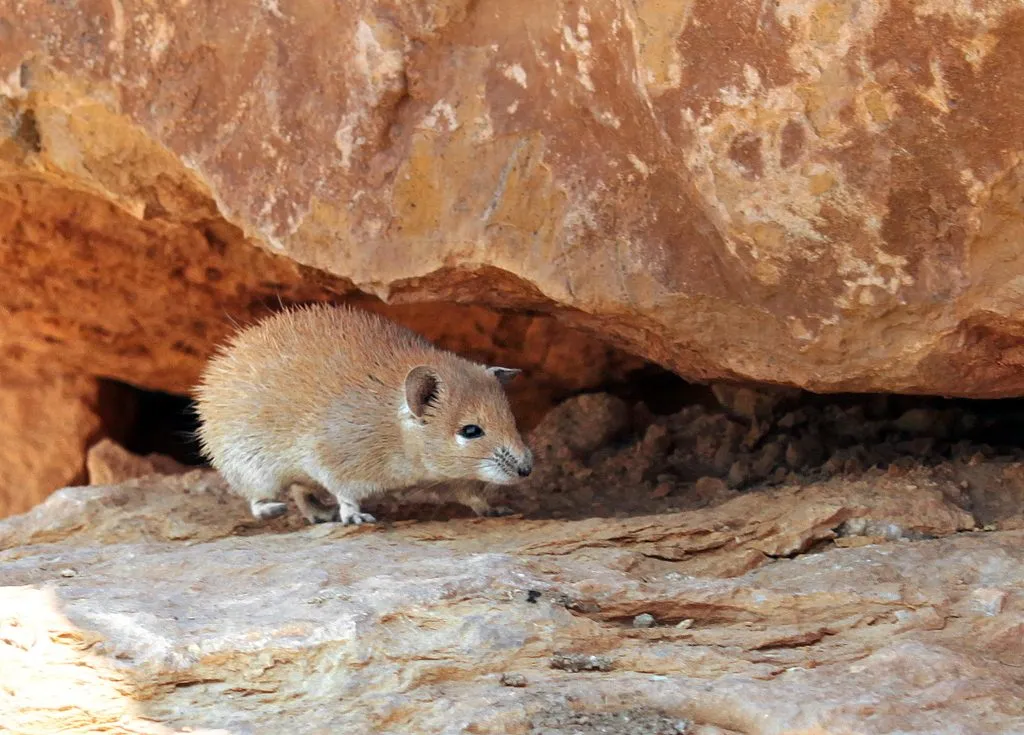
a golden spiny mouse
Pictured a golden spiny mouse · Mickey Samuni-Blank (Wikimedia Commons)
06/08 Good News

The desert mouse that barely seems to age

Yale pathologist Vishwa Deep Dixit and colleagues studied the golden spiny mouse, a desert-dwelling rodent from the Middle East that stays active during the day and can survive up to five years in the wild, compared with roughly nine months for a typical wild mouse [224].

Unlike a lot of long-lived lab animals, these mice aren't coddled: they still forage and dodge predators for years on end. Dixit's team found three markers tied to healthy aging in the mice, most notably elevated levels of a protein called clusterin, made by hyperactive immune cells in fat tissue, that's also linked to longevity in humans.

a woman in her fifties talking with a doctor
Pictured a woman in her fifties talking with a doctor · Burst (via stocksnap)
07/08 Good News

Illinois found a low-friction way to close the menopause care gap

Illinois Lt. Gov.

Juliana Stratton set out to hear about rent and grocery prices at a series of financial wellness conversations with women across the state, and instead kept hearing about menopause: what it was doing to their jobs, their money, their days [239]. The bill that followed, passed unanimously by the state legislature in late May, lets licensed healthcare professionals count specialized menopause and perimenopause training toward hours they're already required to complete for implicit bias awareness. No new mandate, no extra hours, just menopause education slotted into a requirement that already exists. Illinois is the first state to try it. The state currently has fewer than 200 physicians certified in menopause care for a population of nearly 13 million.

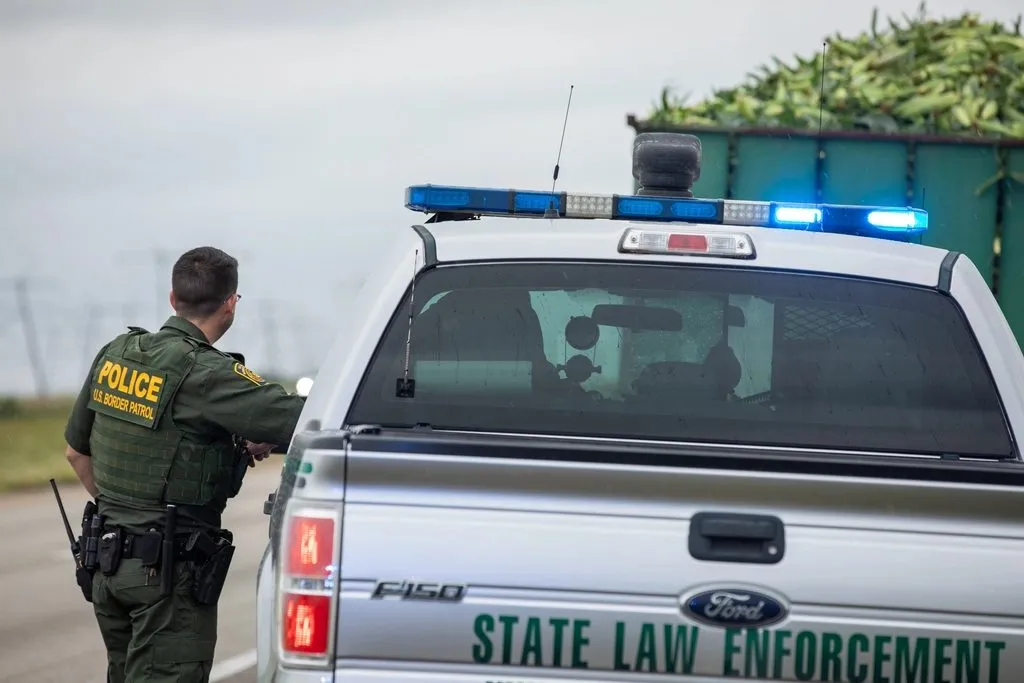
a police patrol car
Pictured a police patrol car · Unknown (via rawpixel)
08/08 Technology

LAPD walked away from its license-plate camera contract

The Los Angeles Police Department announced it will not renew its three-year contract with Flock Safety, the company behind AI-powered license plate cameras now blanketing much of the country [162].

The department's own chief information officer, Dean Gialamas, cited "serious concerns around civil liberties and civil rights issues, particularly around privacy and the data that is being collected." The timing wasn't subtle: a July 10 audit from the LAPD's own Office of the Inspector General found the cameras generated 161 false stolen-vehicle alerts in just two months, alongside 337 accurate ones, an error rate of 32.3%, meaning officers had roughly a one-in-three chance of pulling over an innocent driver on an alert.

Fresh today · July 14, 2026

Good news you might have missed

Anonymous Donor Gives $100,000 to Save Senior Food Program After Woman's Plea for Help A Pennsylvania woman named Diana Holcomb, worried about where she'd get food once her senior program's funding ran out, told a local TV station her story, and days later an anonymous donor handed the program $100,000 to keep it running for another year [227]. Sunny Skyz
15-yo Creates App for Reporting Potholes to the Government, and Uses AI to Help with Follow-up A 15-year-old in New Delhi built an app that photographs potholes, grades their severity, and auto-drafts emails to the right government office, after his parents were hurt riding home on one at night; 11 of 360 reported potholes are already fixed [222]. Good News Network
Young Man Interviews 3,000 World War II Vets Over 10-year Project Rishi Sharma has spent every day of the last decade driving around the country recording World War II combat veterans before their stories are gone, from around 700,000 living vets when he started to about 30,000 today [225]. Good News Network
In Just 60 Minutes, Ahmedabad Planted 3.61 Lakh Saplings & Won a World Record Over 25,000 volunteers in Ahmedabad planted 3.61 lakh native saplings in a single hour using the dense Miyawaki method, breaking the previous world record and starting what should become one of the city's largest urban forests [236]. The Better India
Kashmiri Mother Didn't Land a Govt Job, Founded a 500-Sheep Farm Earning Rs 1 Lakh a Month Mumtaza Begum started with 20 sheep in 2018 after her hopes for a government job stalled out; her flock in Bandipora, Jammu and Kashmir, has grown to around 500 animals and now earns roughly 100,000 rupees a month [232]. The Better India
This 13-YO in Goa Spent Her Summer Break Turning Backyard Moringa Trees Into a Business Thirteen-year-old Grace de Souza spent her summer drying and grinding moringa leaves from her family's garden into powder, selling around 20 packets and earning close to 3,000 rupees, all her own idea [234]. The Better India
'Incredibly smart' crow creates makeshift perch to drink from a cup of water on a hot day A fish crow named Auggie, frustrated that a small water dish left no room to perch, flew off, found a stick, and used it to balance on two feet so he could lean over and drink [248]. Upworthy
Chunk Foods Set to Double Sales & Defy Plant-Based Meat Slowdown While the plant-based meat category shrank 10% overall last year, Israeli startup Chunk Foods grew 140% by focusing on repeat purchases over hype, and expects to hit full profitability in 2027 [197]. Green Queen
Exposing Japan's Cruelest Secret: Inside 'The Hidden Nightmare' Campaign Mercy For Animals launched a campaign in Japan targeting the cage confinement of the country's 5.3 billion egg-laying hens, and is now in active dialogue with five of its six target food companies [200]. Mercy For Animals
The Better India's Coverage of India's Women Ice Hockey Team Sent Them to KBC A story about Ladakhi women who built their own ice rink by hand at midnight to train reached over 285,000 readers and eventually carried the team, after their first-ever bronze medal, onto India's biggest TV quiz show [229]. The Better India
After Losing His Wife of 53 Years, Husband's Daily Ritual Is Giving the Internet a Reason to Believe in Love S S Mishra still makes his late wife's favorite breakfast and posts her crochet work online, where it's now getting thousands of likes it never got while she was alive [230]. The Better India
Happiness expert explains why 'imposter syndrome' is a good thing and how to lean into it Harvard researcher Arthur Brooks says the people who feel like frauds despite real success are almost always the ones who actually earned it, while people who never doubt themselves are worth watching more closely [241]. Upworthy
Scientists discovered a fascinating trick to feeling like you slept great even if you didn't A 2014 study found that people who were simply told they'd gotten great REM sleep, regardless of what they'd actually gotten, performed better the next day on memory and word association tests than people told the opposite [242]. Upworthy

Everything we read today

Natural Sciences 87 articles
PLOS One
Quanta Magazine
Life Sciences & Medicine 13 articles
Psychology & Behavioral Science 30 articles
Social Sciences 16 articles
Technology & Innovation 50 articles
Plant-Based & Vegan 24 articles
The Vegan Society - One world. Many lives. Our choice.
Solutions & Good News 30 articles
Human Stories & Ideas 18 articles
The long view · not today's news, the story behind it

Today's discoveries didn't come from nowhere. Here's the older, ongoing story they belong to, a moment from this day in history, and a question to test what stuck.

The story so far

On this day in science

2015 New Horizons reaches Pluto After a nine-year journey, NASA's New Horizons probe flew past Pluto and sent home the first detailed pictures of the distant world. It completed the first survey of every classical planet in our solar system. More from the Almanac →

Before you go: today's quiz

The daily quiz

In what year was the world's first IVF (test-tube) baby born?

Reveal the answer

1978

Louise Brown, the first baby conceived through in vitro fertilisation, was born on 25 July 1978. Millions of IVF births have followed.

See the day →

Get this every morning.

Liked today's? Wake up to tomorrow's, in one short letter.

The full letter, every morning, free for good.

Same free letter, plus the reason it stays that way: no ads, no investors, no agenda but the good news itself.

A single gift of any amount. No account, never a recurring charge.