

The daily edition · July 22, 2026

A mushroom trip reshapes the brain for weeks, and Congo hides a new monkey

Your morning brief

a 10-minute read

The feel-good story of the day

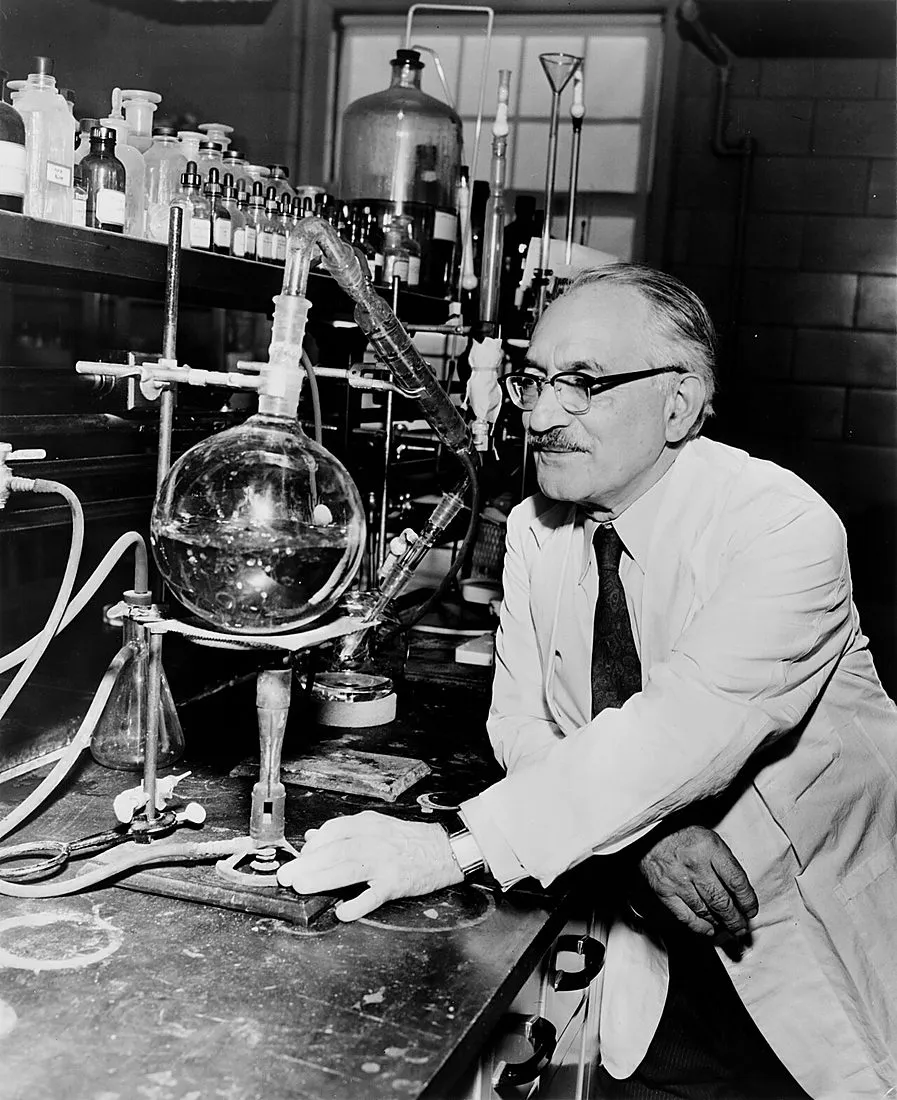
Selman Waksman Wikimedia Commons / Selman Waksman
Pictured Selman Waksman

The microbiologist who dug tuberculosis's cure out of the dirt

Selman Waksman was born on July 22, 1888, in a small village in what's now Ukraine, and spent his career at Rutgers University studying something most people never think about twice: the microorganisms living in ordinary soil.

That patience paid off in 1943, when Waksman and his graduate student Albert Schatz isolated streptomycin from a soil bacterium, the first antibiotic that actually worked against tuberculosis, a disease that had been quietly killing people for centuries with no real treatment. Before streptomycin, a TB diagnosis often meant a sanatorium and a long wait to see which way things would go. Waksman won the Nobel Prize in Physiology or Medicine for the discovery in 1952.

He spent the rest of his life arguing that the ground beneath us was full of undiscovered chemistry, and he was right: the antibiotics his lab methods helped uncover are still saving lives today, a reminder that some of the biggest discoveries are hiding in the most overlooked places.

The common thread · How today's discoveries connect Open editor's note
Fresh today · July 22, 2026

The discoveries, in full

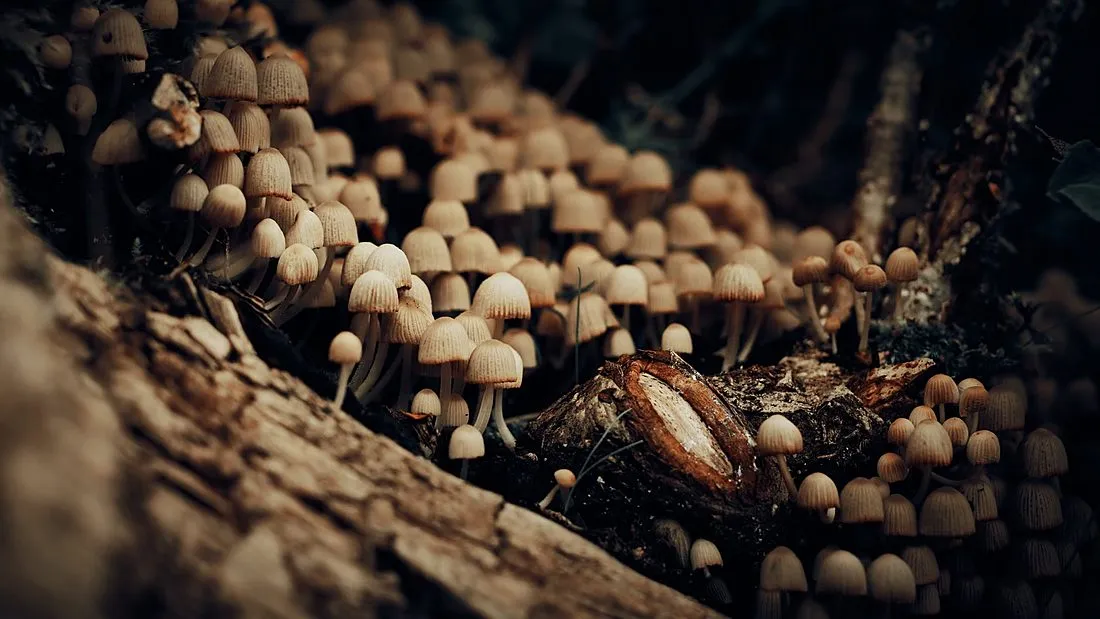
psilocybin mushrooms growing in the wild
Pictured psilocybin mushrooms growing in the wild · Michael Markhof (via Pexels)
01/08 Natural Sci. Psychology

A single dose of magic mushrooms leaves a mark on the brain for a month

Researchers at UC San Francisco and Imperial College London gave 28 healthy adults, none of whom had ever tried a psychedelic, a single dose of psilocybin and tracked their brains for a month afterward 10.
They measured something called brain "entropy," basically how varied and unpredictable neural activity gets, and found that the bigger the entropy spike during the trip, the more emotional insight a person reported the next day, and the more improved their well-being was a full month later. "Psychedelic means 'psyche-revealing,'" said senior author Robin Carhart-Harris. The data suggests the trip itself, not just the drug sitting in someone's bloodstream, is doing the therapeutic work 10. That idea has a surprisingly long paper trail: in the canyons of West Texas, murals of antlered shamans beside peyote cacti date back roughly 6,000 years, evidence that humans have been chasing this same insight through ritual since long before anyone owned an EEG machine 113.

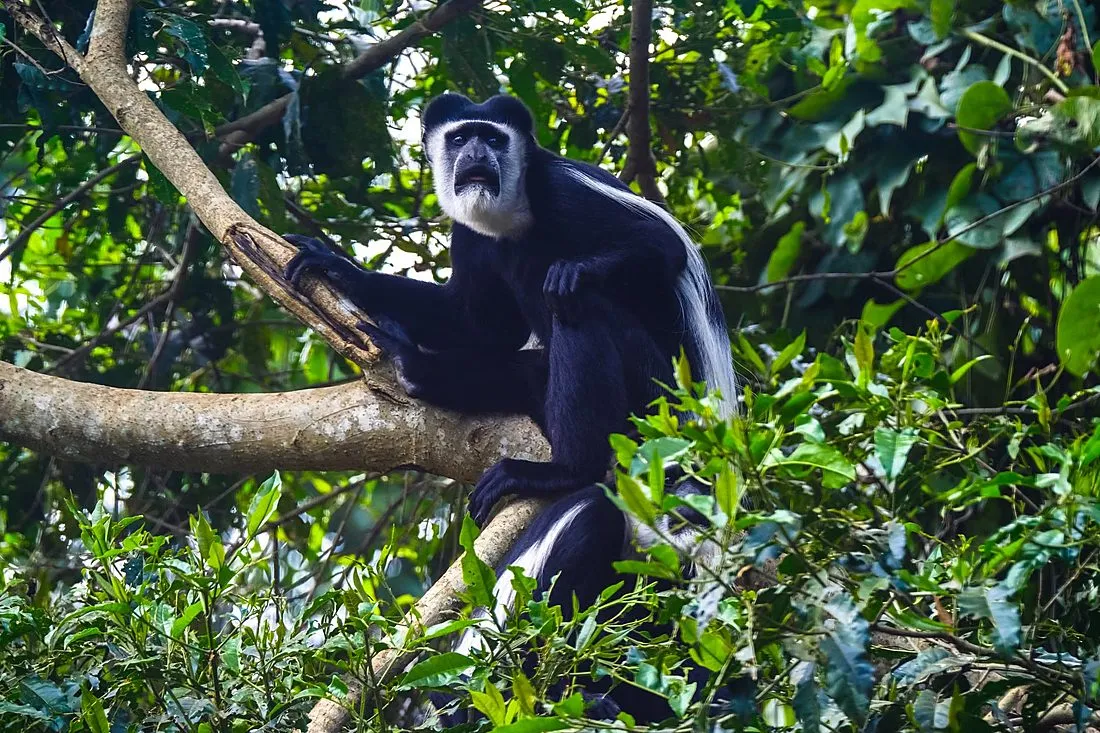
a black colobus monkey with orange lips in a rainforest
Pictured a black colobus monkey with orange lips in a rainforest · Francesco Ungaro (via Pexels)
02/08 Good News

A colobus monkey nobody had cataloged just turned up in Congo

In 2008, researchers got a blurry, half-obscured photo of a monkey in DR Congo's Lomami National Park that didn't quite match anything on record. A decade later they got a clearer shot, and now genetic, anatomical, and acoustic analysis has confirmed it: a new species, Colobus congoensis, known locally as "Likweli," black-furred with startling orange lips, weighing around 15 pounds, that split off from its closest relative between 4 and 5 million years ago 227.

It's only the fifth new primate species identified in Central Africa in 75 years of research there. Between 2018 and 2022, researchers logged 114 sightings across roughly 900 square miles, and when they interviewed people in 52 nearby villages, only residents of 8 had ever laid eyes on it. "This discovery is both exciting and deeply personal," said Congolese co-author Junior Amboko, "highlighting the extraordinary biodiversity of my homeland and how much remains undocumented" 227.

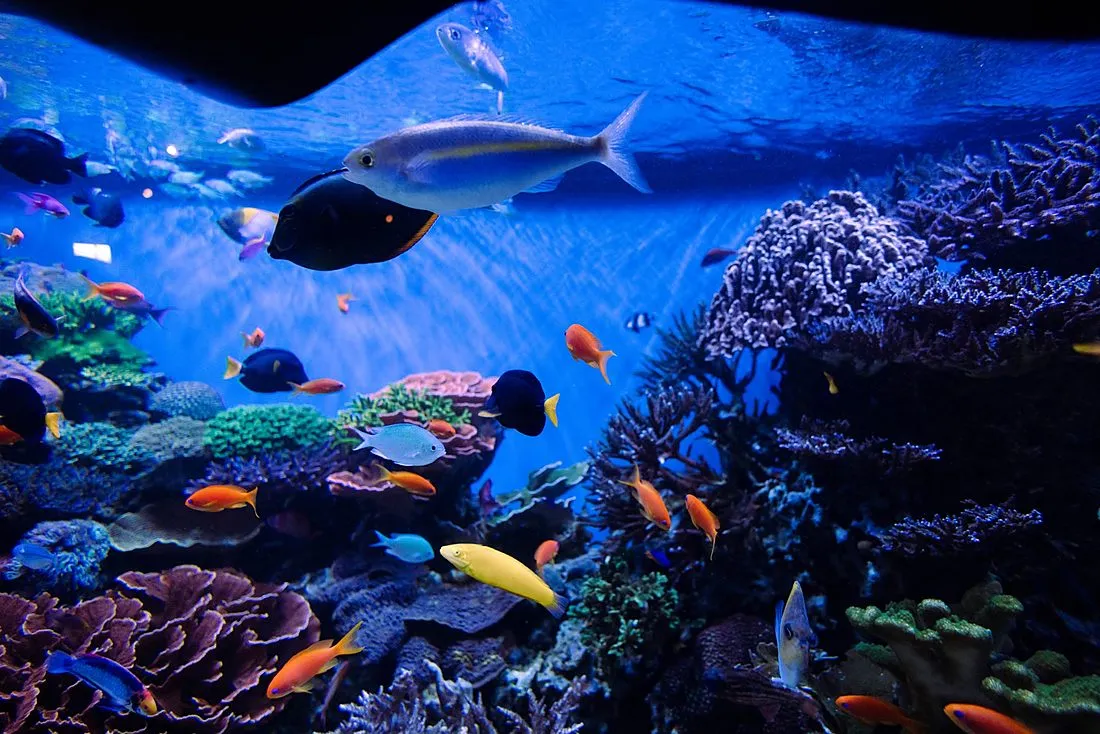
a mesophotic coral reef with tropical fish
Pictured a mesophotic coral reef with tropical fish · isaac mijangos (via Pexels)
03/08 Good News

A coral reef given up for dead in the 1960s is teeming with life

Fishing surveys off West Africa in the 1960s flagged a possible deep coral reef, then assumed it had died. Sixty years later, a team from Benin's Institute of Halieutic and Oceanographic Research went looking with modern sonar, an underwater drone, and National Geographic's Deep Sea Camera System 229.

"It was a mix of excitement and disbelief," said lead author Gérard Zinzindohoué, "because after all this time thinking about this reef, suddenly there was something real in front of us." What they found was a living mesophotic reef, one that survives in deeper, dimmer water than a typical shallow reef, hosting eight kinds of coral and eight fish species, including golden African snappers and Guinean angelfish 229. It's the first confirmed living reef of its kind ever recorded on that stretch of continental shelf.

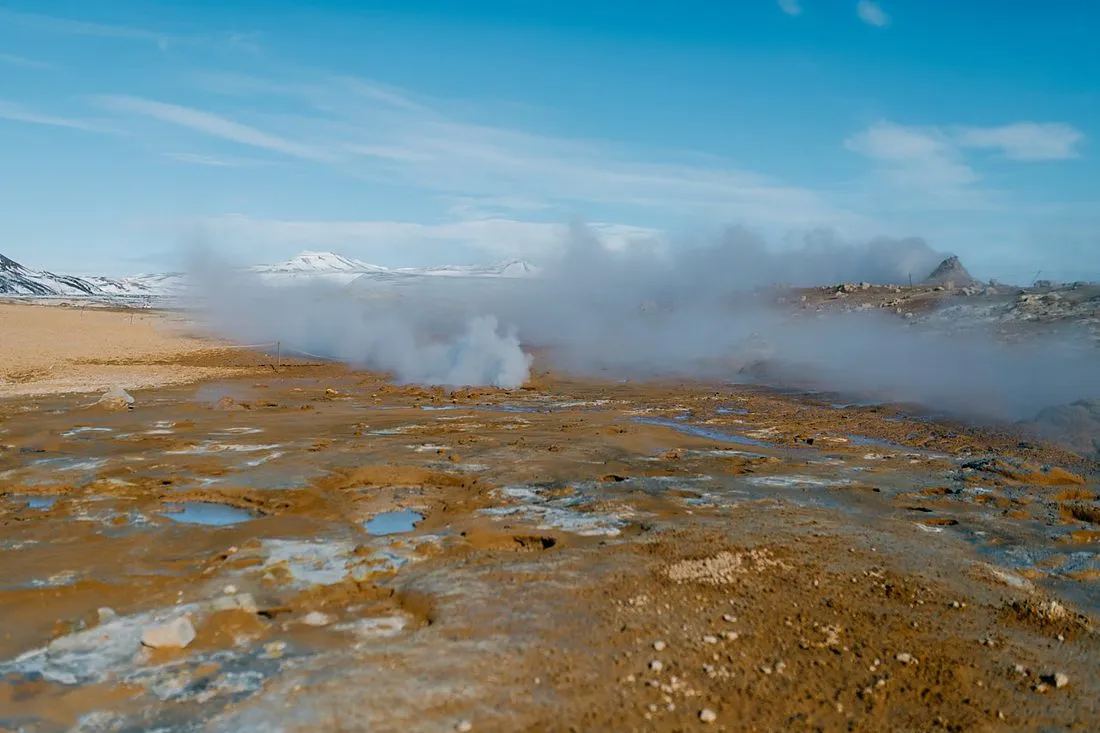
a geothermal power plant in Iceland
Pictured a geothermal power plant in Iceland · Julia Volk (via Pexels)
04/08 Natural Sci.

Engineers are learning to drill for limitless geothermal power anywhere

Geothermal power has always been a geographic accident: it works great in Iceland, where fault lines bring hot rock close to the surface, and barely at all almost everywhere else 29.

That's starting to change. Companies like Quaise Energy are pursuing drilling deep enough into hot rock that the "unique combination" of heat, water, and permeable rock stops mattering. "If you measure in terms of the energy stored within the Earth's crust, geothermal heat exceeds by orders of magnitude all hydrocarbons," says Quaise co-founder Matt Houde 29. Iceland already gets more than a quarter of its electricity from geothermal, running steady no matter the weather, and the new approach is aimed at giving every country that same option. "Ultimately, the whole world is the goal," Houde says.

a person drinking coffee at a cafe table
Pictured a person drinking coffee at a cafe table · Ion Ceban @ionelceban (via Pexels)
05/08 Natural Sci.

Your daily coffee habit is probably helping your heart, not hurting it

The American Heart Association just reviewed the evidence and landed somewhere reassuring: up to 400 milligrams of caffeine a day, roughly three to five cups of regular black coffee, is generally safe for most adults, and moderate coffee drinking may even be linked to lower risk of heart disease, stroke, heart failure, and type 2 diabetes 6.

"Caffeine consumed in coffee is a key part of daily life for millions of people, and in our review of the most recent research... intake of up to 400 mg of caffeine/day... is safe and does not increase cardiovascular risk," said Dr. Gregory Marcus of UCSF, who chaired the statement. The line the AHA draws isn't about caffeine in general, it's about concentration: energy drinks and energy shots pack caffeine tightly enough to spike blood pressure and trigger irregular heart rhythms in a way a normal cup of coffee doesn't 6.

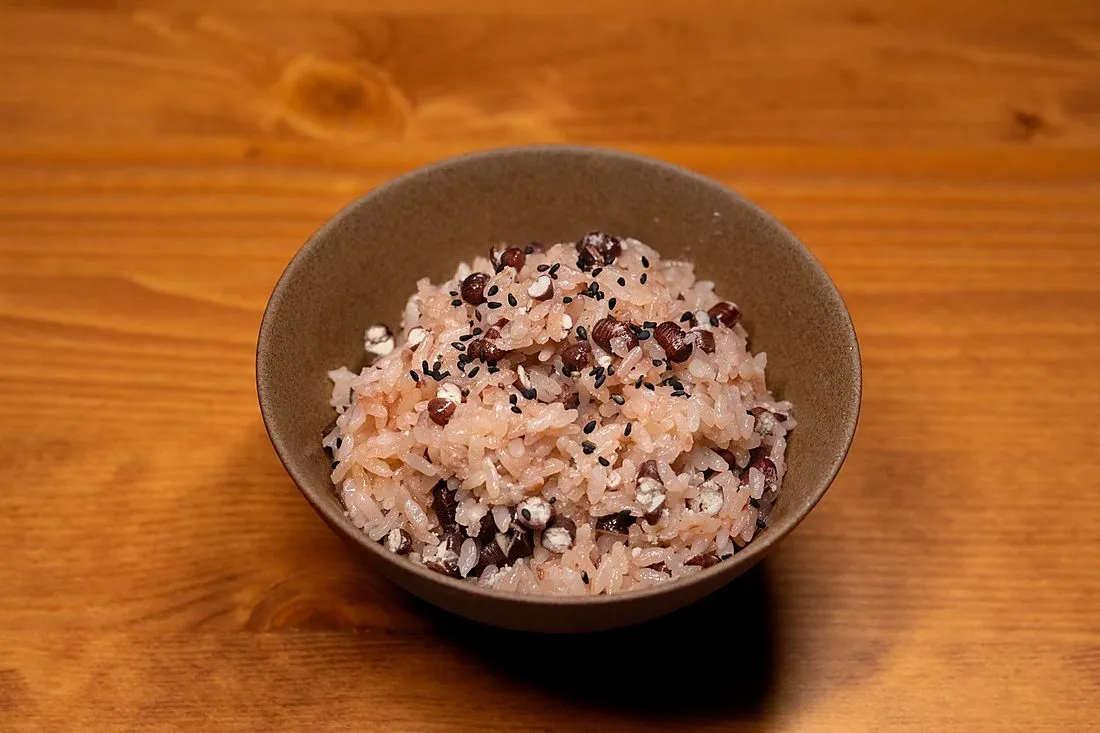
a bowl of cooked beans
Pictured a bowl of cooked beans · Gu Ko (via Pexels)
06/08 Plant-Based

Most Americans say they'd trade meat for beans, and mean it

A new Harris Poll of more than 2,000 Americans, commissioned by Humane World for Animals, found 62 percent are willing to eat less meat, and 57 percent would swap it for beans at least once a week 203.

Ninety-six percent of Americans still eat meat, and more than half do so daily, but the reservations run deep: two-thirds cite the cost, 64 percent cite personal health, and another 64 percent cite animal welfare, a figure that's grounded in real numbers, since 70 percent of cows, 98 percent of pigs, and nearly all chickens in the US are raised on factory farms 203. Younger adults, 18 to 34, are nearly 50 percent more likely than people over 55 to say animal welfare would actually push them to make the swap.

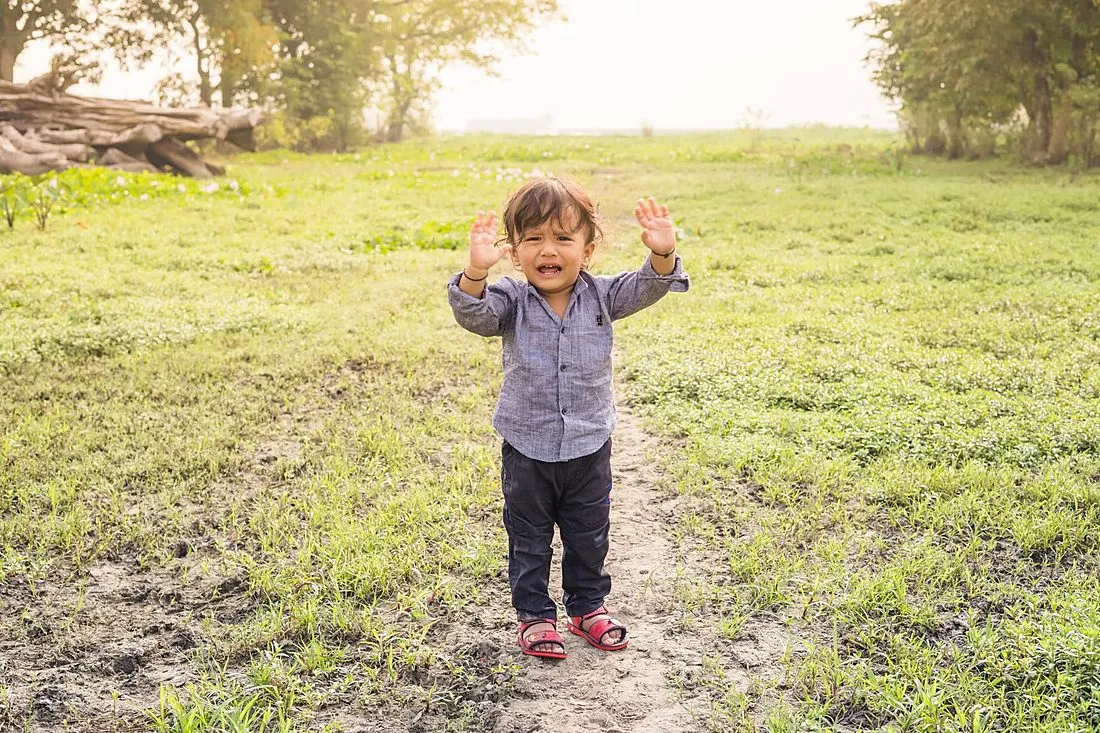
a toddler expressing a strong emotion
Pictured a toddler expressing a strong emotion · Pragyan Bezbaruah (via Pexels)
07/08 Social Sci.

The "terrible twos" are actually a toddler discovering they're a person

A 2-year-old screaming on the floor over socks isn't malfunctioning, according to early-childhood researcher Angela Sipf: they're discovering, for the first time, that they exist as someone separate from everyone else, capable of making their own choices 149.

That recognition is exactly why toddlers start saying "no" more, refusing help with the diaper, insisting on dressing themselves. The piece lays out what actually calms the moment down: offering real choices ("wash your hands yourself, or with help?"), letting a toddler change their mind, and following through calmly rather than rushing the transition 149.

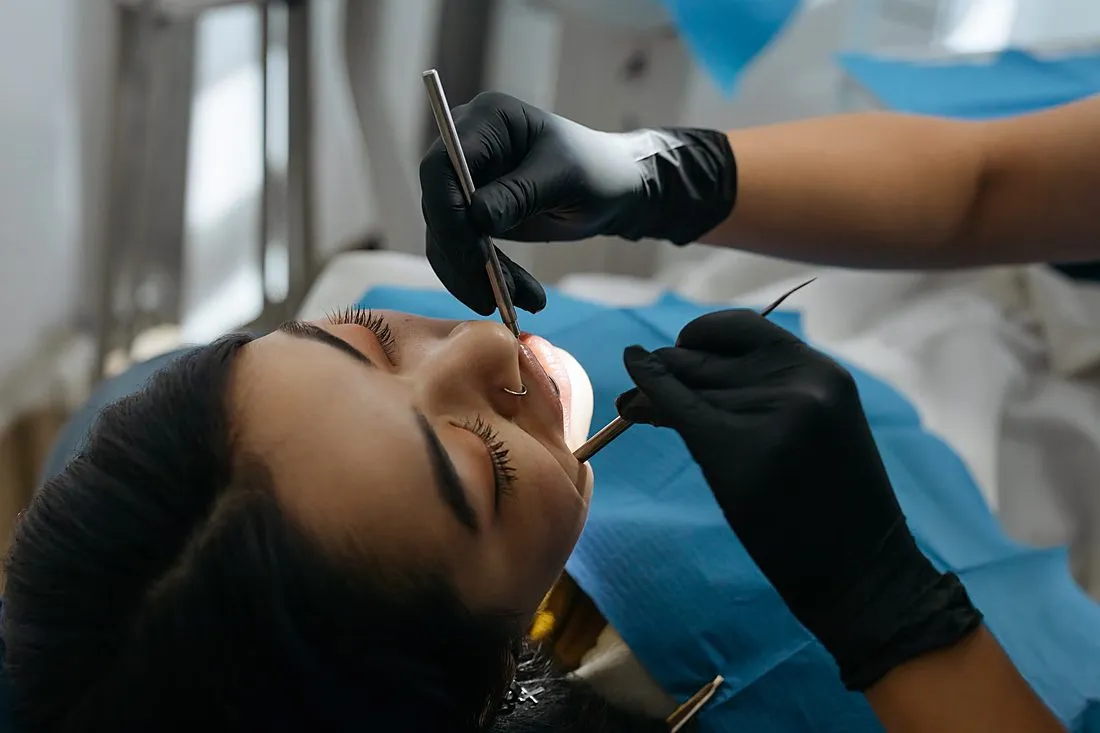
a dentist examining a patient's mouth
Pictured a dentist examining a patient's mouth · cottonbro studio (via Pexels)
08/08 Life Sciences

A one-hour mouth swab can now catch oral cancer as accurately as a biopsy

Researchers at Queen Mary University of London, working with partners in India, tested a brush swab called qMIDS on 545 patients with suspicious mouth lesions. It reads mRNA activity from four specific genes and delivered 95.5 percent overall accuracy, with false-positive and false-negative rates each under 5 percent, in under an hour, no scalpel involved 247.

That matters because standard biopsies are painful enough in a sensitive area that patients with lesions needing repeat monitoring often just stop showing up. "We were genuinely astonished by the fact that the brush swab test performance is comparable to a microbiopsy," said oral oncologist Muy-Teck Teh, who expects the test could reach clinics within two years 247.

Fresh today · July 22, 2026

Good news you might have missed

British Runner 'Calls His Shot' and Breaks World Record in the Mile Josh Kerr ran a mile in 3:42.66, breaking a record that had stood for 27 years, and dragged six other runners to personal bests along the way 228. Good News Network
Off-duty North Texas Firefighter Saves 3 Children Trapped Under Boat on 4th of July Jason Horne was boating with his daughter when he heard "our babies are under there," dove under an overturned pontoon boat, and pulled three kids to safety 226. Good News Network
Montana Teen's Rodeo Skills Save Drowning Man in Incredible Yellowstone River Rescue Fourteen-year-old Jory Thomas had never once brought his practice lariat camping before, then did, and lassoed a man being swept downriver on his first throw 232. Sunny Skyz
European Court of Human Rights Confirms that the Ethical Convictions of Vegans can be Protected under Human Rights Law The Court ruled Switzerland violated the rights of two vegans denied suitable food in detention, a real legal foothold for ethical veganism 217. The Vegan Society
Monkeys and Kids Share Evolutionary Intuitions for Geometry Baboons, macaques, preschoolers, and adults from an Indigenous farming community in Bolivia all sort shapes by geometry the same way, suggesting it's baked into the primate brain, not taught in school 79. Neuroscience News
'Frozen' animator launches an interactive ASL learning app and vows to keep it free forever Josh Staub learned American Sign Language to write a series with deaf characters, fell for the Deaf community he met along the way, and built a free app so anyone else could learn too 258. Upworthy
Sustainable Fats from Microbes & Food Waste Can Rival the Cost of Existing Lipids Fermenting food-industry waste with microbes can already produce fats priced to compete with premium cocoa butter, with prices projected to fall further as the process scales 201. Green Queen
Exercise works for depression. So why isn't it treated like real medicine? For mild to moderate depression, exercise performs about as well as medication or therapy, and even half the recommended activity is linked to 18 percent lower odds of developing depression at all 268. Big Think
'I've Started Living Again': How 1 Lakh Seniors Are Finding Friends & Freedom After 55 A community platform called WalkAbout has 100,000-plus Indian seniors trying yoga, pickleball, and group travel for the first time, treating retirement as a beginning instead of a wind-down 240. The Better India
Why employers still place a premium on people skills, not AI, when they make hiring decisions A survey of 600-plus employers found they rank dependability and willingness to learn above technical AI skills when hiring new graduates, because, as one manager put it, "the rest, we can train" 150. The Conversation
Los Angeles Public Library Unveils the World's Largest Pop-Up Book A 31-by-20-foot pop-up book, nearly a ton and built from ordinary paper and fabric, now sits in the library's rotunda declaring "Each person is a library" 273. Colossal
5 habits that build lasting happiness, according to research An 80-year Harvard study still finds relationship quality beats wealth, career success, and IQ combined as a predictor of a good life 248. The Optimist Daily
Socrates shared the one reason he knew he was intelligent Twenty-four centuries later, the evidence backs him up: studies now link plain curiosity to stronger reasoning ability, not the other way around 256. Upworthy
In Praise of Boredom Doing nothing lets the brain's default mode network switch on, the same state tied to memory, creativity, and the ideas you never get while scrolling 115. Psychology Today

Everything we read today

Natural Sciences 67 articles
PLOS One
Life Sciences & Medicine 33 articles
Psychology & Behavioral Science 33 articles
Social Sciences 19 articles
Works in Progress RSS Feed
Technology & Innovation 47 articles
Plant-Based & Vegan 25 articles
Solutions & Good News 34 articles
Human Stories & Ideas 18 articles
The long view · not today's news, the story behind it

Today's discoveries didn't come from nowhere. Here's the older, ongoing story they belong to, a moment from this day in history, and a question to test what stuck.

The story so far

On this day in science

1951 The first animals to fly to space and return safely Soviet dogs Dezik and Tsygan rode a rocket to the edge of space and parachuted back alive, the first living creatures to survive a spaceflight. Their journey helped prove humans could go too. More from the Almanac →

Before you go: today's quiz

The daily quiz

How many lives did NHTSA estimate seat belts saved in the US from 1975 to 2017?

Reveal the answer

374,276

NHTSA estimates seat belts saved 374,276 lives in the United States from 1975 through 2017, including 14,955 in the single year 2017.

See the Lifesaver →

Get this every morning.

Liked today's? Wake up to tomorrow's, in one short letter.

The full letter, every morning, free for good.

Same free letter, plus the reason it stays that way: no ads, no investors, no agenda but the good news itself.

A single gift of any amount. No account, never a recurring charge.