


The daily edition · July 19, 2026

A cheap pill eases long COVID fatigue, and koalas hid a secret die-off

Your morning brief

a 9-minute read

The feel-good story of the day

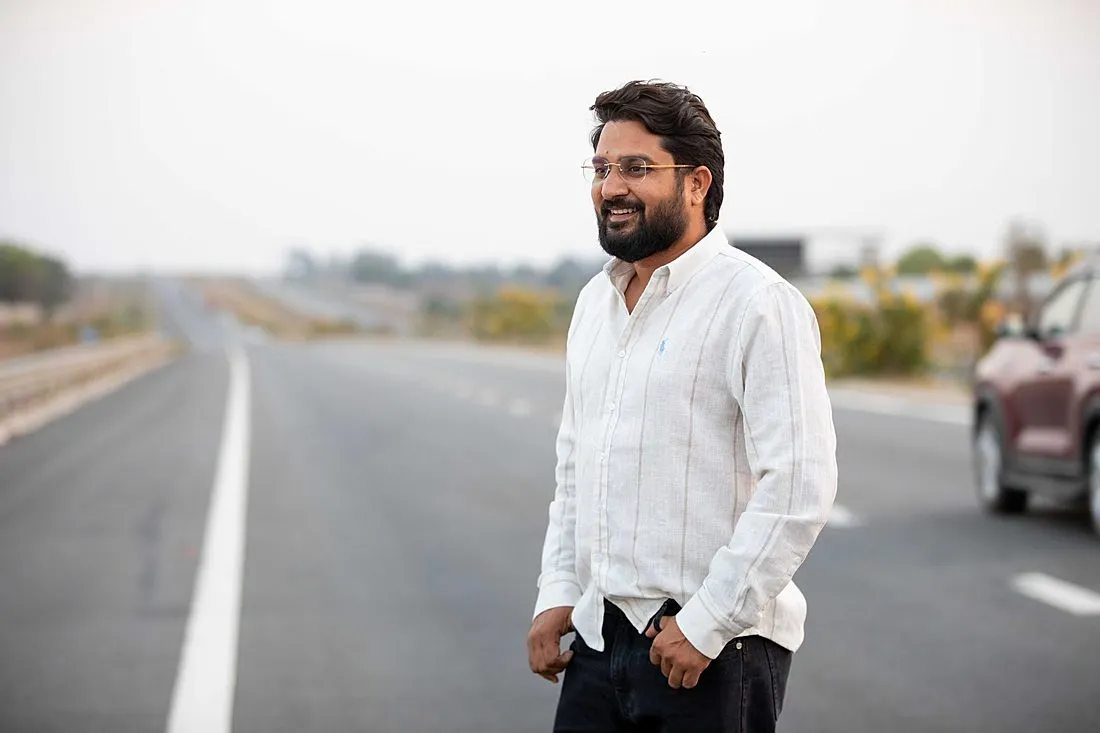
a man standing beside his car on a highway Anil Sharma (via Pexels)
Pictured a man standing beside his car on a highway

The driver who used his own car as a guardrail

On Tuesday, drivers on I-5 near Fife, Washington watched an SUV smash into the concrete barrier again and again, and it was quickly clear the driver wasn't distracted, something was seriously wrong. Paul Jackson, a driver from Roy, Washington, pulled alongside and saw a woman behind the wheel with her eyes rolled back and a frightened young boy strapped into a car seat behind her.

He didn't wait for someone else to act. Jackson eased his Kia Forte up against the SUV and gently steered it into the barrier until it rolled to a stop, then rushed over, shifted the car into park, and got the child out safely before police and paramedics arrived.

"It was something I didn't really even think about. I just did it," he said. "Somebody had to do something." He was running late to pick up his wife's birthday cake, so he texted her photos from the scene just to prove he wasn't joking. A stranger's instinct, and a few careful seconds of steering, turned a highway disaster into a story everyone walked away from.

The common thread · How today's discoveries connect Open editor's note
Fresh today · July 19, 2026

The discoveries, in full

a person resting on a couch at home
Pictured a person resting on a couch at home · www.kaboompics.com (via Pexels)
01/08 Natural Sci.

A cheap, decades-old pill finally helps with long COVID fatigue

In a trial of 399 adults in Brazil who'd had crushing, unrelenting fatigue for at least 90 days after COVID, researchers randomly gave people fluvoxamine, metformin, or a placebo for 60 days 1.

Fluvoxamine, an antidepressant that's been on the market since the 1990s and costs almost nothing, won out: the statistical analysis found a 99 percent probability it beat the placebo. "This is an important step forward for patients who have been desperate for evidence-based options," said Edward Mills of McMaster University, the trial's senior author 1. It's one of the first medications in the world to show a real, measurable benefit for a symptom that has sidelined millions of people from work and family life with nothing to show for years of searching.

a koala in a eucalyptus tree
Pictured a koala in a eucalyptus tree · Michael Waddle (via Pexels)
02/08 Natural Sci.

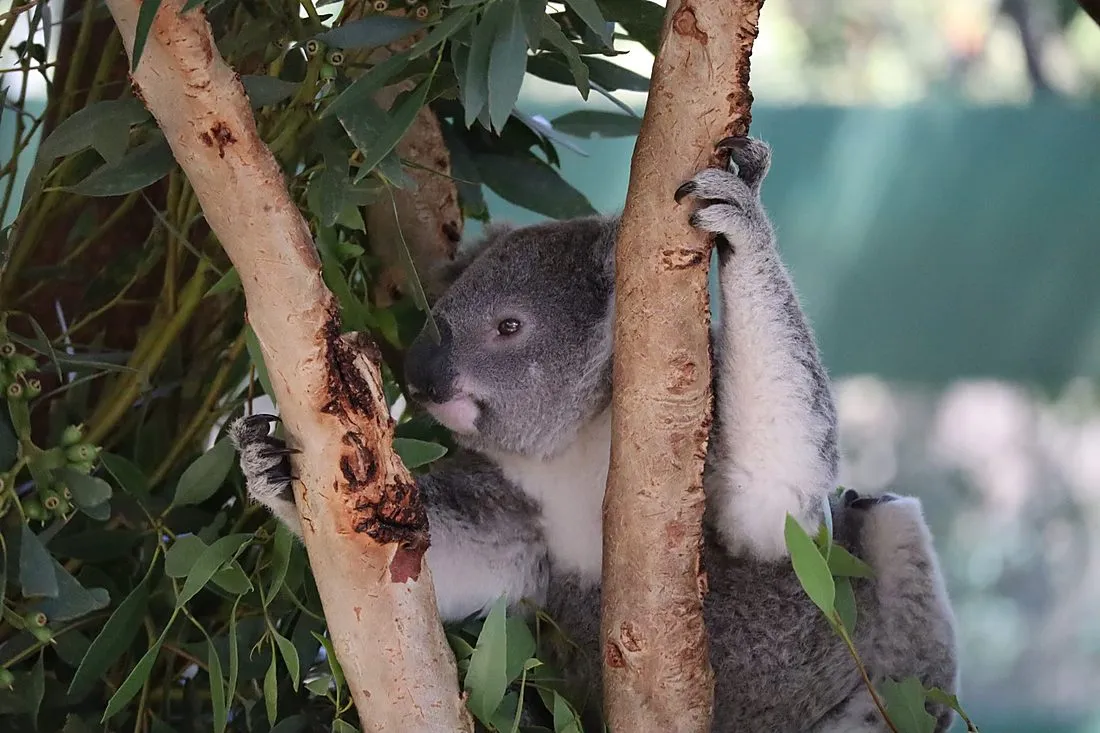
Every koala alive descends from a tiny band that survived a hidden apocalypse

By calculating the koala's mutation rate for the first time and combing through hundreds of genomes, a team from the University of Sydney and Texas A&M traced the species back 100,000 years, long before any human set foot in Australia 10.

What they found: a severe population crash during a brutal glacial period, one so complete that every koala on the continent today traces back to a single small surviving population. "The study rewrites the timeline for the koala's genetic history in Australia," said PhD student Toby Kovacs, who led the work 10. The animals came back from almost nothing, on their own, and repopulated eastern Australia.

two teenagers having a conversation
Pictured two teenagers having a conversation · RDNE Stock project (via Pexels)
03/08 Psychology

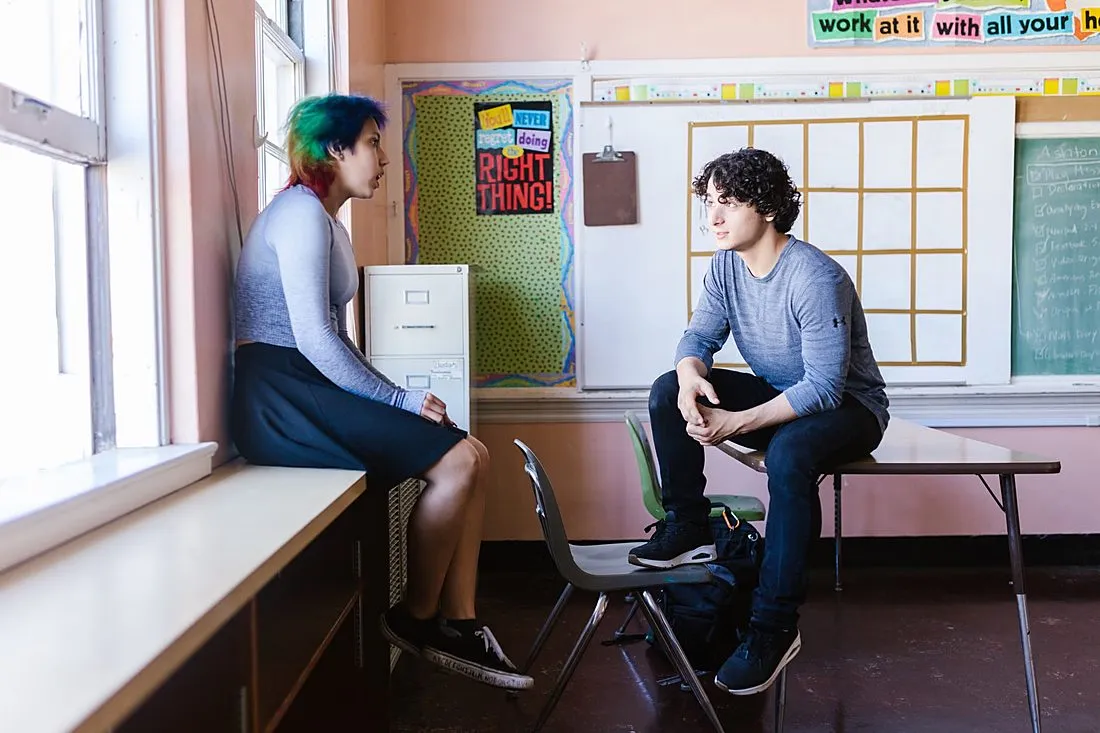
Autism and social misunderstanding may not be about "reading people" at all

A study in Nature Mental Health, led by Shannon Cahalan at the National Institute of Mental Health, found that autistic and non-autistic people use remarkably similar strategies for figuring out what someone else likes 50.

The difference isn't in how well autistic people learn; it's that their own preferences tend to be more varied and less predictable to an outside observer, which makes them genuinely harder to guess, for anyone. That single fact, not some deficit in reading social cues, may explain a lot of the friction autistic and non-autistic people report in getting to know each other.

a row of newly built apartment buildings under construction
Pictured a row of newly built apartment buildings under construction · Zülfü Demir📸 (via Pexels)
04/08 Social Sci.

Congress passed the biggest housing law in 30 years, aimed at the "housing theory of everything"

On July 11, the 21st Century ROAD to Housing Act became law, after passing the Senate 85-5 and the House 358-32 63. It's the first major federal housing legislation in about 30 years, built around a simple idea: scarce housing is quietly driving inequality, slow growth, and even falling fertility, because where you can afford to live decides your job, your commute, your family size, your neighbors.

One estimate says building restrictions in just New York, San Francisco, and San Jose cost the US economy $8,775 per worker every year 63. Right now, a record 22.6 million renter households, half of all renters, spend more than 30 percent of their income on housing 63.

a self-driving car on a city street
Pictured a self-driving car on a city street · Abhishek Navlakha (via Pexels)
05/08 Social Sci.

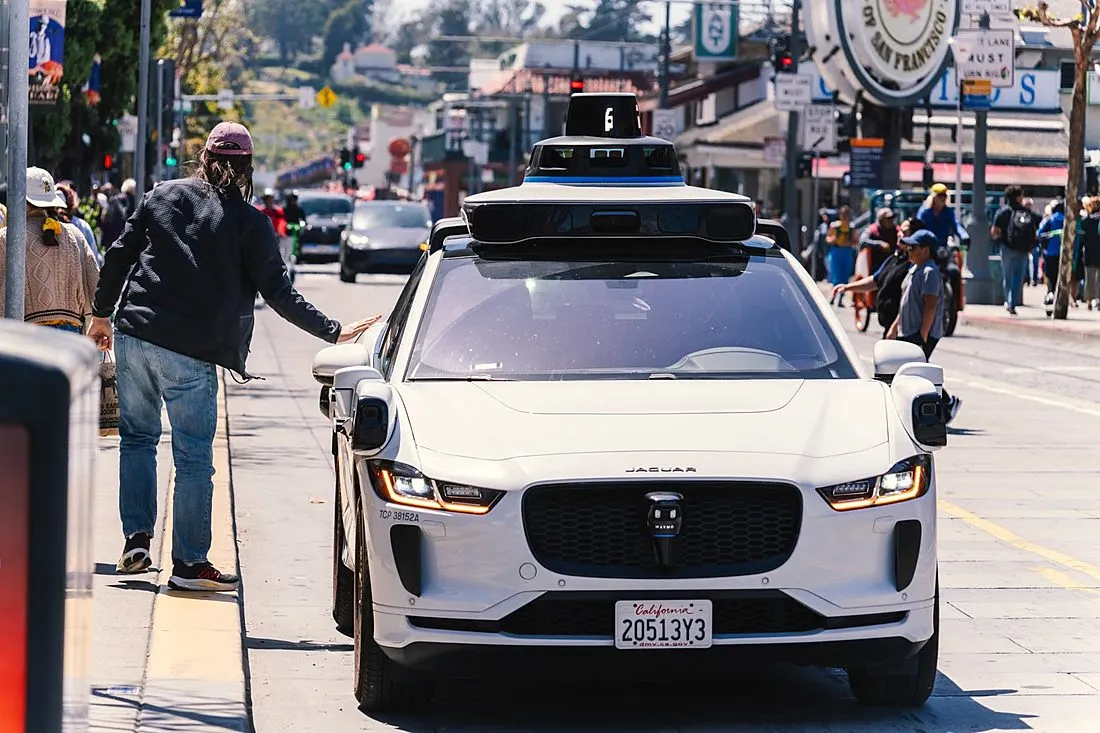
Self-driving cars are already dramatically safer, and the data is starting to pile up

Across 220 million real-world miles in Los Angeles, San Francisco, Phoenix, Austin, and Atlanta, Waymo vehicles have logged 94 percent fewer serious injuries, 82 percent fewer airbag deployments, and 93 percent fewer pedestrian injuries than matched human driving, according to a joint analysis with the insurer Swiss Re 67.

Roughly 37,000 to 40,000 Americans die in car crashes every year. This is large-scale, transparent evidence that driverless cars, within the areas they currently operate, are meaningfully safer than we are.

an old industrial factory building
Pictured an old industrial factory building · Mathias Reding (via Pexels)
06/08 Technology

A dead hot dog factory is becoming a fusion reactor testbed

A startup called Realta Fusion is converting a shuttered Oscar Mayer plant in Wisconsin into a facility called Forge, set to begin testing in 2029 whether a fusion reactor can actually turn a profit by producing more electricity than it consumes 76.

The company's device, nicknamed WHAM, already pulled off something new: generating electricity by extracting it directly from charged particles in the plasma, rather than using heat to boil water and spin a turbine like every other reactor design 76. "From sausages to fusion," said CEO Kieran Furlong 76.

the Houses of Parliament in London
Pictured the Houses of Parliament in London · PhilDaBirdMan (Wikimedia Commons)
07/08 Plant-Based

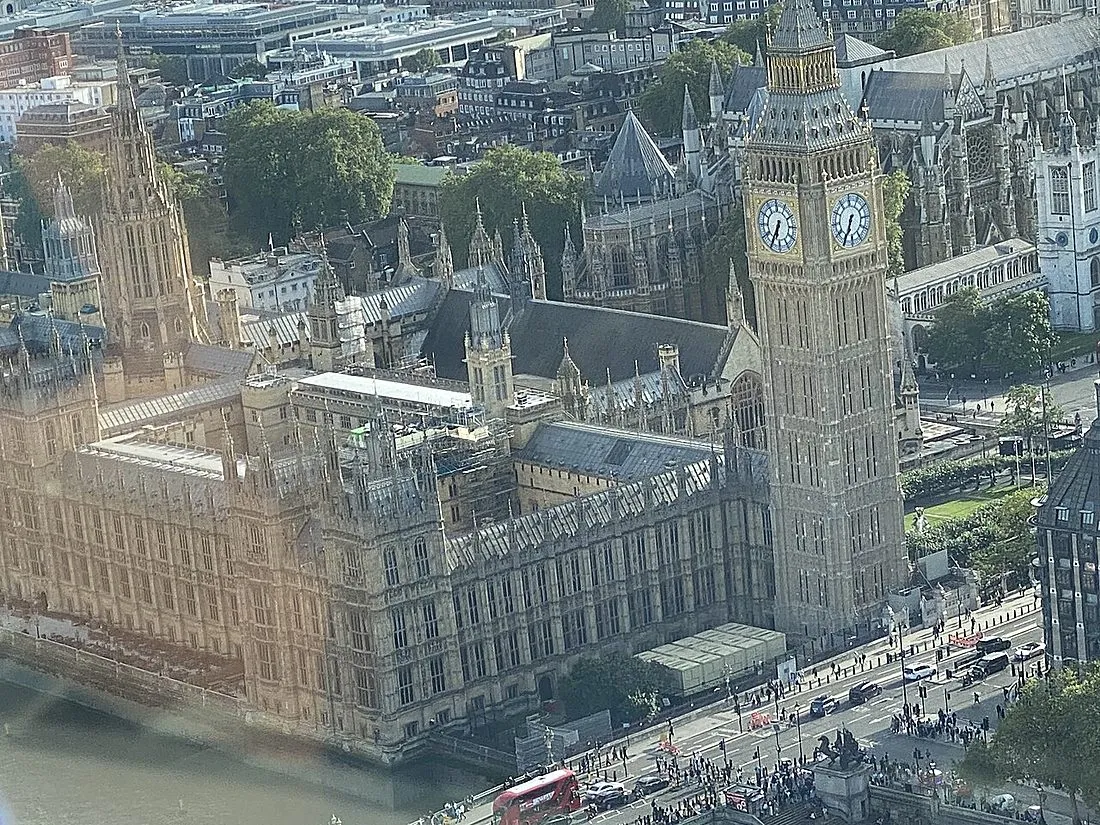
British lawmakers push to end animal testing approved "in the dark"

Twenty-seven UK MPs from Labour, the Greens, the Liberal Democrats, the SNP, and independents have backed a motion demanding an end to "blind approval" animal testing licenses, which let labs run categories of experiments without regulators reviewing the actual details 99.

New Freedom of Information data shows six such licenses were granted in just the first three months of 2026, authorizing more than 100,000 animals for use over the next five years 99. More than 20,000 people have contacted their MPs on the issue since the campaign group Animal Aid's exposé in April. "Behind every licence is a living creature," said MP Neil Duncan-Jordan, who introduced the motion 99.

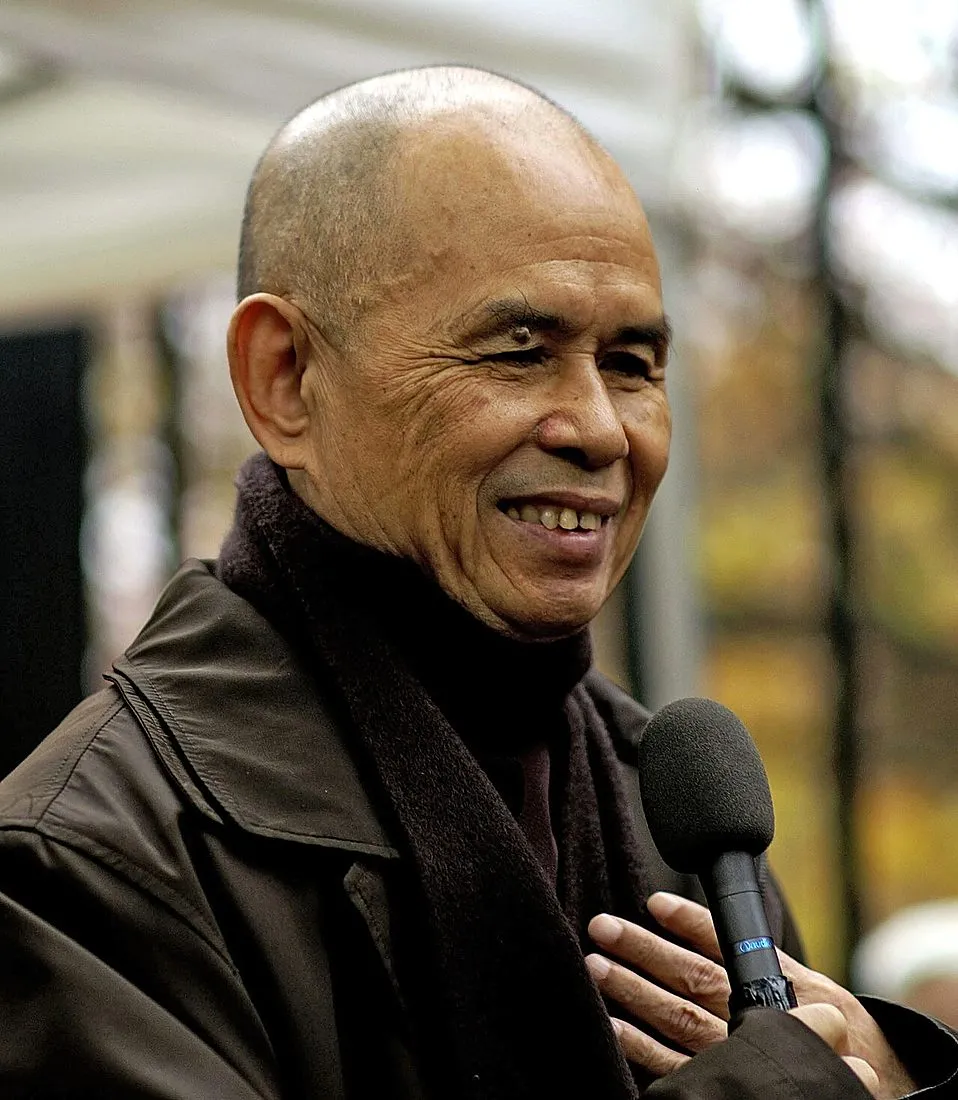
Thich Nhat Hanh
Pictured Thich Nhat Hanh · Duc (pixiduc) from Paris, France. (Wikimedia Commons)
08/08 Human Stories

A Buddhist teacher's simplest idea about love might be his most useful

Reflecting on the Zen teacher Thich Nhat Hanh's book How to Love, writer Maria Popova returns to his central claim: "understanding is love's other name" 134. Nhat Hanh illustrates it with an image worth sitting with: pour a handful of salt into a cup of water and it's undrinkable, but pour that same handful into a river and people can still draw water to cook and wash and drink.

"When our hearts are small, our understanding and compassion are limited, and we suffer," he wrote. "But when our hearts expand... we can embrace others" 134.

Fresh today · July 19, 2026

Good news you might have missed

Drug May Repair DNA at Earliest Stages of Alzheimer's KCL-286, a drug already proven safe in human Phase 1 trials for a different condition, repaired DNA damage and cut inflammation in a mouse model of Alzheimer's, tackling the disease at a stage before amyloid plaques even build up 111. Good News Network
Butterfly experts are planting 15,000 milkweed plants along Florida roadsides to help monarchs The Florida Department of Transportation is managing 10,200 acres of highway roadside as monarch habitat, and researchers have already watched the butterflies using the newly planted milkweed in the field 20. Phys.org
Submillimeter Array Catches a Gamma-Ray Burst Thanks to new Fast-Response System A new alert system got telescopes in Hawaii pointed at a gamma-ray burst 1.8 billion light-years away within 13 minutes of detection, almost entirely without a human touching anything 39. Universe Today
Sugar found in space Astrochemists detected erythrulose, the same sugar found in raspberries, drifting near the center of the Milky Way, a small sweet hint that the ingredients for life may be common across the galaxy 17. Live Science
Electronic temporary tattoos monitor your vitals without irritation A paintable, food-dye-colored ink that dries in under 10 minutes can track heart, brain, and muscle signals and stretch to 150 percent of its size, so kids and anyone self-conscious about visible medical gear can wear a design instead of a beige patch 96. New Atlas
A tactile wearable device suggests promising results for extending total sleep time A gentle, vibrating wearable meaningfully extended total sleep time in people who chronically get too little, with no drugs and no side effects 44. PsyPost
Daughter Saves Dad's Struggling Shoe Shop With TikTok Appeal One TikTok video about a pair of Y2K kitten heels sent two-hour lines outside a 30-year-old London shoe shop that had been on the verge of closing 110. Good News Network
Others Dreamed of His Basketball Career But He Wanted to Help People A 7-foot-3 former college basketball player turned down the pro path to become a police officer in a small waterfront Texas town, because helping people was the job he actually wanted 109. Good News Network
Her late mother's DVD player went to Goodwill. Nobody realized what was still inside it. A stranger who bought a used DVD player found a wedding video still inside it, posted the footage online with no names to go on, and reunited a woman with the last thing her late mother loved to watch 122. Upworthy
After 33 years, two old-school pen pals an ocean apart finally got to meet in person Two women who'd traded letters since childhood, one in Australia, one in Canada, finally sat down for a meal together and said it felt like no time had passed at all 120. Upworthy
At 60, He Left Filmmaking to Build a No-Internet Homestay Bringing Income to Local Women A documentary filmmaker restored a 100-year-old house in a Konkan village into a phone-free homestay, and the local women running it are earning their own income for the first time 116. The Better India
This Farmer in Uttar Pradesh Grew 350 Mango Varieties on a Single Tree A man who failed seventh grade spent decades grafting by trial and error until his 125-year-old tree grew to bear 350 distinct mango varieties, each with its own flavor and color 115. The Better India
US firm gets license to commercialize patented seawater uranium extraction technology The world's oceans hold an estimated 4.5 billion metric tons of dissolved uranium, and a US company just licensed a Department of Energy process to start pulling nuclear fuel straight out of seawater 83. Interesting Engineering

Everything we read today

Natural Sciences 40 articles
Life Sciences & Medicine 1 articles
Psychology & Behavioral Science 21 articles
Social Sciences 6 articles
Technology & Innovation 30 articles
Plant-Based & Vegan 9 articles
Solutions & Good News 15 articles
Human Stories & Ideas 13 articles
The long view · not today's news, the story behind it

Today's discoveries didn't come from nowhere. Here's the older, ongoing story they belong to, a moment from this day in history, and a question to test what stuck.

The story so far

On this day in science

1977 The first GPS signal is transmitted A satellite sent the world's first Global Positioning System signal, received in Cedar Rapids, Iowa. The technology now guides everyone from hikers to airliners and quietly powers modern life. More from the Almanac →

Before you go: today's quiz

The daily quiz

Who developed the first measles vaccine, licensed in 1963?

Reveal the answer

John Enders and Thomas Peebles

John Enders and Thomas Peebles isolated the measles virus and developed the first vaccine, licensed in 1963. Enders had earlier won a Nobel Prize for work that also enabled the polio vaccine.

See the Lifesaver →

Get this every morning.

Liked today's? Wake up to tomorrow's, in one short letter.

The full letter, every morning, free for good.

Same free letter, plus the reason it stays that way: no ads, no investors, no agenda but the good news itself.

A single gift of any amount. No account, never a recurring charge.