

The daily edition · August 2, 2026

Two lost ancestors turn up in our DNA, and a dementia trial that worked

Your morning brief

an 11-minute read

The feel-good story of the day

two friends sharing a meal on a front porch Mikhail Nilov (via Pexels)
Pictured two friends sharing a meal on a front porch

The Wendy's employee who rang a stranger's doorbell and asked to eat lunch on her porch

Dara was overwhelmed during a shift at a Wendy's in Palm Beach County, Florida, and didn't want to spend her whole break walking home. Instead she wandered a nearby neighborhood, paced in front of a house she'd never seen before, and finally rang the bell. When homeowner Abigail Mwaungulu answered through her Ring camera, Dara asked: "Hi, I work at the Wendy's over there. I'm on my break and didn't want to walk all the way home. Can I just sit right there and eat my lunch?"

Abigail's first thought was that Wendy's delivered. But she said yes anyway, and invited Dara to sit. "I was trying not to cry when I was eating because I was so happy she said yes," Dara later said. Abigail posted the Ring footage on TikTok, where millions watched it, and went to meet Dara at the Wendy's the next day.

What started as one woman's yes to a stranger at her door became a real friendship: dinners, exploring West Palm Beach together, and, by both their accounts, an instant, easy connection. Sometimes the whole distance between a hard shift and a good day is one person deciding not to say no.

The common thread · How today's discoveries connect Open editor's note
Fresh today · August 2, 2026

The discoveries, in full

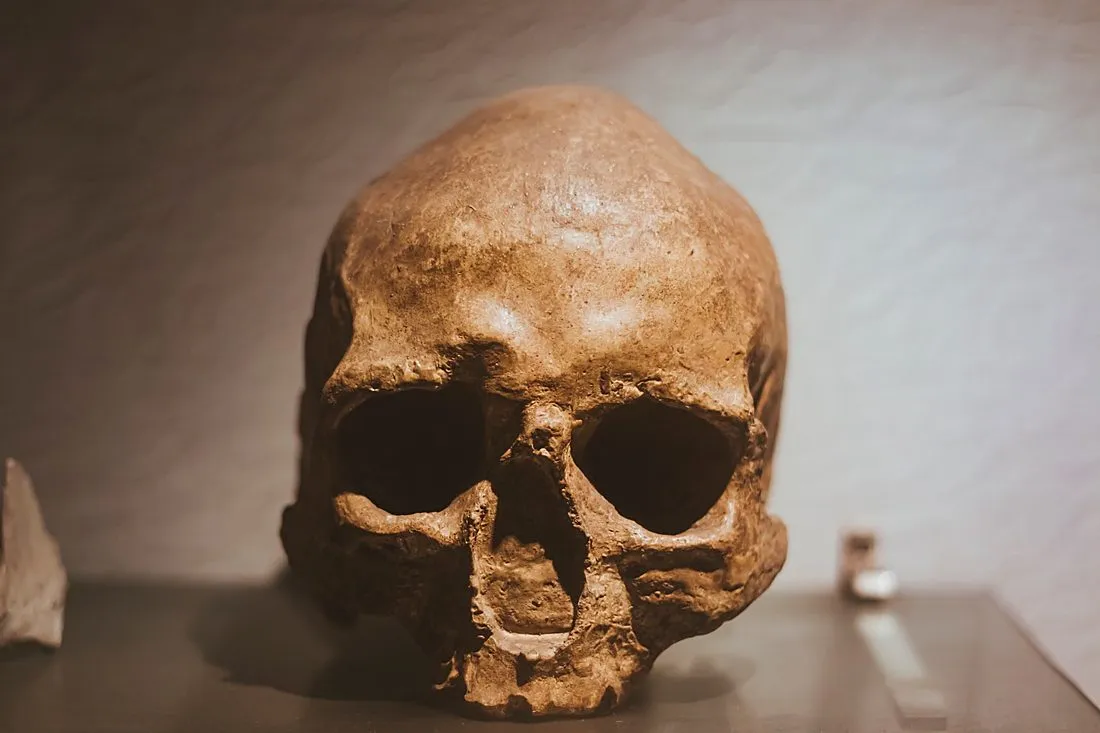
a Neanderthal skull cast displayed in a natural history museum
Pictured a Neanderthal skull cast displayed in a natural history museum · Ranjit Pradhan (via Pexels)
01/07 Natural Sci.

Two extinct human relatives hiding in our DNA

Everyone alive today carries DNA from two extinct human lineages nobody had mapped before, on top of the Neanderthal and Denisovan DNA we already knew about 5. UC Berkeley researchers built a new method that reconstructs ancient genealogical connections across hundreds of present-day genomes, and it turned up a "ghost" ancestor that interbred with our species in Africa more than 50,000 years ago, contributing about 1% of the modern human genome, roughly the same share Neanderthals left behind.
That lineage split off from our ancestors around 800,000 years ago, close to when Neanderthals and Denisovans diverged from each other. A second, even older population, dubbed the "super-archaic" ancestor, traces back some 1.8 million years and appears to have interbred with Denisovans in Eurasia over 200,000 years ago, before that Denisovan DNA made its way into us too. "We were actually able to find and map genomic locations in modern humans that are from this ghost lineage and show that this ghost ancestry is in all modern humans, not only in Africans," said Berkeley graduate student Yulin Zhang 5.

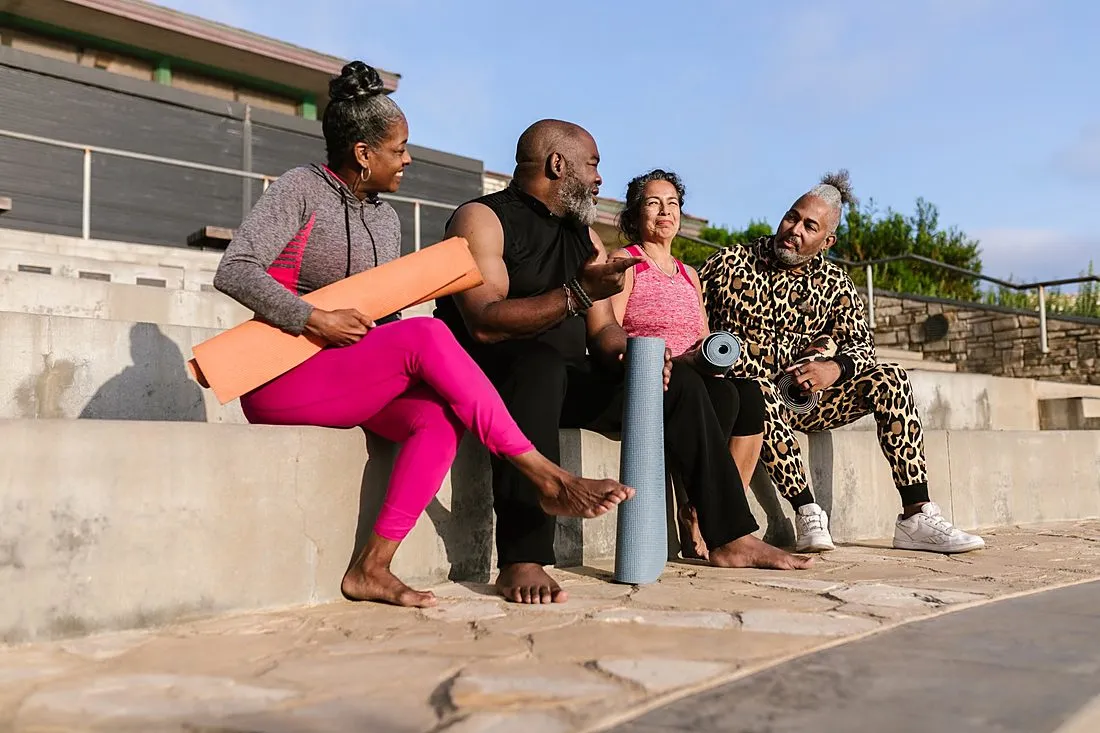
a group of older adults exercising together outdoors
Pictured a group of older adults exercising together outdoors · RDNE Stock project (via Pexels)
02/07 Life Sciences

A dementia prevention trial that actually worked

At the Alzheimer's Association International Conference in London this July, a room full of researchers watched a video of a nonscientist named Isabel Beltre thanking, in Spanish, both her faith and a clinical trial for changing her life 18.

Beltre was one of 1,200 participants aged 60 to 77 in LatAm-FINGERS, the first trial testing a culturally adapted lifestyle intervention against cognitive decline in Latin America. Rather than treating dementia once it arrives, the trial went after the risk factors that raise the odds of it happening at all, pairing exercise programs with brain training against a control group that got only general health advice. The intervention group came out with statistically better thinking skills. It builds on the Lancet Commission's 2024 estimate that 14 modifiable factors, including smoking, social isolation, and inactivity, together account for 45% of dementia cases worldwide. "I felt that I wanted to move on to interventions to really show that if you do something, you can change the risk," said Dr. Miia Kivipelto of the Karolinska Institute, who has spent decades pushing this approach 18.

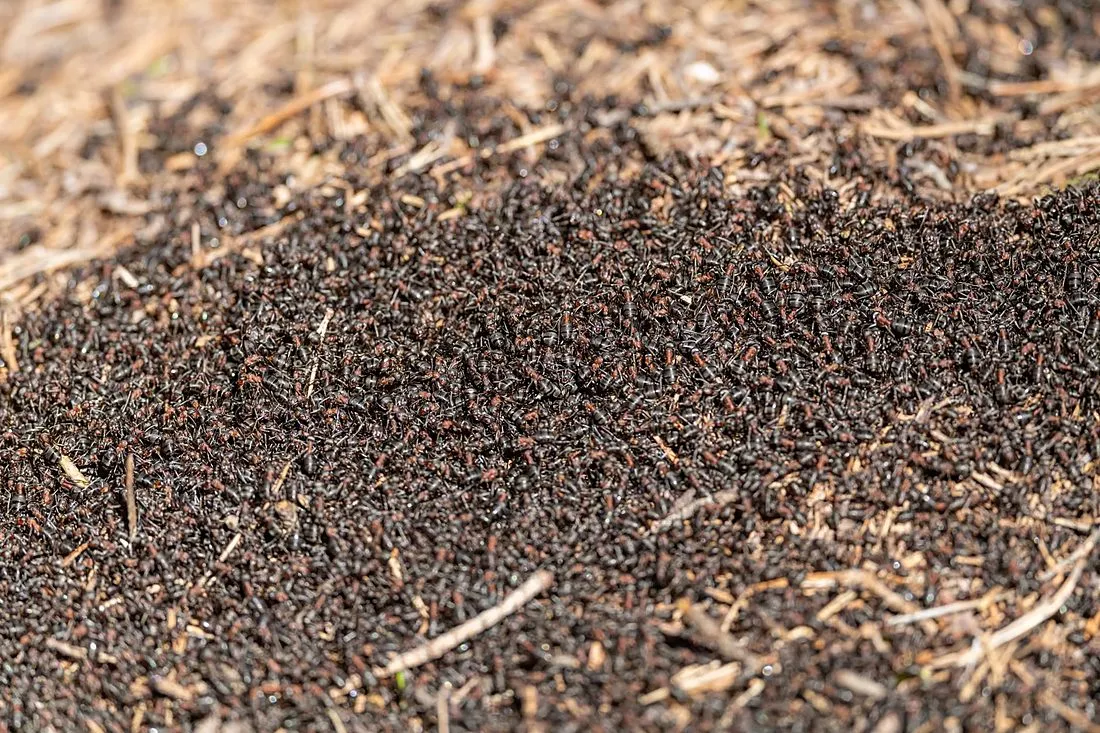
ants tending larvae inside their nest
Pictured ants tending larvae inside their nest · Petr Ganaj (via Pexels)
03/07 Natural Sci.

Ant parenting evolved out of the brain circuits for hunger

For most of animal history, creatures reproduced and left their offspring to fend for themselves. A new Nature study out of Rockefeller University suggests caregiving may not have required evolution to build anything new at all 15.

Studying clonal raider ants, whose brains hold about 60,000 cells compared to a mouse's roughly 100 million, Daniel Kronauer's team found two chemical signals that push ants toward either tending larvae or leaving the nest to forage, with the balance shifting as individual ants age. Those same neuromodulatory systems overlap with the ones mammals use for parental behavior, systems that originally regulated feeding and hunger. "Our work is a prime example of how evolution seldom invents things from scratch," Kronauer said. "Evolution takes what it has and works with that, sometimes in very surprising ways" 15.

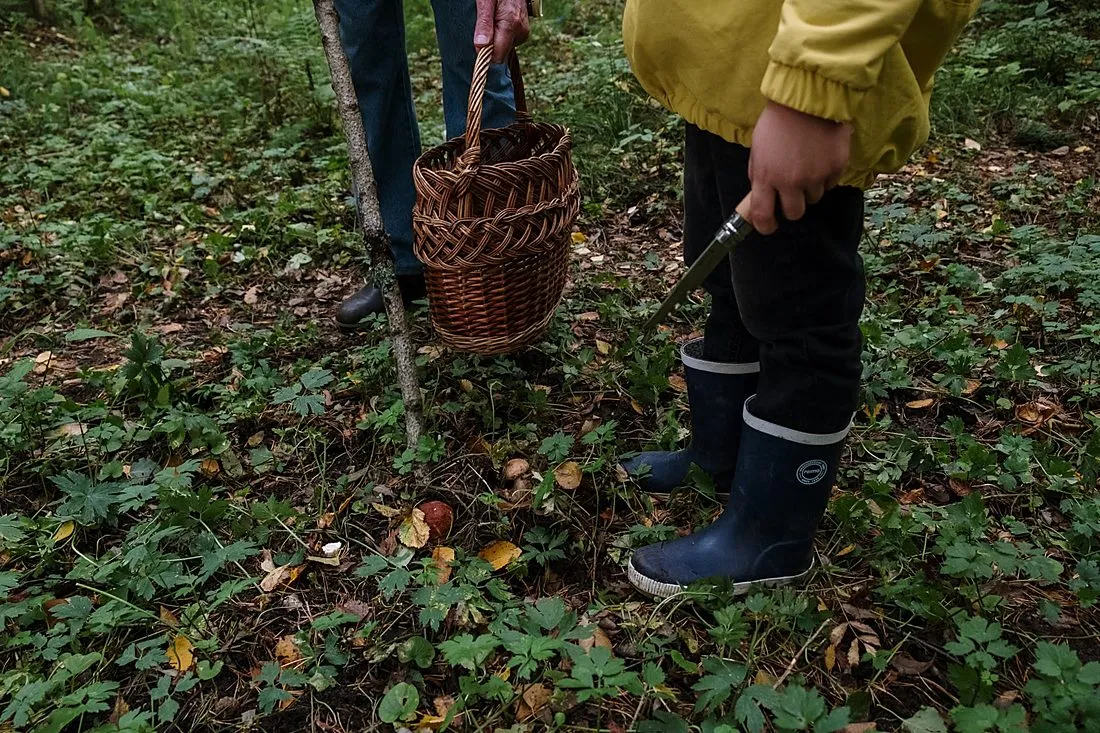
a person walking through a forest foraging
Pictured a person walking through a forest foraging · cottonbro studio (via Pexels)
04/07 Psychology

Psilocybin users who also drink report fewer depressive symptoms

Drawing on the 2024 National Survey Investigating Hallucinogenic Trends, a nationally representative dataset, researchers found that adults who use psilocybin alongside alcohol report fewer depressive symptoms than adults who drink but don't use psilocybin 36.

The study, published in the Journal of Drug Issues, looked specifically at naturalistic use, meaning people making their own choices in everyday life rather than dosing under clinical supervision. "There has been a growing interest in psilocybin for therapeutic purposes, and previous clinical research has indicated it has potential benefits for improving mental health," said Anita Cservenka of Oregon State University, who led the study 36. Her team wanted to know whether that clinical promise showed up in the real world, among people who also drink one of the most widely used and riskiest substances on earth.

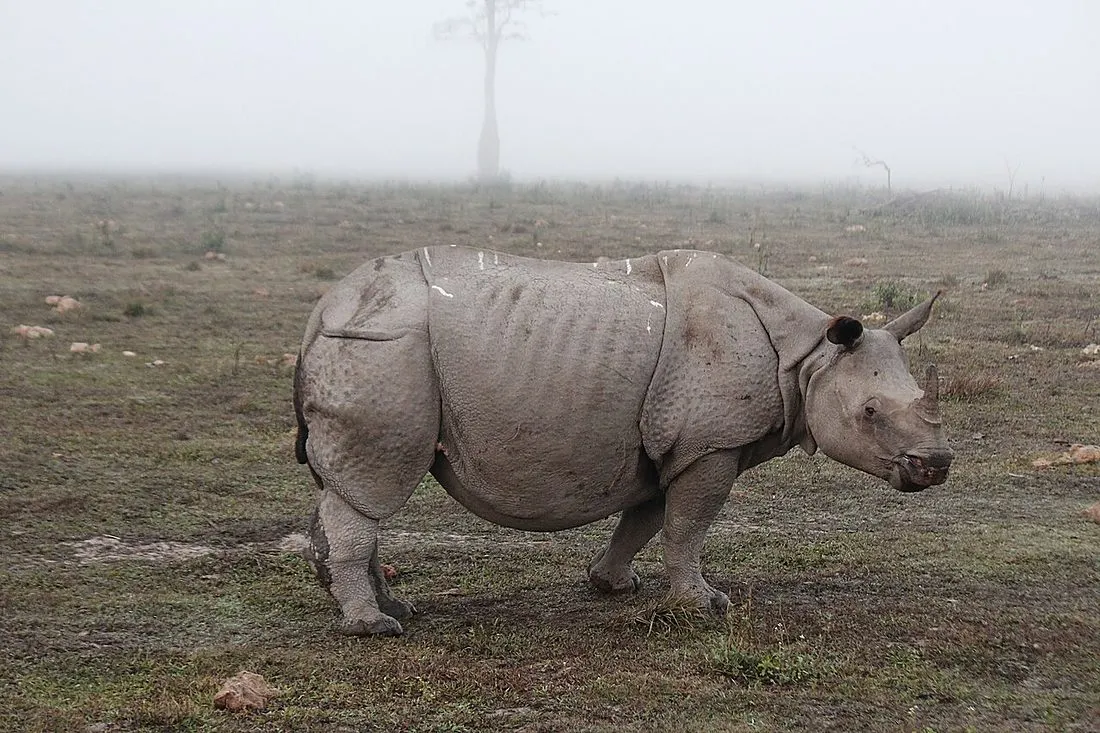
a greater one-horned rhinoceros in Kaziranga National Park
Pictured a greater one-horned rhinoceros in Kaziranga National Park · Madhumita7 (Wikimedia Commons)
05/07 Good News

Assam went from 27 poached rhinos a year to zero

In 2013 and 2014, poachers killed 27 rhinos a year in Assam, India, home to the world's largest population of greater one-horned rhinoceroses 119. In 2022, the state recorded zero rhino poaching for the first time since 1977, its first poaching-free year in 45 years.

The turnaround came from treating poaching as organized crime rather than isolated incidents: a Special Anti-Poaching Task Force formed in 2021 paired forest and police intelligence, while drones, thermal imaging, and electronic surveillance backed up the guards on foot. Sandeep Kumar, a 1989-batch Indian Forest Service officer now serving as Assam's Principal Chief Conservator of Forests, helped lead the effort, alongside women forest guards known as the Van Durgas who patrol vulnerable stretches and gather intelligence from surrounding villages. The threat hasn't vanished entirely, one rhino was poached in 2023 and two in 2024, but 2025 was another zero-poaching year 119.

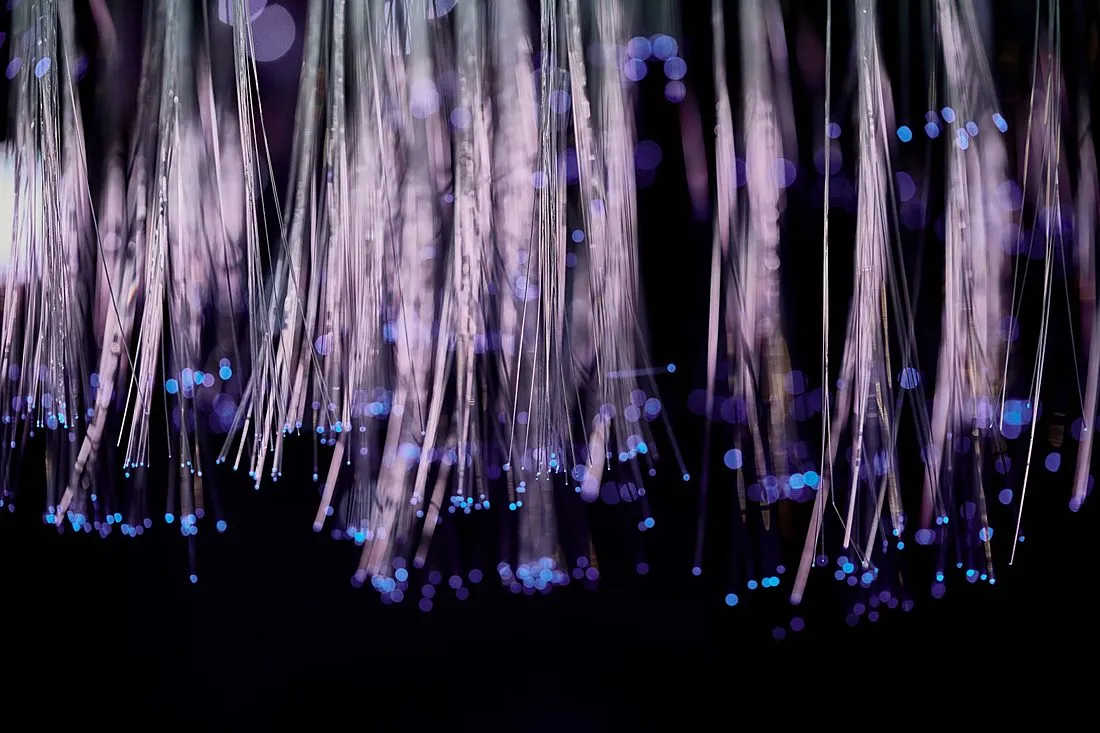
a fiber optic cable glowing with colored light
Pictured a fiber optic cable glowing with colored light · Suki Lee (via Pexels)
06/07 Technology

A photonic chip that fits four lanes of light into one structure

Conventional topological photonic chips only carry light along their edges, wasting most of the material in between, like a road surrounded by wide, useless safety barriers 83.

Researchers in China redesigned the structure so nearly the whole chip does useful work: a honeycomb lattice built from magnetic rods splits electromagnetic waves into distinct "valley" states, and the team arranged four versions of that pattern in a repeating cycle so each region carries its own signal while simultaneously blocking its neighbor's reverse-traveling waves. The result is four independent microwave signals traveling side by side through a single insulator-free chip, with no wasted space acting only as a barrier. The team describes it as "a design strategy for ultracompact topological photonic circuits, with potential for high-density integrated optics" 83.

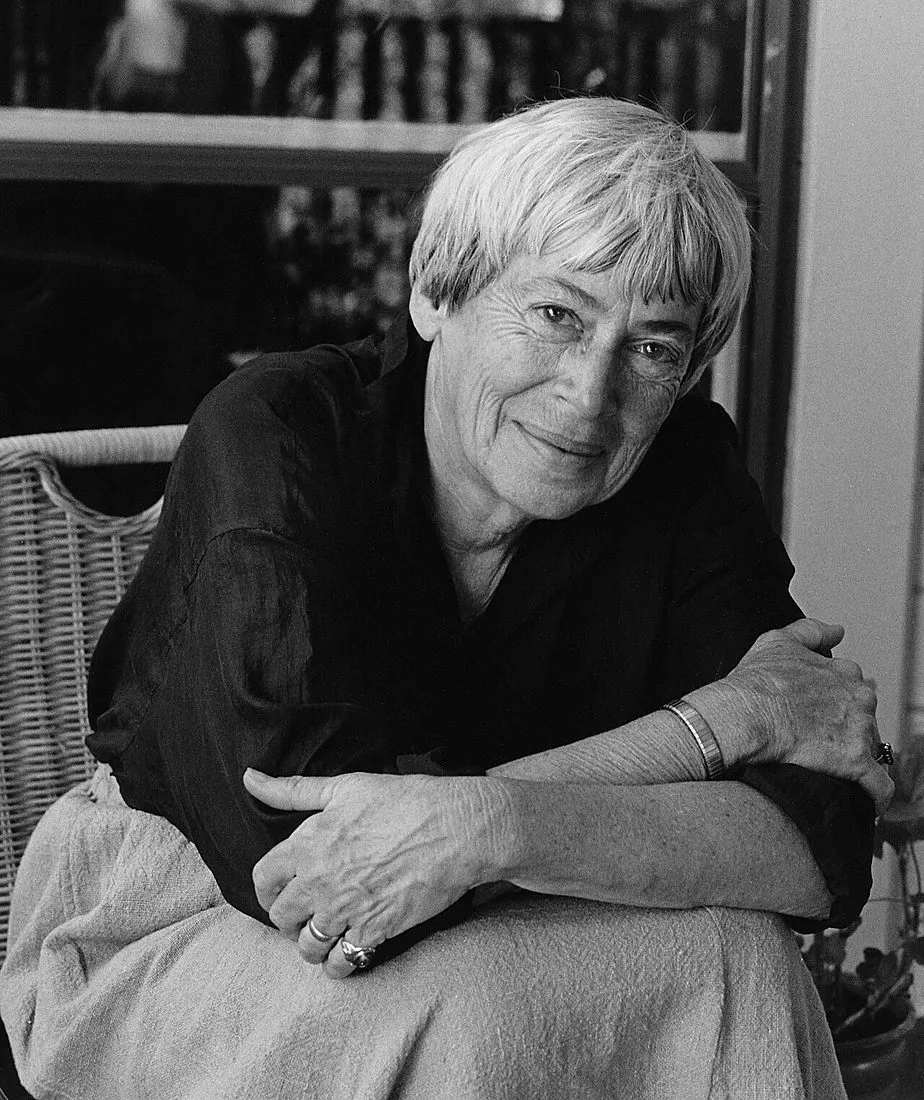
Ursula K. Le Guin
Pictured Ursula K. Le Guin · Wikimedia Commons / Ursula K. Le Guin
07/07 Human Stories

What ten writers understood about growing older

Maria Popova gathered ten writers and thinkers, spanning more than a century, on what it actually means to grow old in a culture built around youth 132. Classicist Jane Ellen Harrison, writing decades ago, dismantled the wistfulness of wanting to be young again in a single line: asked whether she'd like a second youth, she called it "one of those foolish questions that never should be asked, because they are impossible" 132.

Ursula K. Le Guin, taking up the question at the start of her sixties, argued that aging strips away a kind of beauty that was never really earned and replaces it with one that is: "For old people, beauty doesn't come free with the hormones, the way it does for the young. It has to do with bones. It has to do with who the person is" 132.

Fresh today · August 2, 2026

Good news you might have missed

Eating one avocado a day may lower heart disease risk A daily avocado lowered artery-clogging LDL particle counts enough in a Penn State trial to translate to an estimated 4% drop in cardiovascular risk for adults with obesity 2. ScienceDaily
Scientists left water inside a battery and nearly doubled its power University of Surrey researchers found that leaving natural water inside a sodium battery material, instead of removing it as usual, nearly doubled how much charge it could hold, and the same material could someday help pull salt out of seawater 17. ScienceDaily
This new alloy is up to 10 times stronger than steel and surprisingly flexible Purdue engineers reworked a notoriously brittle cobalt-aluminum compound at the nanoscale so it bends instead of shattering, opening the door to turbine blades that can spin faster without cracking 13. ScienceDaily
New process turns plastic waste into hydrogen fuel while trapping the carbon UCLA and Ewha Womans University chemists found a way to turn unsorted PET, PE, and PP plastic into hydrogen that's over 90% pure, while locking most of the carbon into solid minerals instead of releasing it as CO2 14. ScienceDaily
A Common Gym Supplement May Give Cancer-Fighting Cells an Energy Boost A UCLA study found that creatine, the muscle supplement, also acts as a backup energy source for dendritic cells, the immune system's support crew that directs killer T cells toward tumors 29. ScienceAlert
This Death Valley Plant Survives 60°C by Chilling Its Own Leaves Arizona honeysweet actively cools its leaves up to 13°C below the surrounding air, letting it survive temperatures that brush against the known upper limit for complex life 28. ScienceAlert
Blowing Bubbles Allows Sperm Whales to Sleep Soundly Beneath the Waves Researchers tagged 42 sperm whales off Norway and found the giants release bubbles from their blowholes to keep their oil-filled heads from floating them to the surface mid-nap 110. Good News Network
Lynx Rescued in War-torn Ukraine Walks on Grass for the First Time Ursa, a lynx illegally kept as a pet in Kyiv, was evacuated across an active war zone by a UK sanctuary that raised $180,000 and finally got to feel grass under her paws in Kent 109. Good News Network
Man who raised and released an orphaned otter films her swimming to his kayak for cuddles Mats Janzon hand-raised an orphaned otter named Leya in Sweden, taught her to swim in a kiddie pool, released her into the wild, and she still swims out to greet him 121. Upworthy
Dogs from 5 vastly different countries were found to express their loyalty with the same behavior Testing dog-owner pairs in Vanuatu, Mongolia, Madagascar, Peru, and Germany, researchers expected the human-dog bond to vary by culture and instead found it strikingly universal 127. Upworthy
Bengaluru Is Turning Church Street Into a Stage for Street Musicians Every Saturday A Bengaluru foundation now works with city police to let five to ten buskers perform weekly on Church Street, keeping 100% of tips with zero commission taken 114. The Better India
How 2 Friends Revived 4 Ganga Ghats & Removed 1 Tonne of Plastic Waste in Uttar Pradesh Two friends who couldn't get authorities to clean up their town's Ganga ghats started doing it themselves on weekends, and a two-person effort grew into a 15-member team that's planted 1,000 trees 116. The Better India
The Atlanta Falcons brought back old-school concession prices, and spending actually went up Mercedes-Benz Stadium priced hot dogs and beer at street rates instead of stadium markups, and fans ended up spending 20% more overall because they felt like they were getting a fair deal 125. Upworthy
Oatly Reports Profitable Growth In Q2 2026 Driven By Barista Milk Oatly's revenue grew 15.2% in Europe on Barista oat milk sales alone, and the company is now sourcing all of that line's oats from UK farms to shrink its climate footprint 98. Plant Based News
After Cancer & COVID, I Found My Calling on Morning Walks. Today, My Wildlife Photos Win Awards A breast cancer survivor picked up a point-and-shoot camera during recovery to photograph birds near her home, and her photos have since won national and international awards 115. The Better India

Everything we read today

Natural Sciences 30 articles
Psychology & Behavioral Science 27 articles
Social Sciences 5 articles
Technology & Innovation 35 articles
IEEE Spectrum
Plant-Based & Vegan 9 articles
Solutions & Good News 23 articles
Human Stories & Ideas 3 articles
The long view · not today's news, the story behind it

Today's discoveries didn't come from nowhere. Here's the older, ongoing story they belong to, a moment from this day in history, and a question to test what stuck.

The story so far

On this day in science

1932 The antimatter positron is discovered Physicist Carl Anderson discovered the positron, the electron's antimatter twin, confirming that antimatter really exists. The finding won a Nobel Prize and now underlies medical PET scanners. More from the Almanac →

Before you go: today's quiz

The daily quiz

Sequencing a full human genome cost about $95 million in 2001. By 2022 it had fallen to about?

Reveal the answer

$525

The cost to sequence a full human genome fell from $95,263,070 in 2001 to $525 in 2022, one of the fastest technology cost declines ever measured.

See the number →

Get this every morning.

Liked today's? Wake up to tomorrow's, in one short letter.

The full letter, every morning, free for good.

Same free letter, plus the reason it stays that way: no ads, no investors, no agenda but the good news itself.

A single gift of any amount. No account, never a recurring charge.