




The daily edition · August 3, 2026

Psilocybin puts veterans' PTSD into remission, and farm dust names its magic germs

Your morning brief

a 12-minute read

The feel-good story of the day

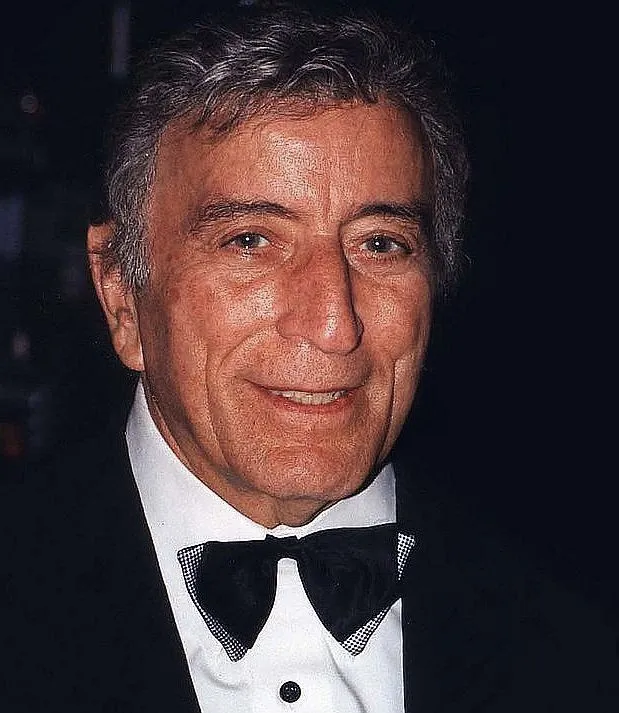
Tony Bennett singing on stage Wikimedia Commons / Tony Bennett
Pictured Tony Bennett singing on stage

The boy from Astoria who sang without a microphone

One hundred years ago today, Tony Bennett was born to a poor Italian immigrant family in Queens. His uncle was a vaudeville tap dancer, which was enough to hook him early, and by 13 he was already singing in restaurants for tips. He served in World War II, came home, and by the 1950s had three number-one pop hits, "Because of You," "Cold, Cold Heart," and "Rags to Riches," before drifting toward jazz and becoming the first male pop vocalist to record with Count Basie.

His 1962 recording of "I Left My Heart in San Francisco" won two Grammys and became the song people think of first when they think of him, though he'd tell you "If I Ruled the World" mattered just as much to him. Over a career that stretched past sixty years, he sold more than 50 million records and won 19 Grammys, including Album of the Year for his MTV Unplugged set, proof that reinventing yourself for a new generation doesn't require abandoning who you were.

What stuck with people who saw him live was smaller than any of that: in concert, he'd sing one song, usually "Fly Me to the Moon," with no microphone at all, just trained breath and decades of stagecraft carrying his voice to the back row. He also founded the Frank Sinatra School of the Arts in Queens, so kids from neighborhoods like the one he grew up in would have somewhere to learn the craft too.

The common thread · How today's discoveries connect Open editor's note
Fresh today · August 3, 2026

The discoveries, in full

a woman brisk walking outdoors
Pictured a woman brisk walking outdoors · Pexels LATAM (via Pexels)
01/08 Natural Sci.

A once-a-week workout that trims belly fat as well as three

Researchers at the University of Hong Kong's School of Public Health put 315 adults with central obesity through a four-month trial testing something almost nobody has studied properly: does interval walking still work if you cram it into a single weekly session instead of spreading it across three?
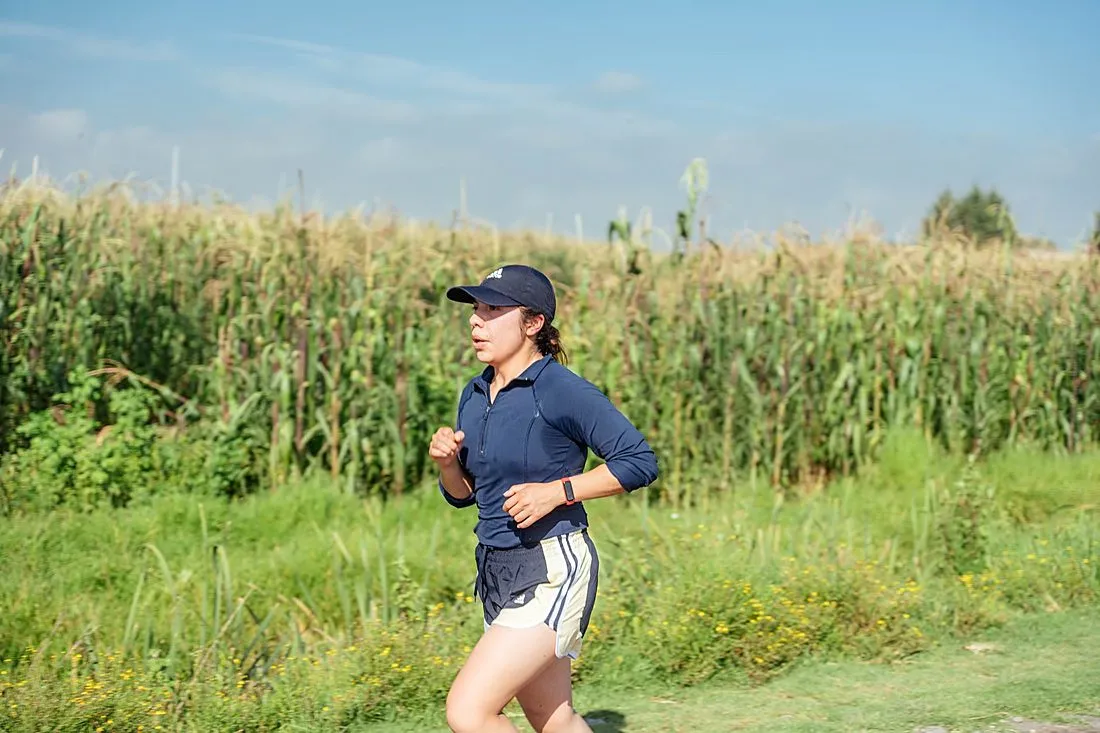
The answer was yes. People who did 75 minutes of brisk interval walking once a week lost comparable body fat, trimmed their waistlines by a similar amount, and improved their cardiovascular fitness about as much as the group walking three times a week 2. The trial, published in Nature Communications, ran from September 2021 to September 2024.

a person preparing a simple vegetable and grain meal in a home kitchen
Pictured a person preparing a simple vegetable and grain meal in a home kitchen · Yaroslav Shuraev (via Pexels)
02/08 Natural Sci. Life Sciences

A massive review says most of us are eating more protein than we need, and it may be aging us faster

While protein-fortified everything, cereal, coffee, even water, keeps filling grocery shelves, a review of more than 350 studies on protein restriction and aging arrived at an inconvenient conclusion: many sedentary adults may be better off eating less of it, not more 627.

Published July 31 in the Cell Press journal Cell Press Blue, the analysis found that lower protein intake raises a hormone called FGF21, which boosts energy expenditure and improves blood sugar control, while easing the signaling from amino acids like methionine, isoleucine, and valine that drives inflammation and metabolic wear when nobody's using the extra protein to build muscle. Human trials found people who cut protein lost fat and improved fasting glucose without cutting overall calories. "It's absolutely crystal clear that there are benefits of protein to muscle growth and exercise response of active individuals," says lead author Dudley Lamming of the University of Wisconsin-Madison, "but because most people are relatively sedentary, many people are likely consuming more protein than they actually need" 27.

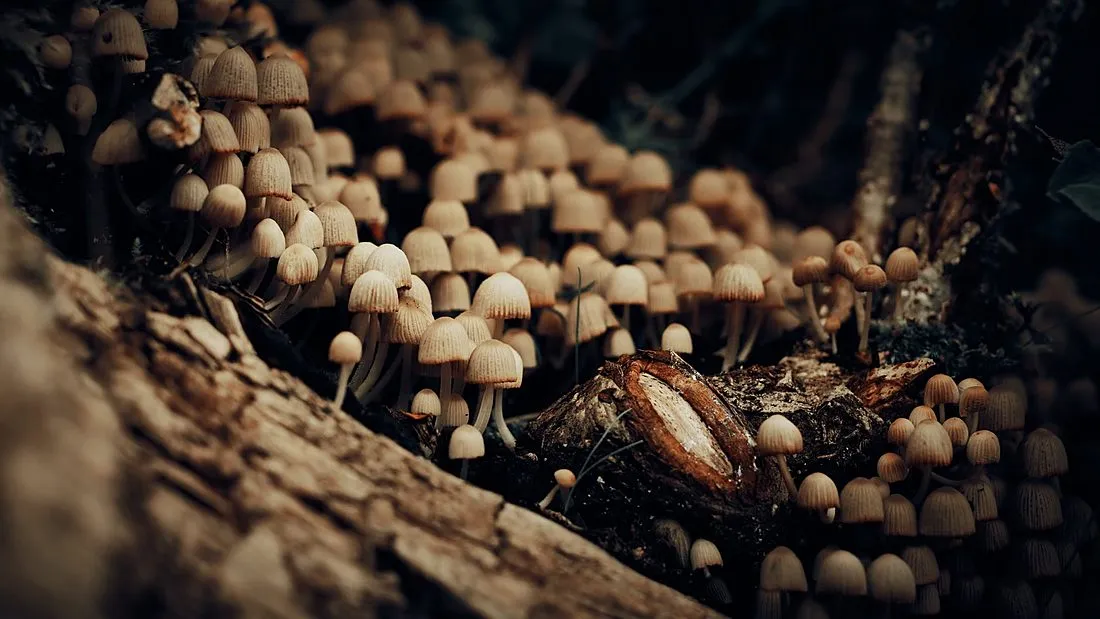
psilocybin mushrooms growing
Pictured psilocybin mushrooms growing · Michael Markhof (via Pexels)
03/08 Life Sciences Psychology

A psychedelic therapy puts veterans' PTSD into remission, and a brain scan shows why it lasts

In the first U.S. clinical trial of psilocybin-assisted therapy for military veterans with treatment-resistant PTSD, 9 of 12 participants, 75 percent, no longer met the diagnostic criteria for PTSD one month after treatment ended 33.

The 11-week Ohio State University protocol paired 14 to 16 hours of preparation and integration psychotherapy with two psilocybin sessions, 15 milligrams and then 25 milligrams, and produced an average 27.5-point drop in clinician-rated symptom severity, no serious adverse events, and no rise in suicidal thinking. "For a population with severe treatment-resistant PTSD, these results are striking," said lead author Stacey Armstrong 33. Meanwhile, a separate UCSF study of 25 healthy adults used brain scans to explain why a single high dose of psilocybin keeps working for weeks: activity in circuits linking the frontal lobes to deeper reward and motivation structures shifted from rigid top-down control toward more flexible, bottom-up processing, a change still visible a full month later 46.

What each field noticed (2)
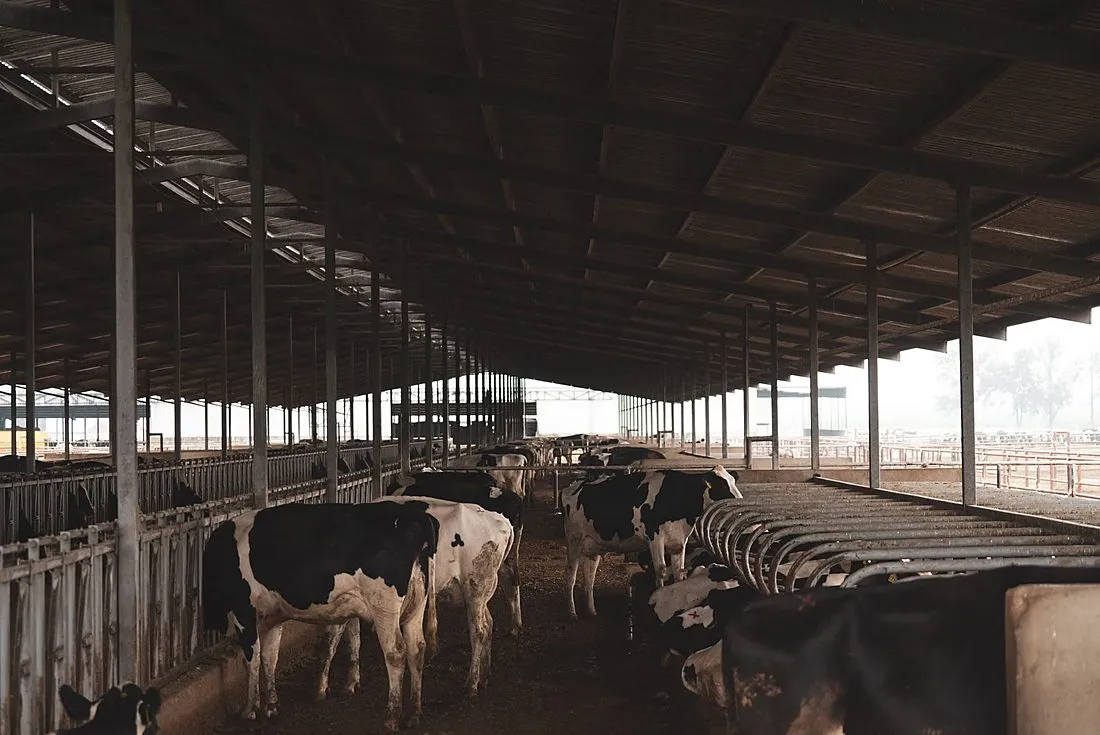
a child playing near cows in a barn on a dairy farm
Pictured a child playing near cows in a barn on a dairy farm · Los Muertos Crew (via Pexels)
04/08 Natural Sci.

Scientists finally named the farm bacteria that keep kids from developing asthma

For decades, researchers have known that kids raised on farms develop far less asthma, allergies, and hay fever than kids raised in cities, the "hygiene hypothesis" in action, but nobody could say exactly why.

Now a team led by epidemiologist Markus Ege at Helmholtz Munich has pinned it down to species level 21. Analyzing dust from the mattresses of 1,018 rural South German schoolchildren and air samples from the cow sheds of 47 of their farms, the researchers identified nine bacteria species, including Romboutsia timonensis and Glutamicibacter arilaitensis, that together account for two-thirds of the entire protective effect against asthma and half the effect against hay fever and eczema. These microbes, which come from cow guts and end up airborne in barns, made up just 6 percent of the microbes in mattress dust generally, but a full 25 percent in cow shed air. "With our new study, we can make a much stronger case," Ege says, "because we can identify the individual links in the proposed causal chain" 21.

a group of older adults at a community center activity
Pictured a group of older adults at a community center activity · Centre for Ageing Better (via Pexels)
05/08 Life Sciences

Showing up for a weekly community group cut older adults' risk of cognitive decline in half

Osaka Metropolitan University researchers followed 2,578 older adults in Habikino City, Japan for four years, none of them certified as needing long-term care at the start, to see whether Japan's widespread community gathering places actually protect the brain 25.

For older adults who didn't already exercise regularly, showing up to these low-key, resident-led groups cut their risk of developing cognitive disability by roughly 50 percent compared to non-participants. For people who were already exercising on their own, the gatherings added no extra measurable protection, suggesting the groups work by giving sedentary, isolated seniors something exercise-adjacent to opt into, not by adding to what active people were already getting 25.

an empty golf course fairway near suburban houses
Pictured an empty golf course fairway near suburban houses · Macourt Media (via Pexels)
06/08 Social Sci.

An abandoned Las Vegas golf course is becoming Nevada's largest affordable housing project

The Badlands Golf Club opened in 1995 in Las Vegas, wound down around neighboring mansions, and then closed in the aftermath of the 2008 recession as America's appetite for golf collapsed.

When the site was slated for housing in 2015, wealthy neighbors fought it for a decade, a fight so bitter that Las Vegas was eventually forced to pay a developer $286 million last year, more than the city's entire annual culture and recreation budget, for illegally blocking the permits 71. Eleven years after the fight started, construction has finally begun, and the site is on track to become the largest affordable housing complex in Nevada's history. Nevada needs 120,000 more affordable homes and is short on land, since roughly 85 percent of the state is federally owned; abandoned golf courses, already wired into city infrastructure, turn out to be some of the best-positioned parcels left 71.

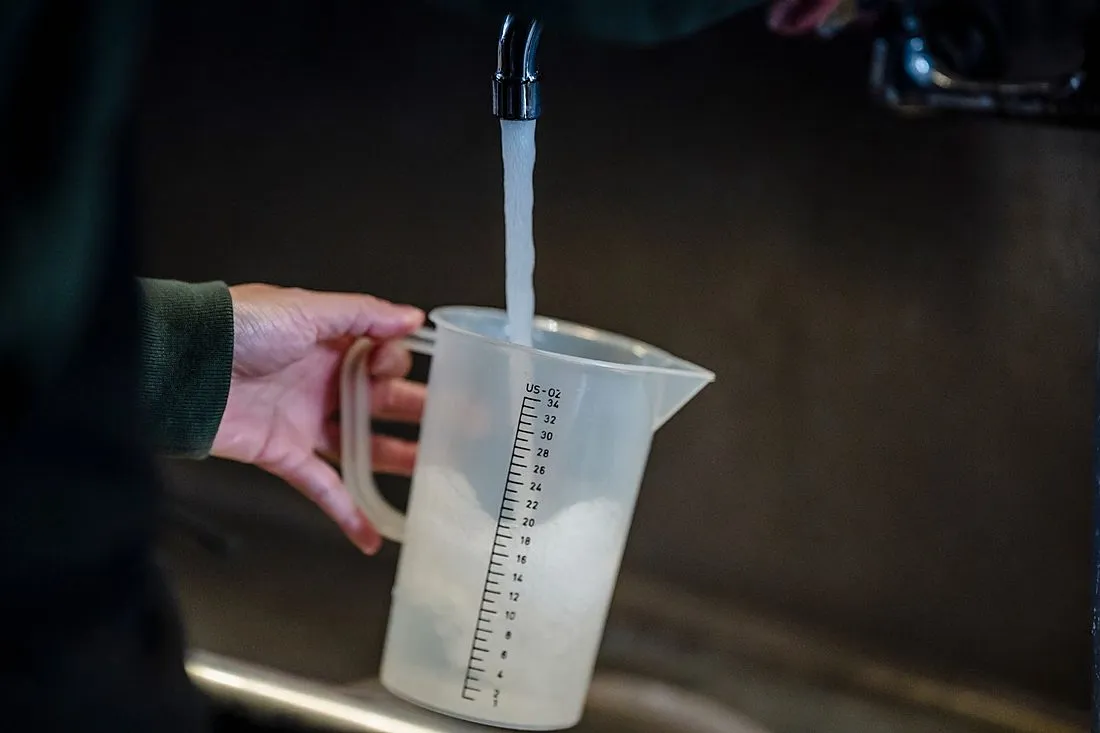
a woman filling a water container from an outdoor tap in a rural Indian village
Pictured a woman filling a water container from an outdoor tap in a rural Indian village · Annushka Ahuja (via Pexels)
07/08 Good News

India connected 124 million more rural homes to tap water in six years

When India's Jal Jeevan Mission launched in August 2019, just 32.3 million of the country's rural households, about 16.7 percent, had a household tap water connection.

As of July 16, 2026, that figure is 156.7 million of 193.6 million rural households, more than four in five 136. That's 124 million additional households gaining running water in the span of six years, through a partnership between the central government and India's states, sustained by field teams sent to slower-moving regions and a funding boost after COVID-era supply disruptions. A 2022 independent assessment found the connections are actually functioning, not just installed on paper: 86 percent of connected households had working taps, and among those, 85 percent got adequate water, 80 percent on a regular schedule, and 87 percent met quality standards 136.

a paleoanthropologist examining ancient human skull fossils in a lab
Pictured a paleoanthropologist examining ancient human skull fossils in a lab · Ranjit Pradhan (via Pexels)
08/08 Human Stories

You are carrying DNA from a human ancestor who has no fossil record at all

A team of computational biologists and geneticists built a new technique that can find ancient DNA hiding inside modern human genomes without needing any actual fossil DNA to compare it against, and it works: the method correctly picked out known Neanderthal and Denisovan sequences as a proof of concept 148.

Then they pointed it at older, undiscovered lineages. Every person alive today, the study published in Science found, carries DNA, up to 1 percent of the genome, from a "ghost ancestor" that interbred with Homo sapiens before the major migration out of Africa more than 50,000 years ago, likely the species Homo heidelbergensis. People from Oceania carry something even stranger: a "super-archaic" contribution from a lineage that split off more than 1.8 million years ago, probably Homo erectus, whose DNA appears to have entered Denisovans first and then passed into us through them 148. "We often think of human evolution as a branching tree," said co-author Priya Moorjani of UC Berkeley, "but new genomic data and analytical methods reveal a much more interconnected history, more like a complex web of populations connected by repeated episodes of migration and mixing" 148.

Fresh today · August 3, 2026

Good news you might have missed

Chihuahua Won't Stop Pawing at Her Until Owner Finds the Breast Cancer She Smelled A 61-year-old woman in Somerset kept getting swatted in the armpit by her chihuahua Flag until she found a lump herself; the cancer had already reached her lymph nodes with no other symptoms, and after a year of treatment she's now in remission 125. Good News Network
16-yo Rookie Lifeguard Leads Heroic Ocean Rescue Ryder Williams, in his first summer as a lifeguard at Seabright Beach, California, ducked under wave after wave to keep his grip on a 10-year-old boy swept out by an 8 to 10 foot sneaker wave until backup arrived; nobody was seriously hurt 126. Good News Network
Stranger Gives His Truck to Rock Band to Finish Their Tour When the Autumn Kings' van broke down in rural Wisconsin, a 60-year-old local named Ernie handed the band the keys to his own Ford Explorer so they could drive 500 miles to their next festival and back, no strings attached 127. Good News Network
World's Oldest Cat Drinks Only Spring Water as She Celebrates 31 Years Old Millie, a tortoiseshell in Greater Manchester born in 1995, just turned 31, and her owner credits a decade of bottled spring water, salmon, and a very chill temperament for outliving nearly every cat on record 128. Good News Network
At This Houseplant Hospital, 'Patients' Recover Under the Care of a Green Thumb Edinburgh's Hilda Houseplant Hospital takes "patient histories" for droopy monsteras and dying marantas, then repots, quarantines, and nurses them back to health, treating each plant's fate as the owner's call, not a lecture 129. Nice News
Meet India's Four-Legged Wildlife Detectives When 14 poisoned deer turned up around a pond in central India with no witnesses, a Belgian Malinois named Maya picked up the poachers' scent and led officials straight to a house full of evidence; WWF-India has now trained more than 120 such sniffer-dog squads across 22 states 130. Reasons to be Cheerful
Know About These Native Trees That Keep India's Aravallis Alive Species like Dhau and nitrogen-fixing Khejri have spent millions of years learning to hold together India's rocky, ancient Aravalli hills without irrigation, recharging groundwater and cooling nearby cities in the process 132. The Better India
The biodegradable, self-cleaning fabric made from living caterpillar fungus A Shenzhen research team grew a wearable fabric from Cordyceps militaris fungus that can self-clean, regrow over tears when fed fresh pellets, and fully biodegrade within 41 days 137. The Optimist Daily
A deep take for detecting deepfakes German researchers at Fraunhofer IOSB built RealorRender, a tool that catches AI-generated images by trying to reconstruct them and checking how well the reconstruction succeeds, hitting 85 to 91 percent accuracy while explaining exactly which pixels tipped it off 111. New Atlas
Livekindly Collective to Acquire Dutch Meat-Free Player Dalco Food for $7.3M A 51-year-old Dutch meat-alternative maker is moving from a conventional meat company's ownership to a fully plant-based one, folding into Livekindly's growing roster of vegan brands 115. Green Queen
India's Arboreal Bags $24M to Scale Yeast Proteins, Next-Gen Sweeteners & More Lucknow-based Arboreal Bioinnovations raised $24.2 million to expand its plant and yeast protein ingredients, which already power more than 300 Indian product launches in the last 18 months 114. Green Queen
Love Beyond Gender | A Transgender Woman's Journey After being told to leave by her own family, a transgender woman rebuilt her life running a dance group, and when she married Adarsh, he lost his job and family's support rather than let go of her hand 133. The Better India
Patients Kept Quitting Physio Midway. So Two Bhopal Doctors Built AI Devices That Send the Clinic Home Two physiotherapists built connected, AI-assisted devices that let patients in rural India, including a four-year-old paralyzed by Guillain-Barré syndrome 100 kilometers from the nearest clinic, complete real rehab sessions from home 134. The Better India

Everything we read today

Natural Sciences 22 articles
Life Sciences & Medicine 19 articles
Psychology & Behavioral Science 29 articles
Social Sciences 26 articles
National Bureau of Economic Research Working Papers
Technology & Innovation 17 articles
Plant-Based & Vegan 10 articles
Solutions & Good News 23 articles
Human Stories & Ideas 14 articles
The long view · not today's news, the story behind it

Today's discoveries didn't come from nowhere. Here's the older, ongoing story they belong to, a moment from this day in history, and a question to test what stuck.

The story so far

On this day in science

1958 The first voyage under the North Pole The submarine USS Nautilus became the first vessel to travel beneath the North Pole, crossing the Arctic ice cap entirely underwater. It proved nuclear submarines could go almost anywhere. More from the Almanac →

Before you go: today's quiz

The daily quiz

About what share of the world had access to electricity in 2023?

Reveal the answer

About 92 percent

About 91.6 percent of the world had access to electricity in 2023, up from 73.2 percent in 1998.

See the number →

Get this every morning.

Liked today's? Wake up to tomorrow's, in one short letter.

The full letter, every morning, free for good.

Same free letter, plus the reason it stays that way: no ads, no investors, no agenda but the good news itself.

A single gift of any amount. No account, never a recurring charge.