






The Sun's surface is covered in whirlpools nobody had ever seen
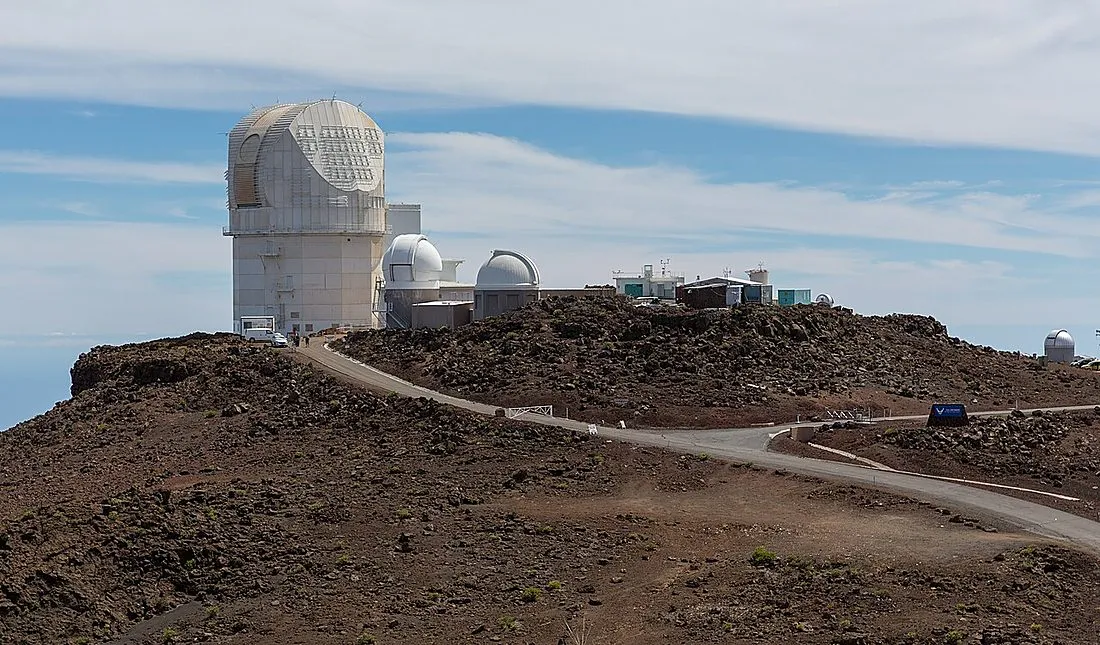
Using the world's largest solar telescope, the Daniel K. Inouye Solar Telescope in Hawaii, researchers from the National Solar Observatory, the Max Planck Institute for Solar System Research, and the High Altitude Observatory resolved plasma structures just 20 kilometers across on the Sun's surface 3.
That is roughly the resolution needed to spot a one euro coin from 180 kilometers away. The vortices form along the fringed edges of granules, the bubbling convection cells (500 to 2,000 kilometers wide) that make the Sun's surface look like a pot of boiling liquid, and they swirl and break like ocean waves cresting. The team thinks these tiny whirlpools twist magnetic field lines and may feed the small eruptions called nanoflares, and could help explain why magnetic energy spreads through the Sun's atmosphere faster than current models predict.
