


The daily brief · August 13, 2026

The brain can rebuild itself, and dogs have a built-in smile detector

It was a day about built-in defenses and quiet advantages, from brain cells that migrate to patch damage, to a rare gene that protects hearts without anyone trying, to farmers thousands of years ago who solved a water crisis with nothing but cooperation.

  • 7 Discoveries
  • 417 Articles read
  • 54 Sources
  • 10 Min read

Today’s discoveries

Everything this morning found, in the order we would read it.

7 stories
  1. 01 Life Sciences The brain grows new repair cells and drives them to the damage Using two-photon microscopy and long-term gene mapping in mice, researchers at the University of Zurich found a specialized population of astrocytes sitting at the edge of a brain lesion… Source: Neuroscience News 1 min read
  2. 02 Life Sciences Dogs have a brain region that lights up just for human smiles Researchers at the University of Vienna ran pet dogs through fMRI while showing them photos of human faces, happy, angry, fearful, sad, and mapped what activated. Source: Neuroscience News 1 min read
  3. 03 Natural Sci. Perseverance found the mineral behind rubies and sapphires, on Mars In 2025, NASA's Perseverance rover fired its laser at three pale rocks along the rim of Jezero Crater, nicknamed Hampden River, Coffee Cove, and Smiths Harbour, and picked up something… Source: ScienceAlert 1 min read
  4. 04 Technology One in 7,000 people carry a gene that cuts heart disease risk by 60 percent A study spanning more than a million people across three continents turned up a rare mutation in a gene called FNIP1, which helps cells sense nutrients and manage energy. Source: SingularityHub 1 min read
  5. 05 Plant-Based The world's first commercial octopus farm just got cancelled On July 22, Spanish seafood giant Nueva Pescanova withdrew its application to build the world's first commercial octopus farm in Spain's Canary Islands, a $63 million facility that would… Source: Sentient 1 min read
  6. 06 Good News Farmers without a government built a water system the size of a small country In what's now northern Colombia, communities built a network of canals and raised fields covering 1,930 square miles, roughly three times the size of modern London, between the first… Source: Good News Network 1 min read
  7. 07 Psychology Reading and puzzles with your kids can close a wealth-driven memory gap Researchers Li Zhao, Stephanie W.Y. Source: PsyPost 1 min read

The feel-good story of the day

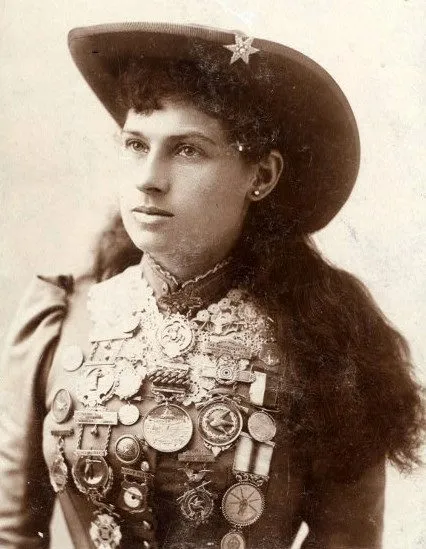
Annie Oakley Stacy Co., Brooklyn, N.Y. (Wikimedia Commons)
Pictured Annie Oakley

The Ohio farm girl who out-shot everyone and taught 15,000 women to hold a gun

Annie Oakley was born Phoebe Ann Mosey 166 years ago today, in a one-room cabin in rural Ohio. Her father died young, so at eight years old she picked up a rifle and started hunting and trapping to help feed her five siblings and widowed mother. She sold enough game that by fifteen, her earnings had paid off the mortgage on the family farm.

At fifteen, she entered a shooting match against a traveling marksman named Frank Butler, who'd bet $100 he could beat any local shooter who challenged him. A five-foot-tall teenage girl beat him. They married a year later. By 1885 she'd joined Buffalo Bill's Wild West Show, where she out-earned every performer on the tour except Buffalo Bill himself, splitting playing cards edge-on at thirty paces and shooting the ash off her husband's cigarette.

Over her career, Oakley is believed to have taught something like 15,000 women to shoot, for sport and for their own protection, at a time when that was a genuinely unusual thing for a woman to offer other women.

Today’s complete edition

The discoveries, in full

Read the evidence, what it changes, and the reporting behind each of today’s 7 discoveries.

01/07 Life Sciences

The brain grows new repair cells and drives them to the damage

Using two-photon microscopy and long-term gene mapping in mice, researchers at the University of Zurich found a specialized population of astrocytes sitting at the edge of a brain lesion that don't just divide where they stand.
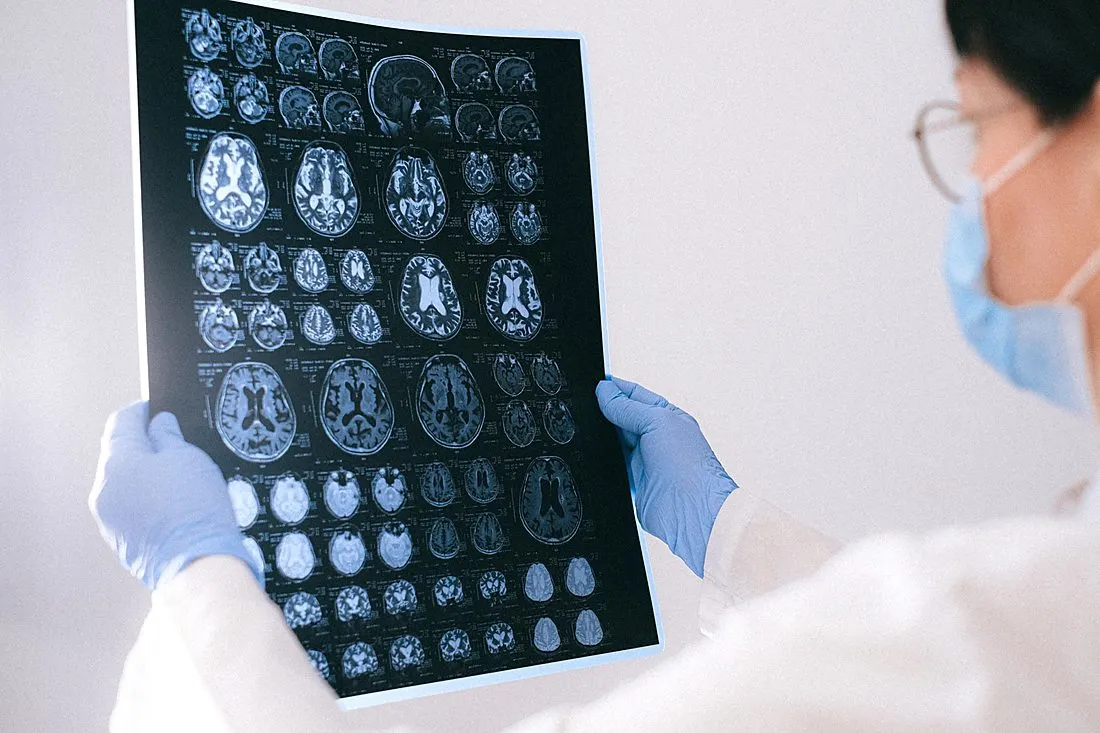
scientists examining brain scans in a neuroscience lab
Pictured scientists examining brain scans in a neuroscience lab · Anna Shvets (via Pexels)

They send newly formed cell nuclei gliding down their own long, star-shaped arms, deep into the injured core, and rebuild a working astrocyte network from there 144. Astrocytes handle the unglamorous jobs that keep neurons alive: feeding them, regulating blood flow, keeping brain chemistry in balance. Lose enough of them, in a stroke or in the rare autoimmune disease neuromyelitis optica, and neurons have nowhere left to live. The finding overturns an assumption that's held for decades, that the adult brain's support cells have little ability to replace themselves after injury.

02/07 Life Sciences Good News

Dogs have a brain region that lights up just for human smiles

Researchers at the University of Vienna ran pet dogs through fMRI while showing them photos of human faces, happy, angry, fearful, sad, and mapped what activated. Happy faces lit up the temporal cortex and the caudate nucleus, the brain's main reward center, the same region that fires when a dog expects a treat 146347.

a dog gazing up at its smiling owner
Pictured a dog gazing up at its smiling owner · Zen Chung (via Pexels)

In a second experiment, machine learning teased apart the negative expressions too: dogs' brains didn't lump anger, fear, and sadness into one "bad mood" bin. Each produced its own distinct signature 146. None of this came from shared ancestry. Dogs and humans split off from a common ancestor long before either species existed, so whatever lets a dog read our faces this precisely was built from scratch, over thousands of years of living alongside us.

What each field noticed (2)
03/07 Natural Sci.

Perseverance found the mineral behind rubies and sapphires, on Mars

In 2025, NASA's Perseverance rover fired its laser at three pale rocks along the rim of Jezero Crater, nicknamed Hampden River, Coffee Cove, and Smiths Harbour, and picked up something never before confirmed on Mars: corundum, the crystalline aluminum oxide that becomes rubies and sapphires here on Earth, with a trace of chromium that gives rubies their color 117.

NASA's Perseverance rover
Pictured NASA's Perseverance rover · semeion.photo Credit: NASA/JPL-Caltech/ASU/Simeon Schmauß (Wikimedia Commons)

Geochemist Ann Ollila of Los Alamos called it "very unexpectedly" detected. The problem is chemistry, not romance. Corundum needs rock rich in aluminum and starved of silicon, but all three rocks were dominated by plagioclase feldspar, a mineral that normally grabs every scrap of available aluminum for itself before corundum ever gets the chance to form.

04/07 Technology

One in 7,000 people carry a gene that cuts heart disease risk by 60 percent

A study spanning more than a million people across three continents turned up a rare mutation in a gene called FNIP1, which helps cells sense nutrients and manage energy.

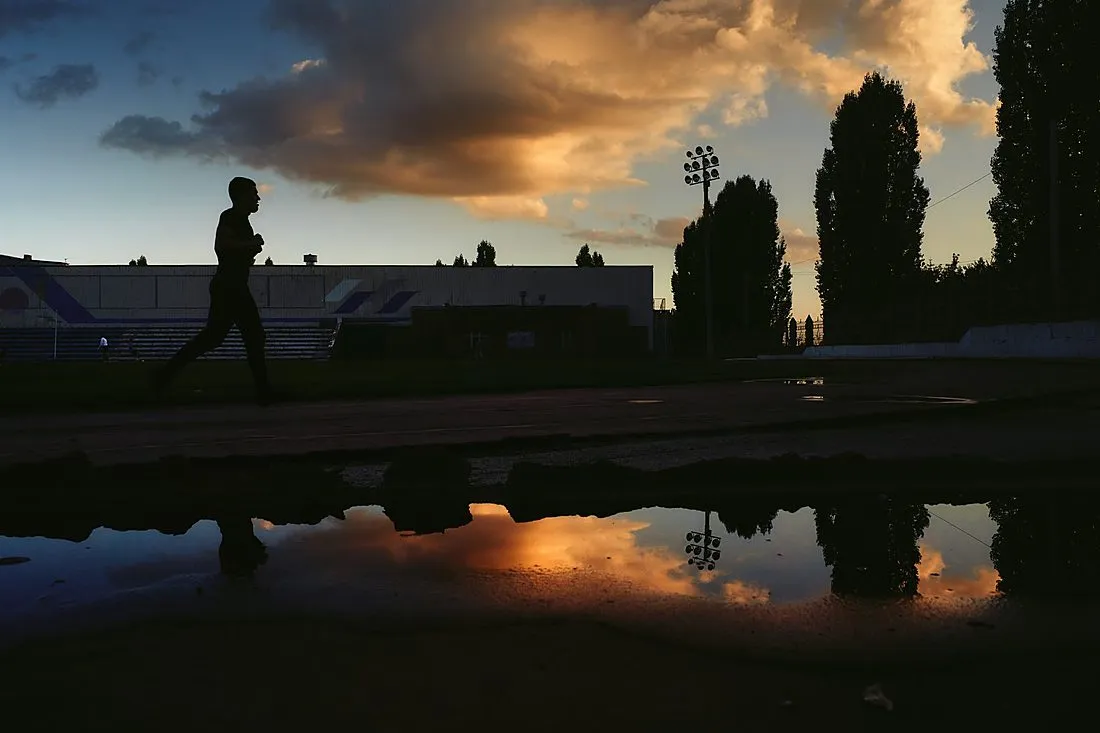
a person jogging outdoors at sunrise
Pictured a person jogging outdoors at sunrise · Dmitry Egorov (via Pexels)

About one in 7,000 people inherit the protective version, and on average they carry a 60 percent lower risk of heart disease and metabolic disorders 314. When researchers silenced FNIP1 in human liver cells, it switched on a genetic program that breaks down fat. In mice fed a high-fat diet, disabling the gene curbed weight gain, prevented fatty liver disease, and kept blood sugar steady.

05/07 Plant-Based

The world's first commercial octopus farm just got cancelled

On July 22, Spanish seafood giant Nueva Pescanova withdrew its application to build the world's first commercial octopus farm in Spain's Canary Islands, a $63 million facility that would have held roughly one million octopuses a year in tanks 323.

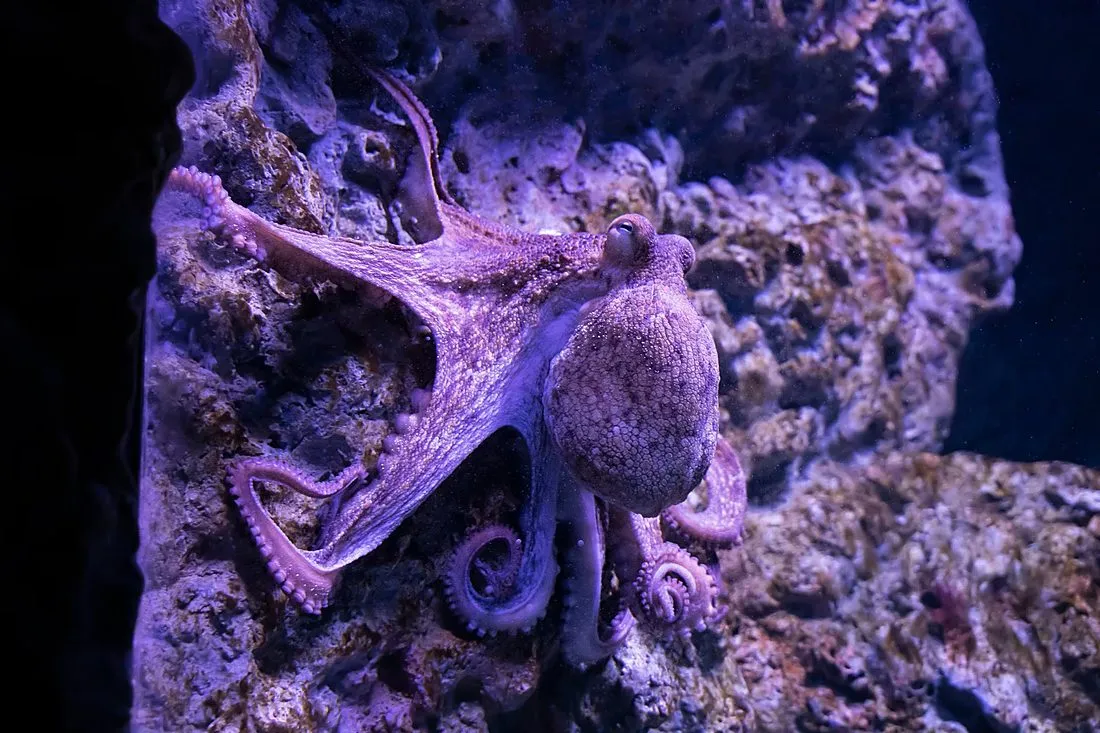
a wild octopus in a coral reef
Pictured a wild octopus in a coral reef · yu zhang (via Pexels)

The company blamed new administrative review requirements. Everyone watching knew better. More than a hundred scientists had written to the journal Science in 2024 laying out octopus intelligence and the ecological absurdity of farming a carnivorous, solitary species; Compassion in World Farming's Elena Lara had spent years explaining why; and, per campaigners, a 9-year-old girl in Portugal was among the tens of thousands of ordinary people who wrote in.

06/07 Good News

Farmers without a government built a water system the size of a small country

In what's now northern Colombia, communities built a network of canals and raised fields covering 1,930 square miles, roughly three times the size of modern London, between the first century BC and the 11th century AD.

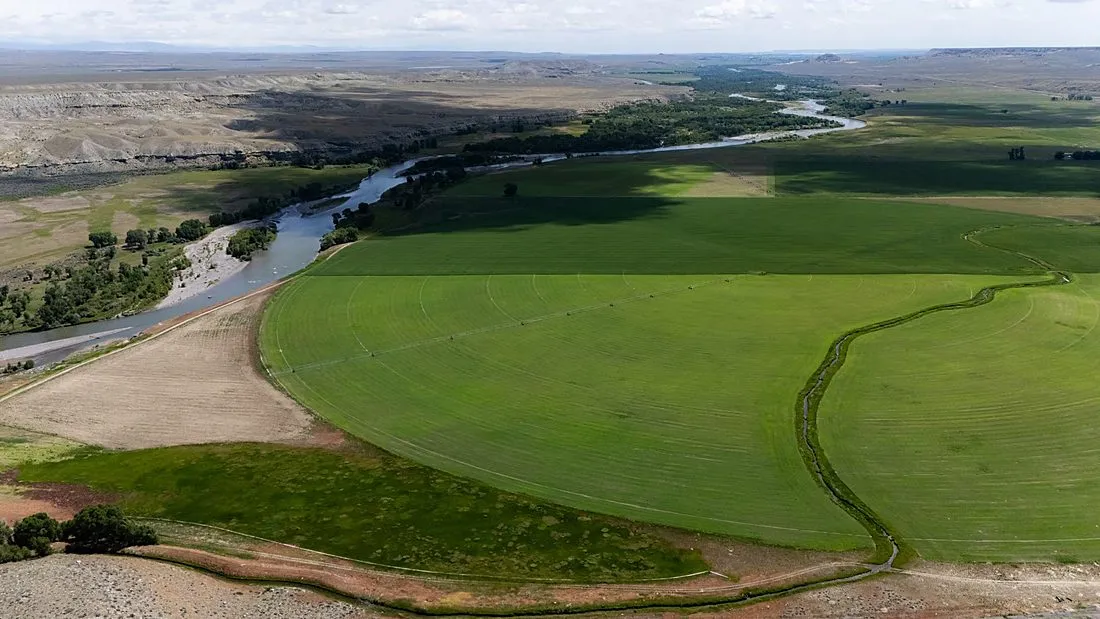
an aerial view of wetland canals and raised farmland
Pictured an aerial view of wetland canals and raised farmland · Sam McCool (via Pexels)

It's called La Mojana, and it's visible from an airplane at cruising altitude 339. A new University of Cambridge study, led by Dr. Jasmine Vieri and published in Communications Sustainability, mapped 1,600 ridges and 63 housing platforms across a 500-hectare slice near San Marcos, Sucre, at a level of detail nobody had attempted before. The long-standing assumption was that a project this ambitious needed powerful rulers to organize it. The evidence points the other way: this looks like family groups coordinating locally, no chiefdom required, working at the same time as the Maya and the early Mesoamerican and Andean societies.

07/07 Psychology

Reading and puzzles with your kids can close a wealth-driven memory gap

Researchers Li Zhao, Stephanie W.Y. Chan, and Shuyang Dong followed 15,437 US children from kindergarten through fifth grade, repeatedly testing their working memory with a backward digit span task, remembering a string of numbers and reciting it in reverse 180.

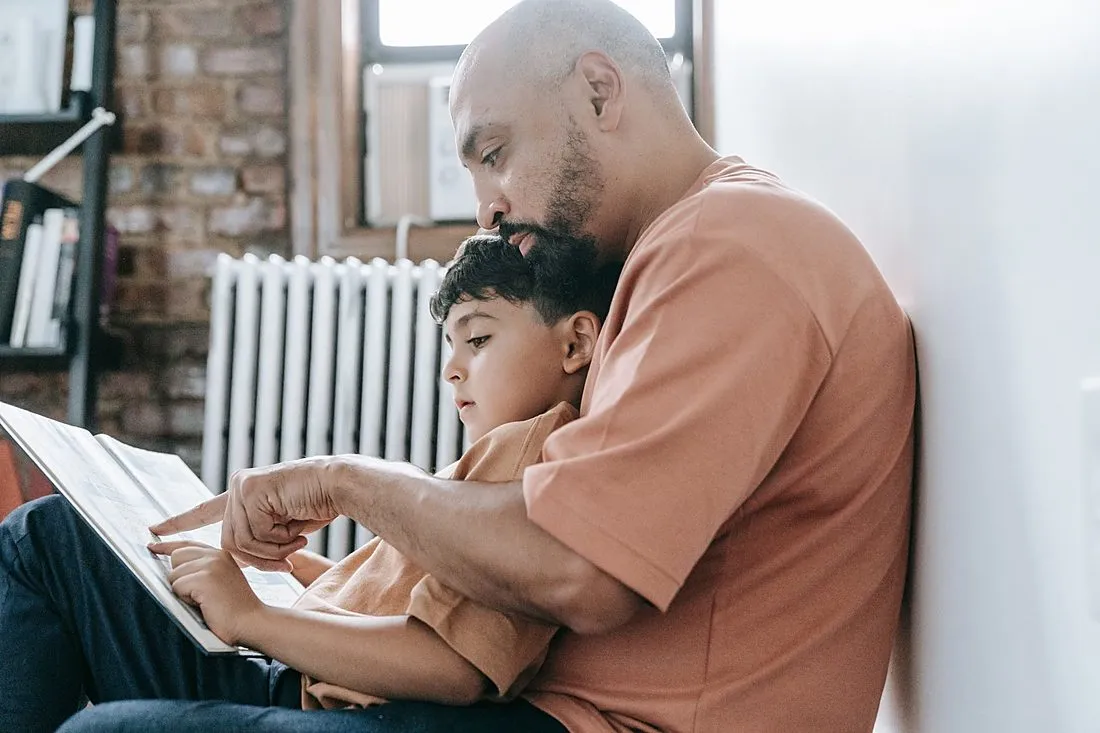
a parent and child reading a book together
Pictured a parent and child reading a book together · Timur Weber (via Pexels)

At kindergarten entry, parents reported their household income and education alongside how often they read, sang, or did arts and crafts with their child. Children from wealthier, more educated families started school with stronger working memory, no surprise there. But kids from less-resourced families whose parents engaged them often in these activities showed protected cognitive growth over the following years, the gap narrowing rather than widening.

Quick notes

Shorter discoveries from this morning, worth knowing but not a full story.

'Postcard From Heaven': A Message From Mom and Dad Finally Arrives 26 Years Later A postcard Bob Sheppard's parents mailed from Copenhagen in July 2000 turned up in his Long Beach mailbox this August, 26 years and both of his parents' deaths later, still carrying the line "Flying in, we saw lots of water and green, green land everywhere. Love, M&D." 353 Sunny Skyz
College Student Saves Three Girls From Drowning After Spotting Them Struggling in Lake Washington Lillie Vehling, a UC Davis water polo player waiting for the Blue Angels to fly over Seattle's Seafair, spotted three girls struggling near a buoy line and pulled all three to shore one at a time, the last one already unconscious. 354 Sunny Skyz
Bringing the thrill of live music to deaf audiences, with the help of air guitar Luke Holdsworth, born profoundly deaf, has now signed 14 dates of the Oasis reunion tour plus shows for Lewis Capaldi and Madonna, translating not just lyrics but tempo, rhythm, and a band's swagger into British Sign Language. 349 Positive News
An Elephant Hospital on Wheels: How 'Haathi Sewa' Reaches Elephants Needing Urgent Care When a wild elephant mother in Jharkhand hurt her footpad and couldn't safely be moved with her young calf beside her, a mobile veterinary unit came to her instead, carrying X-ray and ultrasound equipment into the field for ten days straight. 361 The Better India
Abandoned & Overlooked, These Women Made Art That Went From a Delhi Shelter to a Delhi Gallery Fifteen women with intellectual disabilities at a Delhi shelter spent five months working with ceramics, textiles, and paint, and one participant who wouldn't meet anyone's eyes for weeks eventually picked up a brush on her own. 363 The Better India
What Could Go Right? Everyone Should Know What's Going On in India India is on pace to become the first major economy to industrialize on solar power instead of coal, and it's adding capacity fast enough this fiscal year that roughly 67,000 people are being lifted out of extreme poverty every day. 379 The Progress Network
Europe's electric flight era could begin within four years A 19-seat hybrid-electric plane from French startup Aura Aero is aiming for certification by late 2029, cutting emissions up to 80 percent on short island routes, like Athens to Santorini, that a train will never replace. 377 The Optimist Daily
Scientists' new tech could help cement plants remove CO2 from atmosphere ETH Zurich researchers found a way to bolt direct air capture onto cement kilns using the same limestone chemistry the plants already run, turning one of the hardest industries to decarbonize into one that could pull extra carbon out of the sky. 284 Interesting Engineering
Oatly broadens emissions gap between oat milk and dairy to impressive 67% Switching eight of its top UK barista products to 100 percent British oats let Oatly widen its climate edge over dairy milk from 58 percent to 67 percent, a jump even the company's own sustainability director called a surprise. 331 Vegan Food & Living
Millow Bags $2.3M to Launch Clean-Label Meat Alternative from Oats & Mycelium A Swedish startup grows mycelium directly on oats with no liquid tank or binders, just two main ingredients, using three to four liters of water per kilogram of product against beef's far larger footprint. 315 Green Queen
Prominent Chicago Figures Urge Mariano's Market to Stop Caging Hens A decade after Kroger-owned Mariano's promised to go 100 percent cage-free by 2025, a coalition of Chicago chefs, doctors, and creators is publicly pushing the grocery chain to actually keep its word. 320 Mercy For Animals
Is Talking or Texting Better for Disagreements? When comedian Dylan Marron invited people who'd told him to kill himself onto a phone call instead of firing back online, dozens said yes, and the conversations that followed were, against all odds, sort of good. 174 Greater Good
Granddaughter teaches 102-year-old grandpa and 89-year-old grandma how to order Uber Eats Francesca Rietti walked her grandparents through Ubereats.com on a desktop computer since their phones were too old for the app, and Grandma Annie took notes in a notebook the entire time before landing on a steak order. 383 Upworthy

Our process. Your trust.

Every discovery above traces back to an article we read in full. This is the whole corpus behind this morning, and what it was made of.

  • 54 Sources scanned
  • 417 Articles read
  • 8 Fields covered
  • 7 Discoveries

The sources that carried this morning

  1. 1 Latest Science News -- ScienceDaily 20 articles
  2. 2 Nature 20 articles
  3. 3 PLOS One 20 articles
  4. 4 Proceedings of the National Academy of Sciences 20 articles
  5. 5 STAT 20 articles
  6. 6 Psychology Today: The Latest 20 articles
  7. 7 Ars Technica - All content 20 articles
  8. 8 The Better India : Latest Posts 20 articles
How an edition is made

Everything we read today

Natural Sciences 139 articles
Knowable Magazine
Latest from Live Science
PLOS One
Proceedings of the National Academy of Sciences: Proceedings of the National Academy of Sciences: Table of Contents
Life Sciences & Medicine 33 articles
STAT
Psychology & Behavioral Science 43 articles
PsyPost Psychology News
Social Sciences 35 articles
Recent VoxEU Content
The Conversation Articles
Technology & Innovation 64 articles
Plant-Based & Vegan 22 articles
Solutions & Good News 53 articles
The Better India : Latest Posts
Human Stories & Ideas 28 articles
Aeon | a world of ideas
The long view · not today’s news, the story behind it

Today’s discoveries didn’t come from nowhere. Here’s the older, ongoing story they belong to, a moment from this day in history, and a question to test what stuck.

The story so far

On this day in science

1913 Stainless steel is born Harry Brearley cast the first batch of stainless steel in Sheffield, England, a metal that resists rust and stains. It transformed everything from surgical tools to kitchen sinks. More from the Almanac →

Before you go: today’s quiz

The daily quiz

Guinea worm disease is close to being eradicated. Reported cases fell from a peak of 892,055 in 1989 to about how many in 2025?

Reveal the answer

About 10

Reported Guinea worm cases fell from a peak of 892,055 in 1989 to about 10 in 2025, leaving it on the brink of becoming the second human disease ever eradicated, after smallpox, and the first wiped out with no vaccine or drug.

See the number →

Previous editions

Every morning we have published, newest first. Nothing expires.

View the full archive

Get this every morning.

Liked today’s? Wake up to tomorrow’s, in one short letter.

  • One email each morning, never more
  • The day’s real discoveries across 8 fields
  • One calm read with your coffee

The full letter, every morning, free for good.

Same free letter, plus the reason it stays that way: no ads, no investors, no agenda but the good news itself.

A single gift of any amount. No account, never a recurring charge.