
The daily brief · August 10, 2026

Loneliness cracks like hunger, and forgotten languages leave a mark

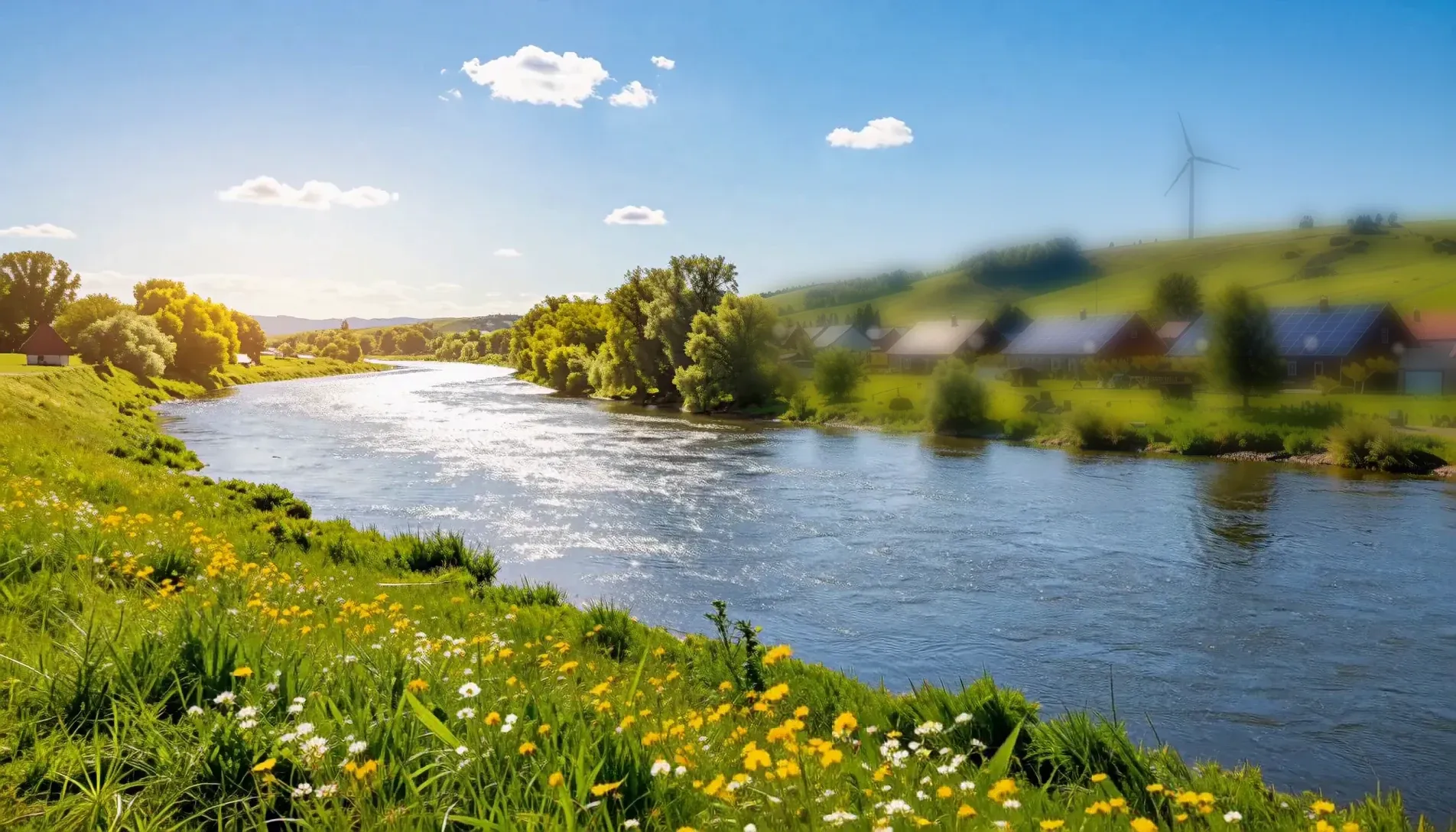
Today's coverage keeps circling back to things that leave a mark long after they seem to end: a language a baby stopped hearing before age two, a week of meditation, a river that dried out for decades and is now filling back up.

  • 7 Discoveries
  • 172 Articles read
  • 30 Sources
  • 10 Min read

Today’s discoveries

Everything this morning found, in the order we would read it.

7 stories
  1. 01 Psychology The brain keeps the accent of a language you don't remember speaking Researchers at McGill University scanned the brains of 36 adults who were adopted from China as infants, exposed to Mandarin for their first months of life, then raised entirely in… Source: PsyPost 1 min read
  2. 02 Natural Sci. A week of intensive meditation left fingerprints across the whole body Twenty healthy adults spent seven days at a residential retreat, roughly 33 hours of guided meditation plus lectures and group practices, and UC San Diego researchers measured what… Source: ScienceDaily 1 min read
  3. 03 Natural Sci. Bacteria are quietly locking dangerous uranium into a rock-solid form Deep in a flooded uranium mine in Germany's Ore Mountains, researchers from the Helmholtz-Zentrum Dresden-Rossendorf fed the resident bacterial community glycerol, a basic fat component… Source: ScienceDaily 1 min read
  4. 04 Natural Sci. The Sahel is turning green again after a generation of drought Across a band of semi-arid land stretching from Senegal to Ethiopia, water tables have risen by 13 feet or more in places once so parched they became a global byword for famine. Source: Live Science / Yale Environment 360 1 min read
  5. 05 Natural Sci. The dodo wasn't the dim bird history remembers Only two complete dodo skulls exist anywhere in the world, and researchers led by the University of Lethbridge got rare access to the one held by the Natural History Museum Denmark,… Source: ScienceDaily 1 min read
  6. 06 Technology A twisted piece of copper found a way to stop wasting carbon dioxide as hydrogen Turning captured CO2 into useful chemicals has one stubborn side effect: the reaction keeps making hydrogen gas instead of the carbon products people actually want. Source: Interesting Engineering 1 min read
  7. 07 Plant-Based Pig genes, fired into lettuce, made real meat protein An international team led by plant biotechnology researcher Alexia Groff at Imperial College London used a "gene gun," a device that fires microscopic metal particles coated in DNA, to… Source: Futurism 1 min read

The feel-good story of the day

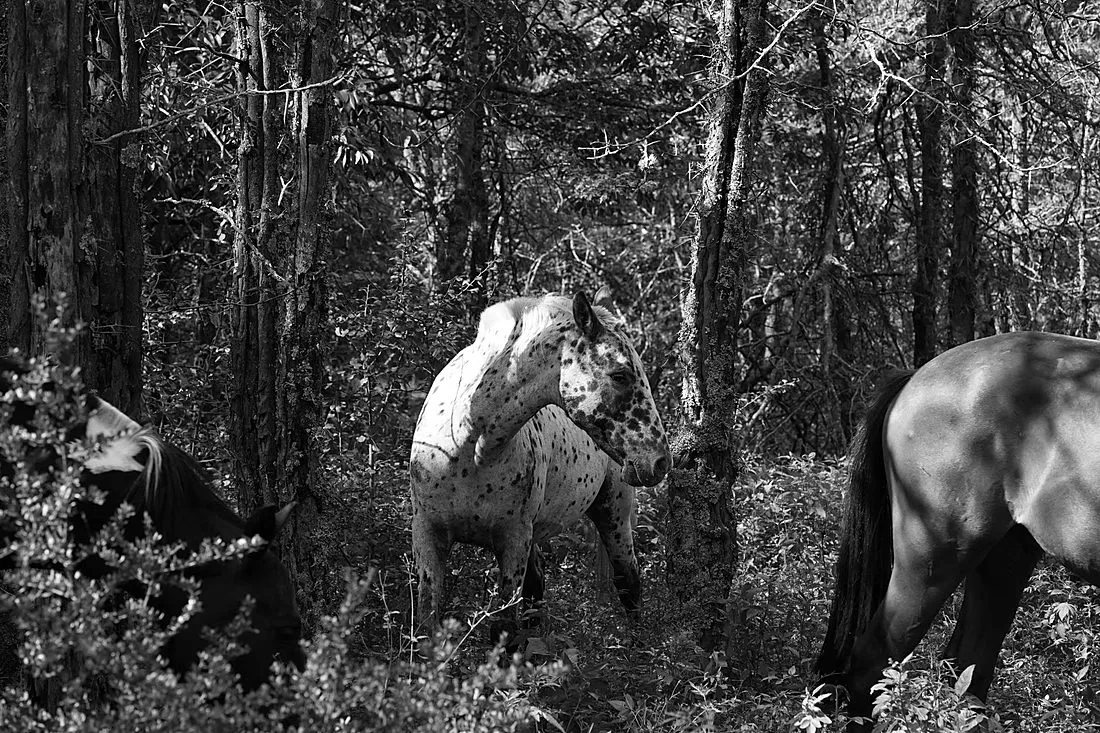
Milo the blind Appaloosa dressage horse Tomás Asurmendi (via Pexels)
Pictured Milo the blind Appaloosa dressage horse

The horse who learned to see with his feet

Milo is a 15-year-old Appaloosa gelding who went completely blind in both eyes at 13, after multiple surgeries failed to save his sight. He'd been competing in dressage, the discipline sometimes called "ballet on horseback" for how precise and controlled it is, since he was four years old with his owner, Megan Share, who has had him since she was a teenager growing up in Worcestershire, England.

Rather than retire him, Share and Milo built something like a private language. He reads the pressure of her legs and hands, feels the ground through his hooves the way a person reads braille with their fingertips, and leans on hearing that's grown sharper since losing his sight. "I became his eyes," she said. "We have a really good brother-sister relationship, and we developed a way to make it work."

Milo returned to the show ring last year and won the Royal Windsor Horse Show for the eighth consecutive year, this time as a blind horse against fully sighted competition. Share says it's more mentally demanding than riding a sighted horse, she has to stay constantly alert to their surroundings so she can guide him. But together they're now aiming at the elite level of the sport, chasing a partnership neither of them was willing to give up on.

Today’s complete edition

The discoveries, in full

Read the evidence, what it changes, and the reporting behind each of today’s 7 discoveries.

01/07 Psychology

The brain keeps the accent of a language you don't remember speaking

Researchers at McGill University scanned the brains of 36 adults who were adopted from China as infants, exposed to Mandarin for their first months of life, then raised entirely in French with no memory of ever having heard the tonal language 50.

a baby listening, close up
Pictured a baby listening, close up · Val Burger (via Pexels)

Using diffusion imaging to map white matter, the team led by Elise Barbeau and neuroscientist Denise Klein compared these adoptees against Mandarin-French bilinguals, French monolinguals, and English-French bilinguals who'd never heard a tonal language at all. The adoptees' brains still carried the physical wiring of a tonal-language speaker: the arcuate fasciculus and superior longitudinal fasciculus, the cable bundles that link sound-processing regions to speech-production areas, showed the same right-hemisphere involvement typical of people who actively speak Mandarin, in which pitch carries meaning and both hemispheres have to coordinate. French, like English, leans almost entirely on the left hemisphere for language. These adults speak only French. Their brains never got the memo.

02/07 Natural Sci.

A week of intensive meditation left fingerprints across the whole body

Twenty healthy adults spent seven days at a residential retreat, roughly 33 hours of guided meditation plus lectures and group practices, and UC San Diego researchers measured what happened to their brains and blood before and after 6.

a person meditating outdoors at dawn
Pictured a person meditating outdoors at dawn · David Kanigan (via Pexels)

The changes showed up almost everywhere they looked: shifts in brain connectivity tied to neuroplasticity, altered immune signaling, changed metabolism, and activity in the body's natural pain-control systems. Some participants also showed brain connectivity patterns that resembled those seen during psychedelic experiences, without having taken anything. "This isn't about just stress relief or relaxation," said senior author Hemal Patel, "this is about fundamentally changing how the brain engages with reality and quantifying these changes biologically."

03/07 Natural Sci.

Bacteria are quietly locking dangerous uranium into a rock-solid form

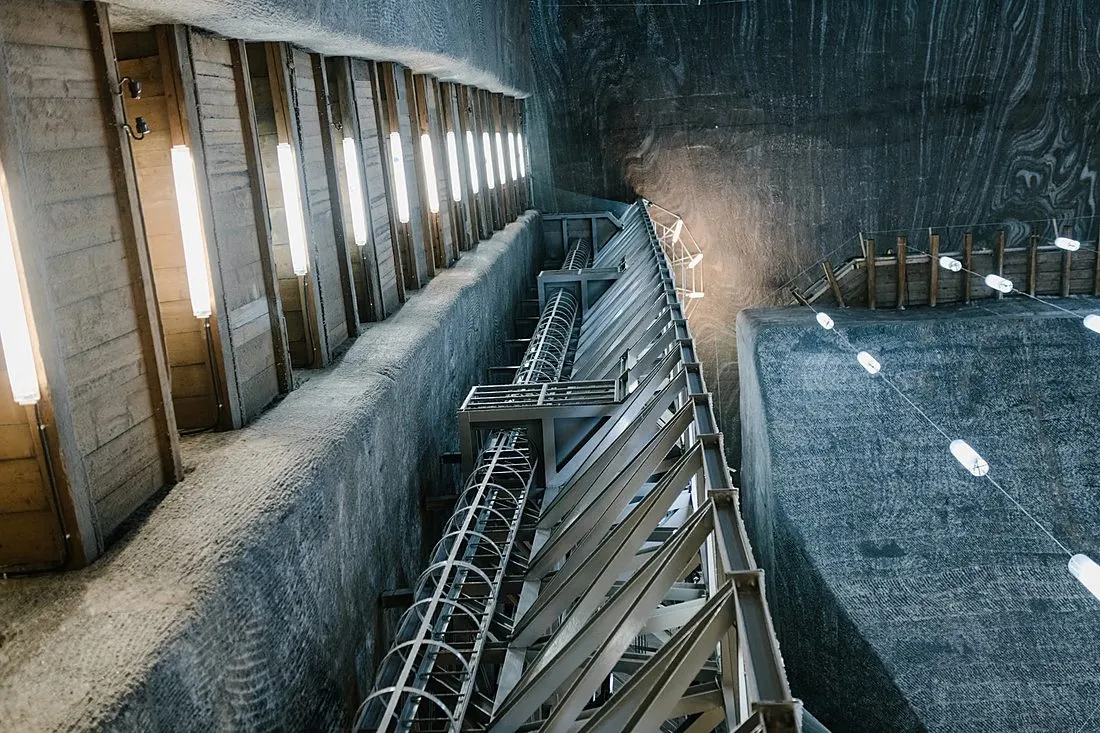
Deep in a flooded uranium mine in Germany's Ore Mountains, researchers from the Helmholtz-Zentrum Dresden-Rossendorf fed the resident bacterial community glycerol, a basic fat component found in plants and animals, and watched what happened to the dissolved, toxic uranium in the water 8.

a flooded underground mine shaft
Pictured a flooded underground mine shaft · Julia Volk (via Pexels)

Within 130 days, about 95 percent of it vanished, converted by the microbes into an unusually stable uranium compound that had mostly been considered a fleeting, temporary state before. The bacteria weren't specially engineered; they were already living in that mine water, waiting for the right food source. The study, published in Nature Communications, is the first to show this transformation happening from dissolved uranium under real mine conditions.

04/07 Natural Sci.

The Sahel is turning green again after a generation of drought

Across a band of semi-arid land stretching from Senegal to Ethiopia, water tables have risen by 13 feet or more in places once so parched they became a global byword for famine 12.

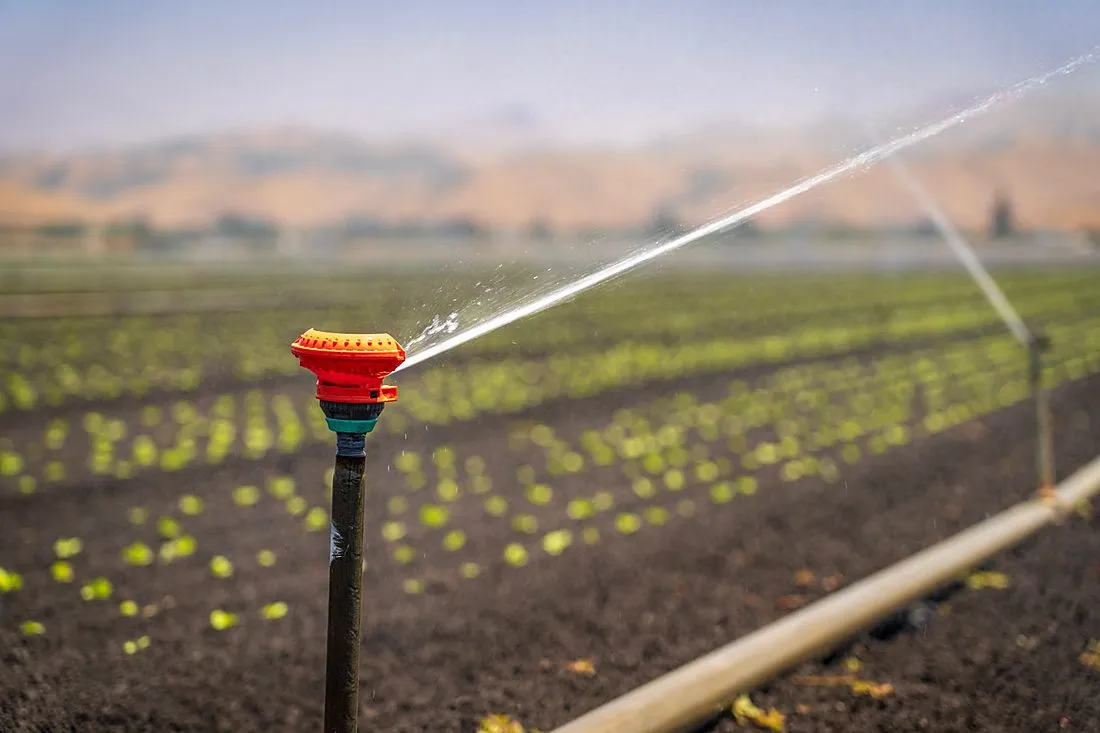
farmland in the African Sahel with new irrigation
Pictured farmland in the African Sahel with new irrigation · Mark Stebnicki (via Pexels)

Near-extinct oryx are returning, farmers are irrigating fields for the first time in decades, and Lake Chad, once shriveled to a fraction of its size, is recovering. Hydrogeologist Richard Taylor of University College London has tracked the rewetting since the 1990s, but says it has accelerated sharply in the last five years. Heavier, more erratic monsoon rain explains part of it, but researchers also point to the internationally funded Great Green Wall tree-planting project and revived traditional water-harvesting methods as real contributors, not just luck.

05/07 Natural Sci.

The dodo wasn't the dim bird history remembers

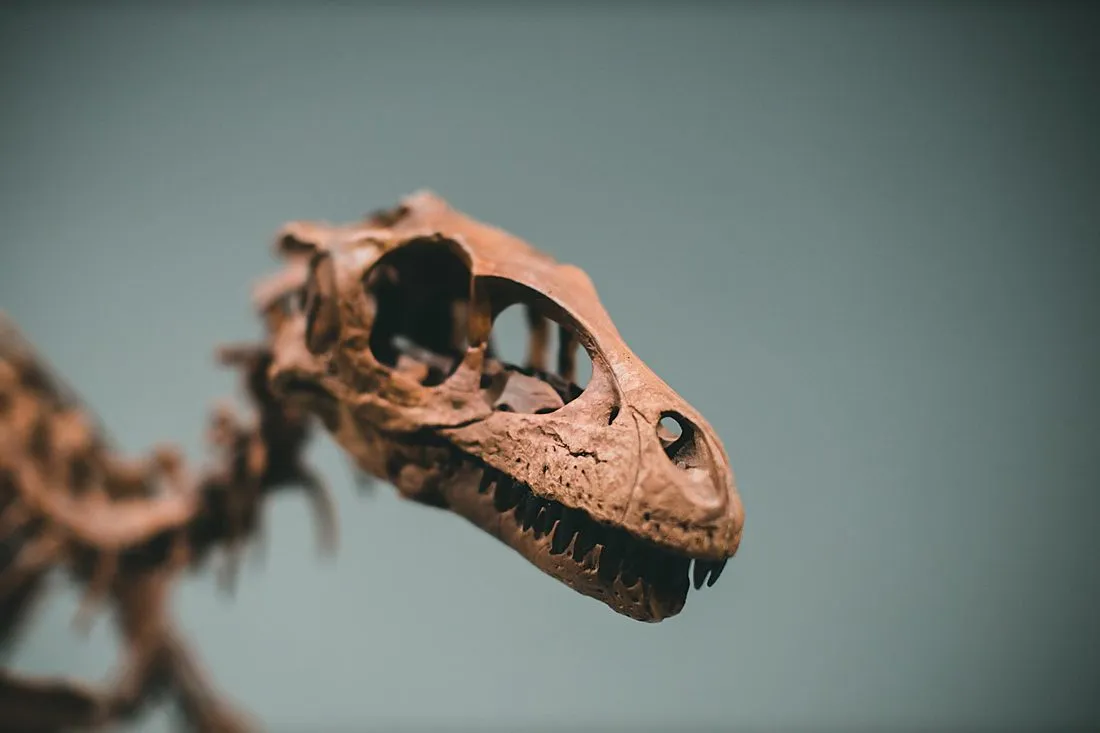
Only two complete dodo skulls exist anywhere in the world, and researchers led by the University of Lethbridge got rare access to the one held by the Natural History Museum Denmark, CT-scanning it to digitally reconstruct the cavity where its brain once sat 10.

a dodo skeleton or skull in a museum
Pictured a dodo skeleton or skull in a museum · Jonathan Cooper (via Pexels)

The impressions left in that bone suggest the dodo had a stronger sense of smell than modern pigeons and doves, a highly sensitive beak capable of detecting touch, and a daily rhythm that may have stretched into dawn and dusk rather than a strict day-only schedule. "Its behavior and foraging ecology have been debated for centuries," said co-author Peter Hosner. "Having access to one of only two complete dodo skulls has given us a unique opportunity to compare the dodo with its closest living relatives."

06/07 Technology

A twisted piece of copper found a way to stop wasting carbon dioxide as hydrogen

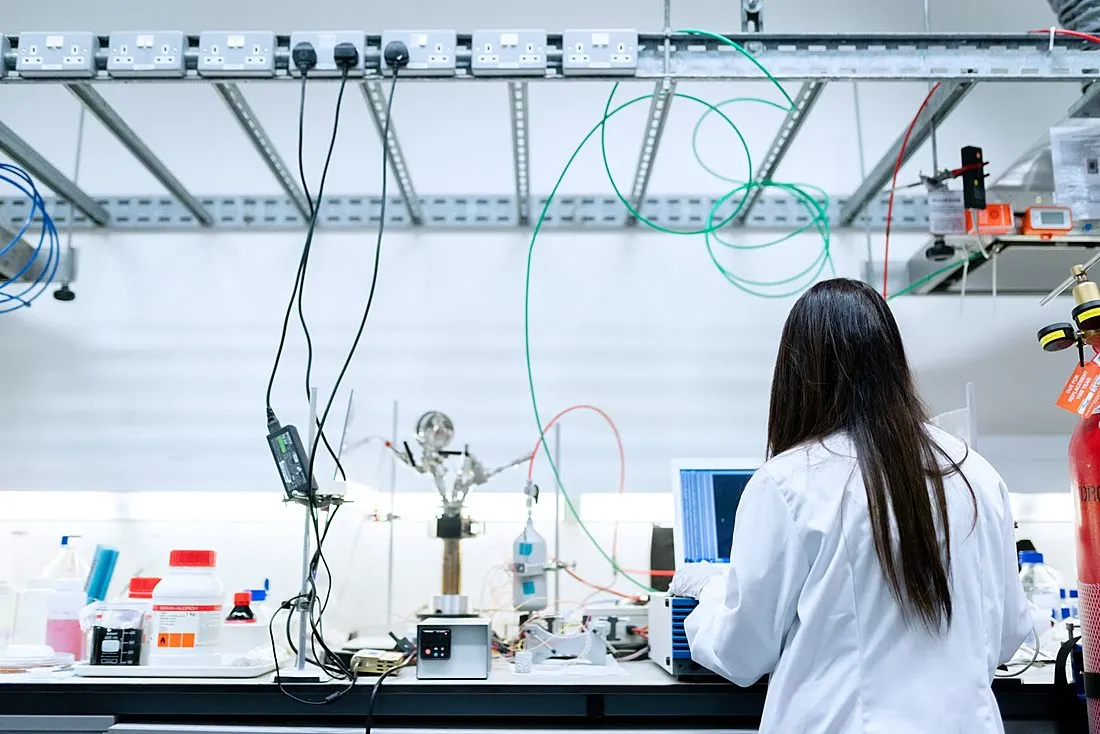
Turning captured CO2 into useful chemicals has one stubborn side effect: the reaction keeps making hydrogen gas instead of the carbon products people actually want. Researchers at the National Laboratory of the Rockies built copper electrodes into a helical, "handed" shape, mirror images like a left and right hand, and found that the twist could control the spin of electrons at the metal's surface 119.

a research lab with electrochemical equipment
Pictured a research lab with electrochemical equipment · ThisIsEngineering (via Pexels)

That spin control pushed the unwanted hydrogen reaction out of the way, while the chiral copper kept producing carbon monoxide and formate, useful building blocks for fuels and chemicals. Ordinary, non-twisted copper electrodes tested side by side showed none of the same effect, and ultrafast optical measurements confirmed the electron spin was actually shifting at the twisted surface.

07/07 Plant-Based

Pig genes, fired into lettuce, made real meat protein

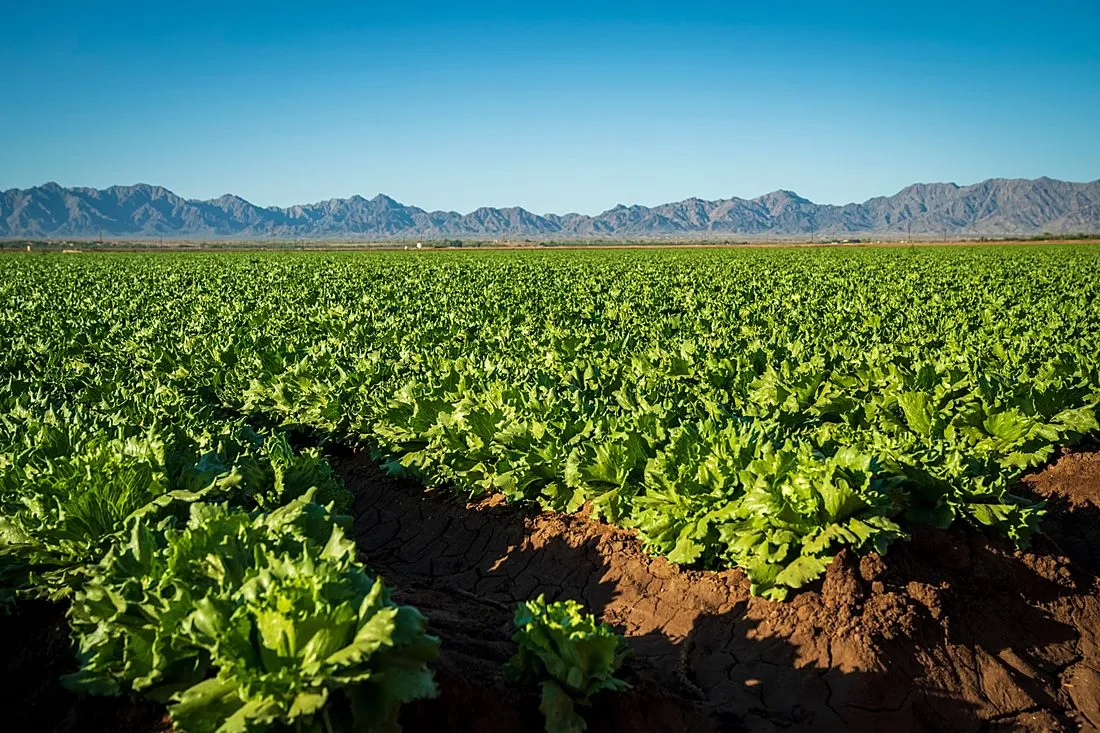
An international team led by plant biotechnology researcher Alexia Groff at Imperial College London used a "gene gun," a device that fires microscopic metal particles coated in DNA, to deliver pig genes directly into the chloroplasts of lettuce and tobacco seedlings 109.

fresh lettuce growing in a field
Pictured fresh lettuce growing in a field · Mark Stebnicki (via Pexels)

The plants took up the genes and began stably producing myoglobin, the protein that gives meat much of its color, texture, and flavor, and passed the trait on to their seed offspring. The lettuce and tobacco plants yielded about 800 and 810 milligrams of myoglobin per kilogram of dry weight respectively, roughly a tenth of what beef contains by that measure. "Our study demonstrates, for the first time, that higher plants can stably produce myoglobin," Groff said, describing it as a possible step toward reducing reliance on animal meat.

Quick notes

Shorter discoveries from this morning, worth knowing but not a full story.

Cheese Lovers Unite: The Benefits of Full-Fat Dairy Documented in Study Without Cholesterol Rise or Weight Gain A 12-week University of Toronto study gave overweight adults three servings of full-fat dairy a day and found no rise in weight, body fat, or bad cholesterol, just lower blood pressure and more calcium, protein, and vitamin D 142. Good News Network
Intricate Carvings in Ostrich Eggshells are 60,000 Years Old, and Reveal 'Remarkable' Human Thinking Geometric engravings on 112 ostrich eggshell fragments from South Africa and Namibia turn out to follow deliberate rules of parallelism and repetition, evidence of visual planning in the human mind 60,000 years before writing existed 143. Good News Network
Leo DiCaprio Launches $200M Project to Bring 100 Most Threatened Species Back From the Brink The Bezos Earth Fund and Re:wild are splitting $200 million to fund recovery for 100 species on the edge of extinction, from a golden-crowned lemur to a pupfish whose entire spring dried up in Mexico 144. Good News Network
Blind Dressage Horse Wins Competitions By Using 'Equine Braille' Milo, a 15-year-old Appaloosa who went completely blind, still won the Royal Windsor Horse Show for the eighth year running by reading his rider's pressure cues and feeling the ground through his hooves 145. Good News Network
Cleveland Teens Used Their Robotics Skills to 3D-Print Prosthetics for Kids in Ecuador Six Ohio high schoolers built body-powered prosthetic hands for under $150 each, a fraction of the usual $1,000-plus cost, then flew to Ecuador to personally fit them on children and train local students to keep making them 147. Nice News
How birdwatching has become an unexpected hit with Gen Z Birdwatching among 16-to-29-year-olds in Britain is up 1,088 percent since 2018, now the second-fastest-growing hobby in that age group, trailing only jewelry making 148. Positive News
Can This City Banish Single-Use Coffee Cups? Aarhus, Denmark built a reusable-cup system with 27 return machines across the city, and 89 percent of the cups came back in 2025 149. Reasons to be Cheerful
When Floodwaters Rise, This Home Rises Too: Meet the Engineer Who Built It for Just Rs 6 Lakh An engineer built India's first floating home beside the Ganga using materials sourced within 10 kilometers, solar power, and a compost toilet, all for just Rs 6 lakh, and he's now working to cut that cost further for a floating village 150. The Better India
Assam Couple Gives Away Rs 1 Crore Life Savings To Help Students Research Ancient Knowledge Two retired professors quietly saved for decades on government salaries, then handed over Rs 1 crore, their entire life savings, to a small Sanskrit and ancient-history university most Assamese families have never even visited 153. The Better India
The Forgotten Kolkata Doctor Behind India's First IVF Birth Dr. Subhas Mukhopadhyay achieved India's first IVF birth in 1978, just 70 days after the world's first, using techniques years ahead of their time, and was finally credited by name nearly two decades after his death 154. The Better India
Her Husband Became Her Coach, Then She Won Commonwealth Bronze A former national discus thrower whose own career ended in injury became his wife's coach through arthritis and motherhood, and stood beside her as she won a Commonwealth Games bronze medal 152. The Better India
Wealthier children score higher on intelligence, but quality parenting levels the playing field A twin study of over a thousand German children found that while family wealth correlates with higher measured intelligence, positive parenting practices help close that gap regardless of income 49. PsyPost
Long COVID Patients Have 18% Fewer Dopamine Nerve Endings, Brain Scans Reveal Canadian researchers found a measurable, visible marker for long COVID's apathy and depression on PET scans, opening the door to trials of dopamine-targeted treatment rather than guesswork 33. ScienceAlert
Ashes From Pompeii Reveal What The Doomed City Smelled Like 2,000 Years Ago Chemical analysis of 2,000-year-old incense burners shows wealthy Pompeian homes smelled of burning oak, laurel, and stone-fruit wood, the first direct physical evidence of scents ancient writers only described in verse 35. ScienceAlert

Our process. Your trust.

Every discovery above traces back to an article we read in full. This is the whole corpus behind this morning, and what it was made of.

  • 30 Sources scanned
  • 172 Articles read
  • 8 Fields covered
  • 7 Discoveries

The sources that carried this morning

  1. 1 Psychology Today: The Latest 20 articles
  2. 2 National Bureau of Economic Research Working Papers 20 articles
  3. 3 Phys.org 15 articles
  4. 4 Latest Science News -- ScienceDaily 11 articles
  5. 5 PsyPost Psychology News 10 articles
  6. 6 Futurism 10 articles
  7. 7 Upworthy 10 articles
  8. 8 Interesting Engineering 9 articles
How an edition is made

Everything we read today

Natural Sciences 40 articles
Life Sciences & Medicine 5 articles
Psychology & Behavioral Science 30 articles
Social Sciences 30 articles
National Bureau of Economic Research Working Papers
Technology & Innovation 26 articles
Plant-Based & Vegan 10 articles
Solutions & Good News 25 articles
Human Stories & Ideas 6 articles
The long view · not today’s news, the story behind it

Today’s discoveries didn’t come from nowhere. Here’s the older, ongoing story they belong to, a moment from this day in history, and a question to test what stuck.

The story so far

On this day in science

1990 The Magellan probe reaches Venus NASA's Magellan spacecraft arrived at Venus and began mapping almost the entire planet through its thick clouds using radar. It gave scientists their first clear look at the surface of our nearest neighbor. More from the Almanac →

Before you go: today’s quiz

The daily quiz

Reported paralytic polio cases peaked at 65,737 in 1981. About how many were reported in 2023?

Reveal the answer

About 500

Reported paralytic polio cases fell from a peak of 65,737 in 1981 to 536 in 2023, as a global campaign closed in on the last strongholds.

See the number →

Previous editions

Every morning we have published, newest first. Nothing expires.

View the full archive

Get this every morning.

Liked today’s? Wake up to tomorrow’s, in one short letter.

  • One email each morning, never more
  • The day’s real discoveries across 8 fields
  • One calm read with your coffee

The full letter, every morning, free for good.

Same free letter, plus the reason it stays that way: no ads, no investors, no agenda but the good news itself.

A single gift of any amount. No account, never a recurring charge.