

The daily brief · September 25, 2026

A magnetic pulse helped build the solar system, and healing may not need the trip

Today's discoveries all point the same direction: help works even in forms you wouldn't expect, a scan years before symptoms, a bond built one awkward hallway conversation at a time, a hog barn turned into a mushroom farm.

  • 8 Discoveries
  • 239 Articles read
  • 49 Sources
  • 11 Min read

Today’s discoveries

Everything this morning found, in the order we would read it.

8 stories
  1. 01 Natural Sci. A magnetic field older than the sun helped shape the planets Inside a meteorite pulled from Antarctic ice in 2008 sit grains older than Earth itself, calcium-aluminum-rich inclusions that formed within the solar system's first 200,000 years, the… Source: ScienceDaily 1 min read
  2. 02 Human Stories Exercise beat common pain medications in the largest review of its kind Researchers at Adelaide University pulled together 158 systematic reviews covering more than 2,700 randomized controlled trials and nearly a quarter of a million people, an umbrella… Source: Nautilus 1 min read
  3. 03 Psychology A single dose of psilocybin restored social behavior in mice, even under anesthesia Researchers at Nanyang Technological University Singapore and Hong Kong Baptist University gave a single dose of psilocybin, the compound in hallucinogenic mushrooms, to mice bred… Source: PsyPost 1 min read
  4. 04 Natural Sci. Starting hormone therapy near menopause's first symptoms may protect the heart Samar El Khoudary at Virginia Commonwealth University tracked 2,737 women enrolled in the Study of Women's Health Across the Nation, all of whom had hot flushes or night sweats, for 20… Source: New Scientist 1 min read
  5. 05 Social Sci. Colleges are teaching friendship like a skill, because loneliness is rising fast A political science professor noticed silent classrooms where students stared at phones instead of each other, and the numbers backed up the feeling: in a 2026 national survey of over… Source: The Conversation 1 min read
  6. 06 Technology A London startup wants to end the isotope shortage stalling cancer trials StandardX, a London company, raised £10 million in seed funding to build what it calls the world's first isotope refinery, a deployable accelerator system meant to replace today's… Source: Interesting Engineering 1 min read
  7. 07 Good News Ethiopia cut its deforestation rate by 70 percent through a nationwide tree-planting movement Ethiopia spent decades losing forest, shedding 560,000 hectares of tree cover between 2000 and 2025, until the government launched the Green Legacy Initiative in 2019 and asked ordinary… Source: The Optimist Daily 1 min read
  8. 08 Plant-Based An Iowa hog farm converted its barn into a mushroom operation Tyler Faaborg and his family run 1100 Farm in central Iowa, named for the number of hogs each of their two barns held for decades. Source: Mercy For Animals 1 min read

The feel-good story of the day

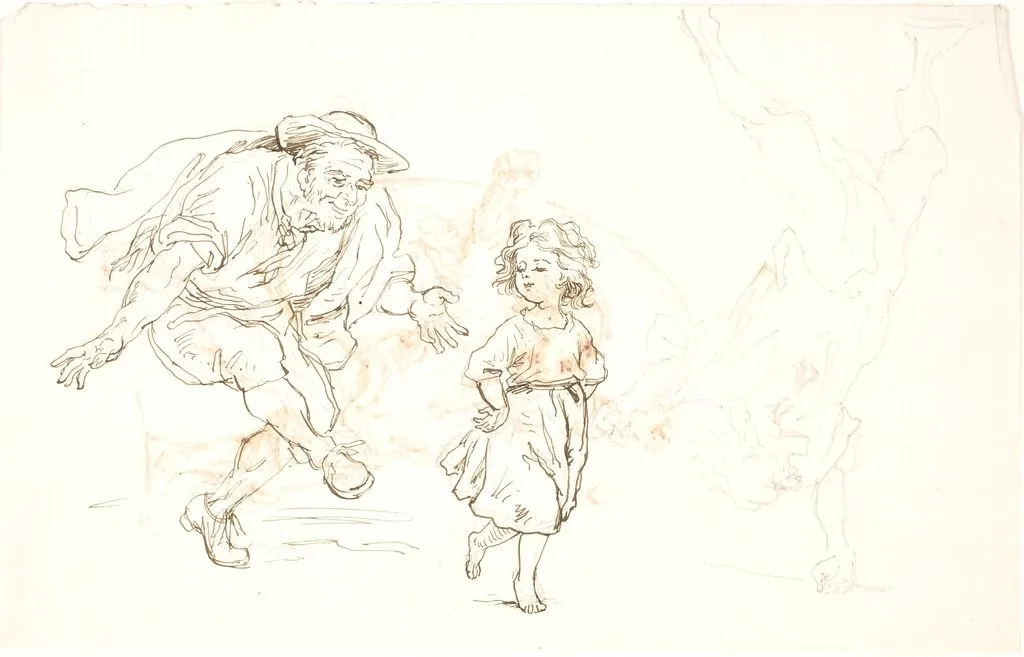
an elderly man dancing Unknown (via rawpixel)
Pictured an elderly man dancing

The 100-year-old who never stopped dancing

Bernard Gilbert broke his leg playing rugby at 16, in 1942, and a doctor told him to hang up his boots and try dancing instead. He laughed at the suggestion. A friend dragged him to a lesson anyway, and Gilbert never really left the dance floor again.

Eighty-four years later, at exactly 100 years old, Gilbert led more than 200 people through a flash mob in the middle of Worcester, England, kicking and flicking in time to Roger Miller's "King of the Road" for a charity fundraiser supporting Alzheimer's research. He took up teaching dance at 74, after losing his wife, a ballroom dancer herself, and he's kept at it ever since from his care home, where residents had to look up what a flash mob even was.

"I love the dancing, once I get on the floor I forget everything," Gilbert said. "It brings me alive." He credits it for more than joy: dancing demands memory and concentration in equal measure, he says, which may be exactly why, a century in, he's still the one setting the pace.

Today’s complete edition

The discoveries, in full

Read the evidence, what it changes, and the reporting behind each of today’s 8 discoveries.

01/08 Natural Sci.

A magnetic field older than the sun helped shape the planets

Inside a meteorite pulled from Antarctic ice in 2008 sit grains older than Earth itself, calcium-aluminum-rich inclusions that formed within the solar system's first 200,000 years, the oldest known solid material anywhere.
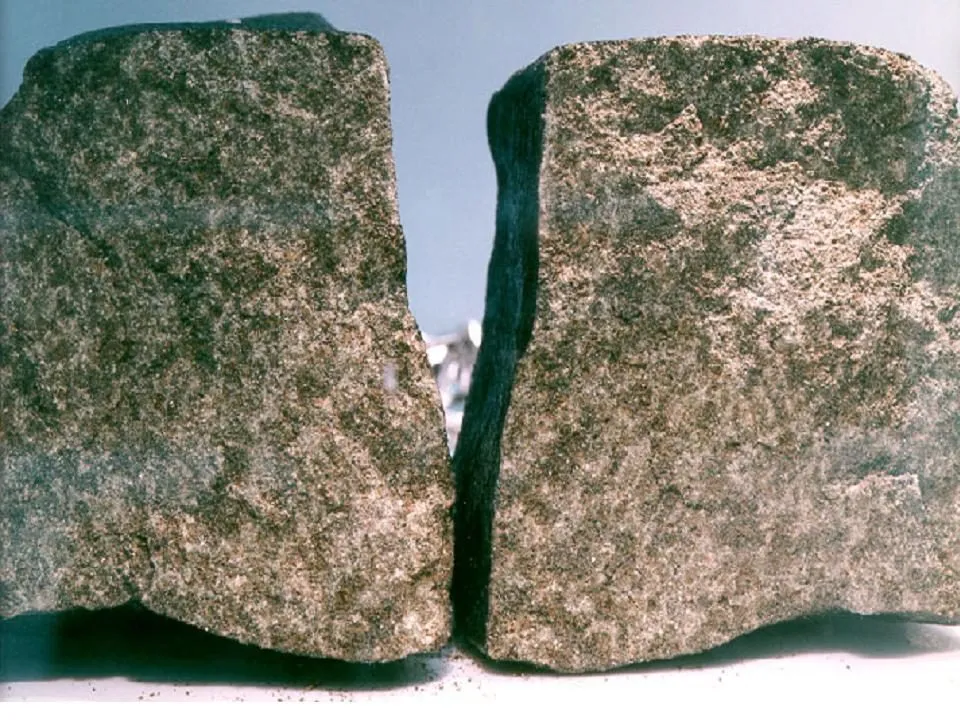
a meteorite specimen
Pictured a meteorite specimen · NASA (Wikimedia Commons)

MIT researchers led by Benjamin Weiss measured the magnetic signatures locked inside those grains and found evidence of a field stronger than the one Earth generates today, present while the sun was still a collapsing cloud of gas and dust 3. For a century the story of how that cloud flattened into a disk and birthed the sun and planets has belonged almost entirely to gravity. This finding, published in the Proceedings of the National Academy of Sciences, says magnetism was pulling material inward right alongside it.

02/08 Human Stories

Exercise beat common pain medications in the largest review of its kind

Researchers at Adelaide University pulled together 158 systematic reviews covering more than 2,700 randomized controlled trials and nearly a quarter of a million people, an umbrella review built specifically to settle whether exercise actually treats pain or just gets mentioned alongside it 228.

Today Got Better

It does: consistent, significant reductions in both acute and chronic pain, not only for joint conditions but for neurological, inflammatory, and cancer-related pain too. On a 10-point scale, exercise produced a 1.1-point reduction, which the researchers say beats the pain relief reported from common medications by about 60 percent.

03/08 Psychology

A single dose of psilocybin restored social behavior in mice, even under anesthesia

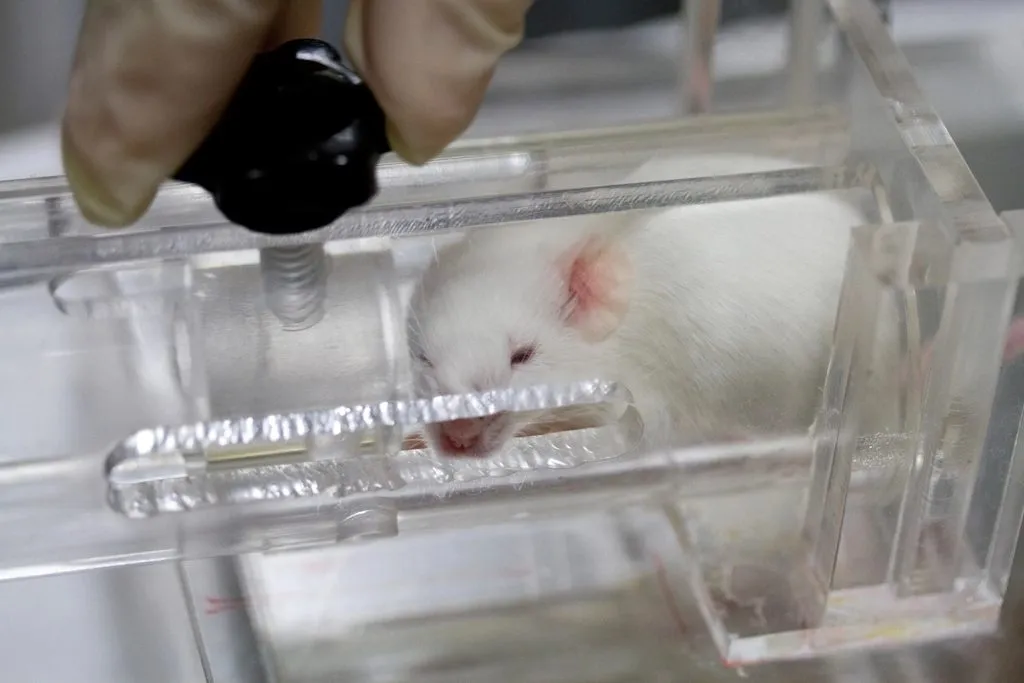
Researchers at Nanyang Technological University Singapore and Hong Kong Baptist University gave a single dose of psilocybin, the compound in hallucinogenic mushrooms, to mice bred without the Cntnap2 gene, a genetic model linked to autism in humans, and found lasting increases in social behavior 85.

a laboratory mouse
Pictured a laboratory mouse · Unknown (via rawpixel)

The striking part: they got the same durable effect when the mice were anesthetized through the drug's acute phase, meaning whatever made the mice more social didn't require them to consciously experience anything. The findings appear in Nature Communications.

04/08 Natural Sci.

Starting hormone therapy near menopause's first symptoms may protect the heart

Samar El Khoudary at Virginia Commonwealth University tracked 2,737 women enrolled in the Study of Women's Health Across the Nation, all of whom had hot flushes or night sweats, for 20 years 27.

a woman in her late forties
Pictured a woman in her late forties · AnonymousUnknown author (Wikimedia Commons)

Of the 755 who took hormone replacement therapy, those who started within 10 years of their first symptoms were 27 percent less likely to have a fatal or non-fatal cardiovascular event than women who never took it; 224 such events occurred across the full study. Start more than a decade after symptoms began, and that protective link mostly disappears.

05/08 Social Sci. Psychology

Colleges are teaching friendship like a skill, because loneliness is rising fast

A political science professor noticed silent classrooms where students stared at phones instead of each other, and the numbers backed up the feeling: in a 2026 national survey of over 40,000 college students, nearly 6 in 10 said they felt lonely sometimes or always, while the share of Americans socializing in person on an average day fell from 38 percent in 2015 to 30 percent in 2025 107.

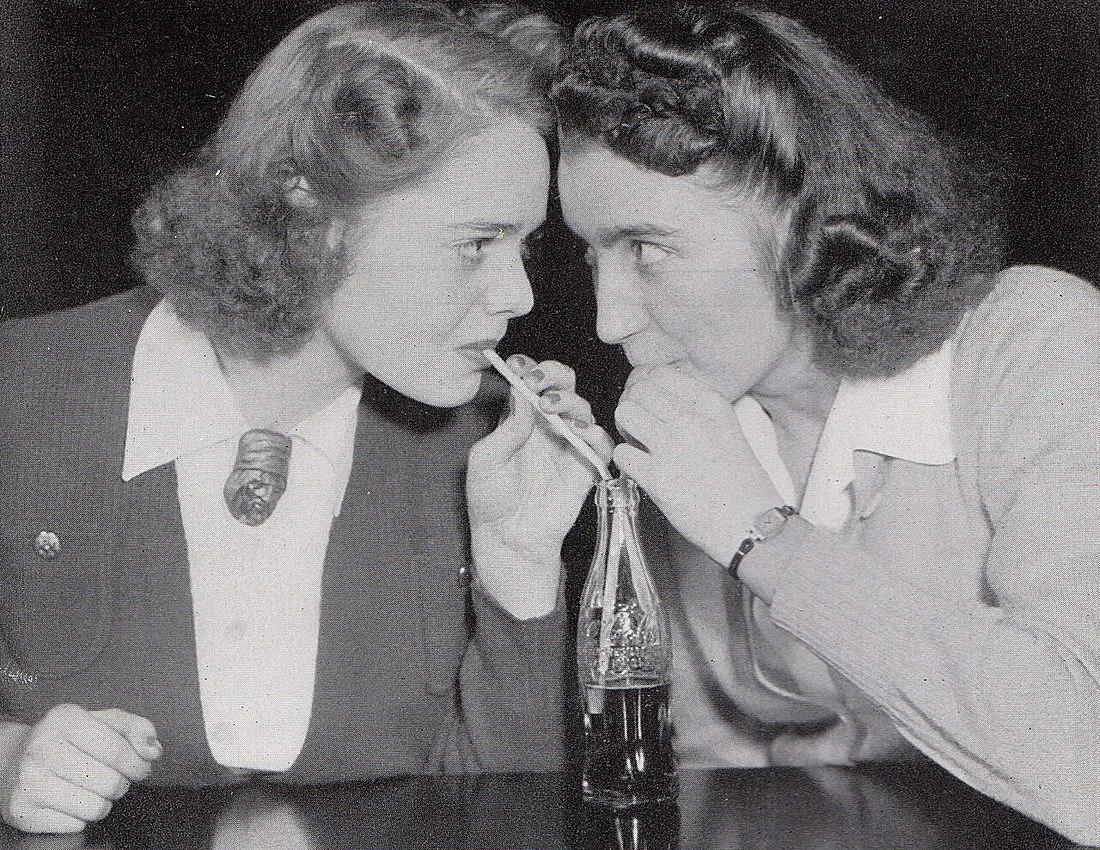
two college students talking on a campus bench
Pictured two college students talking on a campus bench · Shimer College (Wikimedia Commons)

So the professor built a freshman seminar called "Friendship & Society" around 10 hands-on exercises, including a "friendship safari" where students walk campus noting exactly where conversations start and where students silently pass each other. Meanwhile at Dickinson College, students across the political aisle are practicing something related: staying in a room with someone they disagree with and actually listening, resisting the pull to demean or dismiss them 75.

What each field noticed (2)
06/08 Technology

A London startup wants to end the isotope shortage stalling cancer trials

StandardX, a London company, raised £10 million in seed funding to build what it calls the world's first isotope refinery, a deployable accelerator system meant to replace today's patchwork of narrow, isotope-specific infrastructure 140.

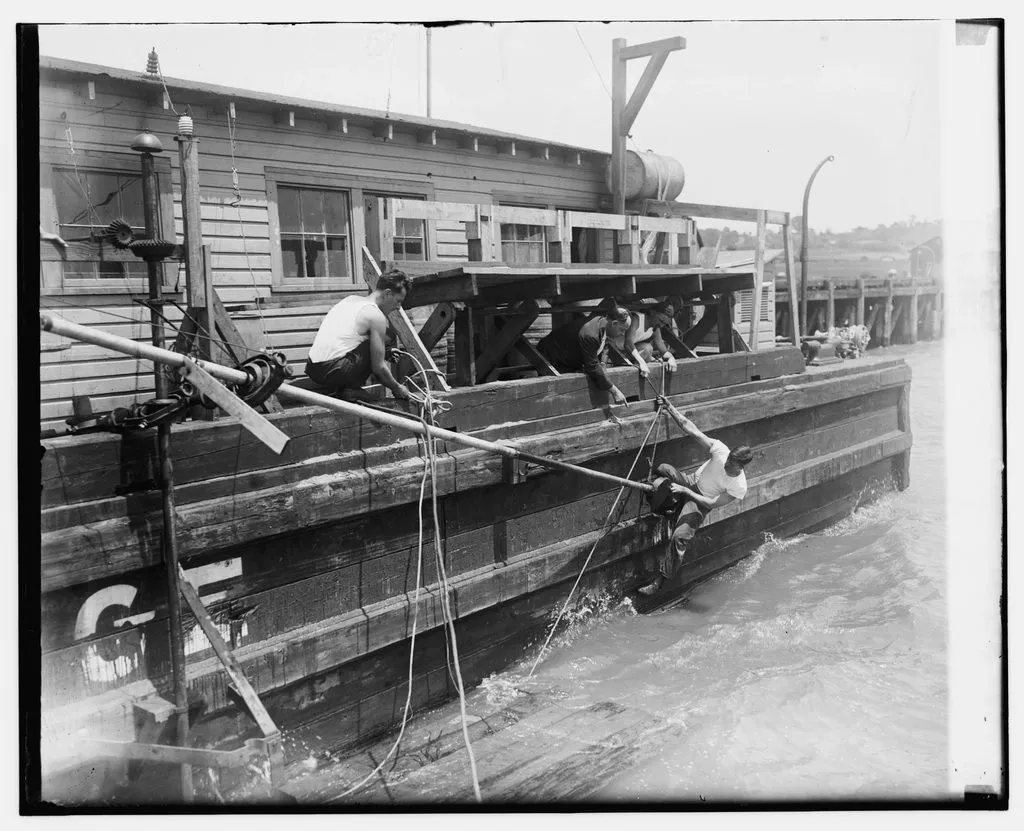
a research laboratory
Pictured a research laboratory · libraryofcongress (via rawpixel)

The shortage it targets is already costing patients: targeted alpha therapies, cancer treatments that attack tumors directly while sparing healthy tissue, have had clinical trials paused or delayed across the UK and Europe simply because the isotopes don't exist in sufficient supply. StandardX plans to supply its first isotopes to a medical research partner in 2027, and the same platform is designed to eventually produce tritium, the fuel fusion reactors need; only about 25 kilograms exist on the planet right now.

07/08 Good News

Ethiopia cut its deforestation rate by 70 percent through a nationwide tree-planting movement

Ethiopia spent decades losing forest, shedding 560,000 hectares of tree cover between 2000 and 2025, until the government launched the Green Legacy Initiative in 2019 and asked ordinary citizens to start planting 202.

Today Got Better

The government's own claims are enormous, 48 billion trees in seven years, including 353 million seedlings in a single day, numbers independent researchers are still working to verify given that similar programs elsewhere have seen under half their seedlings survive five years. What isn't in dispute: Ethiopia's annual deforestation rate fell from 92,000 hectares in 2013 to 27,703 hectares in 2023, a drop of roughly 70 percent. In the Berbere district, 35-year-old Halima Kedir started planting despite her neighbors' doubts and now tends a garden of banana, olive, and grevillea trees she describes, using the Oromo tradition of adopting children into a family, as her own.

08/08 Plant-Based

An Iowa hog farm converted its barn into a mushroom operation

Tyler Faaborg and his family run 1100 Farm in central Iowa, named for the number of hogs each of their two barns held for decades 164. This summer they finished converting half of one 200-foot barn into a "fruiting room," fog rolling over shelves of lion's mane mushrooms destined for tinctures, coffee blends, and flavored salt.

An Iowa hog farm converted its barn into a mushroom operation
Foodie Girl (via stocksnap)

The transition came with technical and financial support from The Transfarmation Project, an initiative of Mercy for Animals that provides open-source blueprints for converting industrial pig, poultry, and dairy barns into other kinds of farms. The Faaborgs are being paid $216,000 over four years to track their costs, labor, and margins as the program's second US demonstration hub, following a former chicken farm in North Carolina.

Quick notes

Shorter discoveries from this morning, worth knowing but not a full story.

Australian Biologists Livestream A Remote Desert Waterhole and All its Wild Visitors A solar-powered camera 1.2 miles from the nearest parking lot now streams a Watarrka National Park waterhole to anyone on Earth, dingoes, wallabies, an occasional wedge-tailed eagle, all drinking undisturbed while ecologist Jennifer Davis tracks how their visits shift as the climate warms 182. Good News Network
AlphaFold 'goes viral': database adds protein complexes of common viruses Researchers added predicted 3D structures for more than 8,000 virus protein pairs from 23 families, including flaviviruses like Zika and dengue, to the free AlphaFold database as part of a new pandemic preparedness portal 23. Nature
Can a Drug Reverse Age-Related Muscle Weakness? Scientists found that aging muscles lose the sodium channels that let nerves trigger contraction, and blocking a separate chloride channel restored muscle responsiveness in an animal model, a possible path toward reversing the muscle weakness that raises fall risk in older adults 230. Nautilus
3-mm implants communicate through body tissue to coordinate treatment without wires Georgia Tech engineers built implants smaller than 3 millimeters that send signals through the body's own tissue instead of radio waves, small enough to inject with a syringe, and in rats one implant sensing paw movement automatically triggered another to stimulate a hind leg 142. Interesting Engineering
Conflict experts share the 1 phrase to stop an argument before things get out of control University of Wisconsin researchers found that saying "I'd actually like to focus on all the things we agree on" reliably de-escalates heated disagreements, turning the other person from an opponent into a collaborator 209. Upworthy
'We Broke Age Stereotypes on a Cycle Tour': 2 Women Pedal their Way Through Societal Barriers Renu Singhi bought her first bicycle at 52, went on to finish a 1,200-kilometer endurance ride in 92 hours, and inspired Gareema Shankar, who had been hiding her own cycling from neighbors, to ride the streets of Delhi in the open 199. The Better India
This High-Protein Vegan Cottage Cheese Is Made From Upcycled Apricot Kernels Revo Foods built a four-ingredient vegan cottage cheese from apricot kernels normally discarded during jam and juice production, and in a blind taste test 60 percent of people preferred it to the dairy version 170. Plant Based News
Nairobi Is Transforming Neglected Libraries Into Vibrant Civic Hubs A nonprofit called Book Bunk restored Nairobi's crumbling Eastlands Library into a free space with reliable power and internet, where one 26-year-old graduate now spends eight or nine hours a day job hunting and calls it simply, "this is where I work" 188. Reasons to be Cheerful
These 5 Rivers Were Nearly Dead. Communities Brought Them Back to Life From Rajasthan's Arvari, revived through decades of community-built rainwater-harvesting johads, to Maharashtra's Kham, cleaned up by tracking down 249 sewage discharge points, five Indian rivers written off as dead now flow again 192. The Better India
What went right this week: the good news that matters Twenty-seven years after the Kosovo War ended, the Halo Trust announced its landmine-clearance mission there is complete, and separately the High Seas Treaty protecting ocean waters beyond national borders just reached its 100th ratifying nation 187. Positive News
2 Weeks After They Were Found Far From Home, How Are Odisha's 5 Baby Orangutans Doing? Five baby orangutans found without their mothers in an Indian forest, thousands of miles from their native Southeast Asia, are stable and eating normally under veterinary care at Nandankanan Zoological Park, with iron supplements addressing the anemia found in three of them 196. The Better India
Teens Set World Record for Most Sports Balls Recycled in One Day, Diverting 2,675 Pounds from Landfills California teens calling themselves Another Bounce collected 22,000 tennis and pickleball balls in a single day, a Guinness World Record haul that's now headed to a recycling facility instead of a 400-year decomposition in a landfill 183. Good News Network
How book clubs and bedtime stories protect and build healthier brains A Cambridge University review found that reading for pleasure, at any age, tracks with stronger memory and attention and a meaningfully lower dementia risk, with book clubs outperforming solo reading because of the social connection built in 203. The Optimist Daily
Mexican EPICS in IEEE Team Builds Portable Educational Platform Engineering students in Guadalajara built RoboMeshA, a mobile robotics and AI lab that plugs into any classroom browser, bringing hands-on tech education to Mexican high schools that could never afford a dedicated robotics lab 135. IEEE Spectrum

Our process. Your trust.

Every discovery above traces back to an article we read in full. This is the whole corpus behind this morning, and what it was made of.

  • 49 Sources scanned
  • 239 Articles read
  • 8 Fields covered
  • 8 Discoveries

The sources that carried this morning

  1. 1 PLOS One 20 articles
  2. 2 STAT 14 articles
  3. 3 Ars Technica - All content 14 articles
  4. 4 PsyPost Psychology News 13 articles
  5. 5 Latest Science News -- ScienceDaily 12 articles
  6. 6 The Better India : Latest Posts 12 articles
  7. 7 The Conversation Articles 10 articles
  8. 8 Interesting Engineering 10 articles
How an edition is made

Everything we read today

Natural Sciences 55 articles
PLOS One
Life Sciences & Medicine 19 articles
Psychology & Behavioral Science 18 articles
Social Sciences 19 articles
Technology & Innovation 48 articles
Plant-Based & Vegan 22 articles
Solutions & Good News 33 articles
Human Stories & Ideas 25 articles
The long view · not today’s news, the story behind it

Today’s discoveries didn’t come from nowhere. Here’s the older, ongoing story they belong to, a moment from this day in history, and a question to test what stuck.

Where the story stands

On this day in science

1866 Thomas Hunt Morgan is born Thomas Hunt Morgan, who proved that genes ride on chromosomes, was born in Lexington, Kentucky. His experiments with fruit flies showed how traits pass from parent to offspring and where heredity physically lives. His lab turned genetics into a precise, experimental science. More from the Almanac →

Before you go: today’s quiz

The daily quiz

About how many lives has finding and treating tuberculosis saved since 2000?

Reveal the answer

83 million

The WHO estimates that global efforts to find and treat TB have saved about 83 million lives since the year 2000. TB still causes over 1.2 million deaths a year, so the work is far from over.

See the Lifesaver →

Previous editions

Every morning we have published, newest first. Nothing expires.

View the full archive

Get this every morning.

Liked today’s? Tomorrow’s reaches your inbox before breakfast.

  • One email each morning, never more
  • The day’s real discoveries across 8 fields
  • One calm read with your coffee

The full letter, every morning, free for good.

Same free letter, plus the reason it stays that way: no ads, no investors, no agenda but the good news itself.

A single gift of any amount. No account, never a recurring charge.