


The daily brief · September 18, 2026

A planet caught mid-birth, and an app protecting elephants and crops

Today's discoveries move at wildly different speeds, from a planet still gathering itself out of gas and dust to a 117-year-old woman whose body simply refused to fall apart the usual way.

  • 7 Discoveries
  • 236 Articles read
  • 40 Sources
  • 10 Min read

Today’s discoveries

Everything this morning found, in the order we would read it.

7 stories
  1. 01 Natural Sci. Two minutes of movement, real and lasting mood lift Two very different studies landed on the same idea this week. Source: New Scientist 1 min read
  2. 02 Natural Sci. Astronomers caught a planet still being built Elias 2-24 b orbits a young star 450 light-years away, is two to four times as massive as Jupiter, and is less than a million years old, the youngest planet ever confirmed. Source: Live Science 1 min read
  3. 03 Good News An app that gives villages a few minutes' warning before an elephant arrives In North Bengal, where tea gardens, farms, and villages sit right up against elephant habitat, the NWA Nature & Wildlife Foundation built an app called HEC Alert that does one simple… Source: The Better India 1 min read
  4. 04 Psychology The gene that wasn't there María Branyas Morera was born in San Francisco to Spanish parents on March 4, 1907, and died at 117 as the oldest verified person alive. Source: Psychology Today 1 min read
  5. 05 Human Stories What T. rex's own tooth finally told us Whether dinosaurs ran warm-blooded or cold-blooded has been argued for decades, and the field has largely settled on warm-blooded without ever pinning down exactly how warm. Source: Nautilus 1 min read
  6. 06 Technology CT scans, minus the room-sized machine Researchers at Ruiying Detection Technology, a spinoff of the Chinese Academy of Sciences' Institute of High Energy Physics, built a CT scanner called the Xtomo-Cube that measures 5.5 by… Source: New Atlas 1 min read
  7. 07 Plant-Based The technology that could end killing 7 billion chicks a year Because male chicks can't lay eggs, the egg industry kills an estimated 7 billion of them worldwide every year, about 200 every second, shortly after hatching. Source: Mercy For Animals 1 min read

The feel-good story of the day

Payal Kumar NASA (via rawpixel)
Pictured Payal Kumar

The Woman Delhi's Slum Kids Call Cake Wali Aunty

The moment that changed everything for Payal Kumar was small: she brought a cake to a child in a Delhi slum for her birthday, handed her the knife, and the girl had no idea what to do with it. It was the first birthday she had ever celebrated.

Payal started cooking meals at home and carrying them to nearby slums during the COVID lockdown. The more time she spent there, the clearer it became that food wasn't the whole gap. Her effort grew into an organization called Feed the Souls, and today 125 children from Delhi's Kuli Camp attend her free evening classes, where a fourth grader named Madhu says her schoolwork finally makes sense.

The birthdays never stopped mattering to her, though. Through a program she calls Project Utsav, Payal has now given roughly 1,000 children in Delhi their first real birthday, complete with a cake, a candle, and someone to tell them they're worth celebrating.

Today’s complete edition

The discoveries, in full

Read the evidence, what it changes, and the reporting behind each of today’s 7 discoveries.

01/07 Natural Sci. Psychology

Two minutes of movement, real and lasting mood lift

Two very different studies landed on the same idea this week. A review out of Shanghai University of Sport pooled 25 randomized trials and 1,115 people, ages 8 to 78, testing "exercise snacks," sessions under 10 minutes, done at least twice a day: a couple of stair flights, a minute of jumping jacks, some chair stretches 22.
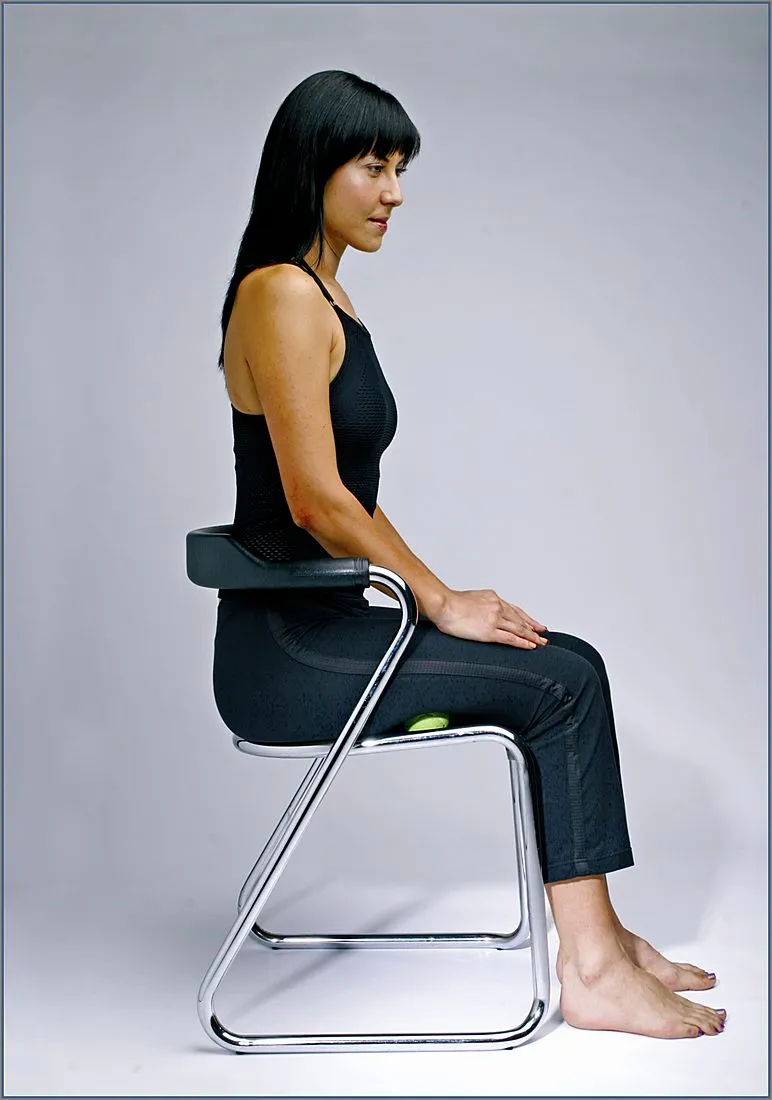
an office worker stretching at their desk during a break
Pictured an office worker stretching at their desk during a break · Gadgetnz (Wikimedia Commons)

Working memory, attention, and the ability to resist impulsive reactions all ticked up immediately afterward, and the boost got stronger the longer people kept the habit and when it happened at school or work rather than at home 22. Separately, researchers led by Johanna Rehder at the University of Salzburg tracked 8,223 people across 14 countries with wearable accelerometers, gathering 321,345 well-being check-ins against nearly a million hours of recorded movement 84. Going from sitting to walking was tied to a 0.62-point jump in energetic arousal on a 1-to-4 scale, the single strongest effect they found 84.

What each field noticed (2)
02/07 Natural Sci.

Astronomers caught a planet still being built

Elias 2-24 b orbits a young star 450 light-years away, is two to four times as massive as Jupiter, and is less than a million years old, the youngest planet ever confirmed 6.

the European Southern Observatory Very Large Telescope
Pictured the European Southern Observatory Very Large Telescope · Wikimedia Commons / European Southern Observatory Catalog

Astronomers first noticed something was off in 2017: a gap in the star's protoplanetary disk, the ring of leftover gas and dust that planets form from. This year, a team led by doctoral student Andrea Bernardi combined three telescopes, the Keck Observatory, ALMA, and the European Southern Observatory's Very Large Telescope, to directly image the object sitting in that gap and confirm it's still actively pulling in material from its surroundings 6. Scaled to a human lifespan, Bernardi's team put it plainly: Elias 2-24 b is roughly a two- or three-day-old baby 6.

03/07 Good News

An app that gives villages a few minutes' warning before an elephant arrives

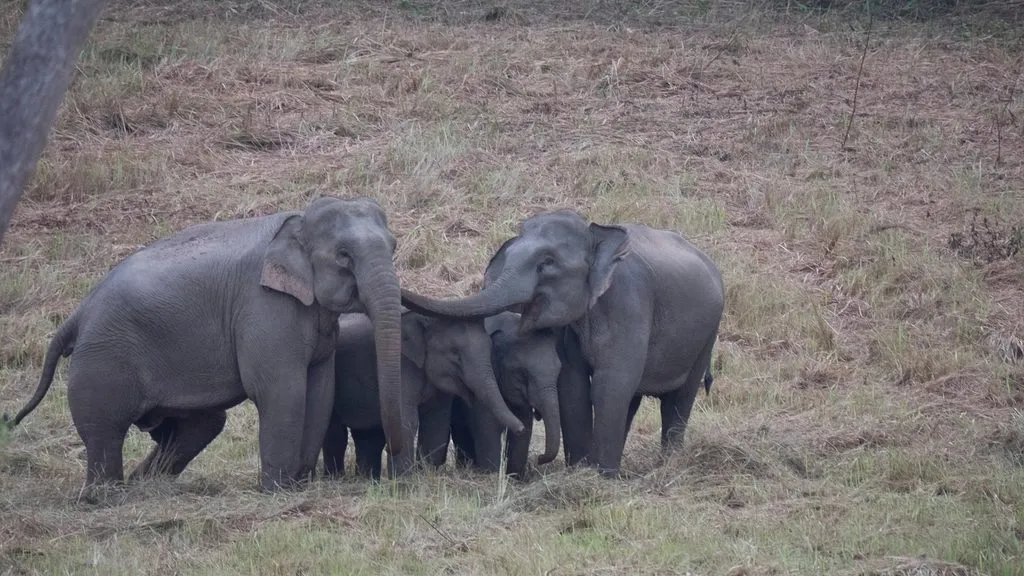
In North Bengal, where tea gardens, farms, and villages sit right up against elephant habitat, the NWA Nature & Wildlife Foundation built an app called HEC Alert that does one simple thing: when someone spots an elephant, they report it with a tap, and everyone within a 25-kilometer radius gets a notification 213.

an Asian elephant in a tea garden
Pictured an Asian elephant in a tea garden · Unknown (via rawpixel)

Launched publicly in March 2020 in India and Thailand, the app now feeds a shared database, mapped with heatmaps, that NGOs, scientists, and government agencies can also draw on 213. In areas using it, crop loss reportedly dropped from 50 percent to 5 percent 213.

04/07 Psychology

The gene that wasn't there

María Branyas Morera was born in San Francisco to Spanish parents on March 4, 1907, and died at 117 as the oldest verified person alive. Before she died, scientists ran blood, urine, saliva, and stool through an extensive multiomics workup hoping to find the gene behind her lifespan 104.

María Branyas Morera
Pictured María Branyas Morera · Arxiu de la família Branyas Morera (Wikimedia Commons)

They didn't find one. Even FOXO3A, the best-known longevity gene, showed none of the variants usually linked to long life in her genome 104. What they found instead was a scatter of small advantages across immune function, metabolism, and lipid regulation, plus an unusually diverse gut microbiome and a notably favorable lipid profile 104. Her telomeres, the protective caps on chromosomes that shorten with age, were actually shorter than a young person's; her immune cells looked properly aged too. She wasn't biologically young. She was just remarkably resistant to what that aging usually causes 104.

05/07 Human Stories

What T. rex's own tooth finally told us

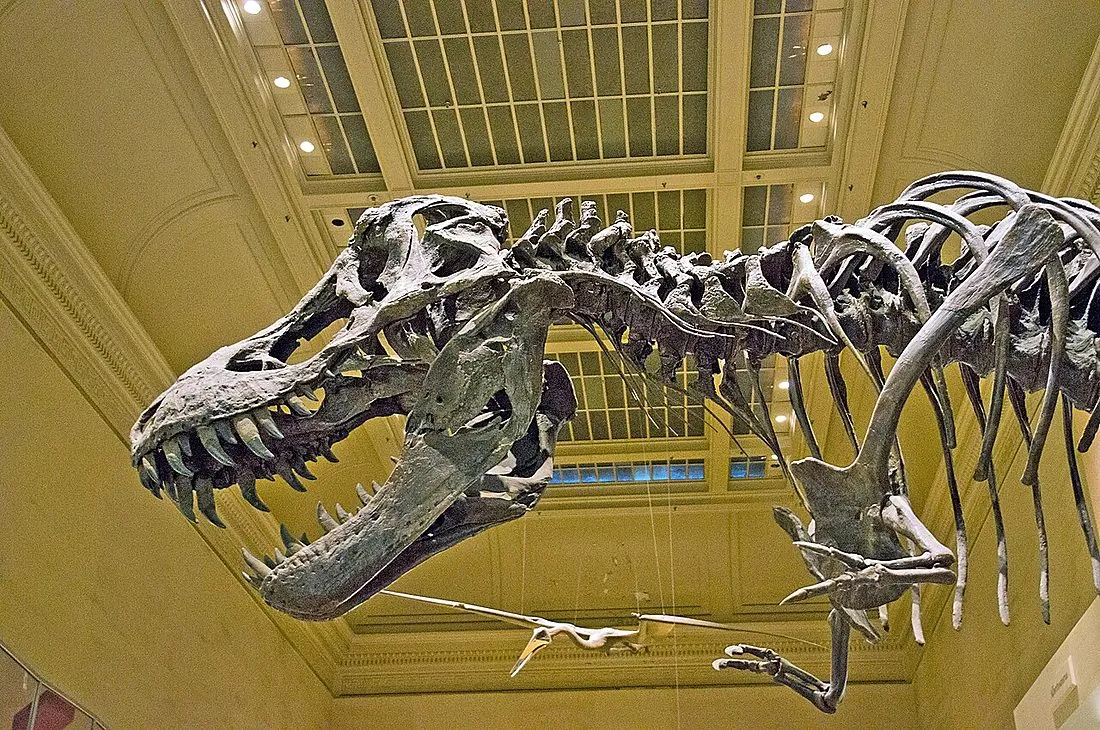
Whether dinosaurs ran warm-blooded or cold-blooded has been argued for decades, and the field has largely settled on warm-blooded without ever pinning down exactly how warm 232.

a Tyrannosaurus rex skeleton on display in a museum
Pictured a Tyrannosaurus rex skeleton on display in a museum · USDAgov (Wikimedia Commons)

A team of geobiologists led by researchers at UCLA has now measured it directly, using a technique that needs 90 percent less sample material than earlier methods, and a single donated tooth from Thomas, the T. rex on display at the Natural History Museum of Los Angeles County 232.

06/07 Technology

CT scans, minus the room-sized machine

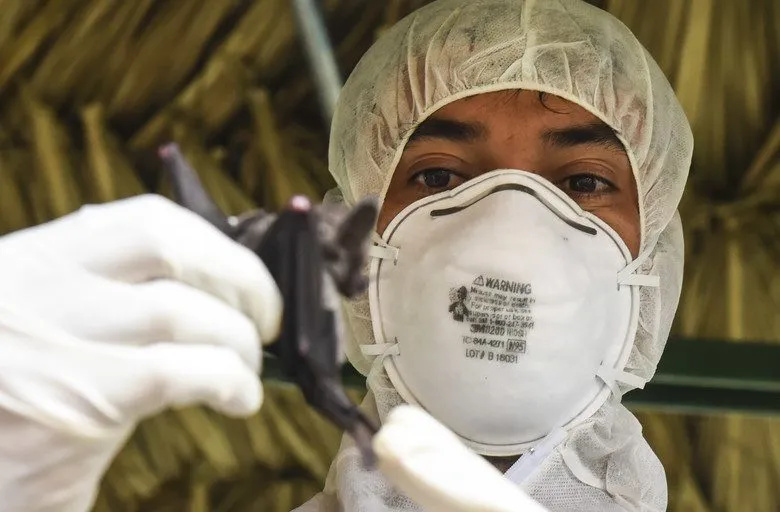
Researchers at Ruiying Detection Technology, a spinoff of the Chinese Academy of Sciences' Institute of High Energy Physics, built a CT scanner called the Xtomo-Cube that measures 5.5 by 5.1 by 8.7 inches and weighs about 13 pounds, small enough to hold in one hand 183.

a research engineer holding a small electronic device
Pictured a research engineer holding a small electronic device · U.S. Air Force photo by Senior Airman Dustin Mullen (Wikimedia Commons)

The previous record for portable CT, a German Fraunhofer device, weighed 42 pounds, more than three times as much 183. The Xtomo-Cube runs at just 50 kVp, far below a hospital scanner's energy, which means it needs far less radiation shielding, and its detector pixels are 18.5 micrometers across, fine enough to resolve details about the width of a human hair 183.

07/07 Plant-Based

The technology that could end killing 7 billion chicks a year

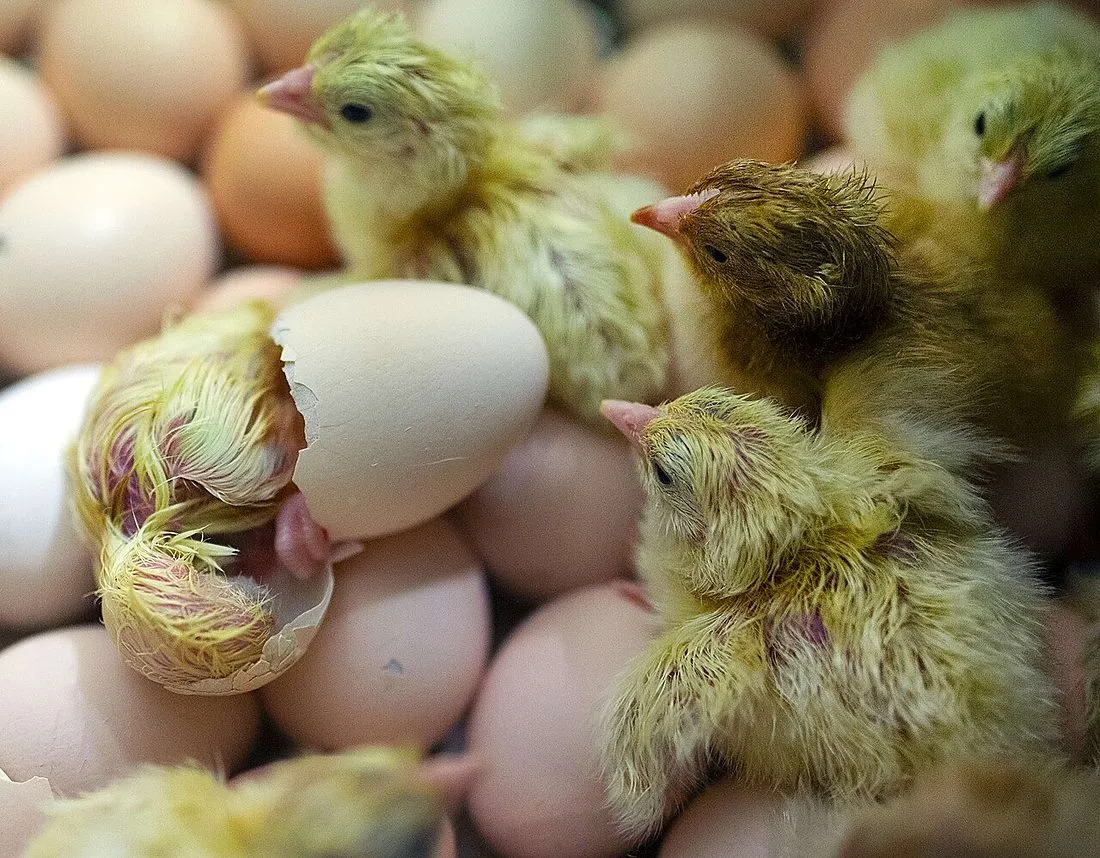
Because male chicks can't lay eggs, the egg industry kills an estimated 7 billion of them worldwide every year, about 200 every second, shortly after hatching 187. That's the grim baseline.

newly hatched chicks in a farm setting
Pictured newly hatched chicks in a farm setting · Otwarte Klatki (Wikimedia Commons)

The actual news is that it's no longer inevitable. In-ovo sexing technology can now identify a chick embryo's sex before it hatches, letting hatcheries sort eggs before any animal is involved at all, and it's already running commercially in markets including the United States and Brazil 190. Canada has gone further, developing methods that can determine sex as early as day four of incubation 190. Germany and France have already banned chick culling outright 187190. Mercy For Animals is now running a campaign called Crack the System to push more hatcheries and countries toward the technology that already exists 187.

Quick notes

Shorter discoveries from this morning, worth knowing but not a full story.

Scientists discover a mysterious new frog hiding in the Amazon Researchers found Adenomera varcena living in the seasonally flooded forests of the western Amazon, a habitat its genus was never known to use before, and told it apart from nearly identical relatives mainly by its call 2. A reminder that the Amazon is still handing out surprises to anyone who looks closely enough. ScienceDaily
A $100 detector can see invisible particles raining down from space University of Delaware physicist Spencer Axani built CosmicWatch, a box-of-crackers-sized device that detects the cosmic muons constantly passing through your body, for about $100 in parts 3. It started as a student project and is now used everywhere from high schools to professional astrophysics labs. ScienceDaily
This popular fermented food may help flush nanoplastics from the body A bacterium isolated from kimchi bound to nanoplastics under gut-like conditions and more than doubled how much plastic showed up in mouse feces after dosing 1. Fermentation, doing quiet extra credit. ScienceDaily
Scientists Solve Mystery Behind Snowfall That Dropped 695 Billion Tons of Ice on Antarctica A warm pool where the tropical Pacific and Indian Oceans meet triggered enough extra snowfall to add 695 billion tons of ice to East Antarctica between 2021 and 2023, about four years' worth of typical annual loss, reversed 204. Not a fix for the long-term trend, but proof the system still has some give in it. Good News Network
Team Sequesters Plastic and Makes New Products Before it Breaks Down in Environment A family in San Carlos, California runs Peninsula Precious Plastics, shredding hard-to-recycle plastics into new objects, and recently helped a Malawi nonprofit set up the same open-source presses locally to build school desks out of plastic gathered on-site 203. Good News Network
What went right this week: the good news that matters Chile became the second country this month, after Bhutan, to have the World Health Organization certify it free of dog-transmitted rabies, the result of more than five decades of canine vaccination work 205. Meanwhile a new $15.5 million fund launched to help end female genital mutilation, seeded mostly by the Wallace Global Fund 205. Positive News
Berlin's REWE supermarket: the grocery store with a working rooftop farm A Berlin grocery store grows its own lettuce on the roof, watered mostly by rain and heated by waste heat from the store's own refrigerators, then just carries it downstairs, no delivery truck involved 214. Researchers estimate rooftop and ground-based urban farming could realistically supply 28 percent of Europe's vegetable demand. The Optimist Daily
In Remote Alaska, the Promise and Limits of Vertical Farming A microbrewery in Skagway, Alaska, population 1,000, grows 250 pounds of lettuce a week in an aeroponic farm on its top floor, using CO2 captured from its own beer brewing, enough to supply its restaurant year-round in a town that used to barge in wilted greens 206. Reasons to be Cheerful
Lost His Leg at 18, Then Climbed 13,550 Feet Bhavin Gohel lost his leg in a bike accident at 18. He learned to walk again on an artificial leg, then ran, then trekked Bhrigu Lake, then reached Annapurna Base Camp at 13,550 feet, where he did 101 push-ups on ice 211. The Better India
No-Honking Roads, Shops Without Shopkeepers: The Civic Lessons Hidden in Northeast India Aizawl, Mizoram's capital, runs most of its intersections without traffic lights, drivers simply take turns out of mutual habit, and along nearby highways farmers sell produce from unattended stalls with just a price list and a jar for change 210. The Better India
Chinu Kwatra Has Spent 9 Years Cleaning Beaches What started as one guy cleaning up broken idol pieces and plastic wrappers on Dadar Beach in Mumbai has grown into Beach Warriors, more than 2,000 cleanups across four beaches over nine years, run entirely by volunteers who kept showing up 212. The Better India
How Planted is Outpacing Competitors in Europe's Largest Plant-Based Meat Market Swiss plant-based meat maker Planted is growing more than four times faster than the entire category in Germany this year, now accounting for roughly one in five euros spent on chilled plant-based steaks there 185. Green Queen
Diabetic US Open Winner Credits Sweet Potatoes For Optimal Blood Sugar Tennis's Alexander Zverev, who has diabetes and just won both the US Open and French Open, says sweet potatoes are the food that keeps his blood sugar steady enough to play a five-set match 191. Plant Based News
Museums on prescription: How cultural activities are becoming crucial to the public health debate The EU signed its first joint declaration making culture a strategic health priority this year, building on research into how museum visits, concerts, and other cultural participation measurably affect brain function and well-being 45. Going to a gallery, it turns out, is doing more than you think. Phys.org

Our process. Your trust.

Every discovery above traces back to an article we read in full. This is the whole corpus behind this morning, and what it was made of.

  • 40 Sources scanned
  • 236 Articles read
  • 8 Fields covered
  • 7 Discoveries

The sources that carried this morning

  1. 1 PLOS One 20 articles
  2. 2 Psychology Today: The Latest 20 articles
  3. 3 Phys.org 14 articles
  4. 4 STAT 14 articles
  5. 5 Ars Technica - All content 13 articles
  6. 6 Pew Research Center 12 articles
  7. 7 Interesting Engineering 10 articles
  8. 8 Nautilus 10 articles
How an edition is made

Everything we read today

Natural Sciences 67 articles
PLOS One
Life Sciences & Medicine 14 articles
Psychology & Behavioral Science 30 articles
Psyche | Know Your Self
Social Sciences 28 articles
Technology & Innovation 45 articles
Plant-Based & Vegan 17 articles
Solutions & Good News 13 articles
Human Stories & Ideas 22 articles
The long view · not today’s news, the story behind it

Today’s discoveries didn’t come from nowhere. Here’s the older, ongoing story they belong to, a moment from this day in history, and a question to test what stuck.

Where the story stands

On this day in science

1819 Léon Foucault is born Léon Foucault, the French physicist who let anyone watch the Earth turn, was born in Paris. His great pendulum, swinging freely in a Paris hall in 1851, slowly changed its path as the planet rotated beneath it. He also made one of the first accurate measurements of the speed of light. More from the Almanac →

Before you go: today’s quiz

The daily quiz

Filtering and chlorinating city water caused a huge fall in deaths in early 1900s America. About what share of the urban mortality decline did it explain?

Reveal the answer

About 43 percent

Economists Cutler and Miller calculated clean water was responsible for about 43 percent of the total fall in death rates across 13 US cities from 1900 to 1936.

See the Lifesaver →

Previous editions

Every morning we have published, newest first. Nothing expires.

View the full archive

Get this every morning.

Liked today’s? Tomorrow’s reaches your inbox before breakfast.

  • One email each morning, never more
  • The day’s real discoveries across 8 fields
  • One calm read with your coffee

The full letter, every morning, free for good.

Same free letter, plus the reason it stays that way: no ads, no investors, no agenda but the good news itself.

A single gift of any amount. No account, never a recurring charge.