

The daily brief · September 15, 2026

A paralyzed man's avatar can gesture while he speaks, and old livers turn young

Today's throughline is recovery: proof that things assumed permanently lost, a full voice, an organ's youth, can still come back.

  • 8 Discoveries
  • 245 Articles read
  • 48 Sources
  • 11 Min read

Today’s discoveries

Everything this morning found, in the order we would read it.

8 stories
  1. 01 Life Sciences A brain implant lets paralyzed people speak and gesture at the same time For years, brain-computer interfaces have given paralyzed people back either words or gestures, never both at once, because researchers assumed the brain signals for talking and waving… Source: NIH News Releases 1 min read
  2. 02 Natural Sci. A marine worm's jaw is made of living metal Biomechanical engineer Luis Zelaya-Lainez got obsessed with a bristly marine ragworm called Perinereis cultrifera after watching it cling to Mediterranean rocks while waves smashed into… Source: Knowable Magazine 1 min read
  3. 03 Human Stories The largest living network on Earth has finally been mapped, and it's under your feet Every road, cable, and shipping lane on the planet combined is smaller than the network of fungal threads growing in the top six inches of soil worldwide, and until this year, nobody had… Source: Big Think 1 min read
  4. 04 Technology Donor livers get biologically younger on the machines that keep them alive before transplant Once a liver leaves a donor's body, the clock starts ticking, and packing it in ice only slows the decline. Source: MIT Technology Review 1 min read
  5. 05 Plant-Based England is making beans mandatory in school lunches, and dropping the rule that forced meat onto the menu For the first time in more than a decade, England has rewritten its national school food standards, and starting next September, schools must serve legumes, beans, lentils, or chickpeas,… Source: Green Queen 1 min read
  6. 06 Technology Solar power got "offensively cheap," and it's changing who controls electricity At a cement plant in Chakwal, Pakistan, general manager Abdul Waheed has watched dry earth and olive groves turn into a forest of solar panels, and solar now supplies over a quarter of… Source: Ars Technica 1 min read
  7. 07 Good News Southeast Asia has eliminated trachoma, the world's leading infectious cause of blindness The World Health Organization has certified Timor-Leste as having eliminated trachoma as a public health problem, the final country needed to make the entire WHO Southeast Asia region… Source: Good News Network 1 min read
  8. 08 Psychology New research says menopause doesn't shrink the brain the way we thought The standard story goes: estrogen drops, the brain changes, memory and focus suffer, and the organ that carried you through decades starts falling apart. Source: Psychology Today 1 min read

The feel-good story of the day

a man with two teenage boys at home ThuyHaBich (Wikimedia Commons)
Pictured a man with two teenage boys at home

A stranger's couch became a family, and the internet noticed

In February 2025, a woman Sam Restifo barely knew dropped off two boys, then 14 and 12, at his home in Saginaw, Michigan, and left. They had nowhere else to go. Sam kept them anyway, even after the electricity got shut off and he was running the house on a generator, even after he couldn't enroll them in school because he didn't have legal guardianship yet.

"If I decided I didn't want to, there are no homes for them, and they would split up," he told a local news station. That's the whole reason he stayed.

When the boys' story aired this month, strangers who had never met any of them started donating, and a GoFundMe has now raised more than $15,000, enough to restore running water and electricity, get the boys back in school, and help Sam pursue legal guardianship. "I just got money; it's all going towards the house and the kids," he said. What Sam keeps coming back to isn't the money, though. "I think they have helped me as much as I have helped them," he said, three people who had nothing certain, choosing each other anyway.

Today’s complete edition

The discoveries, in full

Read the evidence, what it changes, and the reporting behind each of today’s 8 discoveries.

01/08 Life Sciences

A brain implant lets paralyzed people speak and gesture at the same time

For years, brain-computer interfaces have given paralyzed people back either words or gestures, never both at once, because researchers assumed the brain signals for talking and waving would simply pile on top of each other and overwhelm the system.
Edward Chang, neurosurgeon
Pictured Edward Chang, neurosurgeon · Iggyplatinum (Wikimedia Commons)

A UCSF team led by neurosurgeon Edward Chang tested that assumption on three patients with vocal-tract and body paralysis from ALS or brainstem stroke, using a thin strip of sensors on the motor cortex to read their attempts at both speech and gestures like a thumbs-up or a wave 59. Two participants used the decoded signals to control a full-body avatar in real time, speaking and gesturing together, and the brain activity for combined expression turned out to be more than the sum of its parts, not the muddle scientists expected.

02/08 Natural Sci.

A marine worm's jaw is made of living metal

Biomechanical engineer Luis Zelaya-Lainez got obsessed with a bristly marine ragworm called Perinereis cultrifera after watching it cling to Mediterranean rocks while waves smashed into it around the clock.

Today Got Better

Its jaw looked far too thin and delicate to survive that kind of abuse, so he and colleagues in Vienna went looking for why it doesn't snap 1. The answer: the jaw is built from proteins bonded with metal ions like zinc, forming what the team calls a "bio-metal," a substance as hard as crystalline metal but as elastic as some polymers, and the worm makes it at room temperature and ordinary pressure, no furnace required.

03/08 Human Stories

The largest living network on Earth has finally been mapped, and it's under your feet

Every road, cable, and shipping lane on the planet combined is smaller than the network of fungal threads growing in the top six inches of soil worldwide, and until this year, nobody had actually mapped it.

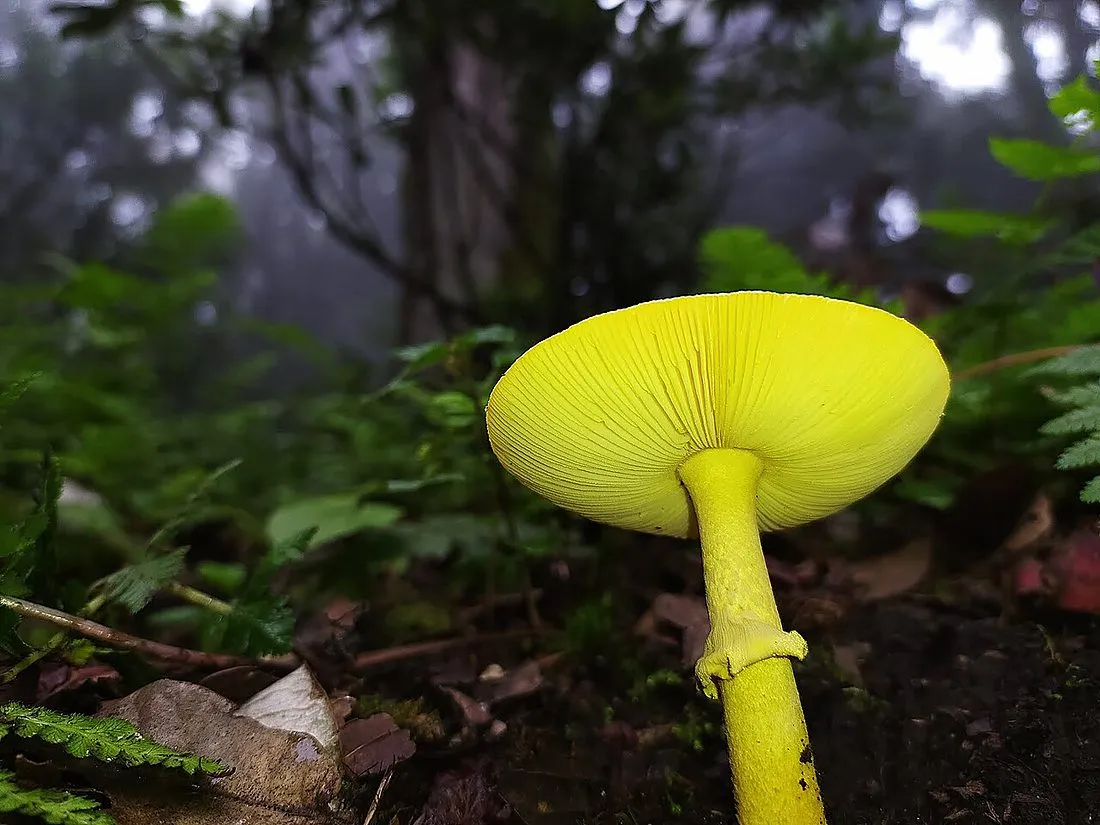
a mushroom growing on a forest floor
Pictured a mushroom growing on a forest floor · IBalbeerdanu (Wikimedia Commons)

A team including the Society for the Protection of Underground Networks analyzed 16,000 soil samples from across the globe and, writing in Science in June, estimated the total length of arbuscular mycorrhizal fungal hyphae at roughly 110 quadrillion kilometers, about 68 quadrillion miles 227. Laid end to end, that would stretch from Earth to the sun nearly a billion times; the whole network weighs around 300 million tons, five times the biomass of every human alive.

04/08 Technology

Donor livers get biologically younger on the machines that keep them alive before transplant

Once a liver leaves a donor's body, the clock starts ticking, and packing it in ice only slows the decline. An increasingly popular alternative is machine perfusion, pumping the organ with nutrients and clearing waste for six to twelve hours before transplant, and a team at Mass General Brigham led by transplant surgeon Heidi Yeh decided to check what that time on the machine actually does to the organ at a molecular level 163.

Today Got Better

Using epigenetic "aging clocks" on 37 samples from 19 livers, they found perfused livers had a biological age lower than same-age livers kept on ice; a larger follow-up of 208 samples from 103 livers, measured with a different kind of clock that tracks gene activity, confirmed it. Researcher Jesse Poganik called the pattern "striking."

05/08 Plant-Based

England is making beans mandatory in school lunches, and dropping the rule that forced meat onto the menu

For the first time in more than a decade, England has rewritten its national school food standards, and starting next September, schools must serve legumes, beans, lentils, or chickpeas, alongside a main meal at least once a week (secondary schools get a year to phase it in) 176.

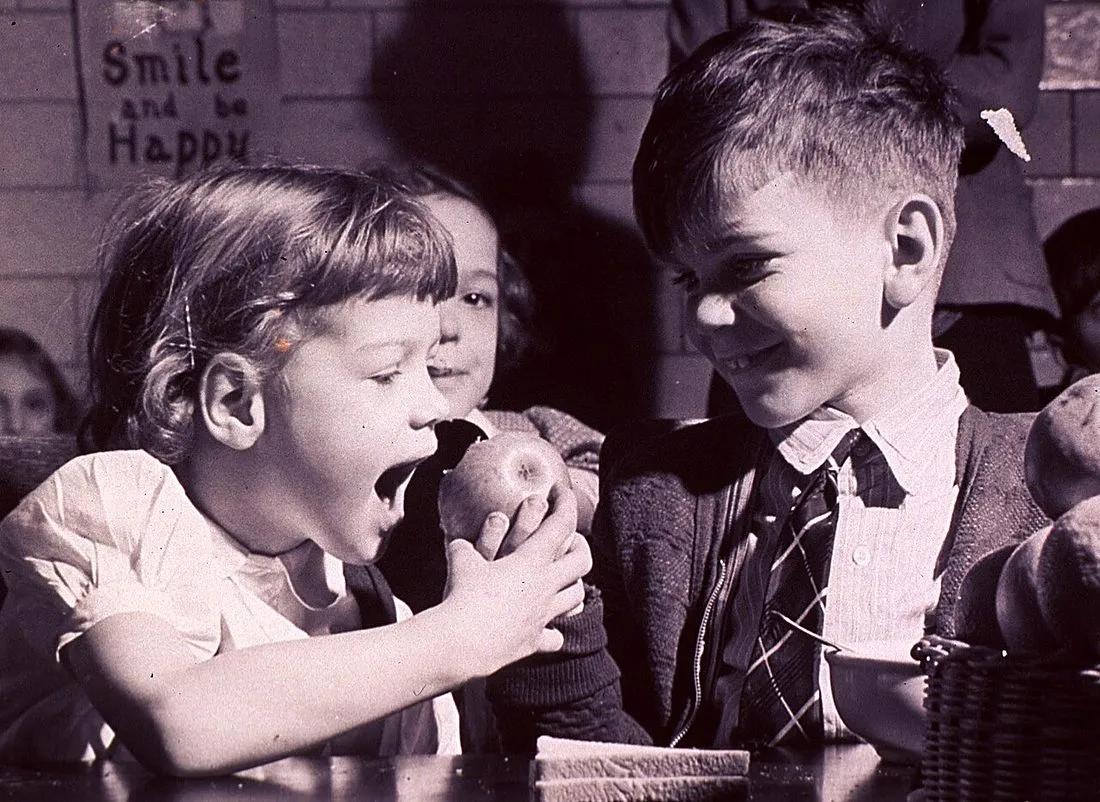
children eating lunch in a school cafeteria
Pictured children eating lunch in a school cafeteria · National Library of Medicine (Wikimedia Commons)

The old rule requiring meat on the menu three or more days a week is gone entirely, replaced by language that treats pulses as an equal protein source, and the approved plant-milk list now includes fortified pea milk alongside oat and soy 176 183. Processed meat, sausages, bacon, salami, is capped at once a week, and deep-fried food is banned outright.

06/08 Technology

Solar power got "offensively cheap," and it's changing who controls electricity

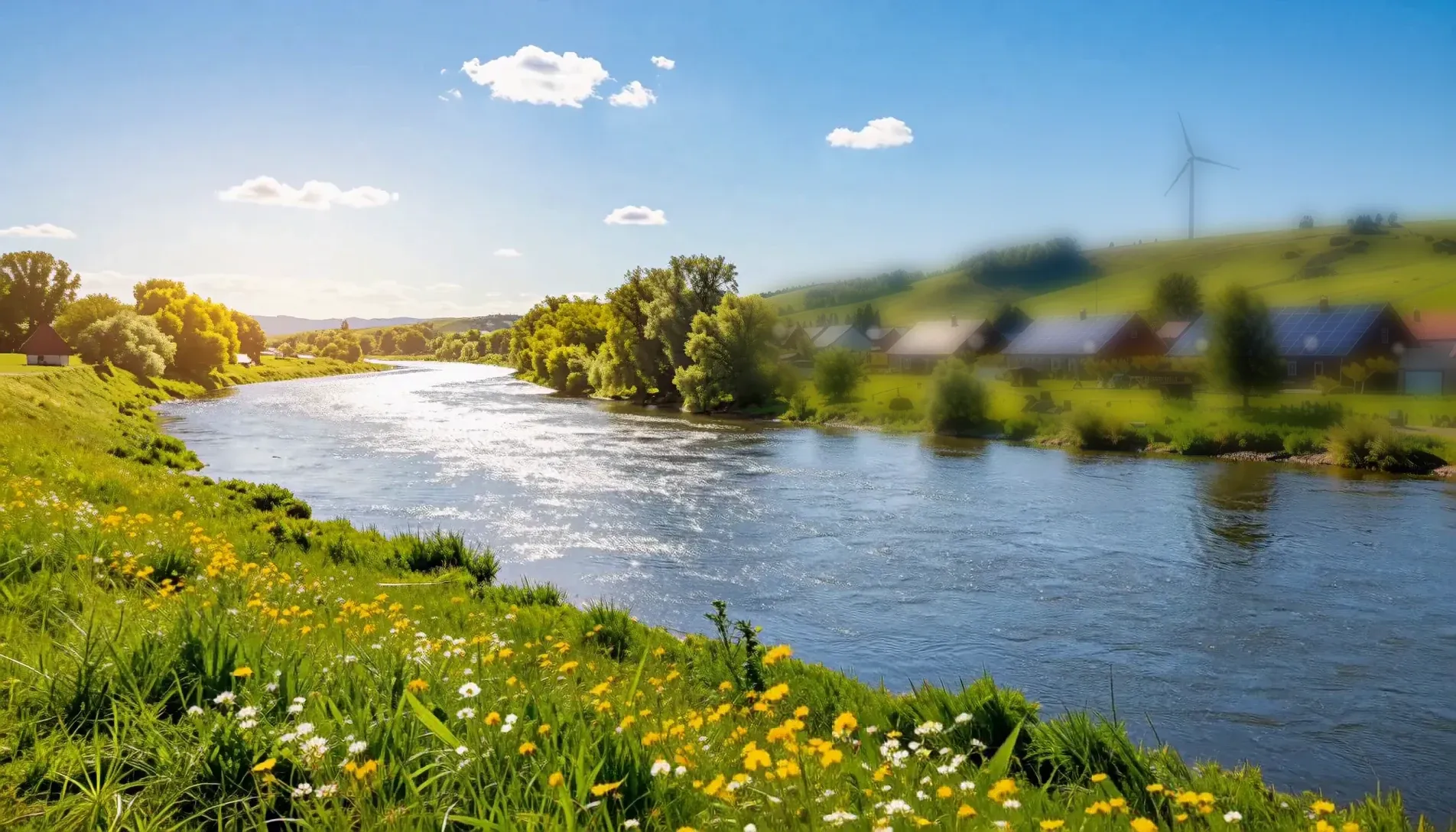
At a cement plant in Chakwal, Pakistan, general manager Abdul Waheed has watched dry earth and olive groves turn into a forest of solar panels, and solar now supplies over a quarter of the electricity running the plant.

solar panels in a field at a cement plant
Pictured solar panels in a field at a cement plant · Diego Delso (Wikimedia Commons)

"It's the only way we can compete," he says, and his company isn't alone: by the end of 2025, global solar capacity hit almost 1.2 terawatts, roughly three times the size of the entire world nuclear fleet, most of it built with cheap Chinese-made panels 139. Millions of households and small businesses in developing and industrialized countries alike are installing it themselves, cutting bills and, in poorer countries, getting reliable power for the first time without waiting on massive infrastructure projects.

07/08 Good News

Southeast Asia has eliminated trachoma, the world's leading infectious cause of blindness

The World Health Organization has certified Timor-Leste as having eliminated trachoma as a public health problem, the final country needed to make the entire WHO Southeast Asia region trachoma-free, a status now covering over two billion people 195.

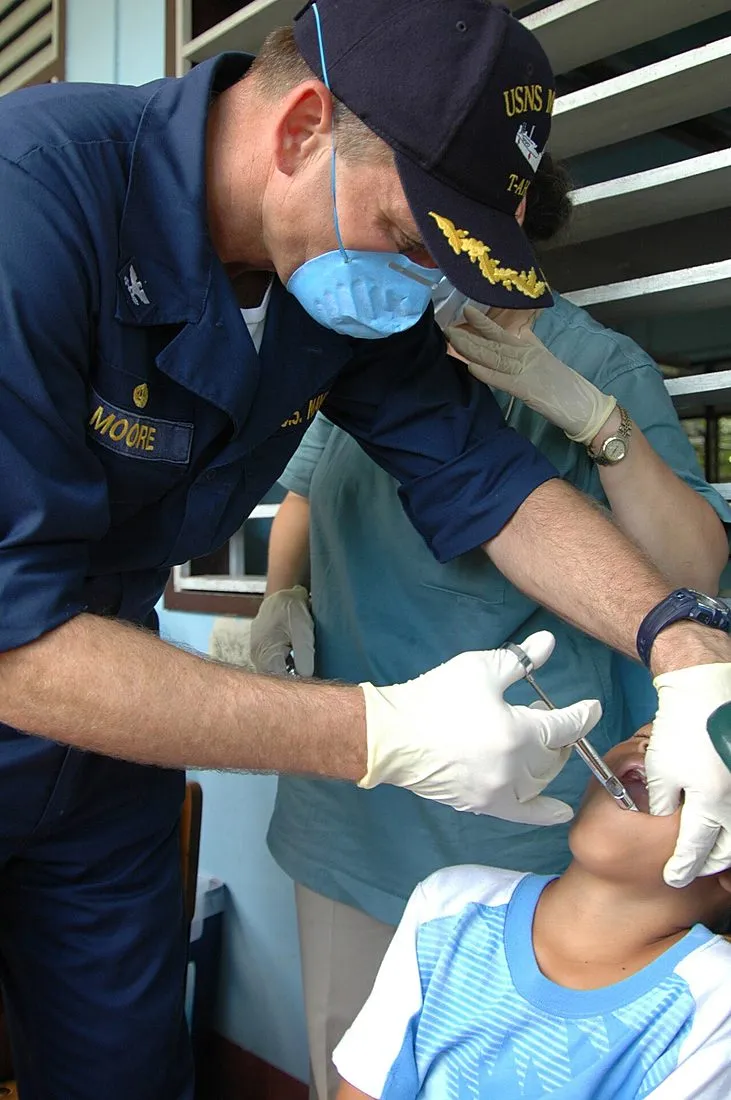
a child having an eye exam at a rural clinic
Pictured a child having an eye exam at a rural clinic · U.S. Navy photo by Journalist Seaman Joseph Caballero (Wikimedia Commons)

Getting there took a 2025 survey testing nearly 5,000 children across all 13 of the country's municipalities for the bacteria that causes the disease and finding no evidence of transmission, the capstone of work that began with house-to-house searches back in 2015. Laos got there in 2017, Nepal in 2018, Myanmar in 2020, India in 2024; now the whole region has closed the book on a disease strongly tied to poverty and lack of clean water.

08/08 Psychology

New research says menopause doesn't shrink the brain the way we thought

The standard story goes: estrogen drops, the brain changes, memory and focus suffer, and the organ that carried you through decades starts falling apart. A study published this week in Nature Communications, led by Sophie van 't Hof at Amsterdam UMC, tested that story properly for the first time by comparing brain scans across all three major female hormonal transitions, puberty, pregnancy, and menopause, in 1,095 people using the same method and stable control groups for each 103.

a woman in her fifties
Pictured a woman in her fifties · Ferdinand Reus (Wikimedia Commons)

Puberty and pregnancy both showed the expected drop in cortical gray matter. Menopause didn't. Women who transitioned from pre- to post-menopausal between scans showed no significant loss in brain volume, while women who stayed in either state the whole time kept losing volume at the normal aging rate, meaning the transition itself may have briefly slowed the decline rather than caused one.

Quick notes

Shorter discoveries from this morning, worth knowing but not a full story.

Athens Is Turning its Old Airport into One of Europe's Largest Parks A 400-acre park is rising on Athens's old airport site, engineered with 30,000 trees and computational fluid dynamics to run 7 degrees cooler than the pavement it replaces, in a city that once held Europe's heat record 193. Good News Network
Former Industrial Ground Goes from Dump to Diversity and Hosts 64% of UK's Black-Necked Grebes A wetland built from decades of canal dredging spoil now hosts 64 percent of all the UK's breeding black-necked grebes, up from four nesting pairs in 2023 to 35 by 2025, because conservationists gave the birds islands to share with protective gulls 196. Good News Network
How 'housing first' is helping people leave rough sleeping behind England is putting £442 million behind giving people permanent homes before asking anything of them, the approach that got Michael, who once slept on a London pavement without a sleeping bag, into his own flat and off the streets for good 197. Positive News
Feather Preserved in Dinosaur Dung Could Explain Why Birds Survived Mass Extinction A researcher scanning fish fossils in Montana found a half-golf-ball-sized nodule that turned out to be dinosaur droppings holding the best-preserved feather ever recovered from the age of dinosaurs, a clue to why one lineage of birds outlived the asteroid that killed the rest 194. Good News Network
Eating A Handful Of Nuts Per Day Reduces Blood Pressure Risk By 20% A meta-analysis found that a daily 28-gram handful of nuts, roughly what fits in your palm, cuts high blood pressure risk by 20 percent, no prescription or pricey weight-loss jab required 181. Plant Based News
'Keen bean' British shoppers are ditching fake meat for beans, according to recent data UK sales of ultra-processed fake meat dropped 4.3 percent this year while lentils jumped 23 percent and canned butter beans jumped 30.3 percent, proof that the plant-based shift didn't stall, it just got simpler 190. Vegan Food & Living
Canada's Yves Veggie Cuisine 'Back By Popular Demand' with Maple Leaf Foods Acquisition A 41-year-old Canadian plant-based brand that fans mourned when it was discontinued is back on shelves after Maple Leaf Foods bought the trademark, restoring recipes people had built family routines around 175. Green Queen
NASA's Roman Space Telescope will use gravity as a magnifying glass to find distant planets Roman, launched August 30, will hunt for exoplanets it can't even see directly, watching hundreds of millions of stars for the moment a foreground star's gravity briefly bends and brightens the light of one behind it 121. The Conversation
Google's Genome Atlas Predicts the Effect of Every Possible DNA Mutation DeepMind built a free, searchable atlas predicting what any of roughly nine billion possible DNA letter swaps might do, opening up the 98 percent of the genome once dismissed as junk to anyone with a browser 173. SingularityHub
The Mercator map has distorted Africa's size for 450 years. The UN just voted to replace it. A map from 1569 that makes Greenland look the same size as Africa, though Africa is actually 14 times larger, got a 164-country vote to switch the world's default to the more accurate Equal Earth projection 208. The Optimist Daily
MDMA-enhanced couples therapy shows promise for treating PTSD and relationship distress In a small trial, giving MDMA to just the veteran with PTSD, not their partner, alongside a brief joint therapy program still produced large gains in both trauma symptoms and relationship satisfaction for eight couples 84. PsyPost
All the Ways Reading for Pleasure is Good for Your Mental Health A review found kids who read for fun show better attention, memory, and sleep, and among 5,400 adults over 55, frequent readers had a meaningfully lower risk of cognitive decline over five years 234. Nautilus
Breakthrough: Scientists Just Teleported an Image Across 100 Quantum Channels at Once Physicists in China teleported a 100-pixel image across 100 simultaneous quantum channels at once, the largest number of parallel teleportation channels ever demonstrated, a real step toward quantum networks that can carry more than one whisper at a time 48. ScienceAlert

Our process. Your trust.

Every discovery above traces back to an article we read in full. This is the whole corpus behind this morning, and what it was made of.

  • 48 Sources scanned
  • 245 Articles read
  • 8 Fields covered
  • 8 Discoveries

The sources that carried this morning

  1. 1 Psychology Today: The Latest 20 articles
  2. 2 Ars Technica - All content 16 articles
  3. 3 Phys.org 14 articles
  4. 4 Latest Science News -- ScienceDaily 12 articles
  5. 5 STAT 12 articles
  6. 6 The Conversation Articles 12 articles
  7. 7 Nature 10 articles
  8. 8 Interesting Engineering 10 articles
How an edition is made

Everything we read today

Natural Sciences 58 articles
Knowable Magazine
Life Sciences & Medicine 18 articles
Psychology & Behavioral Science 30 articles
Greater Good
Social Sciences 19 articles
Technology & Innovation 49 articles
Plant-Based & Vegan 17 articles
Solutions & Good News 27 articles
Human Stories & Ideas 27 articles
The long view · not today’s news, the story behind it

Today’s discoveries didn’t come from nowhere. Here’s the older, ongoing story they belong to, a moment from this day in history, and a question to test what stuck.

Where the story stands

On this day in science

1835 Darwin reaches the Galapagos Islands HMS Beagle, with a young naturalist named Charles Darwin aboard, dropped anchor at the Galapagos Islands. The finches, tortoises, and mockingbirds he found there, each island with its own varieties, would nag at him for years and help him work out how species change over time. Modern biology grew from that visit. More from the Almanac →

Before you go: today’s quiz

The daily quiz

Who developed the first widely used polio vaccine, declared safe in 1955?

Reveal the answer

Jonas Salk

Jonas Salk's injected vaccine was declared safe and effective in 1955. He never patented it. Albert Sabin later developed the oral vaccine used in global eradication.

See the Lifesaver →

Previous editions

Every morning we have published, newest first. Nothing expires.

View the full archive

Get this every morning.

Liked today’s? Tomorrow’s reaches your inbox before breakfast.

  • One email each morning, never more
  • The day’s real discoveries across 8 fields
  • One calm read with your coffee

The full letter, every morning, free for good.

Same free letter, plus the reason it stays that way: no ads, no investors, no agenda but the good news itself.

A single gift of any amount. No account, never a recurring charge.