The daily brief · September 7, 2026

Lifestyle programs beat expectations, and beavers are rebuilding rivers

Today's discoveries share a quiet theme: patient, unglamorous work, whether it's a two-year coaching program, a beaver's dam, or a teenager's after-school lab hours, keeps paying off long after anyone was watching.

  • 7 Discoveries
  • 126 Articles read
  • 25 Sources
  • 9 Min read

Today’s discoveries

Everything this morning found, in the order we would read it.

7 stories
  1. 01 Natural Sci. A brain health program that beat expectations across 11 countries Researchers running the LatAm-FINGERS trial followed older adults at risk of dementia across 11 Latin American countries for two years, and the group that got structured coaching, rather… Source: ScienceDaily 1 min read
  2. 02 Good News A high schooler found fungi that eat sunscreen and microplastics Vera Wang, a senior at Kaiser High School in Honolulu, spent her sophomore year building an ocean filter out of coconut husks, inspired by traditional Polynesian weaving, that pulled… Source: Good News Network 1 min read
  3. 03 Good News How beavers brought Oregon's salmon back By the mid-1990s, decades without beavers, trapped nearly to extinction in the 1800s fur trade, had left Oregon's rivers running fast, shallow, and warm, and several salmon species had… Source: Reasons to be Cheerful 1 min read
  4. 04 Technology Europe finally has its own path to orbit Three students who met tinkering with rocket parts at a Technical University of Munich workshop just put the first fully commercial European launch vehicle into orbit. Source: Ars Technica 1 min read
  5. 05 Natural Sci. The James Webb telescope opened a treasure chest of newborn stars A new James Webb Space Telescope image of the aptly named Treasure Chest, a cloud of gas and dust in the Carina Nebula 7,500 light-years away, reveals about 70 newborn stars packed… Source: Live Science 1 min read
  6. 06 Natural Sci. A 1,800-year-old mosaic named someone's cat and dog Archaeologist Hüseyin Özgen and his team, excavating a Roman villa beneath the ancient city of Adramytteion on Turkey's Aegean coast, uncovered a floor mosaic measuring 16.4 by 11.8… Source: Live Science 1 min read
  7. 07 Plant-Based Whole beans are outselling processed vegan meat, and scientists just made them chewier ETH Zurich researchers borrowed a technique from kōri-tofu, a sponge-like Japanese tofu that's been made since the 16th century, to give whole lentils, beans, and peas a layered,… Source: Green Queen 1 min read

The feel-good story of the day

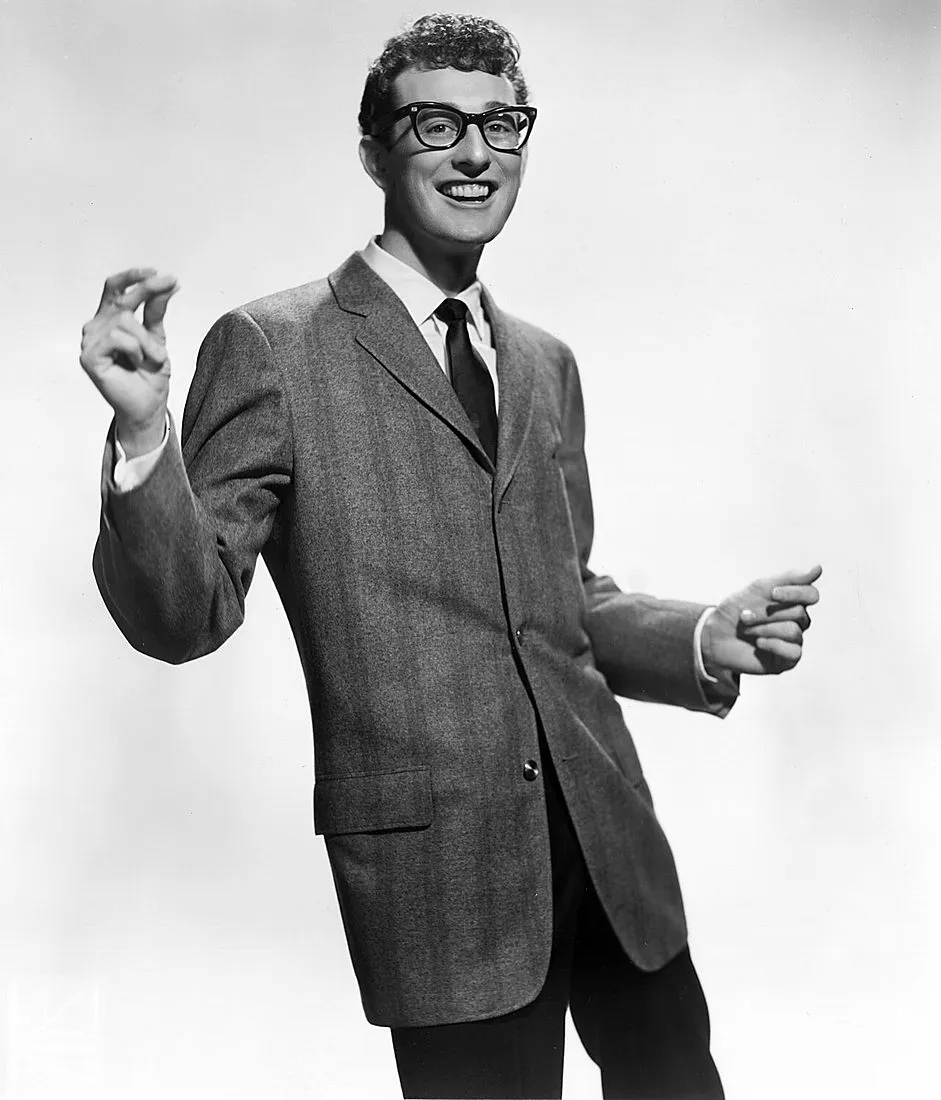
Buddy Holly Wikimedia Commons / Buddy Holly
Pictured Buddy Holly

The kid from Lubbock who taught the Beatles how to be a band

Ninety years ago today, Buddy Holly was born into a musical family in Lubbock, Texas. He had eighteen months between his first number-one song and his death at 22, and in that short window he did something almost nobody else in early rock and roll bothered to do: he wrote his own material, experimented with double-tracked vocals and orchestration, and settled on the two-guitars-bass-drums lineup that became the standard shape of a rock band.

Two teenagers in Liverpool were paying attention. John Lennon and Paul McCartney watched Holly on English television in 1958 and started studying his records, his phrasing, his songwriting. They borrowed their band's name from his: the Crickets became the Beatles.

Holly died in a plane crash in a snowstorm in February 1959, chartered because his tour bus had no heat. His glasses went missing in the wreckage and turned up, of all places, in a county courthouse storage room two decades later, after the spring melt. They were returned to his widow. It's a strange, small detail for a life that changed what a rock band could sound like, but that's often how the important things get found again: quietly, and later than anyone expected.

Today’s complete edition

The discoveries, in full

Read the evidence, what it changes, and the reporting behind each of today’s 7 discoveries.

01/07 Natural Sci.

A brain health program that beat expectations across 11 countries

Researchers running the LatAm-FINGERS trial followed older adults at risk of dementia across 11 Latin American countries for two years, and the group that got structured coaching, rather than just a pamphlet of health advice, improved their memory and thinking 55% more 4.

A brain health program that beat expectations across 11 countries
Unknown (via rawpixel)

The program, published in The Lancet, didn't just translate the earlier U.S. POINTER model into Spanish and Portuguese. Working groups in every country decided what had to stay fixed and what could flex: exercise became salsa and tango classes or outdoor group workouts in public parks, and the MIND diet swapped in avocado, quinoa, açaí, aguaymanto, chia, and pumpkin seeds, whatever was actually on hand locally 4. Lead author Lucia Crivelli, at Buenos Aires's Fleni institute, called it a program built to be "practical, affordable and feasible as a public health strategy" 4.

02/07 Good News

A high schooler found fungi that eat sunscreen and microplastics

Vera Wang, a senior at Kaiser High School in Honolulu, spent her sophomore year building an ocean filter out of coconut husks, inspired by traditional Polynesian weaving, that pulled sunscreen and microplastics out of surface water 112.

Today Got Better

Working in Anthony Amend's lab at the University of Hawai'i at Mānoa, she then went looking for what actually happens to the pollutants once they're caught, and found fungi living naturally in the coconut fiber that can biodegrade both sunscreen and plastic. Genetic testing on some of those fungal strains turned up no match in the world's largest gene database, meaning she may have found species nobody has named yet 112. She won first place in microbiology at the Hawai'i State Science & Engineering Fair and is headed to the international competition in Arizona next May.

03/07 Good News

How beavers brought Oregon's salmon back

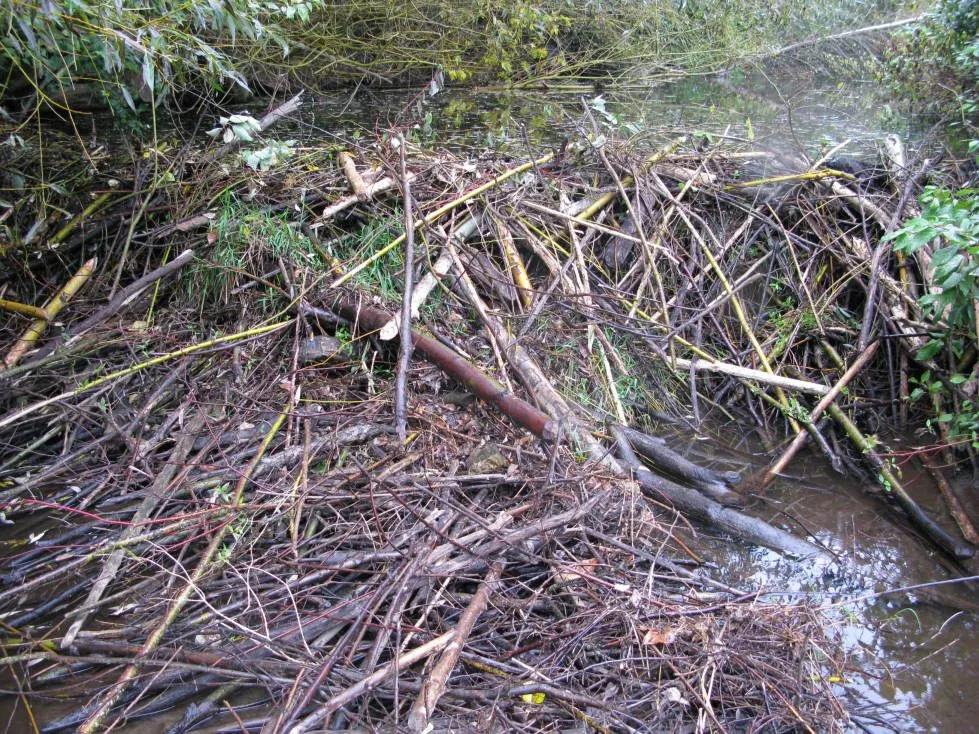
By the mid-1990s, decades without beavers, trapped nearly to extinction in the 1800s fur trade, had left Oregon's rivers running fast, shallow, and warm, and several salmon species had been listed as endangered 115.

a beaver building a dam in a wetland
Pictured a beaver building a dam in a wetland · ConservationKM (Wikimedia Commons)

Oregon State scientists eventually noticed something odd: stretches of river with beaver ponds were producing far more fish than stretches without. Beaver ponds and alcoves made up just 9% of the habitat in one study system but held 66% of the coho salmon found there, and in British Columbia, young coho that overwintered behind beaver dams survived at 60% or better, well above the regional average 115. The dams do exactly what an engineer might: they slow the water, cool it, and give young fish somewhere to hide.

04/07 Technology

Europe finally has its own path to orbit

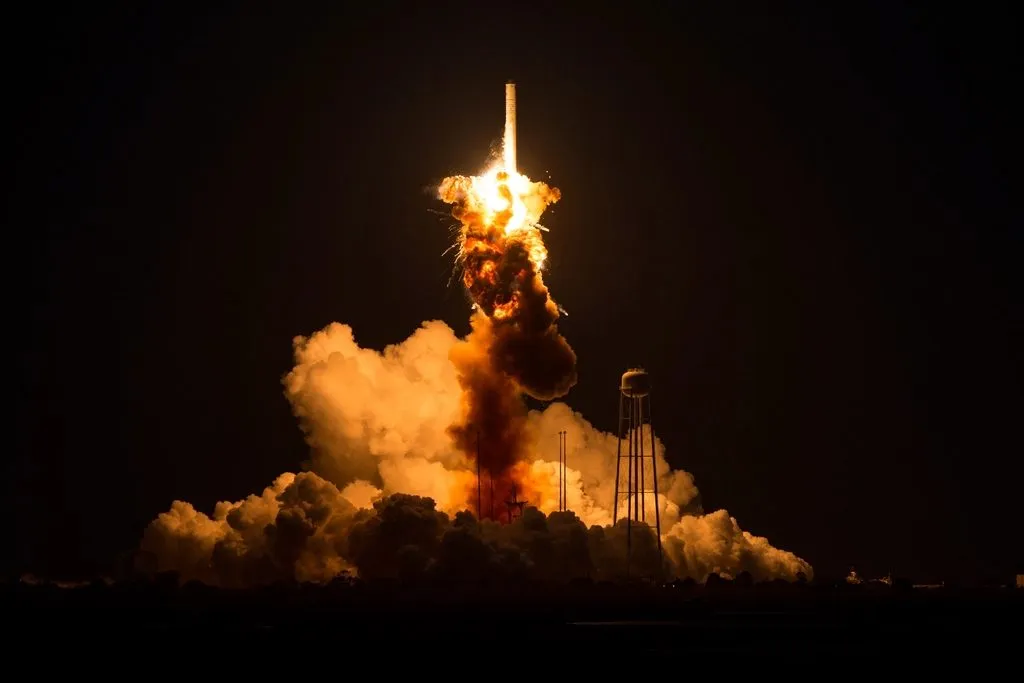
Three students who met tinkering with rocket parts at a Technical University of Munich workshop just put the first fully commercial European launch vehicle into orbit.

a rocket launching from a spaceport at dusk
Pictured a rocket launching from a spaceport at dusk · Unknown (via rawpixel)

Isar Aerospace's Spectrum rocket lifted off Saturday from Andøya Spaceport, inside the Arctic Circle in Norway, and reached orbit seven minutes later 74. Co-founder and CEO Daniel Metzler started the company in 2018, when he says people told him it would never work; it took eight years, roughly $1 billion raised across several funding rounds, and a workforce that's grown to nearly 500 74. "Europe now has sovereign access to space," Metzler said. "We have entered into a new chapter for European spaceflight."

05/07 Natural Sci.

The James Webb telescope opened a treasure chest of newborn stars

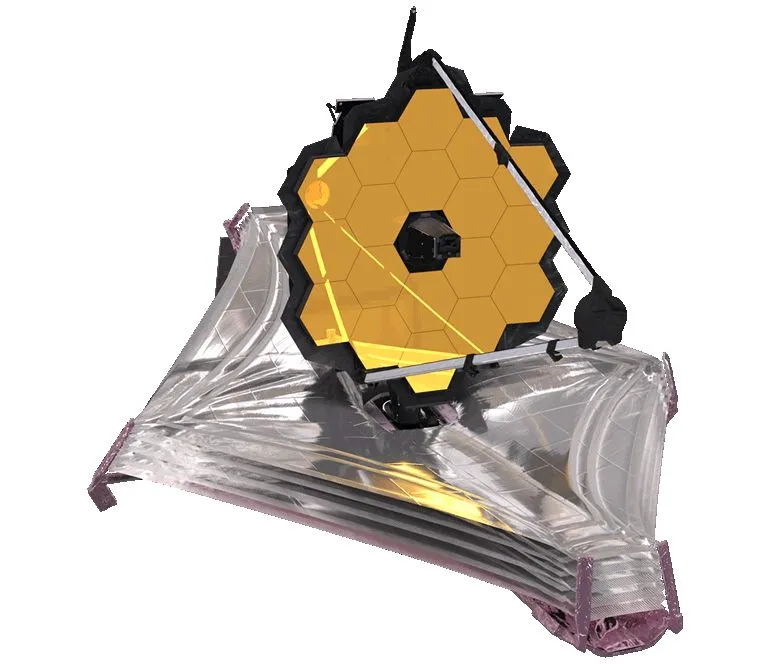
A new James Webb Space Telescope image of the aptly named Treasure Chest, a cloud of gas and dust in the Carina Nebula 7,500 light-years away, reveals about 70 newborn stars packed inside it, still wrapped in the dust they were born from 9.

James Webb Space Telescope
Pictured James Webb Space Telescope · Wikimedia Commons / James Webb Space Telescope

The most massive is a rare O-type star roughly 19 times the mass of the sun. Astronomers now estimate the cluster is about 1.3 million years old, a substantial revision from earlier guesses that it might be as young as 100,000 9. Nearby, the famously violent star Eta Carinae, about 100 times the sun's mass, is blasting the cloud's thinner gas away and slowly sculpting its shape.

06/07 Natural Sci.

A 1,800-year-old mosaic named someone's cat and dog

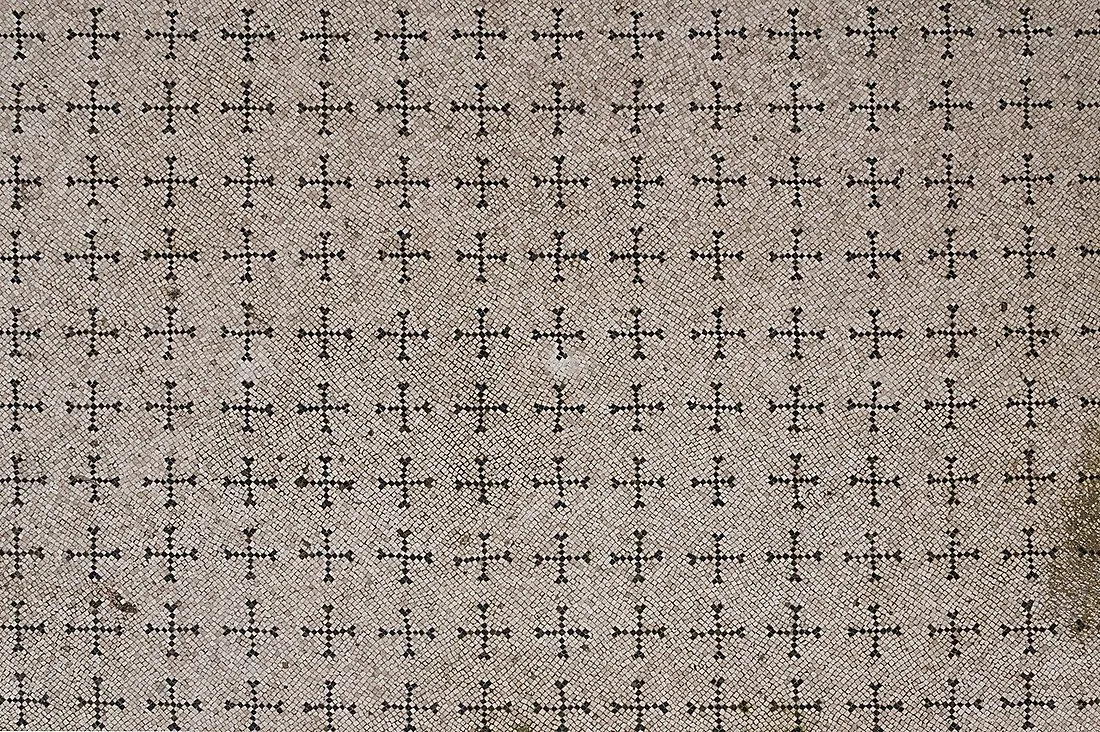
Archaeologist Hüseyin Özgen and his team, excavating a Roman villa beneath the ancient city of Adramytteion on Turkey's Aegean coast, uncovered a floor mosaic measuring 16.4 by 11.8 feet, built from fifteen panels in white, black, red, orange, yellow, pink, burgundy, blue, turquoise, and green tile 7.

an ancient Roman floor mosaic depicting a cat
Pictured an ancient Roman floor mosaic depicting a cat · Jebulon (Wikimedia Commons)

Most panels show birds, fish, and cats, with a gorgon and a winged horse worked in for good measure. But two of the animals are named: a pale cat, seated on a cushion, labeled in Greek letters as Zmaragdin, meaning Emerald, and a dog named Ocean. The villa dates to the late second or third century A.D., and Özgen suggests the cushion is the giveaway that Emerald was a pet, not a stray 7.

07/07 Plant-Based

Whole beans are outselling processed vegan meat, and scientists just made them chewier

ETH Zurich researchers borrowed a technique from kōri-tofu, a sponge-like Japanese tofu that's been made since the 16th century, to give whole lentils, beans, and peas a layered, muscle-like bite using nothing but the legume, water, and a freezer 100.

a bowl of cooked lentils and beans
Pictured a bowl of cooked lentils and beans · Alex Munsell (via stocksnap)

Freezing the gelled purée from one side pushes ice crystals to grow in parallel, squeezing the gel into thin fibrous layers that survive thawing; doctoral researcher Andrea Bach says the method works on legume species covering 96% of global production and is "simple that it can be performed easily by anyone in a household kitchen" 100. Meanwhile in the UK, shoppers appear to be arriving at the same idea from the grocery aisle: unit sales of beans, pulses, tofu, and tempeh grew 7.3% in the first half of 2026 while conventional vegan meat alternatives kept sliding, down 4.3% in units, with tempeh sales up 71.5% 101.

Quick notes

Shorter discoveries from this morning, worth knowing but not a full story.

Statins Linked to Lower Dementia Risk in Massive Type 2 Diabetes Study Danish researchers tracked 132,585 people with type 2 diabetes and found those started on statins within a year of diagnosis had 15% lower relative dementia risk a decade later, and the earlier they started, the better 18. ScienceAlert
'Extreme' transistor can withstand heat of 1000-plus F Japanese engineers built a silicon carbide transistor that survives 1,110°F, well past what any Venus lander has managed; the current record-holder, a Soviet probe, lasted two hours and seven minutes before the heat won 8. Live Science
Extreme pressure turns blue pigment into record-long single-atom copper chains Scientists squeezed ordinary blue pigment crystals under 200,000 times atmospheric pressure and pulled out a single-atom-wide copper wire over 4,000 atoms long, more than a hundred times longer than any single-atom chain made before 12. Phys.org
The psychological effects of padel and pickleball, according to science A review of 14 studies found pickleball players reported greater happiness, life satisfaction, and lower depression, with the social side of the game mattering most for women during the isolation of lockdown 28. PsyPost
Scientists discover previously unknown brainwave chains that organize memory during REM sleep Rats learning a maze showed the prefrontal cortex firing off rapid chains of electrical waves during dreaming sleep, not just deep sleep, suggesting the brain is still actively sorting memories while we dream 35. PsyPost
Astronomers Create Gallery of 16 'Cosmic Gems' to Show Variety of Shapes a Galaxy Can Be NASA combined decades of Chandra X-ray data with Webb and Hubble images into 16 portraits of distant galaxies, a reminder that our own Milky Way is just one shape among many the universe tried 113. Good News Network
Stuck in Debt, Single Mom Pays Off $25K in 5 Months by Decluttering 410 Items A UK single mom sold 410 household items on Vinted and eBay and put stock investments toward the rest, paying back $26K of debt in five months and documenting the whole thing on TikTok for anyone else stuck in the same spiral 114. Good News Network
Inside Ananda, A Quaint Hillside Sanctuary for India's Elderly Street Dogs A 0.9-acre shelter in the Sahyadri Hills gives aging street dogs, the ones too old and overlooked for most rescues, a swimming pool, an on-call ambulance, and enough gentle care that a dog named Leela arrived terrified and hairless and is now, staff say, "almost like a young pup again" 117. The Better India
Looks Like a Fluffy House Cat, Lives at 5,000 Metres: Meet India's Elusive Pallas's Cat Camera traps in the high Himalaya have now photographed the small, permanently unimpressed-looking Pallas's cat in Sikkim, Uttarakhand, Himachal Pradesh, and Arunachal Pradesh for the first time in each state, quietly filling in a map of a species almost nobody sees 122. The Better India
Mumbai Moms Use Lemon & Orange Peels to Make Cleaning Liquid Now Used by 200 Families Two mothers fermenting citrus peels, jaggery, and water on a Mumbai terrace built a bioenzyme cleaning brand that's since diverted more than 1,500 kg of citrus waste from landfill 116. The Better India
500+ Tonnes of Waste Removed: How These Volunteers Clean Himachal's Himalayan Trails Trekkers and pilgrims in Himachal Pradesh are now hauling their own trash, and each other's, off sacred high-altitude routes, on the theory that people who walk a trail protect it more than any outside rule ever could 118. The Better India
24 Hours in a Village Where No One Cooks In Chandanki, Gujarat, where most residents are over 60 and their children live abroad, neighbors have built an informal system of shared meals and emergency care that's convincing some retired NRIs to move back home 120. The Better India
First-of-its-kind US magnet recycling plant soon to be built A new Missouri plant will pull rare earth elements like neodymium and dysprosium out of old magnets at above 99.5% purity, using a process already proven at a demonstration plant in Belfast 90. Interesting Engineering
'Honeycomb sandwich' may make for fully recyclable airplane cabins Swiss researchers built an epoxy composite with a phosphorus additive that lets it soften apart on command, meaning the aramid honeycomb and carbon fiber inside an airplane cabin panel, normally locked together forever, could actually be recycled 98. New Atlas

Our process. Your trust.

Every discovery above traces back to an article we read in full. This is the whole corpus behind this morning, and what it was made of.

  • 25 Sources scanned
  • 126 Articles read
  • 8 Fields covered
  • 7 Discoveries

The sources that carried this morning

  1. 1 National Bureau of Economic Research Working Papers 20 articles
  2. 2 Psychology Today: The Latest 11 articles
  3. 3 PsyPost Psychology News 10 articles
  4. 4 Interesting Engineering 10 articles
  5. 5 Futurism 8 articles
  6. 6 ScienceAlert 7 articles
  7. 7 VegNews.com 7 articles
  8. 8 The Better India : Latest Posts 7 articles
How an edition is made

Everything we read today

Natural Sciences 24 articles
Life Sciences & Medicine 1 articles
Psychology & Behavioral Science 21 articles
Social Sciences 27 articles
National Bureau of Economic Research Working Papers
Technology & Innovation 26 articles
Plant-Based & Vegan 11 articles
Solutions & Good News 12 articles
Human Stories & Ideas 4 articles
The long view · not today’s news, the story behind it

Today’s discoveries didn’t come from nowhere. Here’s the older, ongoing story they belong to, a moment from this day in history, and a question to test what stuck.

Where the story stands

On this day in science

1927 The first all-electronic television image A 21-year-old inventor named Philo Farnsworth transmitted the first television picture made entirely with electronics, a simple straight line, in his San Francisco lab. Earlier TV had used spinning mechanical disks. Farnsworth's electronic approach is the one every television since has been built on. More from the Almanac →

Before you go: today’s quiz

The daily quiz

Which of these is estimated to have saved the most human lives?

Reveal the answer

Vaccines

A 2024 study summarised by the WHO credited immunization with about 154 million lives over 50 years, more than any other single intervention measured.

See the Lifesaver →

Previous editions

Every morning we have published, newest first. Nothing expires.

View the full archive

Get this every morning.

Liked today’s? Wake up to tomorrow’s, in one short letter.

  • One email each morning, never more
  • The day’s real discoveries across 8 fields
  • One calm read with your coffee

The full letter, every morning, free for good.

Same free letter, plus the reason it stays that way: no ads, no investors, no agenda but the good news itself.

A single gift of any amount. No account, never a recurring charge.