



The daily brief · September 6, 2026

An 80,000-year-old arrow tip and a genetic map that finally sees everyone

Today's discoveries share a quiet correction of an old blind spot, whether it's who counts in the story of human migration, whose DNA counts in a risk score, or who benefits when a community decides an animal or a stranger is worth the trouble.

  • 7 Discoveries
  • 128 Articles read
  • 26 Sources
  • 10 Min read

Today’s discoveries

Everything this morning found, in the order we would read it.

7 stories
  1. 01 Natural Sci. The tiny stone points that could move human history out of Europe At the Obi-Rakhmat site in Uzbekistan, archaeologists have identified tiny triangular stone points, sized like small arrowheads, in occupation layers dating back 80,000 years. Source: ScienceDaily/The Conversation 1 min read
  2. 02 Psychology A genetic risk score that finally works for everyone, not just Europeans Alzheimer's polygenic risk scores, tools that add up thousands of tiny genetic effects to estimate a person's inherited risk, have for years been built almost entirely from European… Source: PsyPost 1 min read
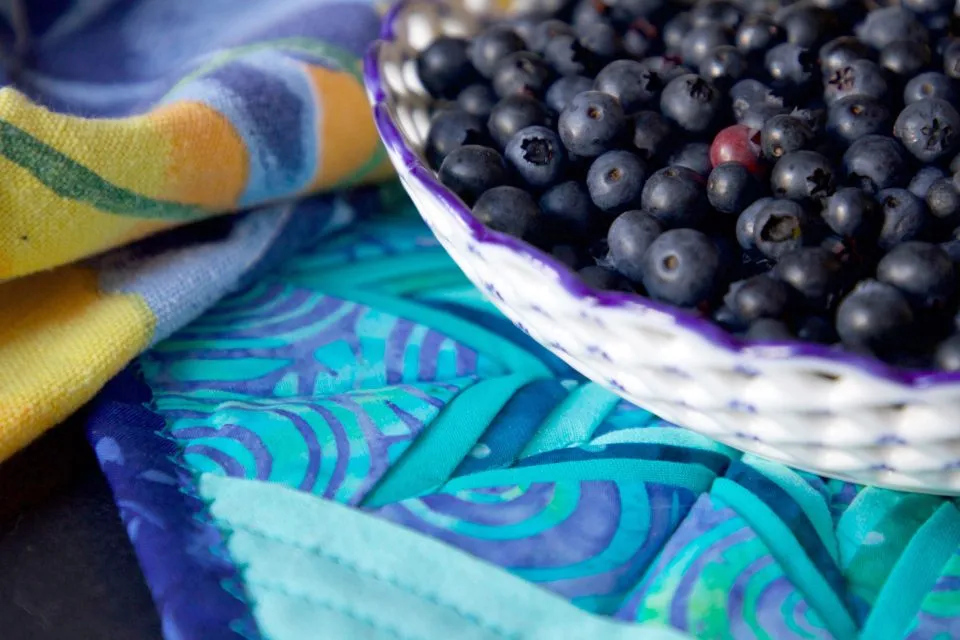
  3. 03 Natural Sci. The blueberry compound that helps tired muscle burn its own fat Fat that builds up inside muscle, rather than just under the skin, gets in the way of how efficiently your body uses glucose and can nudge you toward insulin resistance over time. Source: ScienceDaily 1 min read
  4. 04 Natural Sci. Robots ran faster than Usain Bolt, jumped higher than any human, and the games revealed exactly how far they still have to go Beijing's National Speed Skating Oval hosted 2,056 robots from 666 teams across 16 countries for five days of competition, and the results were startling: a robot called Tiangong Ultra… Source: Live Science 1 min read
  5. 05 Natural Sci. A soft belt that actually helps with lower back pain In the French LOMBACT trial, 168 adults with one to six months of unexplained lower back pain across 17 medical centers were split into two groups: one added a soft, adjustable lumbar… Source: ScienceAlert 1 min read
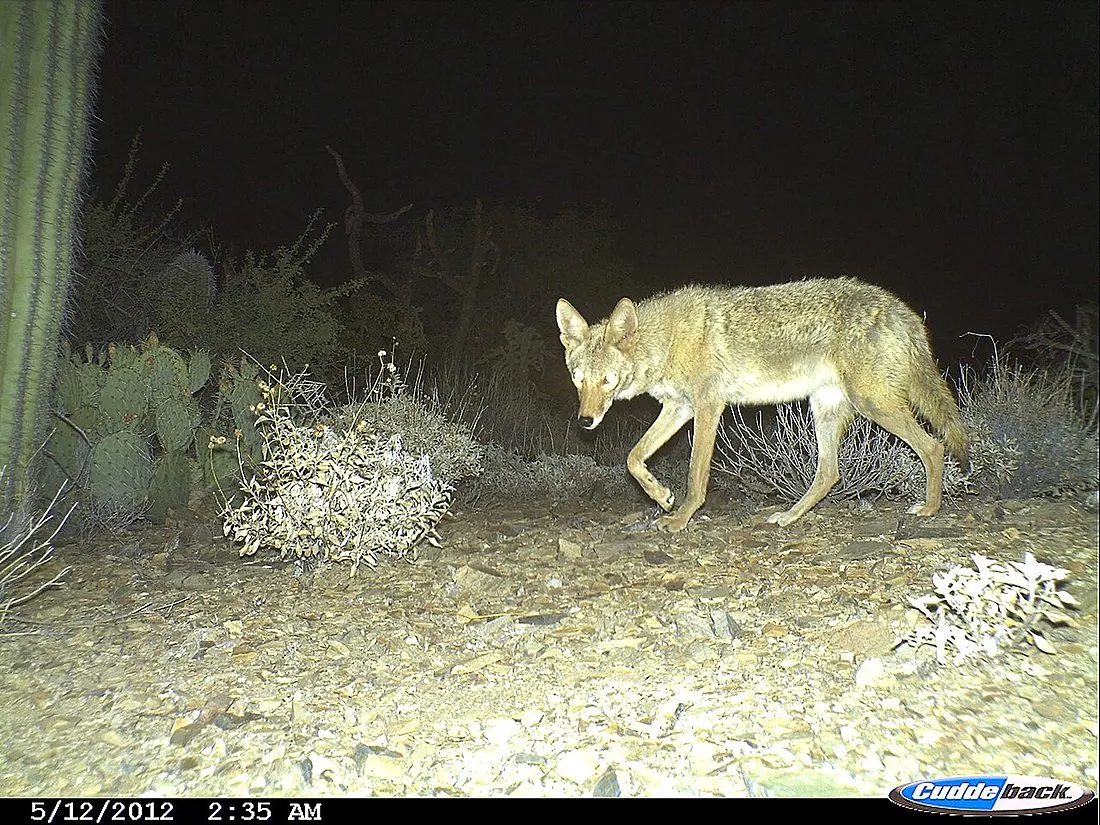
  6. 06 Good News The neighborhood that refused to let a sick coyote disappear For nearly a year, a coyote with a badly swollen face wandered a Studio City, California neighborhood, and instead of looking away, people started looking out for her. Source: Sunny Skyz 1 min read
  7. 07 Good News The five-year quest for a two-minute fix to fruit and vegetable pesticides National testing has found pesticide residue in one in five fruit samples, and plain water doesn't reliably strip it away. Source: The Better India 1 min read

The feel-good story of the day

a friendly golden retriever with puppies Unknown (via rawpixel)
Pictured a friendly golden retriever with puppies

A dozen puppies, one very full house, and a birthday nobody saw coming

Last August, Rhian was dog-sitting her brother Meirion's pregnant golden Labrador, Tilly, while he was on holiday. Vets predicted six or seven puppies and said labor wasn't imminent. Fifteen hours later, Rhian, her husband, and their two kids had delivered a staggering twelve 103.

"We completely lost count of how many puppies were arriving," Rhian said. Most of the litter stayed nearby with family and friends, Rhian kept the smallest female, and Meirion adopted one of the boys. The families set up a group chat just to get through the puppy stage together, and it never stopped being useful.

A year later, all twelve grown pups reunited with parents Tilly and Lolo for a proper birthday party, party hats and dog-friendly cake included. "It has turned into a real extended family," Meirion said. "Our house is constantly full of dogs now, as we pet-sit for the other owners, it's like running a dog hotel." One chaotic, panicked night turned into a permanent, joyful web of families who now belong to each other.

Today’s complete edition

The discoveries, in full

Read the evidence, what it changes, and the reporting behind each of today’s 7 discoveries.

01/07 Natural Sci.

The tiny stone points that could move human history out of Europe

At the Obi-Rakhmat site in Uzbekistan, archaeologists have identified tiny triangular stone points, sized like small arrowheads, in occupation layers dating back 80,000 years 4.
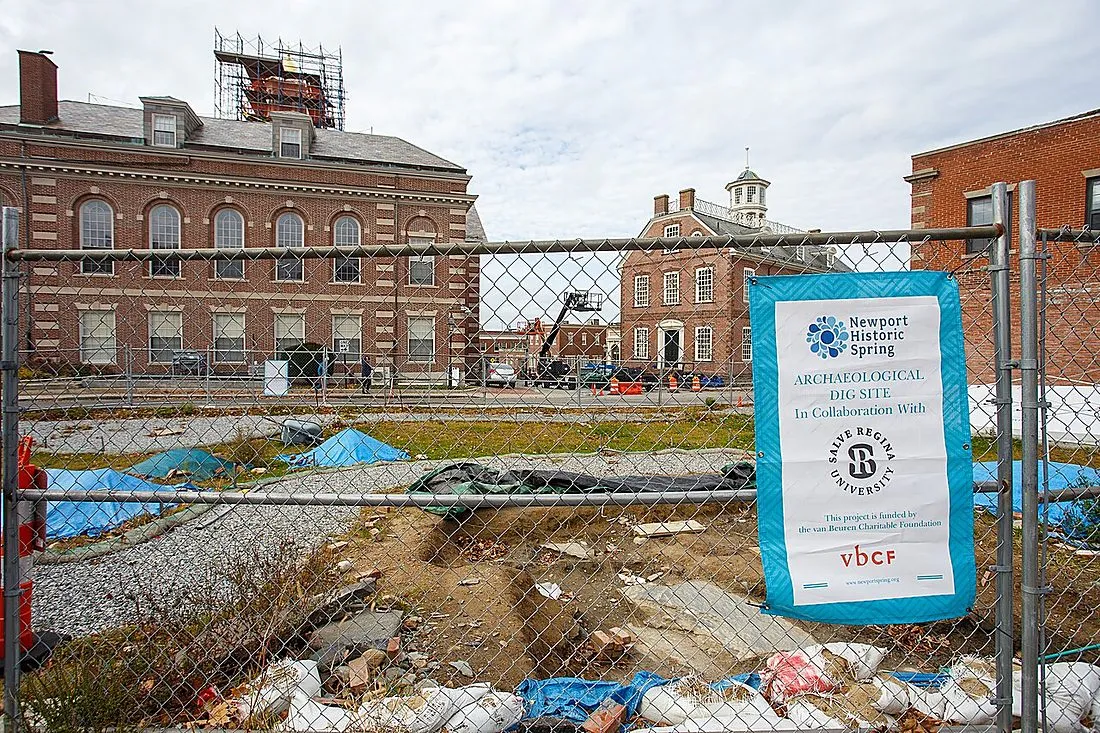
an archaeological dig site with stone tools
Pictured an archaeological dig site with stone tools · Kenneth C. Zirkel (Wikimedia Commons)

What makes them remarkable isn't just their age. Their size, shape, and the damage patterns from impact closely match weapons made by Homo sapiens 25,000 years later during an incursion into Neanderthal territory in France's Rhône Valley. For a century and a half, the story of how modern humans reached Europe was written mostly from Western European sites, but Homo sapiens reached Australia some 65,000 years ago, well before the earliest confirmed European settlements, and the route through Western Eurasia has never quite added up. These points suggest Central Asia may have served as a corridor, or even a source, for the projectile technology that shows up later in France, pushing the story of sophisticated weapon-making back further and further from the continent that long claimed to have invented it 4.

02/07 Psychology

A genetic risk score that finally works for everyone, not just Europeans

Alzheimer's polygenic risk scores, tools that add up thousands of tiny genetic effects to estimate a person's inherited risk, have for years been built almost entirely from European genetic data, and a 2016 study already showed those scores lose accuracy for anyone else.

a genetics laboratory researcher
Pictured a genetics laboratory researcher · U.S. Department of Energy (via rawpixel)

Researchers at UC San Francisco, led by Meri Okorie and Shea J. Andrews, pulled genetic data from hundreds of thousands of people of European, African, Admixed American, East Asian, and Caribbean Hispanic descent and built three versions of a risk score: one from European data alone, one that simply pooled every group together, and a more sophisticated multi-ancestry blend 41. The cross-ancestry approach didn't just predict who gets diagnosed with Alzheimer's more accurately across every group tested, it also tracked the underlying physical brain damage the disease causes, in a genuinely diverse group of older adults 41.

03/07 Natural Sci.

The blueberry compound that helps tired muscle burn its own fat

Fat that builds up inside muscle, rather than just under the skin, gets in the way of how efficiently your body uses glucose and can nudge you toward insulin resistance over time.

a bowl of fresh blueberries
Pictured a bowl of fresh blueberries · Travel Photographer (via stocksnap)

A team at Japan's Shinshu University, led by Takakazu Mitani, screened food-derived compounds looking for something that could help, and landed on pterostilbene, a polyphenol naturally found in blueberries and grapes 5. In cultured mouse muscle cells, it stabilized a protein called PPARδ, the master switch that tells muscle to burn fat rather than store it, and measurably reduced the abnormal fat buildup. "We currently lack approved treatments specifically targeting myosteatosis," Mitani said, which is exactly the gap his team went looking to fill 5.

04/07 Natural Sci.

Robots ran faster than Usain Bolt, jumped higher than any human, and the games revealed exactly how far they still have to go

Beijing's National Speed Skating Oval hosted 2,056 robots from 666 teams across 16 countries for five days of competition, and the results were startling: a robot called Tiangong Ultra ran the 100 meters in 8.64 seconds, nearly a full second faster than Usain Bolt's 9.58-second world record, then blitzed the 400 meters in 38.15 seconds, almost 5 seconds under the human mark, then took the 1,500 meters in 2 minutes 21.6 seconds, more than a minute inside the human world record 9.

a humanoid robot on a race track
Pictured a humanoid robot on a race track · Alex Knight (via stocksnap)

A separate robot from X-Humanoid cleared 2.88 meters in a standing high jump, over a meter better than the best robot mark from just last year's inaugural games. These were robot-specific conditions, not a replacement for human records, and the games also included warehouse logistics, factory assembly, and charging tasks precisely because raw speed on a track is the easy part 9.

05/07 Natural Sci.

A soft belt that actually helps with lower back pain

In the French LOMBACT trial, 168 adults with one to six months of unexplained lower back pain across 17 medical centers were split into two groups: one added a soft, adjustable lumbar belt worn 4 to 8 hours a day to their usual care, the other stuck with usual care alone 33.

A soft belt that actually helps with lower back pain
Unknown (via rawpixel)

Both groups improved, but the belt group improved more: about 6 in 10 belt-wearers reported at least a 30 percent reduction in how much pain limited their daily life, compared with roughly 4 in 10 in the comparison group. Around half of belt users needed pain medication during the 12-week trial, versus roughly two-thirds of the other group. "A belt may help some patients stay active by reducing discomfort during movement and providing a subjective feeling of support or reassurance," rheumatologist Laurent Grange told ScienceAlert 33.

06/07 Good News

The neighborhood that refused to let a sick coyote disappear

For nearly a year, a coyote with a badly swollen face wandered a Studio City, California neighborhood, and instead of looking away, people started looking out for her.

a coyote in a suburban neighborhood
Pictured a coyote in a suburban neighborhood · NPS Photo (Wikimedia Commons)

They named her Wendy. A newspaper delivery boy texted photos to rescuer Barbara Perrin and left food and water. When Perrin posted about Wendy online, Wildlife Care of Southern California and Southern California Pitbull Rescue joined in, setting up cameras to track her movements across weeks of effort 107. This week, Wendy was finally caught and is now on antibiotics and medicine, with a comfortable place to rest while the cause of her swelling, possibly a car strike, possibly infection, gets sorted out. Neighbors have since donated thousands of dollars toward her care.

07/07 Good News

The five-year quest for a two-minute fix to fruit and vegetable pesticides

National testing has found pesticide residue in one in five fruit samples, and plain water doesn't reliably strip it away. Pune-based scientist Dr.

fresh fruit and vegetables being washed
Pictured fresh fruit and vegetables being washed · Unknown (via rawpixel)

Asmita Prabhune spent five years working through formulation trials to build Sophab, a produce-wash made from natural salts and herbal oils that the team says removes up to 99 percent of pesticide residue in about two minutes of soaking 108. A 100 ml bottle costs 85 rupees, roughly a dollar. "I didn't want to make a profit. I wanted to help people," Prabhune said. She's now developing a wipe version for food eaten on the go.

Quick notes

Shorter discoveries from this morning, worth knowing but not a full story.

Massive review confirms the connection between emotional intelligence and human flourishing A second-order meta-analysis pooling 62 previous meta-analyses and over a million participants found emotional intelligence reliably predicts wellbeing across school, work, and health 38. Decades of debate, and the core idea holds up. PsyPost
Semaglutide might reduce how much people with alcohol use disorder drink when they do drink In a controlled trial, semaglutide cut heavy drinking days, drinks per drinking day, and alcohol-related negative consequences for people with moderate to severe alcohol use disorder 37. It didn't work on every measure, but it moved several that matter. PsyPost
Study Reveals That Social Support Could Make Eating Less Meat Easier Researchers following Meat Free Monday participants found people who didn't live with meat-eaters, and who stayed engaged with the campaign longer, kept up far more meat-free days 93. Turns out cutting back is a team sport. Plant Based News
Dark Chocolate May Lower Your Diabetes Risk, According to Research A Harvard study of 192,000 people found five servings of dark chocolate a week was linked to a 21 percent lower risk of type 2 diabetes, while milk chocolate showed the opposite pattern 94. Sorry, milk chocolate. VegNews
Only Cats Are Linked to Worse Mental Health in Young Kids, Study Finds A Spanish study of nearly 1,900 mother-child pairs found rabbits, reptiles, and amphibians were linked to better childhood mental health outcomes, while cats stood out as the one exception 31. Dogs, notably, were fine. ScienceAlert
Red Sea Coral Dying From Heat Stress is Being Revived With Probiotics During a real marine heatwave with water hitting nearly 90°F, scientists applied live probiotic and inactivated "post-biotic" treatments to stressed coral in the open sea for the first time, and both measurably improved coral health 102. Good News Network
New Gym in Paris Helps Homeless Folks Improve Their Health And Habits A Finnish company installed an outdoor gym at a Paris homeless shelter; a month later, 80 percent of residents reported improved physical health and 90 percent said it helped them connect with other people 101. Good News Network
Some disagreement makes groups more trustworthy, mathematical framework finds A mathematical model out of Toulouse and Leeds found that when a group is too unanimous, it's sometimes a sign of conformity bias rather than real expertise, and a bit of dissent can actually predict a more accurate decision 17. Phys.org
Fermat's last theorem formalised by AI agents in just 11 days Anthropic's Claude worked continuously for 11 days to fully formalize Andrew Wiles' famous 1995 proof in the verification language Lean, checking the entire chain of logic by machine down to the bare axioms of mathematics 13. New Scientist
Mathematicians say these 60-sided dice are the fairest in the world It took mathematician Eric Harshbarger fifteen years to solve the "go first dice" problem: a set of five 60-sided dice, numbered 1 through 300 with no repeats, that gives any subgroup of players a perfectly equal shot at going first 8. Live Science
Excavation in Poland reveals Stone Age man buried with decapitated heads and a tooth necklace Archaeologists near Wrocław found a 2900 BC grave holding a necklace of 42 mammal teeth, each precisely drilled through the root, alongside amber beads and a battle ax, likely belonging to a hunter or clan leader 10. Live Science
5 Indian Rice Varieties That Can Take on Extreme Rainfall Farmers preserving indigenous Indian rice varieties, including deepwater rice that elongates its own stem to keep leaves above rising floodwater, are giving climate-stressed agriculture a toolkit built from generations of local knowledge 109. The Better India
At 17, This Bengaluru Teen Is Helping Children Speak English Without Fear Roshni Gupta noticed kids who knew the right answers but stayed silent from fear of speaking English, so she built Project Vidya, which has since spread from Bengaluru to India, the UAE, Rwanda, Kenya, and Lesotho 113. The Better India
Not Married, Living Together? Legal Experts Explain Your Rights In India After a Delhi couple's family threatened them over their unmarried relationship, the Delhi High Court ruled that consenting adults have an "unfettered right" to choose a partner, ordering police to protect them wherever they moved 110. The Better India

Our process. Your trust.

Every discovery above traces back to an article we read in full. This is the whole corpus behind this morning, and what it was made of.

  • 26 Sources scanned
  • 128 Articles read
  • 8 Fields covered
  • 7 Discoveries

The sources that carried this morning

  1. 1 Phys.org 13 articles
  2. 2 Psychology Today: The Latest 12 articles
  3. 3 PsyPost Psychology News 11 articles
  4. 4 Interesting Engineering 10 articles
  5. 5 Upworthy 10 articles
  6. 6 ScienceAlert 8 articles
  7. 7 Futurism 8 articles
  8. 8 Latest Science News -- ScienceDaily 7 articles
How an edition is made

Everything we read today

Natural Sciences 35 articles
Life Sciences & Medicine 1 articles
Psychology & Behavioral Science 23 articles
Social Sciences 5 articles
Technology & Innovation 25 articles
Plant-Based & Vegan 10 articles
Solutions & Good News 24 articles
Human Stories & Ideas 5 articles
The long view · not today’s news, the story behind it

Today’s discoveries didn’t come from nowhere. Here’s the older, ongoing story they belong to, a moment from this day in history, and a question to test what stuck.

Where the story stands

On this day in science

1522 The first voyage around the world is completed The battered little ship Victoria limped back into a Spanish port, the only one of five vessels to finish the first voyage all the way around the world, three years after setting out. Only a handful of the crew who left were still alive to see home. They had proved, by sailing it, that the seas are one connected ocean wrapping a round planet. More from the Almanac →

Before you go: today’s quiz

The daily quiz

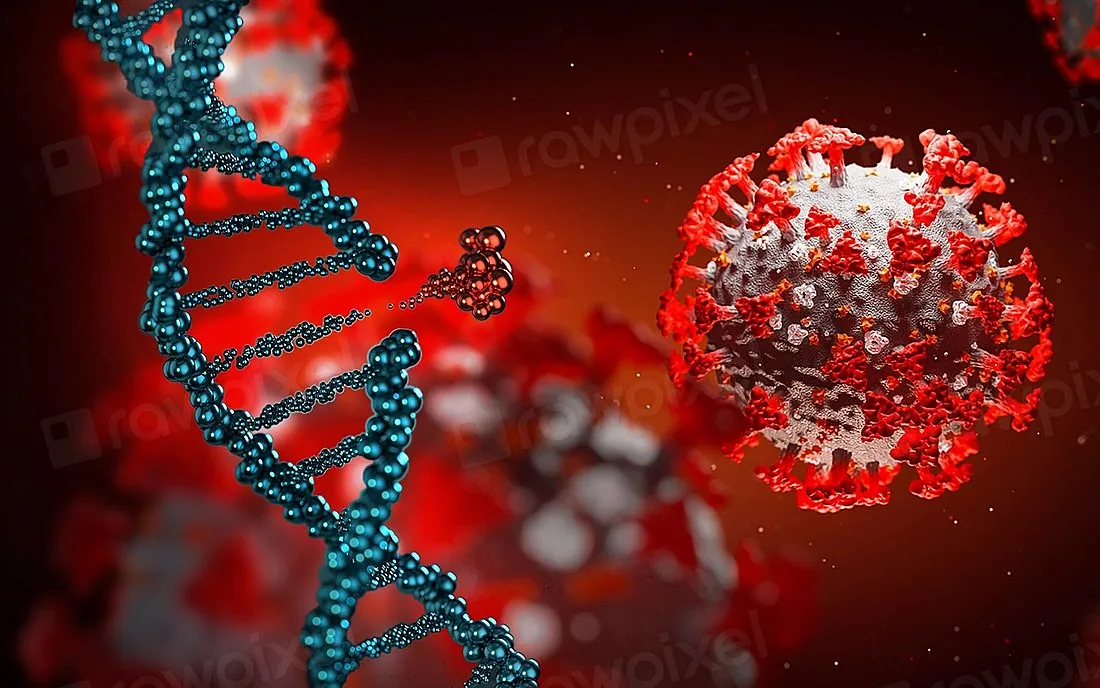
Pamela Bjorkman's Caltech lab built a nanoparticle vaccine, “mosaic-8,” studded with pieces of how many different SARS-like viruses?

Reveal the answer

Eight

The mosaic-8 nanoparticle carries fragments of eight different SARS-like viruses at once, and in animals it raised antibodies that neutralized coronaviruses it had never been shown, the aim of a pan-sarbecovirus shot.

Follow the tracker →

Previous editions

Every morning we have published, newest first. Nothing expires.

View the full archive

Get this every morning.

Liked today’s? Wake up to tomorrow’s, in one short letter.

  • One email each morning, never more
  • The day’s real discoveries across 8 fields
  • One calm read with your coffee

The full letter, every morning, free for good.

Same free letter, plus the reason it stays that way: no ads, no investors, no agenda but the good news itself.

A single gift of any amount. No account, never a recurring charge.