

The daily brief · August 30, 2026

The brain quietly rebuilds itself, and dogs age a lot like us

Today's theme is repair: bodies, brains, and communities all finding quiet ways to fix what's broken.

  • 8 Discoveries
  • 117 Articles read
  • 23 Sources
  • 10 Min read

Today’s discoveries

Everything this morning found, in the order we would read it.

8 stories
  1. 01 Natural Sci. Australia's red rock may be sitting on a giant clean-energy reserve Edith Cowan University researchers found that magnetite, the iron-rich mineral packed into Western Australia's huge Pilbara ore deposits, releases hydrogen gas when it reacts with hot… Source: ScienceDaily 1 min read
  2. 02 Natural Sci. Dogs may hold clues to human aging The Dog Aging Project, a long-running community-science effort that follows thousands of pet dogs through their lives, analyzed blood metabolites, the small molecules cells produce… Source: ScienceDaily 1 min read
  3. 03 Life Sciences Scientists caught the brain quietly rebuilding itself after injury Using two-photon microscopy to watch living mouse brains in real time, University of Zurich researchers found astrocytes, the star-shaped cells that feed and steady neurons, doing… Source: Neuroscience News 1 min read
  4. 04 Life Sciences A "youth protein" woke up aging brains' immune cells Mount Sinai researchers zeroed in on TIMP2, a protein already tied to youthfulness in earlier aging studies, and found it keeps microglia, the brain's resident cleanup crew, doing their job. Source: Neuroscience News 1 min read
  5. 05 Life Sciences Growing older doesn't dim your vocabulary, and now we know why MIT and Boston University researchers scanned the brains of adults aged 17 to 80 during language tasks and separate memory tasks, chasing a pattern doctors have long noticed: people lose… Source: Neuroscience News 1 min read
  6. 06 Technology An AI tool helped surgeons save a man's eyesight during brain surgery At London's National Hospital for Neurology and Neurosurgery, surgeons removed a large tumor from 48-year-old Rhys Hibbert's pituitary gland, a structure wedged right next to the… Source: Futurism 1 min read
  7. 07 Psychology Singing is helping stroke and dementia patients find their voice again For almost two decades, the University of Auckland's Centre for Brain Research has run the CeleBRation Choir for stroke survivors and people with Parkinson's disease or dementia, and new… Source: PsyPost 1 min read
  8. 08 Good News A teenager who lost his mother now paints free portraits for grieving families Hugh Saetia was six when his mother died of gastrointestinal cancer. Source: Nice News 1 min read

The feel-good story of the day

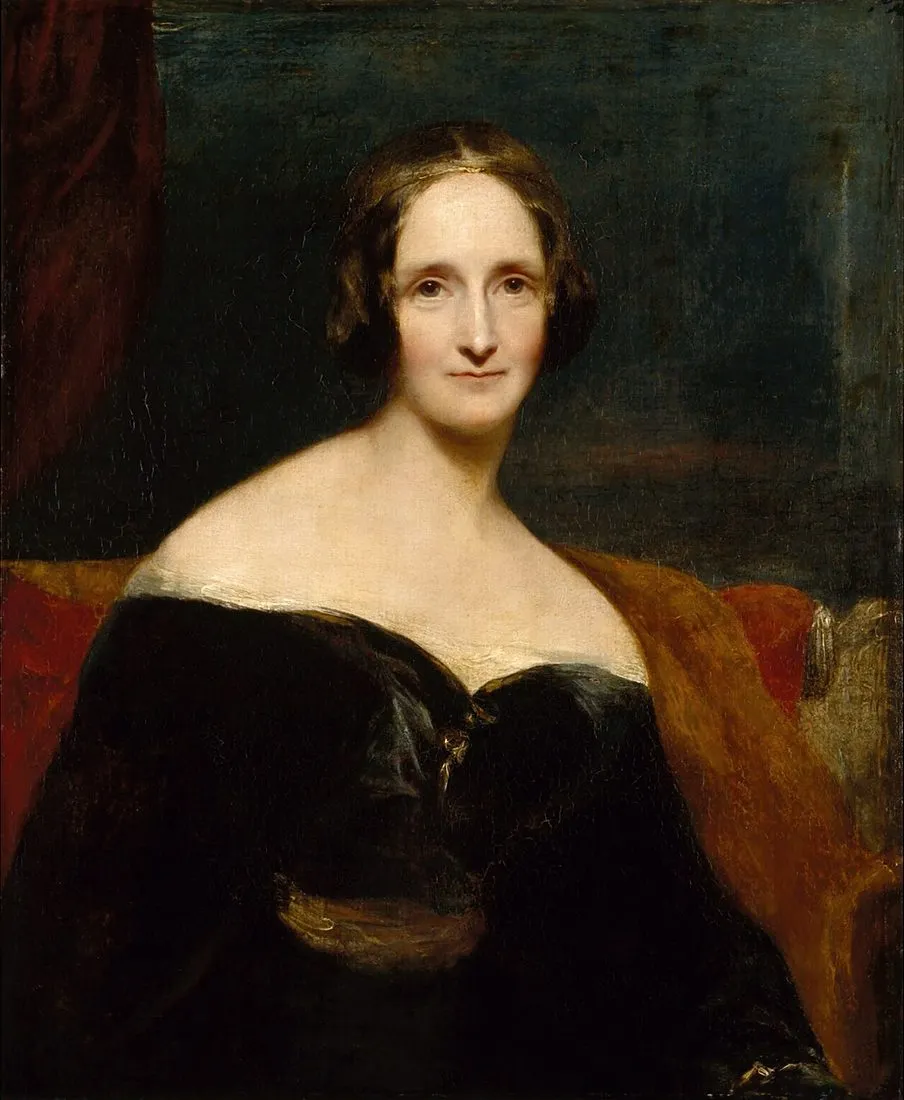
Mary Shelley Wikimedia Commons / Mary Shelley
Pictured Mary Shelley

The woman who asked why life is worth living, and kept answering it

Mary Shelley was born on this day, August 30, 1797, to two radical thinkers, the philosopher William Godwin and the pioneering feminist Mary Wollstonecraft, who died just days after giving birth to her. By 18 she had written Frankenstein, a novel so far ahead of its moment that people are still arguing over what it means. Then her life turned genuinely hard: three of her children died, two from diseases medicine has since learned to prevent, and her husband, the poet Percy Bysshe Shelley, drowned in a boating accident when she was 24.

Rather than stop writing, she wrote The Last Man, a novel about a pandemic erasing humanity one person at a time, and used it to ask the question sitting at the center of her own life: why go on living at all. She answered it by doing exactly that, writing her own work while devotedly editing and publishing her late husband's poetry until the world came to recognize him as the icon he's remembered as today.

She died in 1851, having outlived nearly every other writer of her generation, having already proven, on the page and off it, that a life can survive almost anything and still make something worth keeping.

Today’s complete edition

The discoveries, in full

Read the evidence, what it changes, and the reporting behind each of today’s 8 discoveries.

01/08 Natural Sci.

Australia's red rock may be sitting on a giant clean-energy reserve

Edith Cowan University researchers found that magnetite, the iron-rich mineral packed into Western Australia's huge Pilbara ore deposits, releases hydrogen gas when it reacts with hot water underground 2.
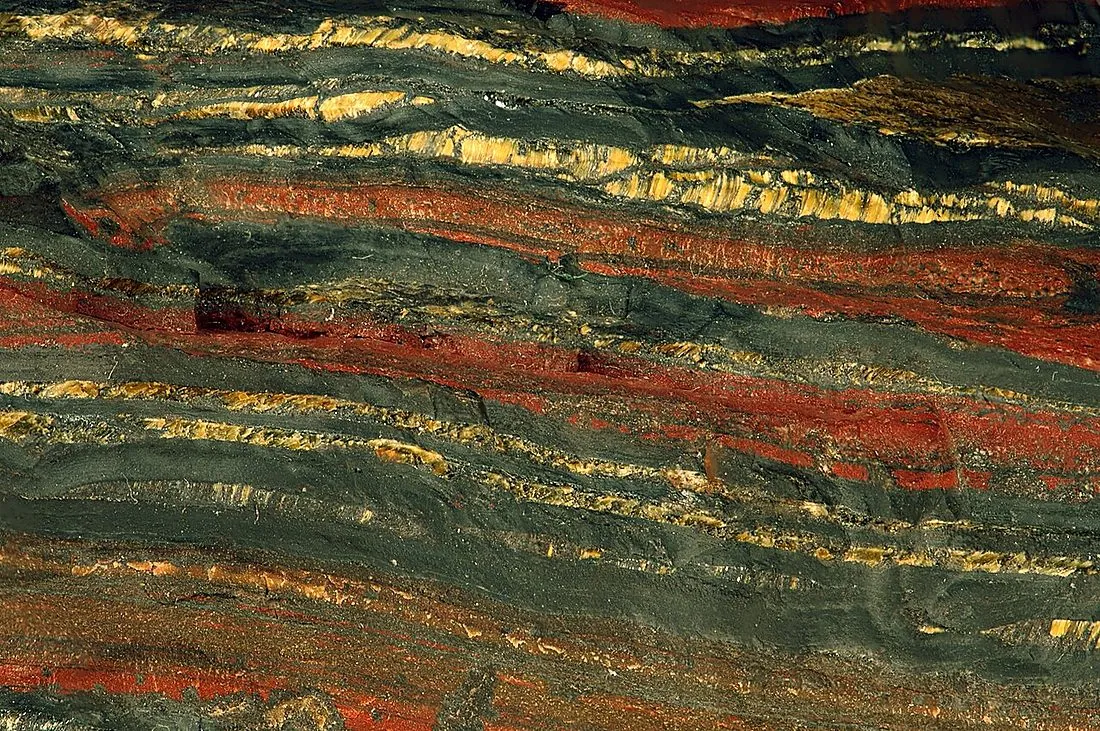
red iron-rich rock formations in the Pilbara, Western Australia
Pictured red iron-rich rock formations in the Pilbara, Western Australia · James St. John (Wikimedia Commons)

They recreated those deep conditions in the lab, soaking magnetite samples in 200°C water under high pressure for 60 days, and found that injecting a solution into the surrounding banded iron formations sped the reaction up. The Pilbara holds some of the largest formations of this rock on Earth.

02/08 Natural Sci.

Dogs may hold clues to human aging

The Dog Aging Project, a long-running community-science effort that follows thousands of pet dogs through their lives, analyzed blood metabolites, the small molecules cells produce during ordinary business, and compared which ones tracked with earlier or later death 3.

Dogs may hold clues to human aging
Unknown (via rawpixel)

The molecules that turned out risky or protective in dogs closely mirrored ones already flagged in human longevity research. "The molecules that are risky for dogs or protective against a sooner death are very similar to those in people," said Dr. Kate Creevy, the project's chief veterinary officer, calling it evidence that dogs and humans "share important features of aging biology."

03/08 Life Sciences

Scientists caught the brain quietly rebuilding itself after injury

Using two-photon microscopy to watch living mouse brains in real time, University of Zurich researchers found astrocytes, the star-shaped cells that feed and steady neurons, doing something nobody had documented before 26.

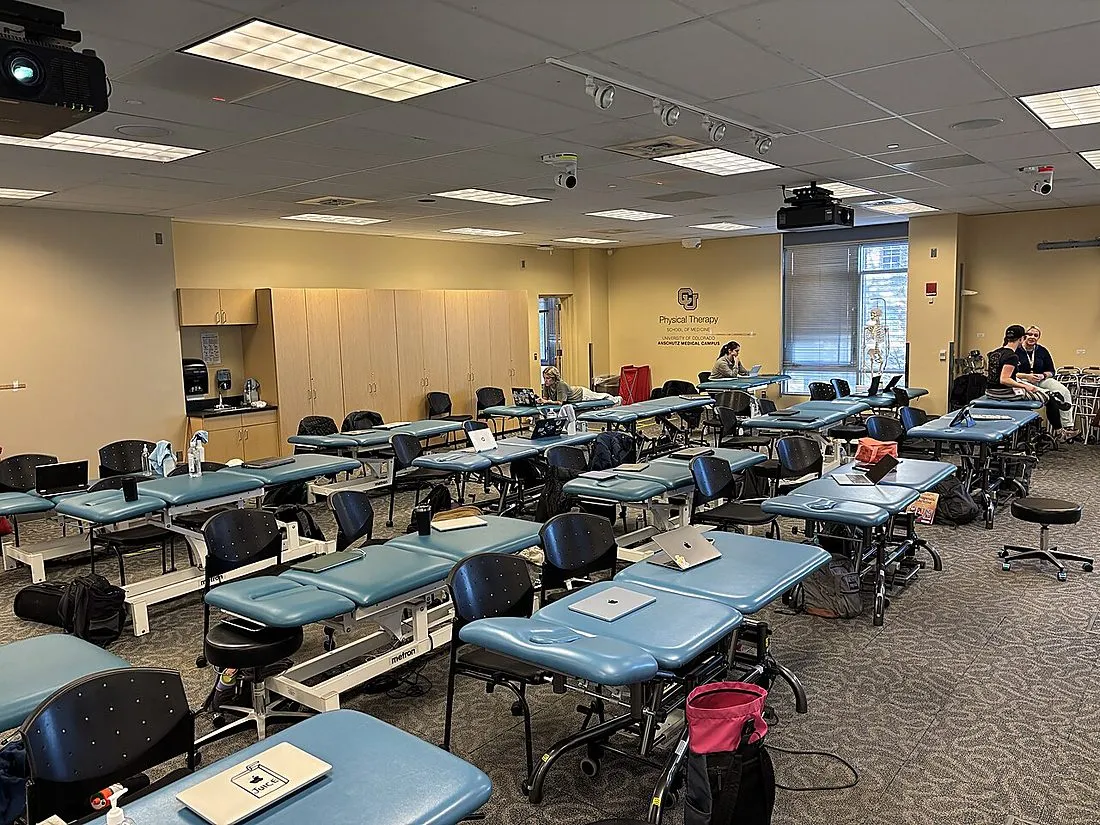
a physical therapy session for a brain injury patient
Pictured a physical therapy session for a brain injury patient · Mikepascoe (Wikimedia Commons)

Instead of dividing whole cells at the injury site the way scar tissue usually forms, astrocytes sitting at the edge of a lesion sent newly made cell nuclei gliding down their long branching arms, deep into the damaged core, and rebuilt a working network from the inside out.

04/08 Life Sciences

A "youth protein" woke up aging brains' immune cells

Mount Sinai researchers zeroed in on TIMP2, a protein already tied to youthfulness in earlier aging studies, and found it keeps microglia, the brain's resident cleanup crew, doing their job 23.

A "youth protein" woke up aging brains' immune cells
Unknown (via rawpixel)

Delete TIMP2 from mouse microglia and the cells quickly start acting old: worse at clearing cellular debris, more inflamed, more prone to senescence. Inject TIMP2 into aged mice, though, and their microglia shift back toward a calmer state, clearing waste again instead of sitting in it.

05/08 Life Sciences

Growing older doesn't dim your vocabulary, and now we know why

MIT and Boston University researchers scanned the brains of adults aged 17 to 80 during language tasks and separate memory tasks, chasing a pattern doctors have long noticed: people lose working memory and problem-solving speed with age but often keep, or even sharpen, their vocabulary 22.

The language network's activity in older adults was, in the researchers' words, nearly identical to younger adults', while the "multiple demand network" that handles executive tasks showed clearly weaker, less synchronized activity in those same older brains. "In the language network, we couldn't find any differences between older and younger groups," said lead author Anne Billot.

06/08 Technology

An AI tool helped surgeons save a man's eyesight during brain surgery

At London's National Hospital for Neurology and Neurosurgery, surgeons removed a large tumor from 48-year-old Rhys Hibbert's pituitary gland, a structure wedged right next to the arteries that feed the brain and the optic nerves that control vision, with help from an AI system trained on hundreds of past surgical videos 68.

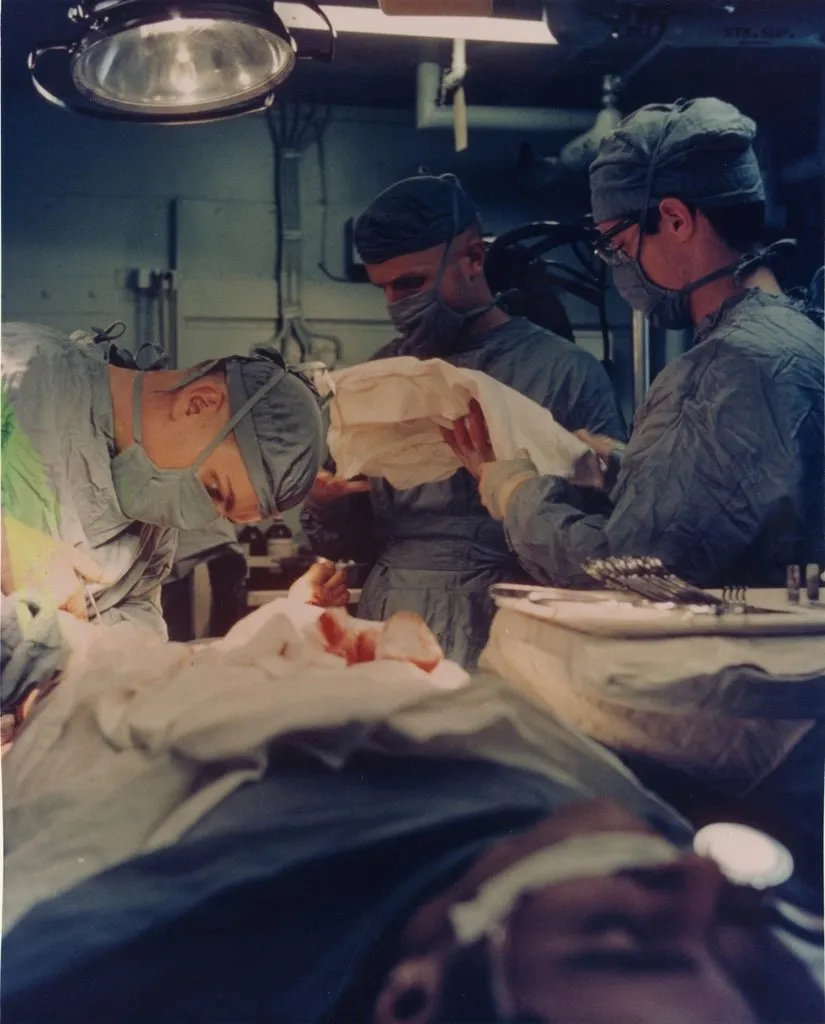
a surgeon operating in a hospital operating room
Pictured a surgeon operating in a hospital operating room · U.S. Navy Medicine (via rawpixel)

Watching a camera feed threaded up through the patient's nose, the AI tracked the surgeons' instruments in real time and flagged where hidden vessels and nerves were likely to be, essentially drawing the road signs that don't exist inside a real skull. "When I came round, I could see everything in the room clearly," Hibbert said. Before the operation he couldn't walk without glasses or a cane.

07/08 Psychology

Singing is helping stroke and dementia patients find their voice again

For almost two decades, the University of Auckland's Centre for Brain Research has run the CeleBRation Choir for stroke survivors and people with Parkinson's disease or dementia, and new research on its members backs up what the singers already suspected 36.

Today Got Better

Choir members with brain injuries or dementia reported quality of life as high as community choir members with no communication disabilities at all. Singing draws on the same lungs and overlapping brain pathways as speech, so people who struggle to talk, including those with aphasia after a stroke, can often still sing a familiar old song fluently. Group singing also raised participants' oxytocin and endorphins while lowering cortisol, the body's main stress hormone.

08/08 Good News

A teenager who lost his mother now paints free portraits for grieving families

Hugh Saetia was six when his mother died of gastrointestinal cancer. His father hired a nanny, Marilyn McAllister, who became a steady maternal presence, and years later, when one of McAllister's own sons was killed, 14-year-old Saetia painted her a portrait of him because he didn't know what else to give her 110.

Today Got Better

"There's no words to express how I feel about it," she told him. That reaction became the seed of The Eternal Canvas Foundation, which Saetia, now 17, built by approaching mourners at his mother's cemetery and paying for supplies with money earned sharpening knives at a farmers market. It's now a registered nonprofit with roughly 400 active requests for free portraits of people's late loved ones.

Quick notes

Shorter discoveries from this morning, worth knowing but not a full story.

2,600 silver coins found in outskirts of Moscow may have been buried by a medieval plague victim Archaeologists near Moscow uncovered a ceramic jug packed with 2,600 medieval silver coins, including more than 350 never-before-seen varieties, likely buried by a wealthy noble right before a plague epidemic swept through in the 1420s 9. Live Science
The Way You Draw Can Reveal Parkinson's Disease With Up to 99% Accuracy, Study Reveals An AI system fed spiral and meander drawings from a smart pen picked out Parkinson's disease with up to 98.95% accuracy, using nothing more invasive than asking someone to doodle 19. ScienceAlert
Study of Brain Immune Cells Reveals New Clues to Alzheimer's Disease Progression Mapping 830,000 brain immune cells from 1,607 donors, Mount Sinai researchers found a subtype of microglia that actually expands to fight Alzheimer's as the disease progresses, giving future treatments a defense system to strengthen instead of only plaques to attack 25. Neuroscience News
Exercise Shields Dopamine Neurons in Parkinson's A review of 129 studies found that muscles release protective signaling molecules during exercise that directly shield the dopamine-producing neurons Parkinson's disease destroys, one more reason resistance and aerobic training belong in treatment plans 30. Neuroscience News
These Patients Couldn't Beat Lyme Disease, So Scientists Tried Giving Them Psilocybin In a small Johns Hopkins pilot trial, two supervised doses of psilocybin cut chronic post-treatment Lyme disease symptoms roughly in half, with depression, sleep trouble, and pain still meaningfully improved six months later 15. ScienceAlert
Scientists Discover a Cannabis Receptor That Could Stop Breast Cancer Spreading A four-day, ultra-low-dose pulse of THC pushed aggressive breast cancer organoids to calm down and stop spreading, an effect that held for up to 100 days in mice, driven by a receptor tied to inflammation rather than the one that gets you high 16. ScienceAlert
Keto diet cut liver fat by 67% in a clinical trial In a head-to-head trial, a ketogenic diet cut liver fat by 67% and reversed prediabetes in about half of participants after four to five months, outperforming Mediterranean and low-fat diets that produced the same weight loss 4. ScienceDaily
Scientists turn one of the hardest plastics to recycle into high-performance engine lubricant Virginia Tech chemists found a way to cook stubborn PVC waste, the plastic behind plumbing pipes and credit cards, into polyalphaolefin, a key lubricant ingredient, giving landfill plastic a genuinely useful second life 7. ScienceDaily
Smart ring reads your sweat to measure glucose, ketones, and more A UC San Diego smart ring uses osmosis to continuously track glucose, ketones, lactate, and vitamin C from sweat without needing you to actually break one, a real upgrade for anyone managing diabetes who wants one less device to wear 88. New Atlas
Scholar Data A new "S-Index" gives researchers real professional credit for sharing the datasets other scientists build on, treating open data as a career asset instead of an unpaid chore 64. Marginal Revolution
Dogs Provide Security and Comfort at Busy Train Station in 'British First' Three retired cocker spaniels and a Labrador are spending their last working months patrolling London's Waterloo station, offering commuters a friendly, reassuring presence instead of just more cameras 108. Good News Network
Kerala Sisters Pool Money, Use Mother's Ancestral Land To Build a Home That Stays Cool Without AC Two sisters built a house on their family's Kerala land using laterite walls, clay roofs, and carefully placed openings that pull in breeze from the paddy fields, keeping it comfortable through 80%-humidity monsoons without a single air conditioner 111. The Better India
He Turned a Cowshed Into a School Uttam Teron started with 800 rupees and four kids in a leaking Assam cowshed; more than 2,000 children have studied there since, some of whom are now police officers and professionals who come back to teach 113. The Better India
Sainsbury's Launches Kid-Friendly Soy And Oat Milk Sainsbury's now sells its own fortified soy and oat drinks for kids over one, calcium and B12 included, answering a demand two-thirds of UK parents said they wanted 96. Plant Based News
'We Loved Chaap but Wanted More Protein': Delhi Couple's Kitchen Experiment Reaches 30000 Customers After a fake-soya-chaap scandal worried them, a Delhi couple spent nine months perfecting a high-protein version in their own kitchen; Protein Pantry has now served more than 30,000 customers 112. The Better India

Our process. Your trust.

Every discovery above traces back to an article we read in full. This is the whole corpus behind this morning, and what it was made of.

  • 23 Sources scanned
  • 117 Articles read
  • 8 Fields covered
  • 8 Discoveries

The sources that carried this morning

  1. 1 Psychology Today: The Latest 16 articles
  2. 2 Neuroscience News 12 articles
  3. 3 PsyPost Psychology News 10 articles
  4. 4 Interesting Engineering 10 articles
  5. 5 Latest Science News -- ScienceDaily 8 articles
  6. 6 ScienceAlert 8 articles
  7. 7 Futurism 8 articles
  8. 8 New Atlas 8 articles
How an edition is made

Everything we read today

Natural Sciences 21 articles
Life Sciences & Medicine 12 articles
Psychology & Behavioral Science 26 articles
Social Sciences 7 articles
Technology & Innovation 29 articles
Plant-Based & Vegan 9 articles
Solutions & Good News 10 articles
Human Stories & Ideas 3 articles
The long view · not today’s news, the story behind it

Today’s discoveries didn’t come from nowhere. Here’s the older, ongoing story they belong to, a moment from this day in history, and a question to test what stuck.

The story so far

On this day in science

1871 Ernest Rutherford is born Ernest Rutherford was born in Brightwater, New Zealand. He discovered the atomic nucleus and became known as the father of nuclear physics, showing that the atom holds a tiny, dense core of charge. More from the Almanac →

Before you go: today’s quiz

The daily quiz

Which study design gives the strongest evidence that a treatment causes an effect?

Reveal the answer

A randomized controlled trial

A randomized trial assigns people to groups so the only systematic difference is the treatment. An observational study only watches, so it can show a link but not prove cause.

Read the explainer →

Previous editions

Every morning we have published, newest first. Nothing expires.

View the full archive

Get this every morning.

Liked today’s? Wake up to tomorrow’s, in one short letter.

  • One email each morning, never more
  • The day’s real discoveries across 8 fields
  • One calm read with your coffee

The full letter, every morning, free for good.

Same free letter, plus the reason it stays that way: no ads, no investors, no agenda but the good news itself.

A single gift of any amount. No account, never a recurring charge.