




A hunt for malaria antibodies turned up a shield against a tick allergy
NIH scientists were trying to stop malaria. They isolated 42 antibodies from the cells of malaria-exposed people, hoping the antibodies would target a sugar molecule called alpha-gal on the parasite's surface.
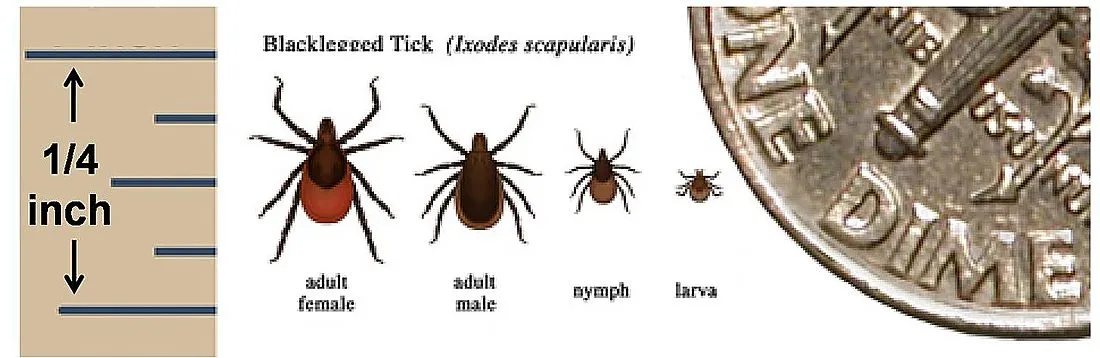
They barely worked against malaria 104. But alpha-gal also happens to be the molecule behind alpha-gal syndrome, the tick-bite allergy that can turn a hamburger into an emergency room trip, so the team screened the same 42 antibodies against it instead. Thirteen bound to AGS allergens. Two blocked patients' own allergic antibodies from attaching to those allergens, and a third stopped basophils, the immune cells that trigger the reaction, from activating at all 104. Roughly 110,000 suspected AGS cases have been logged in the US since 2010, likely an undercount, and until now the only treatment has been avoiding red meat entirely 104.