






A telescope built to hunt the universe's invisible matter launches nine months early
A SpaceX Falcon Heavy lifted off from Kennedy Space Center on Sunday morning carrying the Nancy Grace Roman Space Telescope, a nine-metric-ton observatory now three months into the million-mile journey to its post at the Sun-Earth L2 point 2145.
Roman's camera has 300 megapixels and a field of view 100 times wider than Hubble's; it could survey the entire Milky Way in about a month, a job that would take Hubble a century 200. It's built to hunt dark matter and dark energy, the 95 percent of the universe's stuff that nobody can directly see, and to find exoplanets using a coronagraph that blocks out starlight 200. Once fully operational it will beam back 1.4 terabytes of data a day 2.
What each field noticed (3)

NASA's Roman Space Telescope launches to reveal the Universe's darkest secrets
The science coverage leaned into what Roman is actually for: cataloguing dark matter and dark energy at survey speeds roughly 1,000 times faster than Hubble, with the wide field of view that makes it possible to look at enormous swaths of sky and deep into cosmic history at once 2.
Read the story Ars Technica
 NASA's next 'great observatory' begins mission to widen our view of the Universe
The tech write-up dwelled on the hardware: Roman's mirror started life as a repurposed spy satellite optic, the Falcon Heavy fired 27 kerosene engines to get it moving, and the two side boosters flew themselves back down to Cape Canaveral for reuse minutes after launch 145.
Read the story
Nancy Grace Roman Space Telescope Survives Attempted Budget Cuts to Launch 9 Months Early
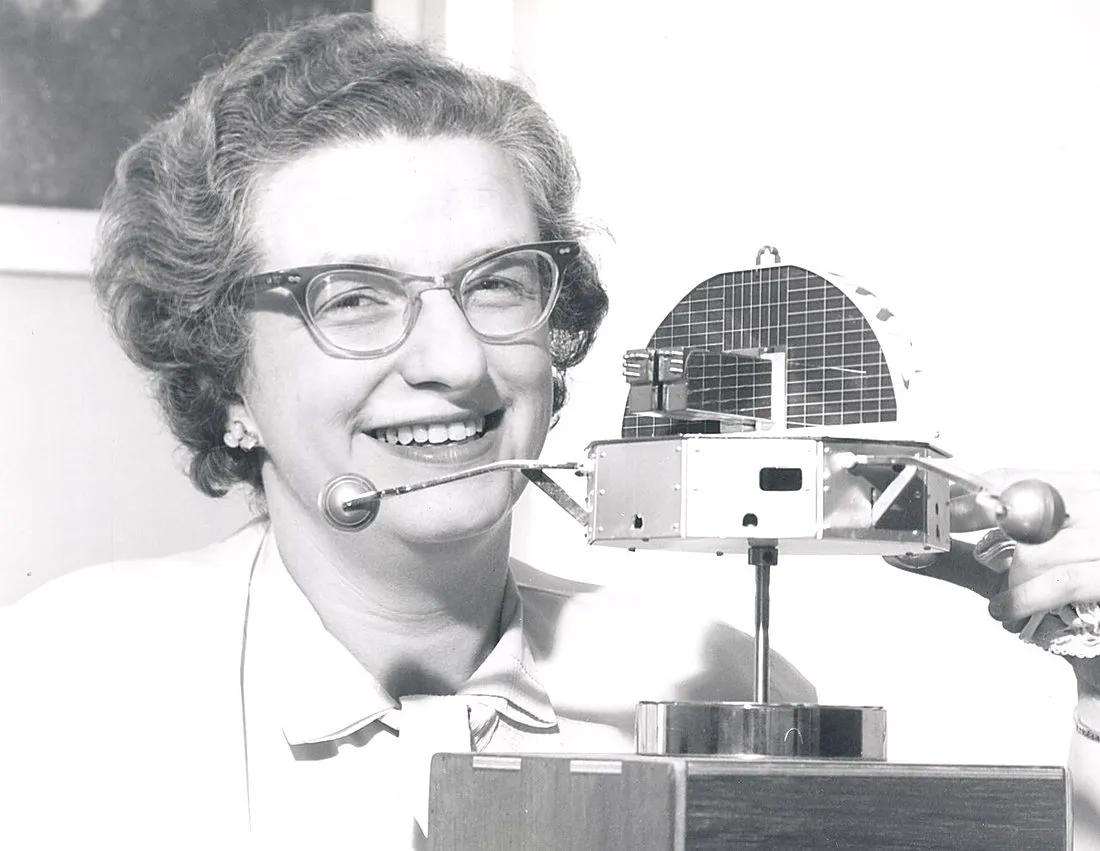
This is the one that noted Roman almost didn't happen: both Trump administrations tried to cut its budget in half, and it launched anyway, ahead of schedule and on budget, named for NASA's first chief astronomer 200.
Read the story